Table of Contents
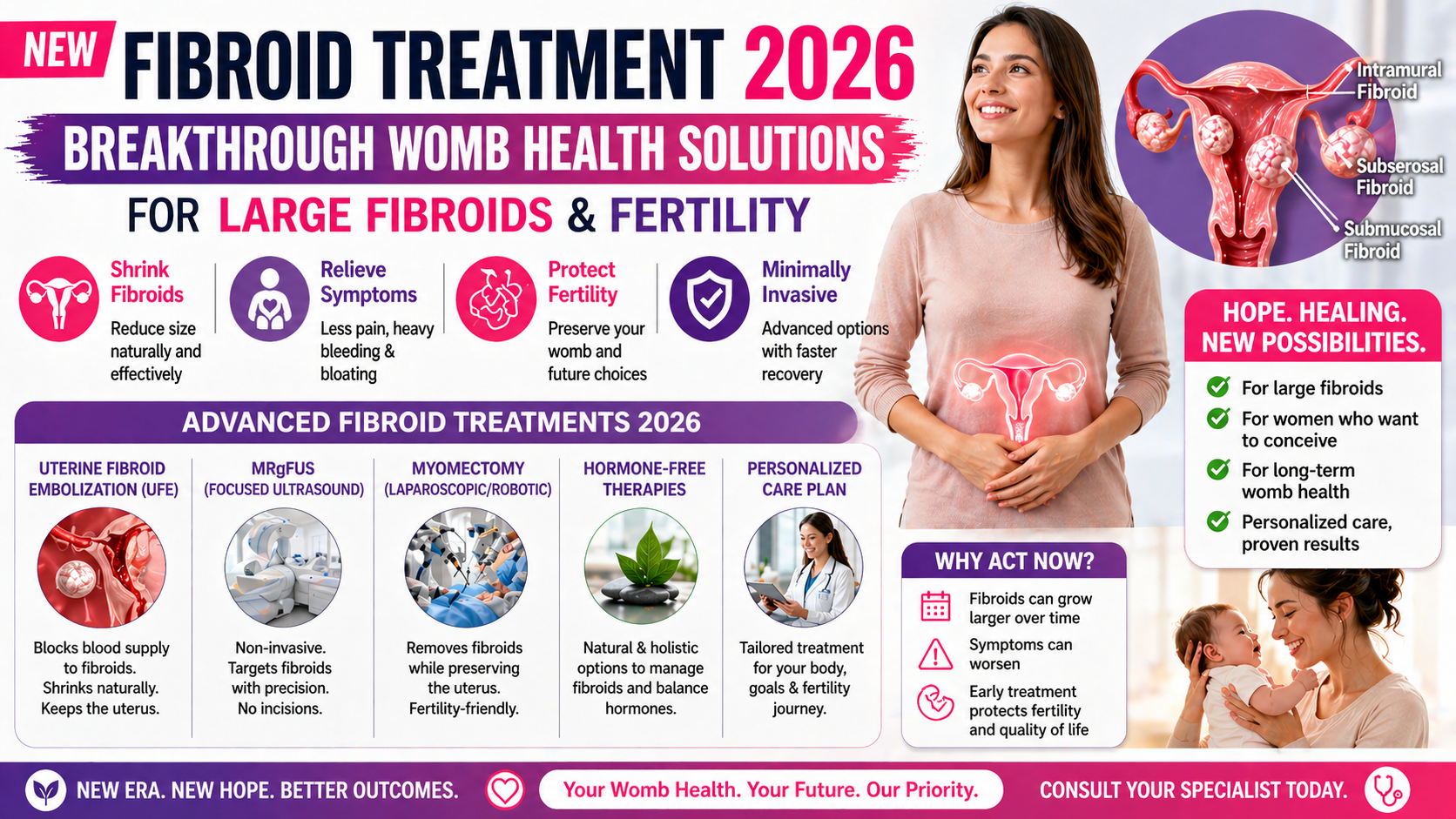
ToggleNew Fibroid Treatment 2025: Breakthrough Womb Health Solutions for Large Fibroids & Fertility
Introduction: The Evolution of Fibroid Treatments in 2025
Over the last decade, the field of women’s health has undergone a quiet revolution, especially in the treatment of uterine fibroids. These benign tumors, once managed mainly through surgery, now have an array of advanced, minimally invasive, and even regenerative treatment options. In 2025, fibroid care has moved beyond symptom management—it’s now about restoring womb health, improving fertility outcomes, and enhancing quality of life.
The landscape of fibroid treatment has transformed because of cutting-edge medical innovations and the growing global awareness around reproductive wellness. Gone are the days when hysterectomy was the only option for large fibroids. Today, doctors can treat fibroids with ultrasound waves, targeted freezing, or even regenerative cell therapy that heals uterine tissue naturally. This article explores all the groundbreaking fibroid treatments in 2025, providing a comprehensive guide for women seeking safe, effective, and fertility-preserving options.
Understanding Uterine Fibroids
Uterine fibroids, also known as leiomyomas or myomas, are non-cancerous growths that develop in or on the uterus. While their cause isn’t fully understood, they’re influenced by hormones—particularly estrogen and progesterone—and tend to develop during reproductive years.
Fibroids vary in size from small seedlings invisible to the human eye to bulky masses that distort and enlarge the uterus. They can cause heavy menstrual bleeding, pelvic pain, bloating, frequent urination, and even fertility challenges. Despite being common—affecting up to 70% of women by age 50—each woman’s experience with fibroids is unique.
Causes and Risk Factors
The exact causes of fibroids remain uncertain, but genetics, hormones, lifestyle, and environmental factors all play a role. Family history, obesity, and vitamin D deficiency have been linked to a higher risk. Chronic inflammation and exposure to estrogen-mimicking chemicals (found in plastics and processed foods) may also contribute.
Symptoms
Common symptoms include:
-
Heavy or prolonged menstrual bleeding
-
Pelvic or lower back pain
-
Pressure on the bladder or rectum
-
Abdominal bloating
-
Pain during intercourse
-
Difficulty conceiving or maintaining pregnancy
Understanding these symptoms early is crucial for timely intervention and preserving uterine health.
Why Fibroid Treatment Has Evolved in 2025
The change in fibroid care didn’t happen overnight. Medical technology, patient demand, and new research have all driven innovation. Women today are more informed, advocating for treatment options that preserve their wombs and fertility.
Advancements in Medical Technology
Robotics, AI-assisted imaging, and regenerative medicine have redefined what’s possible. Doctors can now target fibroids with precision, using real-time imaging and energy-based therapies that avoid damaging surrounding tissue.
Focus on Women’s Reproductive Health
The global movement for women’s health equity has led to increased research funding and innovation in gynecology. 2025 is the year women’s reproductive care finally steps into the spotlight, with holistic treatments that focus on overall womb wellness.
The Push Toward Non-Invasive Treatments
Women no longer want lengthy recovery times and lost fertility. The trend is clear—non-invasive, uterus-preserving methods are the new standard.
Traditional Fibroid Treatments: A Brief Overview
Before 2025’s innovations, treatment options were mostly limited to surgery and hormonal therapies.
Surgical Methods
-
Myomectomy: Surgical removal of fibroids while keeping the uterus intact.
-
Hysterectomy: Complete removal of the uterus—once the most common fibroid solution, now becoming outdated due to fertility-preserving alternatives.
Hormonal Therapy
Medications like GnRH agonists were used to shrink fibroids temporarily, but side effects like bone loss and menopausal symptoms limited long-term use.
Minimally Invasive Procedures
Uterine artery embolization (UAE) and laparoscopic myomectomy offered shorter recovery times but weren’t ideal for every woman.
In 2025, these traditional methods serve as the foundation for more advanced, less invasive solutions.
New Fibroid Treatment Options in 2025
This year marks a new dawn for fibroid care. Advanced technologies have made treatment safer, faster, and more effective than ever.
Focused Ultrasound Surgery (FUS) 2.0
The updated version of FUS uses MRI guidance and enhanced ultrasound energy to heat and destroy fibroid tissue precisely. No incisions, no anesthesia, and patients can go home the same day.
Radiofrequency Ablation (RFA) Innovations
In 2025, RFA devices now deliver energy with pinpoint accuracy, guided by AI imaging. The result? Quicker procedures and better preservation of healthy uterine tissue.
Cryomyolysis: Freezing Fibroids Away
This new method freezes fibroids using a cryoprobe, breaking down their structure naturally. It’s ideal for large fibroids and women seeking pain-free recovery.
AI-Guided Uterine Artery Embolization (UAE)
AI algorithms now map uterine blood flow, allowing precise blockage of fibroid blood supply while protecting healthy tissue. This reduces complications and improves fertility outcomes.
The Role of Regenerative Medicine in Womb Health
Regenerative medicine is rewriting the future of fibroid care. Scientists now harness the body’s natural healing ability to repair and rejuvenate uterine tissue.
Stem Cell Therapy
Stem cells harvested from a woman’s own body are used to regenerate uterine lining and restore normal function post-fibroid removal.
PRP (Platelet-Rich Plasma) Injections
PRP therapy improves uterine healing and reduces inflammation after procedures. It’s also being explored as a treatment for fibroid-related infertility.
Bioengineered Uterine Tissue
In 2025, researchers are experimenting with lab-grown uterine tissue patches that can repair damage caused by large fibroids or surgery—offering hope for women who once thought pregnancy impossible.
New Medications and Hormone Balancing Approaches
Gone are the days when fibroid treatment meant harsh hormone suppression. Modern medicine now focuses on balance, not elimination.
Selective Progesterone Receptor Modulators (SPRMs)
New-generation SPRMs control fibroid growth without triggering menopause-like side effects.
Targeted Gene Therapies
By identifying genetic mutations linked to fibroid formation, doctors can now use personalized therapies to stop their development at the molecular level.
Natural Hormone Regulation Techniques
Bioidentical hormones, herbal supplements, and dietary interventions are being used to harmonize the endocrine system naturally.
The Rise of Personalized Fibroid Treatment Plans
In 2025, one of the biggest breakthroughs in fibroid care is the rise of personalized treatment plans. The old “one-size-fits-all” approach no longer applies because each woman’s hormonal makeup, genetic predisposition, and lifestyle are unique. With the help of artificial intelligence and precision medicine, doctors can now design tailored fibroid management strategies that deliver better, faster, and safer results.
Genetic Profiling for Fibroid Risk
Genetic testing has become a standard step in diagnosing fibroids. By analyzing specific gene markers associated with fibroid growth and hormone metabolism, doctors can predict which women are more likely to develop large or aggressive fibroids. This early insight allows preventive care, including lifestyle changes and targeted medication, before symptoms even appear.
AI Diagnostics for Custom Treatment
Artificial intelligence has transformed gynecological imaging. AI-powered diagnostic tools can now detect fibroids smaller than a few millimeters and determine their type, location, and growth potential. These smart systems analyze thousands of data points from patient scans and health records to recommend the most effective treatment—whether that’s focused ultrasound, cryotherapy, or hormone balancing.
Precision Medicine in Gynecology
Precision medicine bridges genetics, imaging, and lifestyle data to design individualized care plans. For instance, a woman with multiple large fibroids and fertility concerns might get a combination of AI-guided ablation and regenerative therapy, while another woman with smaller fibroids could benefit from natural hormone balancing and nutritional therapy. This holistic, data-driven approach marks the future of womb health—where every treatment is as unique as the woman herself.
Integrative and Holistic Approaches to Womb Health
While medical technology continues to advance, many women in 2025 are also embracing integrative approaches to fibroid care. Holistic methods focus not only on eliminating fibroids but also on restoring the overall harmony of the body, mind, and hormones.
Nutrition and Anti-Inflammatory Diets
Diet plays a pivotal role in managing fibroids. Inflammation is a key factor in their growth, and an anti-inflammatory diet rich in fruits, leafy greens, whole grains, and omega-3 fatty acids can help reduce fibroid size and symptoms. Women are also avoiding foods high in estrogen-mimicking compounds, like processed meats, soy products, and plastics containing BPA.
Herbal Remedies and Traditional Medicine
Herbs like chasteberry, green tea extract, turmeric, and milk thistle have gained popularity for their hormone-balancing and detoxifying properties. In 2025, many gynecologists are working alongside herbalists and integrative doctors to combine conventional treatment with plant-based remedies that enhance natural healing.
Mind-Body Healing: The Stress-Fibroid Connection
Studies continue to show that chronic stress can fuel hormonal imbalances that promote fibroid growth. Mindfulness, yoga, breathwork, and acupuncture are now commonly recommended alongside medical treatments. These practices not only reduce stress but also improve blood circulation to the uterus, promoting faster recovery and better long-term womb health.
Fertility and Fibroids: 2025 Perspective
Fertility preservation is one of the most crucial aspects of fibroid treatment today. Many women delay childbirth for career or personal reasons, and the presence of fibroids can complicate conception and pregnancy. However, 2025 has ushered in new solutions that make it possible to remove fibroids while keeping the uterus intact and functional.
Protecting Fertility During Treatment
New imaging and surgical techniques allow doctors to remove fibroids precisely without damaging the endometrial lining. Fertility-preserving procedures like minimally invasive myomectomy and cryomyolysis ensure that women retain their natural reproductive potential.
Fibroid Removal and Pregnancy Outcomes
Post-treatment pregnancy success rates are at an all-time high. Women who undergo non-invasive fibroid removal can often conceive naturally within a few months. In cases where conception remains challenging, fertility experts use regenerative therapies such as PRP and stem cell injections to rejuvenate uterine tissue and improve embryo implantation.
Innovations in Fertility Preservation
2025 has also brought cutting-edge fertility preservation techniques like ovarian tissue freezing and uterine lining restoration. Women no longer have to choose between treatment and motherhood—modern medicine now offers both.
Comparing Surgical vs Non-Surgical Fibroid Treatments
When deciding on a fibroid treatment, understanding the pros and cons of surgical and non-surgical options is essential. Here’s a breakdown of how these methods stack up in 2025:
| Aspect | Surgical Treatments | Non-Surgical Treatments |
|---|---|---|
| Examples | Myomectomy, Hysterectomy | FUS, RFA, UAE, Cryotherapy |
| Recovery Time | 4–8 weeks | 1–5 days |
| Effectiveness | High for large fibroids | Moderate to high depending on size and number |
| Fertility Impact | May affect future pregnancies | Usually preserves fertility |
| Cost | Higher (hospitalization required) | Lower (outpatient basis) |
| Scarring | Possible | None or minimal |
| Anesthesia | General or spinal | Local or none |
| Recurrence Rate | Moderate | Lower with personalized treatment plans |
Non-surgical options clearly dominate in 2025, especially for women prioritizing fast recovery and fertility preservation.
The Impact of Technology on Fibroid Diagnosis
Technology is the backbone of modern fibroid management. Early detection is now easier and more accurate than ever before.
AI-Powered Ultrasounds
New AI-powered ultrasound machines can detect fibroids that are invisible to the naked eye. They provide detailed reports highlighting the exact size, position, and potential growth rate of each fibroid.
3D Imaging and MRI Mapping
Three-dimensional imaging allows doctors to visualize the uterus from every angle, helping in planning precise, targeted treatments that leave healthy tissue untouched.
Early Detection and Prevention Tools
Wearable hormone trackers and mobile health apps now alert women to hormonal changes that may indicate fibroid development. This empowers early intervention—before fibroids grow large enough to cause symptoms.
Lifestyle Changes and Prevention Strategies
Beyond medical care, daily habits have a profound effect on fibroid development and recurrence. In 2025, doctors emphasize a proactive, lifestyle-focused approach to womb health.
Exercise and Hormonal Balance
Regular physical activity—especially yoga, pilates, and aerobic exercise—helps regulate insulin and estrogen levels, which are linked to fibroid growth.
Diet Plans for Fibroid Reduction
A plant-forward diet emphasizing fiber, antioxidants, and phytonutrients reduces estrogen dominance. Many women also turn to Mediterranean and DASH diets, which are rich in anti-inflammatory foods.
Managing Stress and Sleep
Sleep and stress management are crucial. Chronic stress can elevate cortisol, a hormone that indirectly promotes fibroid growth. Mindfulness, journaling, and digital detoxes are increasingly part of holistic fibroid prevention programs.
Success Stories: Women Who Overcame Large Fibroids in 2025
Across the globe, women are sharing their recovery stories. From busy professionals to new mothers, they’ve found hope in modern fibroid treatments. Many report feeling stronger, more confident, and more connected to their bodies after their healing journey.
Take, for instance, Aisha, a 38-year-old who suffered from large fibroids for years. In 2025, she underwent AI-guided focused ultrasound treatment. Within months, her fibroids had shrunk by 80%, and she later conceived naturally. These real-life successes are not rare—they’re becoming the norm.
The Future of Womb Health Beyond 2025
Looking beyond 2025, the future of womb health is bright. Scientists are exploring ways to prevent fibroids entirely through genetic modification, improved hormone regulation, and advanced regenerative therapies. Soon, women may have access to vaccines that prevent fibroid growth altogether.
The next frontier is full integration between medical, genetic, and lifestyle data—allowing completely predictive, preventive, and personalized uterine health care.
Conclusion: A New Era of Hope for Women’s Reproductive Health
Fibroid treatment in 2025 is more than just about removing growths—it’s about reclaiming control, confidence, and fertility. With AI, regenerative medicine, and holistic wellness merging seamlessly, women finally have the power to heal without losing their wombs.
The journey to better womb health is personal, but the possibilities are universal. Whether through cutting-edge non-invasive procedures or mindful lifestyle changes, every woman can now live free from the pain and limitations of fibroids.
FAQs
-
What is the most advanced fibroid treatment in 2025?
Focused Ultrasound Surgery (FUS) 2.0 and AI-guided Uterine Artery Embolization are currently leading the way for safe, non-invasive fibroid removal. -
Can large fibroids be treated without surgery?
Yes, treatments like cryomyolysis, focused ultrasound, and advanced radiofrequency ablation can effectively shrink or eliminate large fibroids. -
Does fibroid treatment affect fertility?
Most modern treatments are fertility-friendly and even improve conception chances by restoring uterine health. -
Are there natural ways to manage fibroids?
Absolutely. Balanced nutrition, stress management, and herbal therapies can support hormonal health and reduce fibroid growth. -
What’s next for fibroid research?
The focus is shifting toward genetic prevention, stem cell regeneration, and personalized medicine that eliminates fibroids before they form.
The First Sign of Gallstones Over 75% of the Time……
Know About Your Parrots Health….
1 thought on “New Fibroid Treatment 2026: Breakthrough Womb Health Solutions for Large Fibroids & Fertility”