Table of Contents
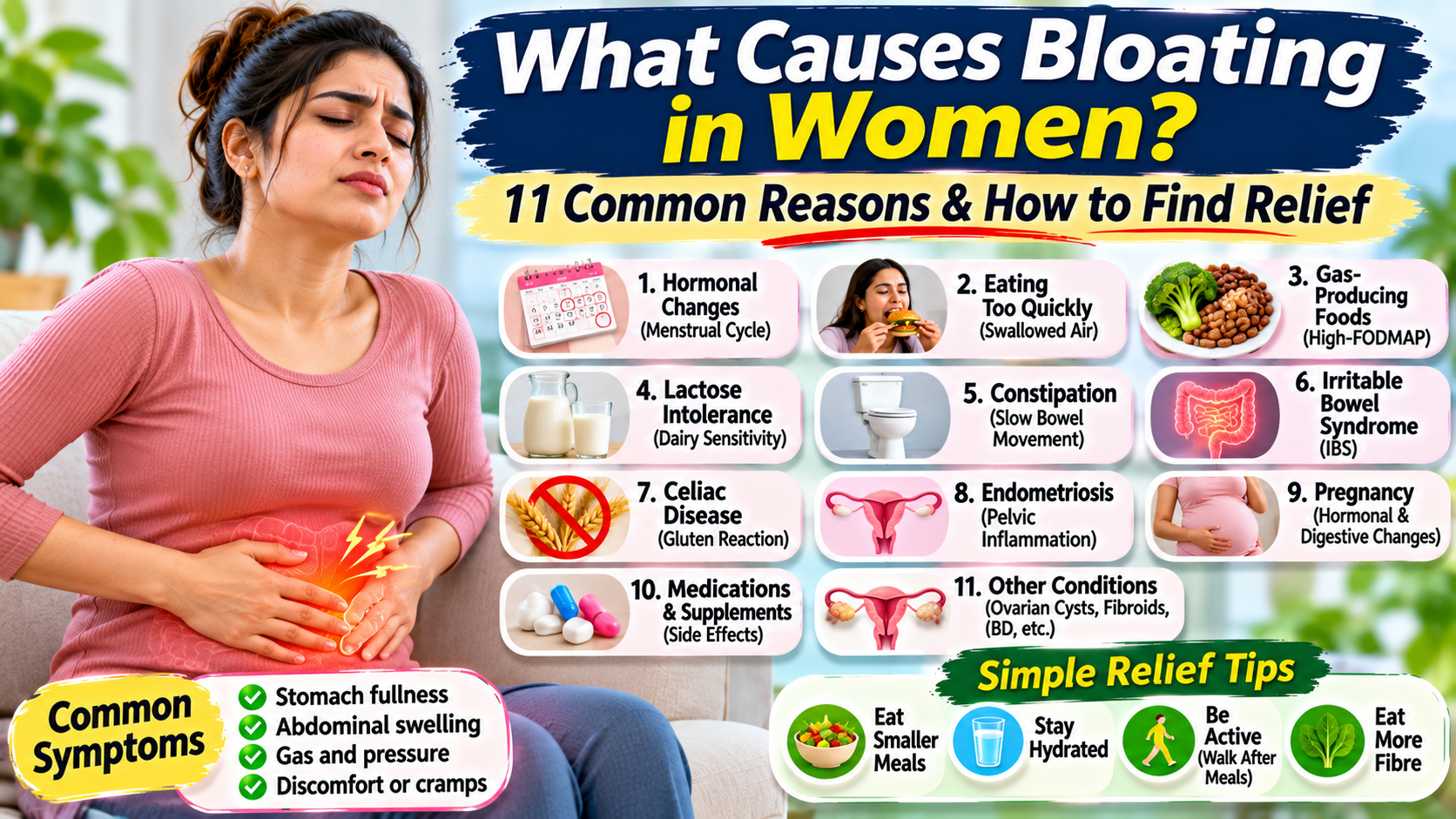
ToggleWhat Causes Bloating in Women? 11 Common Reasons and How to Find Relief
Have you ever noticed that your stomach feels unusually full, tight or swollen, even when you haven’t eaten much? Bloating is a common digestive complaint among women. It can occur after meals, around menstruation or seemingly without any obvious reason.
Sometimes bloating is caused by something simple, such as eating too quickly, consuming gas-producing foods or experiencing constipation. In other cases, it may be associated with digestive disorders, food intolerances, hormonal changes or reproductive health conditions.
Although occasional bloating is usually harmless, persistent or worsening abdominal swelling should not be ignored.
So, what causes bloating in women? Why does it sometimes become worse before a period? And what can you do to reduce the discomfort?
In this guide, we explore 11 common causes of bloating in women, practical ways to manage it and warning signs that deserve medical attention.
What Is Bloating?
Bloating is the uncomfortable feeling of fullness, pressure or swelling in the abdomen. Some women describe it as having a tight stomach or feeling as though their belly is stretched.
Bloating can occur with:
- Excess gas in the digestive tract
- Abdominal discomfort or cramps
- Frequent burping or passing gas
- A visibly swollen abdomen
- Changes in bowel movements
- A feeling of fullness after eating
Bloating and abdominal distension are related but not identical. Bloating describes the sensation of pressure or fullness, while distension means the abdomen visibly increases in size.
Some women experience bloating without noticeable swelling, while others experience both.
11 Common Causes of Bloating in Women
1. Hormonal Changes During the Menstrual Cycle
Hormonal fluctuations are a common reason women experience bloating before or during menstruation.
Changes in estrogen and progesterone throughout the menstrual cycle can affect fluid balance, bowel activity and digestive sensations.
Some women notice:
- A swollen or tight abdomen
- Increased gas
- Constipation
- Abdominal discomfort
- Temporary weight fluctuations
- A feeling of heaviness before menstruation
Premenstrual bloating often improves once menstruation begins or shortly afterward.
What may help?
- Drink enough water throughout the day.
- Reduce excessive salty and highly processed foods.
- Take gentle walks.
- Eat smaller meals if large meals worsen discomfort.
- Track symptoms alongside your menstrual cycle.
If bloating becomes severe, occurs throughout the month or is accompanied by significant pelvic pain, consult a healthcare professional.
2. Eating Too Quickly and Swallowing Excess Air
Sometimes bloating is related to the way you eat rather than a medical condition.
Eating quickly, talking while chewing, drinking through straws and chewing gum can cause you to swallow more air.
That air can contribute to abdominal discomfort, belching and gas.
Carbonated beverages such as soda and sparkling water can also increase gas in the digestive tract.
What may help?
- Eat slowly and chew your food properly.
- Avoid rushing through meals.
- Reduce carbonated drinks if they trigger symptoms.
- Limit frequent chewing gum.
- Avoid very large meals when they make you uncomfortable.
Small changes in eating habits may help reduce bloating for some people.
3. Gas-Producing Foods and High-FODMAP Foods
Some foods naturally produce more gas during digestion.
Certain carbohydrates are fermented by bacteria in the large intestine, producing gas that can cause bloating.
Common examples include:
- Beans and lentils
- Onions and garlic
- Cabbage and cauliflower
- Broccoli
- Some apples and pears
- Certain wheat-based foods
- Milk and other lactose-containing products in people who cannot digest lactose properly
These foods are nutritious and do not need to be avoided by everyone. The effect varies from person to person.
High-FODMAP foods contain certain short-chain carbohydrates that may be poorly absorbed in the small intestine and can trigger symptoms in people with sensitive digestive systems, particularly those with irritable bowel syndrome (IBS).
What may help?
Keep a food and symptom diary to identify patterns. If you suspect high-FODMAP foods are triggering your symptoms, consult a registered dietitian before attempting a low-FODMAP diet.
A low-FODMAP diet is generally a structured, temporary elimination and reintroduction process, not a permanent restriction of all these foods.
4. Lactose Intolerance
Lactose is a natural sugar found in milk and many dairy products.
The body needs an enzyme called lactase to digest lactose. People who do not produce enough lactase may experience digestive symptoms after consuming dairy products.
Common symptoms include:
- Abdominal bloating
- Gas
- Stomach cramps
- Diarrhea
- Nausea
- Rumbling sounds in the abdomen
Symptoms can begin within minutes or several hours after consuming lactose.
Milk, ice cream, cream and some soft cheeses may trigger symptoms. Tolerance varies, and some people can consume small amounts of lactose without problems.
What may help?
- Notice whether symptoms repeatedly follow dairy consumption.
- Try smaller portions if advised.
- Ask a healthcare professional about lactose intolerance testing.
- Consider lactose-free alternatives.
- Discuss lactase supplements with a pharmacist or doctor if appropriate.
Do not eliminate all dairy products unnecessarily, because doing so may reduce calcium and other nutrient intake.
5. Constipation
Constipation is a common cause of bloating in women.
When bowel movements become less frequent or stools are difficult to pass, stool can accumulate in the colon. This may contribute to abdominal pressure, discomfort and increased gas.
Signs of constipation include:
- Fewer bowel movements than usual
- Hard or dry stools
- Straining during bowel movements
- Feeling that the bowel has not emptied completely
- Abdominal fullness or discomfort
Low fibre intake, insufficient fluids, reduced physical activity and certain medications can contribute to constipation.
What may help?
- Gradually increase fibre-rich foods.
- Drink adequate fluids.
- Include fruits, vegetables, beans and whole grains.
- Stay physically active.
- Establish a regular toilet routine.
- Avoid ignoring the urge to pass stool.
Increase fibre gradually because suddenly eating much more fibre can temporarily worsen gas and bloating.
6. Irritable Bowel Syndrome (IBS)
Irritable bowel syndrome is a common disorder involving the interaction between the gut and nervous system.
It can cause recurring abdominal pain associated with changes in bowel movements.
Some women experience:
- Frequent bloating
- Excessive gas
- Abdominal cramps
- Constipation
- Diarrhea
- Alternating constipation and diarrhea
- Symptoms that fluctuate over time
Certain foods, stress, sleep disturbances and hormonal changes may worsen symptoms in some people.
IBS is a long-term condition, but symptoms can often be managed with an individualized treatment plan.
What may help?
- Identify personal food triggers.
- Eat regular meals.
- Maintain adequate hydration.
- Exercise regularly.
- Manage stress.
- Discuss dietary changes and medication options with a healthcare professional.
A doctor should assess persistent digestive symptoms rather than assuming they are IBS. Other conditions can cause similar problems.
7. Celiac Disease
Celiac disease is an autoimmune condition in which eating gluten causes an immune reaction that damages the lining of the small intestine.
Gluten is found in wheat, barley and rye.
Bloating can be one of the symptoms, along with:
- Diarrhea or constipation
- Abdominal pain
- Excessive gas
- Fatigue
- Unexplained weight loss
- Iron deficiency anemia
- Nutrient deficiencies
Not everyone with celiac disease experiences the same symptoms.
What may help?
If celiac disease is suspected, consult a doctor for appropriate testing.
The established treatment is a strict, lifelong gluten-free diet after diagnosis.
Important: Do not start a gluten-free diet before celiac testing without medical advice. Removing gluten beforehand can affect test results and make diagnosis more difficult.
8. Endometriosis
Endometriosis is a condition in which tissue similar to the lining of the uterus grows outside the uterus.
It can cause chronic inflammation, pelvic pain and digestive symptoms.
Some women with endometriosis experience a form of abdominal swelling commonly called “endo belly.”
Possible symptoms include:
- Severe menstrual cramps
- Pelvic pain
- Pain during or after sex
- Pain during bowel movements
- Constipation or diarrhea
- Abdominal bloating
- Pain that worsens around menstruation
Symptoms can vary considerably between individuals.
Endometriosis may be mistaken for ordinary menstrual discomfort or a digestive problem, especially when bloating is one of the main complaints.
What may help?
If you experience severe period pain, recurring pelvic discomfort or bowel symptoms linked to your menstrual cycle, consult a gynecologist.
Treatment depends on symptoms, individual circumstances and reproductive goals. It may include pain relief, hormonal treatment or surgery in selected cases.
9. Pregnancy
Bloating can occur during pregnancy, sometimes even in the early stages.
Hormonal changes, particularly increased progesterone, can slow digestive movement. This may contribute to gas, constipation and abdominal fullness.
As pregnancy progresses, the growing uterus can also place pressure on nearby digestive organs.
Other symptoms may include:
- Constipation
- Increased gas
- Nausea
- Abdominal fullness
- Changes in appetite
However, bloating alone is not a reliable way to identify pregnancy.
What may help?
- Eat smaller, more frequent meals.
- Drink enough fluids.
- Include fibre-rich foods.
- Stay gently active if your healthcare professional says it is safe.
- Discuss persistent digestive discomfort with your maternity care provider.
Severe abdominal pain, vaginal bleeding, fainting or significant vomiting during pregnancy needs prompt medical assessment.
10. Medications and Supplements
Certain medicines and supplements can contribute to bloating, constipation or other digestive symptoms.
Examples include:
- Iron supplements
- Some antibiotics
- Certain pain medicines, particularly opioids
- Some diabetes medicines
- Certain medicines that slow digestive movement
- Some fibre supplements
The effect depends on the medication, dose and individual response.
What may help?
If bloating started after beginning a new medicine or supplement, discuss it with your doctor or pharmacist.
Do not stop prescribed medication on your own. A healthcare professional may be able to adjust the dose or suggest an alternative.
11. Other Digestive and Reproductive Health Conditions
Persistent bloating can sometimes be associated with other medical conditions.
Examples include:
Inflammatory bowel disease (IBD): Conditions such as Crohn’s disease and ulcerative colitis cause inflammation in the digestive tract. Symptoms may include abdominal pain, diarrhea, bloating, fatigue and sometimes blood in the stool.
Ovarian cysts: Some ovarian cysts can cause pelvic pressure, pain or abdominal swelling, particularly when they become large.
Uterine fibroids: These non-cancerous growths in or around the uterus may cause pelvic pressure, a feeling of abdominal fullness, heavy periods or frequent urination.
Gastroparesis: This condition involves delayed stomach emptying and can cause early fullness, nausea, vomiting and bloating.
Ovarian cancer: Persistent or frequent bloating, particularly when accompanied by early fullness, pelvic pain or increased urinary urgency, can sometimes be a warning symptom. Most bloating is not caused by ovarian cancer, but ongoing unexplained symptoms should be evaluated.
The important point is that persistent abdominal swelling should not automatically be attributed to diet or hormones.
How to Relieve Bloating Naturally
If your bloating is occasional and not caused by an underlying medical condition, several everyday habits may help.
1. Eat Smaller Meals
Large meals may increase abdominal fullness and discomfort.
Try eating smaller portions at regular intervals and notice whether this improves your symptoms.
2. Drink Enough Water
Adequate hydration supports normal digestion and helps prevent constipation.
Drink fluids regularly throughout the day. Your needs may vary depending on activity, climate and medical conditions.
3. Walk After Meals
Gentle physical activity can help digestion and may reduce the uncomfortable feeling of trapped gas.
A short walk after meals is a simple habit worth trying.
4. Increase Fibre Gradually
Fibre supports healthy bowel movements.
Include foods such as:
- Oats
- Fruits
- Vegetables
- Beans
- Lentils
- Whole grains
Increase fibre gradually and drink enough fluids to reduce the possibility of additional gas and discomfort.
5. Reduce Trigger Foods
Notice whether particular foods repeatedly trigger symptoms.
You may need to moderate certain foods, carbonated drinks or large amounts of fatty meals.
Avoid eliminating several food groups without professional guidance.
6. Eat Slowly
Chewing food thoroughly and avoiding rushed meals may reduce swallowed air.
Try to sit comfortably and avoid talking continuously while chewing.
7. Manage Stress
The gut and brain communicate through the gut-brain connection.
Stress can influence gut sensitivity and bowel function, particularly in people with IBS.
Relaxation exercises, regular sleep, walking and mindfulness may help some people manage symptoms.
8. Keep a Bloating Diary
Record:
- What you eat and drink
- When bloating begins
- Whether it occurs before or after menstruation
- Bowel movement patterns
- Any associated pain or other symptoms
A diary can help you and your healthcare professional identify patterns.
When Should Women Worry About Bloating?
Most occasional bloating is not dangerous. However, persistent or unusual symptoms deserve attention.
Arrange a medical appointment if:
- Bloating happens frequently or does not go away.
- Your abdomen becomes progressively larger.
- You experience unexplained weight loss.
- You have blood in your stool.
- You experience recurring pelvic or abdominal pain.
- You feel full unusually quickly after eating.
- You notice increased urinary urgency or frequency.
- Your bowel habits change unexpectedly.
- You have persistent bloating that is new, unusual or unexplained.
Could Persistent Bloating Be a Sign of Ovarian Cancer?
Persistent bloating is one of the symptoms that can occur with ovarian cancer, although most women with bloating do not have ovarian cancer.
The symptoms that deserve particular attention include:
- Frequent or persistent abdominal swelling
- Feeling full quickly or losing your appetite
- Pelvic or abdominal pain
- Needing to urinate more frequently or urgently
If these symptoms are new, frequent or persistent, particularly if they occur several times a month, arrange a medical assessment.
Do not panic, but do not ignore them either.
Seek Emergency Medical Care If:
- You develop sudden, severe abdominal pain.
- Your abdomen is swollen and you cannot pass stool or gas.
- You have severe vomiting or signs of dehydration.
- You have severe abdominal pain with fainting or difficulty breathing.
The cause of severe abdominal symptoms needs prompt assessment.
How Do Doctors Investigate Persistent Bloating?
The appropriate evaluation depends on your symptoms, age, medical history and examination.
A healthcare professional may:
- Ask about your eating habits and menstrual cycle.
- Review your bowel movements and medication history.
- Examine your abdomen.
- Recommend blood tests if an underlying condition is suspected.
- Consider testing for celiac disease or food intolerances.
- Arrange imaging, such as an ultrasound, when appropriate.
- Recommend specialist assessment if symptoms suggest a digestive or reproductive health condition.
Not everyone with bloating needs every test. Investigations should be guided by the likely cause.
Final Thoughts
Bloating in women can have many causes, ranging from normal menstrual changes and eating habits to constipation, food intolerances and digestive disorders.
For occasional bloating, eating slowly, staying hydrated, identifying food triggers and maintaining regular physical activity may help.
However, persistent or worsening bloating should not automatically be blamed on hormones, stress or diet.
Pay attention to other symptoms, especially pelvic pain, early fullness, unexplained weight loss, changes in bowel habits or increased urinary frequency.
Understanding the possible causes is the first step toward finding appropriate relief. If bloating keeps returning or affects your daily life, consult a healthcare professional for an accurate diagnosis and treatment plan.
Frequently Asked Questions
1. What is the most common cause of bloating in women?
Common causes include intestinal gas, constipation, food intolerances, eating habits and hormonal changes during the menstrual cycle. The cause varies from person to person.
2. Why does my stomach feel bloated even when I haven’t eaten much?
Bloating can occur because of constipation, trapped gas, food intolerances, IBS or hormonal changes. A small meal does not necessarily prevent bloating.
3. Why do I feel bloated before my period?
Hormonal fluctuations during the menstrual cycle can affect fluid balance and digestion. Some women experience abdominal fullness, constipation and increased gas before menstruation.
4. Can stress cause bloating?
Yes. Stress can affect gut sensitivity and bowel activity. It may worsen bloating, particularly in people with IBS or other functional digestive disorders.
5. Can PCOS cause bloating?
Some women with PCOS report bloating, but it is not a defining symptom of PCOS. Digestive problems, constipation and other associated conditions may contribute. Persistent symptoms should be assessed rather than automatically attributed to PCOS.
6. Can constipation make your stomach look bigger?
Yes. Stool accumulation and trapped gas can cause abdominal fullness and visible distension.
7. Which foods commonly cause bloating?
Beans, lentils, onions, garlic, cabbage, cauliflower, certain fruits, carbonated drinks and lactose-containing foods in people with lactose intolerance can trigger bloating.
8. Can drinking water reduce bloating?
Adequate water intake supports digestion and can help prevent constipation. However, drinking excessive amounts of water will not automatically eliminate gas or bloating.
9. When is bloating a warning sign?
Bloating that is persistent, worsening or accompanied by pelvic pain, early fullness, unexplained weight loss, blood in the stool or urinary changes deserves medical assessment.
10. Can bloating be a sign of ovarian cancer?
Persistent or frequent bloating can be one symptom of ovarian cancer, particularly when accompanied by pelvic pain, early fullness or urinary urgency. Most bloating is caused by less serious conditions, but persistent symptoms should be investigated.
11. How can I reduce bloating quickly?
For mild occasional bloating, try gentle walking, drinking water, eating slowly and avoiding carbonated drinks or foods that you know trigger symptoms. If bloating is persistent or severe, seek medical advice rather than relying on home remedies.
Medical Disclaimer
This article is for general educational purposes only and does not replace professional medical advice, diagnosis or treatment. Persistent, severe or unexplained abdominal bloating should be assessed by a qualified healthcare professional. Do not ignore symptoms such as pelvic pain, unexplained weight loss, early fullness or changes in bowel habits.
References
- NHS – Bloating
- NHS – Lactose Intolerance
- National Institute of Diabetes and Digestive and Kidney Diseases – Irritable Bowel Syndrome
- National Institute of Diabetes and Digestive and Kidney Diseases – Celiac Disease
- NICE – Suspected Cancer: Recognition and Referral
- NHS – Endometriosis
- NHS – Stomach Ache