Table of Contents
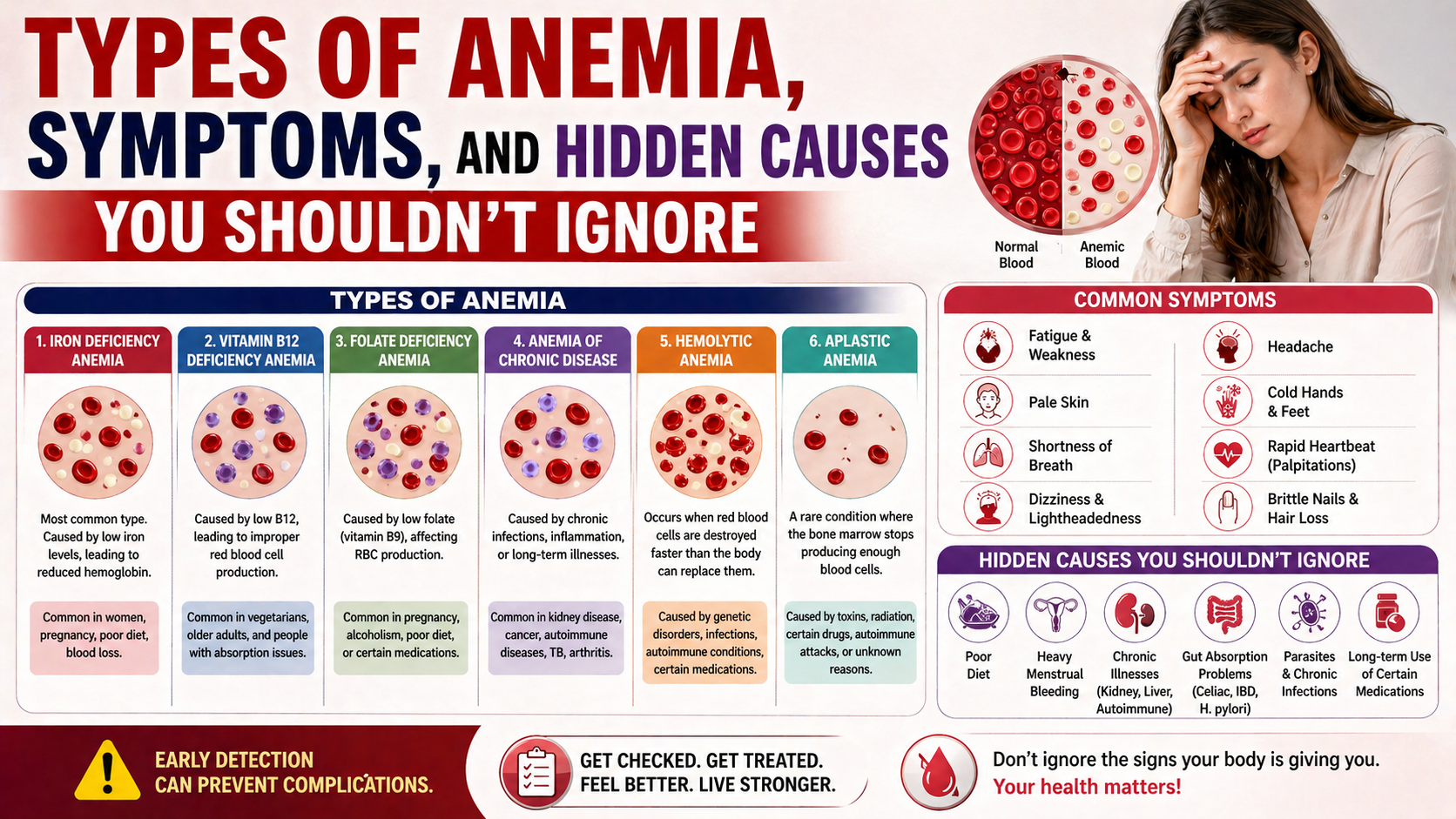
ToggleTypes of Anemia, Symptoms, and Hidden Causes You Shouldn’t Ignore
Introduction: Understanding Anemia and Its Impact
Anemia is one of those conditions that often sneaks up on people quietly. You might feel tired all the time, dizzy when you stand up, or just “not yourself,” without realizing your blood could be the culprit. Anemia affects millions worldwide, and yet, it’s often misunderstood or misdiagnosed. At its core, anemia means your blood doesn’t have enough healthy red blood cells or hemoglobin to carry oxygen effectively. Without enough oxygen circulating, your body struggles to function, leading to fatigue, weakness, and a host of other symptoms that can easily be mistaken for something else.
The impact of anemia stretches far beyond feeling tired. It can affect concentration, productivity, and even heart health. Left untreated, certain types of anemia can become life-threatening. But the good news? Most forms of anemia are treatable once the cause is identified. Understanding the different types, symptoms, and hidden causes is key to early detection and effective management. Let’s dive deep into everything you need to know about this condition, from common triggers to lesser-known underlying causes.
What Exactly Is Anemia?
Anemia is essentially a shortage of red blood cells or hemoglobin in the blood. Hemoglobin, the protein inside red blood cells, binds to oxygen in the lungs and carries it to tissues and organs throughout your body. When there isn’t enough of it, your body’s organs and muscles don’t get the oxygen they need, leading to exhaustion and weakness.
It’s important to remember that anemia is not a disease itself—it’s a symptom of an underlying problem. That problem could be anything from a nutritional deficiency to a genetic disorder or even chronic illness. For instance, someone could have anemia due to low iron intake, while another person might have it because their body is destroying red blood cells faster than it can produce them.
There are many different types of anemia, and each has its own causes, symptoms, and treatments. What’s common among all of them is that they affect the efficiency of your body’s oxygen transport system. Once that system is compromised, the effects ripple across your body, impacting everything from energy levels to immune function.
How the Body Produces Red Blood Cells
Red blood cells are produced in your bone marrow—the soft tissue found inside your bones. This process, known as erythropoiesis, relies on several key nutrients, including iron, vitamin B12, and folate. The hormone erythropoietin, produced by the kidneys, signals the bone marrow to make more red blood cells whenever oxygen levels drop.
Here’s where it gets interesting: if your diet lacks iron or vitamins, or if your body can’t properly absorb them, red blood cell production slows down. Over time, this leads to anemia. Likewise, if your bone marrow is damaged due to illness or certain medications, it can’t keep up with the body’s demands.
Hemoglobin, the molecule responsible for binding oxygen, needs iron to function. Without adequate iron, hemoglobin production plummets. The result? Your blood can’t carry enough oxygen, and you start to feel drained. Think of it as a delivery truck without enough drivers—there’s plenty of cargo (oxygen) but not enough workers (red blood cells) to transport it where it needs to go.
Common Symptoms of Anemia You Shouldn’t Ignore
Anemia can manifest in subtle ways at first, but over time, its symptoms can become impossible to ignore. Most people initially notice fatigue—an overwhelming sense of tiredness that doesn’t improve with rest. This happens because your body’s tissues aren’t getting enough oxygen to produce energy efficiently. You may also feel unusually weak, especially after light activity like climbing stairs or carrying groceries.
Another common sign is dizziness or lightheadedness, particularly when standing up quickly. Since your blood isn’t delivering enough oxygen to your brain, you may experience brief spells of faintness. Shortness of breath, even during mild exertion, is another red flag. When oxygen is low, your body compensates by breathing faster and increasing your heart rate.
Physical appearance can also reveal a lot. Pale or yellowish skin, brittle nails, and cold hands and feet are all typical signs. You might even notice your lips losing color or a bluish tint under your eyes. Some people develop a craving for non-food items like ice or clay (a condition known as pica), which often points to iron deficiency.
In more severe cases, you could experience heart palpitations, headaches, or chest pain, as your cardiovascular system struggles to pump oxygen-rich blood to all parts of your body. If left untreated, anemia can strain your heart and lead to more serious complications like heart enlargement or heart failure.
Recognizing these symptoms early is crucial. If you find yourself feeling persistently tired or breathless, it’s worth asking your doctor for a simple blood test. It’s a quick and easy way to determine whether anemia is the culprit behind your symptoms.
Different Types of Anemia
Anemia isn’t just one condition—it’s a broad term that covers multiple types, each with unique causes and treatments. The most common form is iron deficiency anemia, which arises when your body doesn’t have enough iron to produce adequate hemoglobin. Then there are vitamin-related anemias, such as vitamin B12 deficiency and folate deficiency anemia, both resulting from insufficient nutrients needed for red blood cell formation.
Beyond these, there are more complex types like aplastic anemia, where the bone marrow fails to produce enough blood cells, and hemolytic anemia, in which red blood cells break down prematurely. Genetic conditions like sickle cell anemia and thalassemia also fall under the anemia umbrella, causing lifelong complications.
Each type affects the body differently. For instance, nutritional anemias often improve with dietary changes and supplements, while inherited types may require long-term medical management, including transfusions or bone marrow transplants. Understanding which type you have is essential for proper treatment, as what works for one form of anemia might not work for another.
So, while the symptoms may appear similar, the underlying causes can vary drastically. This is why a thorough diagnosis is the first and most important step in addressing anemia effectively.
Iron Deficiency Anemia: The Most Common Type
Iron deficiency anemia is by far the most prevalent form of anemia, accounting for nearly half of all cases worldwide. The cause? A lack of iron—either from inadequate dietary intake, poor absorption, or blood loss. Iron is essential because it helps your body produce hemoglobin, and without it, your red blood cells become smaller, paler, and less efficient at carrying oxygen.
Women are especially prone to iron deficiency anemia due to menstrual blood loss, pregnancy, or childbirth. Vegetarians and vegans may also be at risk if they don’t include enough iron-rich plant foods or supplements in their diets. Gastrointestinal issues, such as ulcers, celiac disease, or inflammatory bowel disease, can also hinder iron absorption, leading to deficiency even when intake seems adequate.
Symptoms include extreme fatigue, weakness, pale skin, brittle nails, and shortness of breath. You might also notice strange cravings for ice, dirt, or paper—classic signs of pica. In severe cases, iron deficiency anemia can cause chest pain or irregular heartbeats as the body struggles to circulate oxygen.
Treatment usually involves iron supplementation, but it’s equally important to identify and address the underlying cause. For instance, if chronic blood loss from ulcers or heavy menstruation is the issue, simply taking iron won’t be enough. Including iron-rich foods such as red meat, spinach, lentils, and fortified cereals can help replenish your stores naturally. Pairing them with vitamin C-rich foods like oranges or tomatoes enhances absorption, making your diet an effective part of your recovery.
Vitamin Deficiency Anemia
Vitamin deficiency anemia is another widespread form of anemia, caused not by a lack of iron, but by inadequate levels of essential vitamins needed for red blood cell production—particularly vitamin B12 and folate (vitamin B9). These nutrients play a vital role in the creation of healthy red blood cells, and when your body doesn’t get enough of them, it produces abnormal cells that die off too quickly, leading to anemia.
A deficiency in vitamin B12 can occur due to poor diet, but more often it’s linked to absorption problems. For example, a condition called pernicious anemia happens when your stomach fails to produce intrinsic factor—a protein necessary for B12 absorption. Older adults and people with digestive disorders such as Crohn’s disease or celiac disease are particularly at risk. On the other hand, folate deficiency is usually diet-related. Since folate is found in leafy greens, citrus fruits, and legumes, those with poor nutrition or alcohol dependence often develop this form of anemia.
The symptoms of vitamin deficiency anemia can go beyond fatigue and weakness. You might experience numbness or tingling in your hands and feet, a sore tongue, or difficulty concentrating. In severe cases of B12 deficiency, neurological issues like memory problems, confusion, or balance difficulties may appear. Because these symptoms can mimic other conditions, vitamin deficiency anemia often goes undiagnosed for long periods.
Treatment involves replenishing vitamin levels through diet, supplements, or injections. For instance, B12 shots can quickly restore levels in people who cannot absorb the vitamin naturally. A diet rich in animal products (like eggs, fish, and meat) or fortified foods can prevent recurrence. Folate deficiency, meanwhile, is managed by increasing folate intake through leafy greens, beans, and supplements.
Addressing vitamin deficiency anemia early can prevent serious long-term complications. Once your vitamin stores are restored, most symptoms begin to fade, energy levels rise, and your overall well-being improves dramatically.
Aplastic Anemia: When Bone Marrow Fails
Aplastic anemia is a rare but serious condition that occurs when your bone marrow stops producing enough new blood cells—red cells, white cells, and platelets. Since the bone marrow is essentially the blood cell factory of the body, its failure has a devastating impact. Without enough red cells, oxygen delivery drops; without white cells, infections become more likely; and with low platelets, even minor cuts can lead to dangerous bleeding.
The causes of aplastic anemia vary. It can result from exposure to toxic chemicals (like pesticides or benzene), certain medications (including some antibiotics and chemotherapy drugs), or viral infections such as hepatitis or Epstein-Barr virus. In some cases, the immune system mistakenly attacks the bone marrow, classifying it as an autoimmune condition. There are also inherited forms, such as Fanconi anemia, that appear in childhood.
Symptoms often include fatigue, frequent infections, easy bruising, and prolonged bleeding from minor injuries. Because the bone marrow’s output is suppressed, anemia often appears alongside low white and platelet counts—a condition known as pancytopenia.
Diagnosing aplastic anemia typically involves blood tests and a bone marrow biopsy. Treatment depends on the cause and severity. Mild cases may be managed with medications that suppress the immune system and stimulate bone marrow activity. More severe cases might require blood transfusions or bone marrow transplants, especially when the condition is life-threatening.
Living with aplastic anemia can be challenging, but medical advancements have improved outcomes significantly. With the right care, many patients recover fully or maintain stable blood counts with treatment.
Hemolytic Anemia: When Red Blood Cells Break Down Too Early
Hemolytic anemia occurs when red blood cells are destroyed faster than the bone marrow can replace them. This premature destruction—called hemolysis—can happen due to genetic conditions, autoimmune reactions, or certain medications and infections. Normally, red blood cells live about 120 days, but in hemolytic anemia, they may last only a few days or weeks.
There are two main types: inherited hemolytic anemia, such as sickle cell disease or hereditary spherocytosis, and acquired hemolytic anemia, which develops later in life due to external factors. Autoimmune hemolytic anemia (AIHA), for example, occurs when your immune system mistakenly attacks your own red blood cells. Certain drugs, infections, or even blood transfusions can trigger this response.
Symptoms include fatigue, jaundice (yellowing of the skin and eyes), dark urine, and an enlarged spleen. Some people experience fever or abdominal pain as the body works overtime to clear out damaged blood cells. Over time, this chronic destruction can strain the liver and kidneys, leading to further complications.
Treatment focuses on the underlying cause. For autoimmune types, corticosteroids or immunosuppressants can slow down the immune attack. If a medication triggers the condition, discontinuing it often resolves the anemia. In severe or genetic cases, blood transfusions, folic acid supplements, or even spleen removal may be necessary.
Hemolytic anemia is complex, but early detection makes a huge difference. Regular blood tests can track red cell survival rates and hemoglobin levels, allowing doctors to intervene before complications set in.
Sickle Cell Anemia: A Genetic Blood Disorder
Sickle cell anemia is one of the most well-known hereditary forms of anemia. It’s caused by a mutation in the gene that tells your body how to make hemoglobin—the protein in red blood cells that carries oxygen. Instead of producing normal, round red blood cells, the body makes stiff, crescent-shaped cells that resemble a sickle. These deformed cells don’t move smoothly through blood vessels, leading to blockages that slow or stop blood flow.
This blockage is what causes the intense pain episodes known as sickle cell crises. The pain can occur anywhere in the body and may last for hours or even days. Because these sickle-shaped cells die prematurely (lasting only 10–20 days instead of the normal 120), the body constantly struggles to produce enough new red blood cells, leading to chronic anemia.
Common symptoms include fatigue, delayed growth in children, frequent infections, and vision problems caused by damage to blood vessels in the eyes. In severe cases, sickle cell anemia can lead to complications such as stroke, organ damage, or pulmonary hypertension. People with this condition often require lifelong medical care to manage symptoms and prevent crises.
Treatment focuses on minimizing symptoms and preventing complications. Hydroxyurea, a medication that encourages the production of fetal hemoglobin, can reduce the number of sickled cells and lessen pain episodes. Blood transfusions are another common treatment, as they help maintain healthy red blood cell levels. In some cases, a bone marrow or stem cell transplant can offer a potential cure, especially for younger patients.
Living with sickle cell anemia requires careful management—staying hydrated, avoiding temperature extremes, managing stress, and preventing infections. Though it’s a lifelong condition, advances in medicine have significantly improved life expectancy and quality of life for those affected.
Thalassemia: Inherited Anemia with Varying Severity
Thalassemia is another inherited blood disorder that affects hemoglobin production. People with thalassemia have defective genes that limit the body’s ability to produce one of the hemoglobin chains—either alpha or beta. Depending on which gene is affected, the condition is classified as alpha thalassemia or beta thalassemia, and each can range from mild to severe.
In minor or trait forms, symptoms may be minimal or even absent. Many people with thalassemia trait don’t realize they have it until routine blood work reveals mild anemia. However, the major or severe forms—such as beta-thalassemia major (also called Cooley’s anemia)—can cause profound fatigue, growth delays, bone deformities, and enlarged spleen and liver.
Because the red blood cells in thalassemia are fragile and short-lived, patients often require regular blood transfusions to maintain normal hemoglobin levels. While this helps alleviate symptoms, frequent transfusions can cause iron overload in the body, which in turn can damage organs like the heart and liver. To counter this, patients are often prescribed iron chelation therapy, medications that remove excess iron from the blood.
Genetic counseling plays a major role in managing thalassemia, especially for couples planning to have children. Knowing whether you carry the trait can help prevent passing on severe forms of the condition. Advances in genetic testing have made early diagnosis and intervention possible, greatly improving outcomes for affected individuals.
While there’s currently no universal cure, bone marrow transplants have shown promise in children with severe forms. In milder cases, maintaining a balanced diet, avoiding iron supplements (unless prescribed), and regular monitoring can help individuals live relatively normal lives.
Hidden Causes of Anemia You Might Not Know About
While iron and vitamin deficiencies are well-known culprits, several hidden causes of anemia often go unnoticed. One major cause is chronic disease. Conditions such as kidney disease, liver disorders, cancer, or autoimmune diseases can interfere with the body’s ability to produce red blood cells. For example, in chronic kidney disease, the kidneys produce less erythropoietin—the hormone that signals bone marrow to make red blood cells—leading to what’s known as anemia of chronic disease.
Another common but often overlooked factor is heavy menstrual bleeding, which can cause significant iron loss over time. Women who experience prolonged or heavy periods are especially at risk of developing anemia without realizing it. Likewise, internal bleeding in the gastrointestinal tract—caused by ulcers, polyps, or colorectal cancer—can also lead to chronic blood loss and iron deficiency.
Digestive disorders such as celiac disease and Crohn’s disease can impair nutrient absorption, making it hard for the body to take in iron, B12, or folate even if they’re present in the diet. Certain medications, such as antacids, antibiotics, or chemotherapy drugs, can further contribute to anemia by disrupting absorption or damaging bone marrow.
Lastly, pregnancy is another condition that can trigger anemia. The body needs extra iron to support both the mother and developing baby, and if those needs aren’t met through diet or supplements, anemia can develop quickly.
Recognizing these hidden causes is key to effective treatment. Simply taking iron supplements won’t help if the root issue is an absorption problem or an underlying disease. A proper medical evaluation can uncover these factors and guide a targeted treatment plan.
Who Is at Risk for Developing Anemia?
Anemia doesn’t discriminate—it can affect anyone, but certain groups of people are more susceptible due to their lifestyle, age, or health conditions. Understanding who’s most at risk helps in taking preventive measures before anemia becomes a serious issue.
1. Women of childbearing age:
Because of menstrual blood loss, women between puberty and menopause are at a higher risk of iron deficiency anemia. Heavy or prolonged menstrual cycles can lead to chronic blood loss, slowly depleting iron stores. Additionally, women who are pregnant or breastfeeding need significantly more iron to support fetal development and milk production. Without proper supplementation, anemia can develop easily during these stages.
2. Pregnant women:
Pregnancy naturally increases the body’s demand for iron and folate to support the growing baby’s blood supply. A deficiency in these nutrients can lead to complications such as low birth weight, premature delivery, or postpartum depression. Regular prenatal checkups and prescribed iron supplements can help prevent anemia during pregnancy.
3. Infants and children:
Rapid growth phases require plenty of iron and other nutrients. Babies born prematurely or with low birth weight are particularly vulnerable to anemia. Similarly, toddlers and teens experiencing growth spurts may become anemic if their diets lack iron-rich foods. Pediatricians often recommend iron-fortified cereals or supplements to prevent deficiencies during these critical years.
4. Older adults:
As we age, our bodies become less efficient at absorbing nutrients like iron, vitamin B12, and folate. Moreover, older adults are more likely to have chronic diseases that affect red blood cell production, such as kidney disease or cancer. Regular screenings and a nutrient-rich diet are essential for maintaining healthy blood levels in this group.
5. Vegetarians and vegans:
Plant-based diets can be extremely healthy, but they often lack heme iron—the easily absorbed form found in animal products. While iron from plant sources (non-heme iron) is still beneficial, it’s absorbed less efficiently. Without careful dietary planning or supplementation, vegetarians may develop iron deficiency anemia.
6. People with chronic diseases:
Chronic conditions like diabetes, rheumatoid arthritis, or inflammatory bowel disease can interfere with red blood cell production or cause slow internal bleeding. People undergoing dialysis or chemotherapy are also at risk due to the effects of treatment on bone marrow and nutrient absorption.
By recognizing these risk factors, individuals can take proactive steps—like eating iron-rich foods, taking prescribed supplements, and having regular blood tests—to ensure their hemoglobin levels stay within a healthy range.
Diagnosing Anemia: Tests and Procedures
Diagnosing anemia isn’t as simple as noticing fatigue—it requires proper medical testing to determine the exact type and cause. The process typically begins with a complete blood count (CBC), a standard blood test that measures several key components, including:
-
Hemoglobin (Hb): The amount of the oxygen-carrying protein in your blood.
-
Hematocrit (Hct): The percentage of your blood composed of red blood cells.
-
Red blood cell (RBC) count: The total number of red cells in a sample of blood.
-
Mean corpuscular volume (MCV): The average size of your red blood cells, which helps identify whether anemia is due to iron deficiency (smaller cells) or vitamin deficiency (larger cells).
If anemia is detected, your doctor may order additional tests to uncover the root cause. These can include:
-
Iron studies: To check levels of ferritin (iron storage protein), serum iron, and transferrin saturation.
-
Vitamin B12 and folate tests: To identify nutritional deficiencies.
-
Reticulocyte count: Measures young red blood cells to see if the bone marrow is producing enough new ones.
-
Peripheral smear: A microscopic examination of blood cells to detect shape abnormalities like sickle cells or spherocytes.
-
Bone marrow biopsy: In cases of suspected aplastic anemia or bone marrow failure.
For patients with chronic illnesses, additional testing may focus on kidney function, liver enzymes, or hormone levels. If internal bleeding is suspected, procedures like endoscopy or colonoscopy may be performed to locate the source.
Early diagnosis is crucial. Anemia can often be corrected with simple lifestyle and dietary changes if caught early. However, without proper testing, the condition may go unnoticed until it becomes severe, leading to complications like organ damage or heart strain.
Treatment Options for Different Types of Anemia
Treatment for anemia depends entirely on its type and cause. There’s no one-size-fits-all solution—what works for iron deficiency won’t necessarily work for anemia caused by chronic disease or genetics.
1. Iron Deficiency Anemia:
This is usually treated with iron supplements (ferrous sulfate, ferrous gluconate, or ferrous fumarate) taken orally. For faster results or severe cases, iron may be given intravenously. Alongside supplements, it’s important to consume iron-rich foods like lean meats, leafy greens, beans, and fortified cereals. Pairing iron with vitamin C (from oranges or tomatoes) enhances absorption.
2. Vitamin Deficiency Anemia:
Deficiencies in vitamin B12 or folate are corrected with dietary changes or supplements. People with absorption problems, such as those with pernicious anemia, may need vitamin B12 injections. Foods like eggs, dairy, meat, lentils, and leafy greens can help maintain adequate levels.
3. Aplastic Anemia:
This serious condition may require blood transfusions to increase blood cell counts temporarily. Long-term management often involves immunosuppressive drugs (like cyclosporine or antithymocyte globulin) or a bone marrow transplant if the patient is young and has a suitable donor.
4. Hemolytic Anemia:
If caused by an autoimmune response, corticosteroids and immunosuppressive drugs are used to stop the immune system from destroying red cells. Severe cases may require splenectomy (removal of the spleen) or regular blood transfusions.
5. Sickle Cell and Thalassemia:
Treatment includes blood transfusions, hydroxyurea, and iron chelation therapy (to prevent iron overload). In some cases, stem cell transplants can offer a potential cure.
6. Anemia of Chronic Disease:
This type is managed by treating the underlying illness. For instance, people with kidney disease may receive erythropoietin injections to stimulate red blood cell production.
It’s essential to follow medical advice precisely and not self-diagnose or self-treat. Overusing iron supplements, for instance, can lead to toxicity and organ damage. With the right treatment plan, most people can recover from anemia and regain their full energy levels.
Preventing Anemia Naturally
Prevention is always better than cure, and when it comes to anemia, a proactive approach centered on good nutrition and healthy habits can make all the difference. Whether you’re at risk or simply want to maintain strong blood health, a few lifestyle adjustments can go a long way in keeping anemia at bay.
1. Eat an iron-rich diet:
Iron is the cornerstone of red blood cell production. To prevent deficiency, include a variety of iron-rich foods in your meals. The best sources of heme iron (easily absorbed) are red meat, liver, poultry, and fish. For vegetarians, non-heme sources like lentils, chickpeas, tofu, spinach, pumpkin seeds, and fortified cereals are excellent options. Since non-heme iron is absorbed less efficiently, pair it with vitamin C-rich foods like oranges, bell peppers, or strawberries to boost absorption.
2. Get enough vitamin B12 and folate:
These two nutrients are crucial for producing healthy red blood cells. Vitamin B12 is found primarily in animal products like eggs, dairy, fish, and meat, so vegans should consider fortified plant-based milks or B12 supplements. Folate can be obtained from leafy greens (spinach, kale), avocados, beans, and citrus fruits. Pregnant women, in particular, should take folic acid supplements to prevent both anemia and birth defects.
3. Avoid inhibitors of iron absorption:
Certain foods and drinks can block your body’s ability to absorb iron. Limit tea, coffee, and high-calcium foods during iron-rich meals, as tannins and calcium can hinder absorption. If you enjoy these beverages, consume them between meals rather than with food.
4. Regular medical checkups:
Sometimes anemia develops silently, especially in people with chronic diseases or heavy menstrual cycles. Regular blood tests can help detect low hemoglobin levels early, allowing you to make dietary or medical adjustments before symptoms appear.
5. Balance your lifestyle:
Excessive alcohol consumption can interfere with the absorption of folate and damage bone marrow, so moderation is key. Likewise, maintaining a healthy body weight and managing stress can improve overall metabolic function, supporting healthy blood production.
By following these preventive strategies, you can protect yourself against anemia and maintain optimal energy levels. Prevention isn’t just about avoiding deficiencies—it’s about empowering your body to function at its best every single day.
Living with Anemia: Coping and Long-Term Management
For some people, anemia isn’t just a temporary condition but a lifelong challenge that requires ongoing management. The key to living well with anemia is understanding your body, maintaining consistent care, and adopting habits that support long-term wellness.
1. Manage fatigue effectively:
Fatigue is often the most debilitating symptom of anemia. Prioritize rest, but also include light physical activity like walking or yoga to improve circulation and oxygen use. Listen to your body—don’t push yourself beyond your limits, but avoid complete inactivity, which can worsen fatigue.
2. Follow your treatment plan:
If your doctor has prescribed supplements, injections, or medications, consistency is critical. Skipping doses or stopping treatment early can lead to relapse. Track your progress with regular blood tests and communicate any side effects to your healthcare provider.
3. Focus on nutrition daily:
Think of every meal as an opportunity to strengthen your blood. Incorporate foods rich in iron, vitamin B12, folate, and vitamin C. Small changes, like cooking in cast-iron pans or adding citrus to salads, can significantly enhance iron absorption over time.
4. Stay hydrated and avoid smoking:
Proper hydration helps your blood flow more efficiently, while smoking reduces oxygen levels and damages red blood cells. Eliminating smoking and increasing water intake can make a tangible difference in how you feel day to day.
5. Mental and emotional support:
Chronic anemia can take a toll on your mental health, leading to frustration, anxiety, or depression. Connecting with support groups or others living with anemia can provide emotional relief and practical advice. Sometimes, just knowing you’re not alone can make the journey easier.
6. Monitor complications:
In long-term or severe anemia, especially in genetic forms like sickle cell or thalassemia, complications can arise over time. Regular medical checkups ensure early detection and management of issues like heart strain or organ damage.
Living with anemia is about balance—maintaining energy, managing symptoms, and prioritizing self-care. With discipline, awareness, and medical guidance, it’s entirely possible to lead a healthy, active, and fulfilling life despite the condition.
Conclusion: Take Control of Your Health
Anemia may seem like a simple condition, but its impact on overall health can be profound if ignored. From fatigue and weakness to serious complications affecting the heart and organs, anemia is more than just “low iron.” It’s a sign that your body needs attention—whether that’s more nutrients, medical treatment, or lifestyle adjustments.
Understanding the different types of anemia, recognizing symptoms early, and addressing hidden causes are essential steps toward prevention and recovery. Whether your anemia stems from a dietary deficiency, chronic illness, or genetic factor, effective management begins with knowledge and proactive care.
By nourishing your body with the right foods, getting regular checkups, and following your doctor’s advice, you can restore vitality and maintain long-term wellness. Remember, your blood is your life force—keep it strong, and it will keep you strong in return.
FAQs
1. What is the most common cause of anemia?
Iron deficiency is the leading cause of anemia worldwide. It often results from blood loss, poor diet, or problems with iron absorption.
2. Can anemia go away on its own?
Mild cases caused by temporary factors, like pregnancy or poor diet, may improve with lifestyle changes. However, chronic or genetic types require ongoing medical care.
3. What foods should I avoid if I have anemia?
Limit tea, coffee, and high-calcium foods during meals since they can interfere with iron absorption. Focus instead on iron-rich foods paired with vitamin C.
4. How is anemia diagnosed?
A simple blood test called a complete blood count (CBC) can detect anemia. Additional tests may be needed to identify the specific cause.
5. Can anemia be dangerous if untreated?
Yes. If left untreated, anemia can lead to severe fatigue, heart problems, and organ damage. Early detection and treatment are crucial for preventing complications.
New Fibroid Treatment 2025: Breakthrough Womb Health……
Good Site For Parrot Health…
1 thought on “Types of Anemia, Symptoms, and Hidden Causes You Shouldn’t Ignore”