Table of Contents
ToggleCancer Conundrum: Understanding Common Cancer Types, Myths & Modern Treatment Options
Understanding What Cancer Really Is
Cancer remains one of the most misunderstood medical conditions, even though nearly every person on the planet has been touched by it in some way—through family, friends, or personal experience. At its core, cancer isn’t a single disease but a collection of disorders caused by abnormal cell growth. Yet, despite decades of scientific advancement, many people still view cancer as an automatic death sentence, a chaotic force that strikes without pattern or explanation. This misunderstanding often leads to fear, shame, misdiagnosis, or delayed treatment—issues that worsen outcomes and fuel unnecessary anxiety.
Inside the body, cancer begins when cells stop following the rules. Normally, cells grow, divide, perform their function, and die in a programmed sequence. But sometimes, due to genetic mutations or environmental triggers, a cell begins dividing uncontrollably. Think of it as a tiny rebel cell that refuses to follow the chain of command. Instead of dying when it should, it keeps multiplying, forming tumors or spreading through the bloodstream. What makes cancer so complex is that every person’s body, genes, and triggers are different—meaning one type of cancer may behave differently in two individuals.
The word “cancer” alone often sparks fear because of outdated beliefs and dramatic depictions in media. But today, many cancers are manageable and even curable when caught early. With advanced treatments, improved diagnostics, and evolving knowledge about genetics, survival rates have dramatically increased. The biggest barrier now isn’t always the disease itself—it’s the widespread misconceptions surrounding it. And that is exactly why understanding cancer deeply, rather than merely fearing it, is essential for prevention, early detection, and informed treatment choices.
How Cancer Develops at the Cellular Level
Cancer doesn’t simply appear overnight. It’s the result of a long, often invisible process happening inside the body at the cellular level. Imagine your cells as tiny employees following strict instructions encoded within your DNA. These instructions tell cells when to grow, when to rest, and when to retire permanently. But when DNA becomes damaged—through lifestyle factors, environmental exposures, or random genetic errors—the instructions can become distorted. Suddenly, a once well-behaved cell begins breaking all the rules. It divides uncontrollably, refuses to die, and sometimes even tricks nearby cells into helping it grow.
What causes these mutations? Sometimes the culprit is external, like radiation, cigarette smoke, or harmful chemicals. But mutations can also occur spontaneously during normal cell division. People often assume cancer is entirely preventable, but the truth is more nuanced: while lifestyle choices can reduce risk, some mutations are simply a part of being human.
The body does have built-in defense mechanisms. Immune cells patrol continuously, searching for suspicious or abnormal cells. When they find one, they try to destroy it. But cancer cells are crafty. They can disguise themselves, shut down immune responses, or spread so quickly that the immune system becomes overwhelmed. This is one reason early detection is so important—catching cancer before it outsmarts the body dramatically improves survival chances.
Unfortunately, many people misunderstand how cancer originates. Some believe it comes from a single cause or that it only affects older adults. In reality, cancer can begin developing years before any symptoms appear. It’s not an overnight event but a long, silent cellular rebellion occurring in slow motion. And understanding this cellular foundation is the first step toward recognizing why cancers behave differently and why treatments vary so widely.
Common Myths and Misunderstandings About Cancer
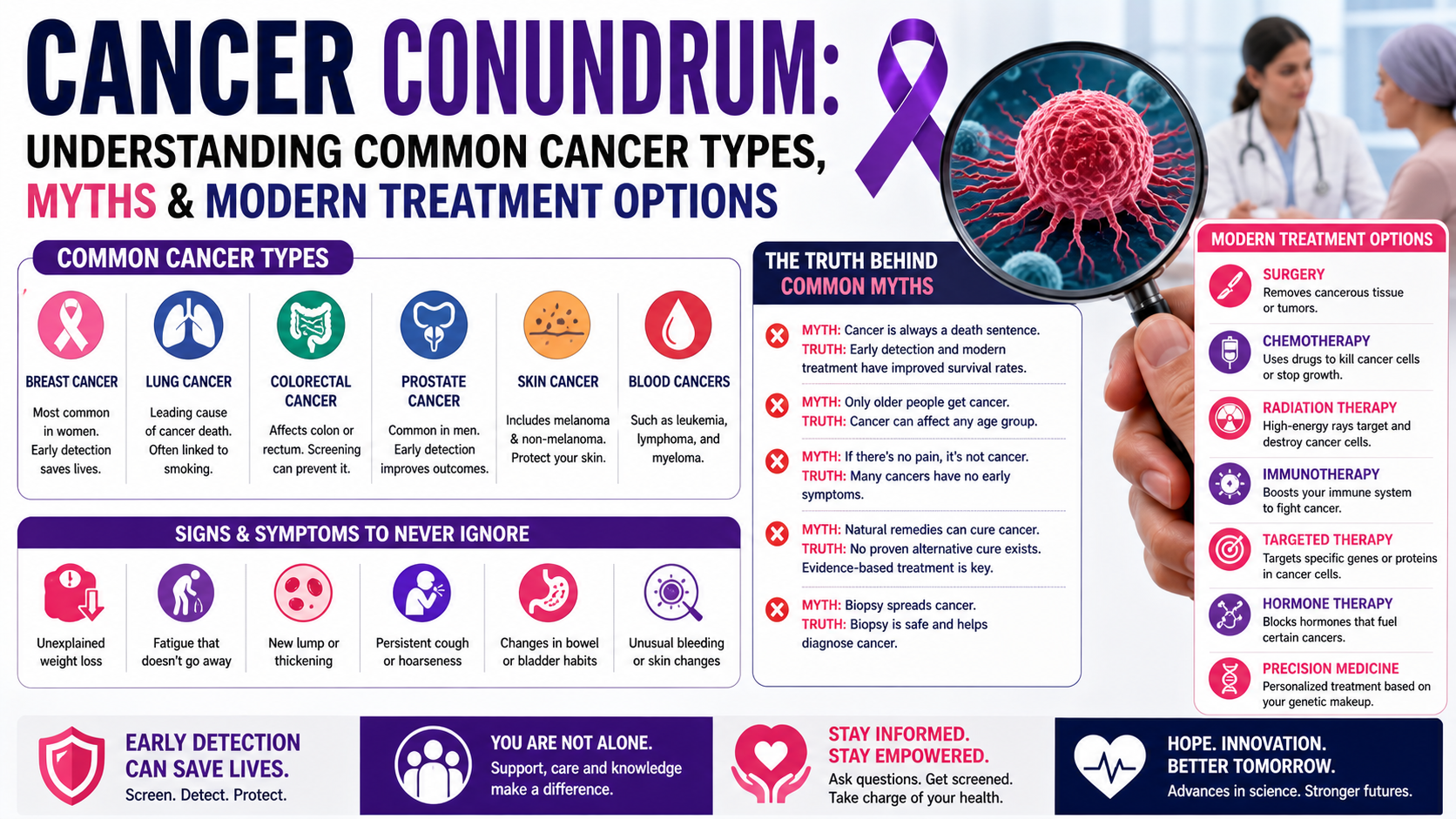
Cancer may be one of the most researched medical conditions in the world, yet it remains wrapped in myths, half-truths, and outdated beliefs. These misconceptions don’t just cause confusion—they actively harm people by delaying diagnosis, discouraging treatment, and creating unnecessary fear. One of the biggest misunderstandings is the belief that cancer always results from lifestyle choices alone. While smoking, poor diet, and long-term exposure to harmful substances certainly raise risk, they’re not the whole story. Genetics, random mutations, and environmental factors play enormous roles. In fact, many people who develop cancer have no major lifestyle risk factors at all, proving that cancer isn’t simply a matter of personal responsibility.
Another persistent myth is the assumption that “cancer is always fatal.” This belief is not only untrue but dangerously outdated. Thanks to major advancements in screening, imaging, and treatment, many cancers have high survival rates when detected early. Breast cancer, prostate cancer, and skin cancers, for example, often respond extremely well to modern therapies. Even more aggressive cancers, such as certain types of leukemia or lung cancer, now have targeted treatments that were unimaginable just a decade ago. The problem is that fear often keeps people from seeking help early, and late detection is what makes cancer deadly—not the disease itself in every case.
There’s also a widespread misconception that cancer is contagious or spreads through physical contact. This is completely false. Cancer cells cannot survive or replicate inside another person’s body. Yet, people battling cancer sometimes experience social isolation or awkwardness from others who simply don’t understand the disease. Another harmful myth suggests that biopsies or surgeries can cause cancer to “spread.” In reality, these interventions are critical for diagnosis and survival.
Finally, many believe that cancer always comes with severe pain or obvious symptoms. But many cancers grow silently for years. That’s why screenings—mammograms, colonoscopies, Pap smears, skin checks—are so crucial. They catch problems before symptoms ever appear. Understanding and debunking these myths isn’t just about spreading knowledge—it’s about empowering people to take control of their health, reduce fear, and approach cancer with clarity instead of confusion.
Major Cancer Types You Should Know About
Cancer is not a single disease—it’s an umbrella term covering more than 200 distinct conditions, each with its own causes, behaviors, and treatment responses. Understanding the major cancer types helps reduce fear and encourages timely screenings. Breast, lung, prostate, colorectal, and skin cancers are among the most common worldwide. Each of these cancers carries unique risk factors and symptoms, but they also have one thing in common: early detection dramatically improves outcomes. Many people assume cancer always comes with obvious signs, but that’s rarely true. In fact, several common cancers quietly develop for months or even years before showing noticeable symptoms. This makes awareness crucial. Breast cancer often begins with subtle breast tissue changes, while lung cancer may develop silently until coughing or breathlessness becomes persistent. Prostate cancer, one of the most common cancers in men, grows so slowly that many men don’t realize anything is wrong until routine screenings catch it. Meanwhile, colorectal cancer—the “silent killer”—often hides until blood appears in stool or digestive habits change. And skin cancer, though highly preventable, often goes unnoticed because people underestimate the danger of long-term sun damage. Recognizing the symptoms, risk factors, and unique features of each cancer type empowers individuals to take proactive steps. Whether it’s scheduling routine screenings, monitoring bodily changes, or reducing exposure to certain lifestyle risks, awareness is the first and most powerful tool in cancer prevention.
Breast Cancer: More Than Just a Lump
Breast cancer is often reduced to the idea of “finding a lump,” but that’s only one piece of a much bigger picture. While lumps are a common sign, breast cancer can manifest through skin texture changes, nipple discharge, swelling, or even pain—symptoms many people overlook. Some assume breast cancer only affects women over 50, but younger women and even men can develop it. Where things get complicated is in how breast cancer behaves. Some types grow aggressively, while others progress slowly. Hormone-receptor-positive breast cancers, for example, respond well to treatments that block estrogen or progesterone. Triple-negative breast cancer, on the other hand, is harder to treat because it lacks hormonal targets. Modern treatments include surgery, radiation, chemotherapy, hormonal therapy, targeted therapy, and immunotherapy. The variety of treatments shows just how misunderstood breast cancer is—it’s not a one-size-fits-all disease. Risk factors include family history, BRCA1/BRCA2 gene mutations, obesity, alcohol use, and prolonged hormone exposure. But many diagnosed individuals have no identifiable risk factor at all. This is why mammograms and routine self-checks are essential. By catching breast cancer early, survival rates can exceed 90%. The biggest misconception is that breast cancer always presents with pain or dramatic symptoms. Often, it’s silent—and that’s exactly why education and screening save lives.
Lung Cancer: Misunderstood Beyond Smoking
Lung cancer is one of the most stigmatized cancers. People often assume it only affects smokers, leading to unfair judgment and delayed diagnoses. Yes, smoking is a major cause, but up to 20% of lung cancer cases occur in individuals who have never smoked a day in their lives. Factors like genetics, secondhand smoke, radon exposure, pollution, and workplace toxins contribute significantly. Many non-smokers diagnosed with lung cancer express frustration that their symptoms were initially dismissed simply because they didn’t fit the stereotypical profile. Early symptoms—persistent coughing, chest pain, wheezing, or unexplained weight loss—are often mistaken for common respiratory infections or allergies. Because of this, lung cancer frequently goes undetected until advanced stages. Fortunately, treatment has evolved. Aside from surgery, radiation, and chemotherapy, targeted therapies are now available for cancers with specific genetic mutations like EGFR, ALK, and ROS1. Immunotherapy has also revolutionized treatment by helping the body’s immune system recognize and attack cancer cells. The belief that lung cancer equates to a poor prognosis is outdated. When caught early, survival rates have improved significantly. The stigma around lung cancer remains one of the biggest barriers to early detection—a problem that education and empathy can help dismantle.
Prostate Cancer: Slow-Growing but Serious
Prostate cancer is one of the most commonly diagnosed cancers among men, yet it’s also one of the most misunderstood. Many men assume that urinary symptoms—difficulty urinating, weak flow, or frequent nighttime trips to the bathroom—are simply signs of aging. While benign prostate enlargement is common, these symptoms can also indicate cancer. Prostate cancer often grows slowly, sometimes over decades, which leads some to dismiss its seriousness. However, slow-growing doesn’t mean harmless.
In certain cases, prostate cancer becomes aggressive and spreads quickly, making early screening vital. Misunderstandings about screening contribute to late diagnoses. Some men avoid PSA (Prostate-Specific Antigen) blood tests because they fear false positives, unnecessary biopsies, or the idea of surgery. Yet modern medical guidelines have refined screening approaches, making them more accurate and less invasive.
Treatment options include active surveillance, radiation therapy, hormone therapy, targeted therapy, and surgery. The good news? When detected early, prostate cancer has one of the highest survival rates. The misconception that men should avoid discussing prostate issues leads to silence—and silence can be dangerous. Open conversations and regular checkups save lives.
Colorectal Cancer: The Silent Killer
Colorectal cancer often earns the nickname “silent killer” because it usually develops with little to no symptoms. Many people assume colorectal cancer only affects older adults, but cases among individuals under 40 are rising. This shift highlights the importance of understanding risk factors beyond age. Diets high in processed meats, low fiber intake, chronic inflammation, obesity, and genetic conditions all contribute to risk. However, even people with healthy lifestyles can develop colorectal cancer.
Early warning signs—blood in stool, persistent abdominal discomfort, unexplained fatigue, or sudden changes in bowel habits—are often dismissed as minor digestive issues. That’s why colonoscopies and stool tests are essential screening tools. Detecting and removing polyps before they turn cancerous can prevent colorectal cancer entirely. Treatments include surgery, radiation, chemotherapy, and targeted therapies. Misconceptions about screening discomfort or embarrassment cause many to delay testing, which can cost lives. Awareness, early detection, and lifestyle changes are powerful tools in reducing risk.
Skin Cancer: The Most Preventable Cancer?
Skin cancer is the most common cancer worldwide—and arguably the most preventable. Most cases result from long-term sun exposure or tanning beds, yet people underestimate how much UV damage accumulates over time. There are three primary types: basal cell carcinoma, squamous cell carcinoma, and melanoma. While basal and squamous cell cancers grow slowly and are usually treatable, melanoma can spread rapidly and become life-threatening. Many believe skin cancer affects only light-skinned individuals,
but anyone—regardless of complexion—can develop it. Warning signs include unusual moles, changes in skin texture, or sores that don’t heal. Early diagnosis through dermatological exams makes a significant difference. Sunscreen, protective clothing, and avoiding tanning beds dramatically reduce risk. But the biggest misunderstanding is assuming sunburns or tanning are harmless. UV exposure is cumulative, making even childhood burns dangerous decades later.
Genetic vs. Environmental Factors
People often wonder: “Is cancer hereditary?” While genes play a role, only 5–10% of cancers come from inherited genetic mutations. The rest develop from a mix of environmental exposures, lifestyle choices, and random cellular errors that occur as we age. BRCA1 and BRCA2 mutations, for example, significantly increase the risk of breast and ovarian cancers, but their presence doesn’t guarantee cancer. Likewise, many who develop cancer have no family history. Understanding the balance between genetic predisposition and environmental influence helps reduce guilt, fear, and stigma. It also encourages proactive testing for those at high risk.
Modern Treatment Options and Breakthroughs
Cancer treatments have advanced dramatically. Chemotherapy and radiation therapy remain essential, but they’re now more precise and less damaging. Immunotherapy helps the immune system target cancer cells. Targeted therapy uses specific genetic markers to attack cancer at its root. Precision medicine tailors treatment to the individual’s DNA—creating personalized plans that improve outcomes. These breakthroughs have transformed once-fatal cancers into manageable or curable conditions.
Alternative & Complementary Treatments: Helpful or Harmful?
Many turn to natural remedies during cancer treatment. While some complementary therapies—like meditation, acupuncture, or nutrition support—can improve quality of life, others claim cures without scientific evidence. Dangerous misinformation leads some patients to delay proven treatments. Complementary methods should support—not replace—medical care. Evidence-based guidance from healthcare professionals is essential when combining alternative therapies with conventional treatment.
Early Detection: Why It Saves Lives
The key to surviving most cancers is early detection. Screenings such as mammograms, colonoscopies, Pap smears, prostate tests, and skin exams catch cancer before symptoms appear. When detected early, treatment is more effective, less invasive, and less expensive. Regular checkups, awareness of bodily changes, and genetic testing for high-risk individuals can save countless lives.
Living With Cancer: A Human Journey
Cancer affects more than just the body. It impacts emotional well-being, relationships, finances, and daily routines. Patients often experience fear, anxiety, and isolation. Support systems—family, friends, counselors, support groups—play a crucial role. Many discover new strength, resilience, and clarity during their cancer journey. Understanding the human side of cancer creates empathy and empowers patients to navigate treatment with hope.
Are Common Cancers Really Misunderstood?
Absolutely. Misconceptions create unnecessary fear, delays in diagnosis, and stigma. The truth is that many cancers are preventable, treatable, and even curable when detected early. Society often oversimplifies cancer, ignoring its complexity and individuality. By correcting misunderstandings, promoting screenings, and encouraging open dialogue, we can transform the way people view cancer—from fear to informed action.
Conclusion
Cancer remains one of the most complex and emotionally charged health challenges of our time, but understanding it is the first step toward empowerment. Knowledge replaces fear, early detection saves lives, and modern treatments offer hope like never before. By breaking myths, encouraging screenings, and embracing scientific advancements, we reshape the narrative surrounding cancer. Awareness isn’t just power—it’s prevention, early action, and ultimately, survival.
FAQs
1. Is cancer always genetic?
No. Only a small percentage is inherited; most cases result from environmental factors, lifestyle, or random mutations.
2. Can cancer be cured?
Many cancers are curable when detected early. Advances in treatment continue to improve survival rates.
3. Are all tumors cancerous?
No. Some tumors are benign and do not spread.
4. Does diet affect cancer risk?
Yes. Diets high in processed foods, red meats, and low in fiber can increase risk.
5. Is cancer contagious?
No. Cancer cannot spread from person to person.
High-Protein Diet for Women: Boost Your Body Toning Goals…….
Check this website for a healthy parrot…..