Table of Contents
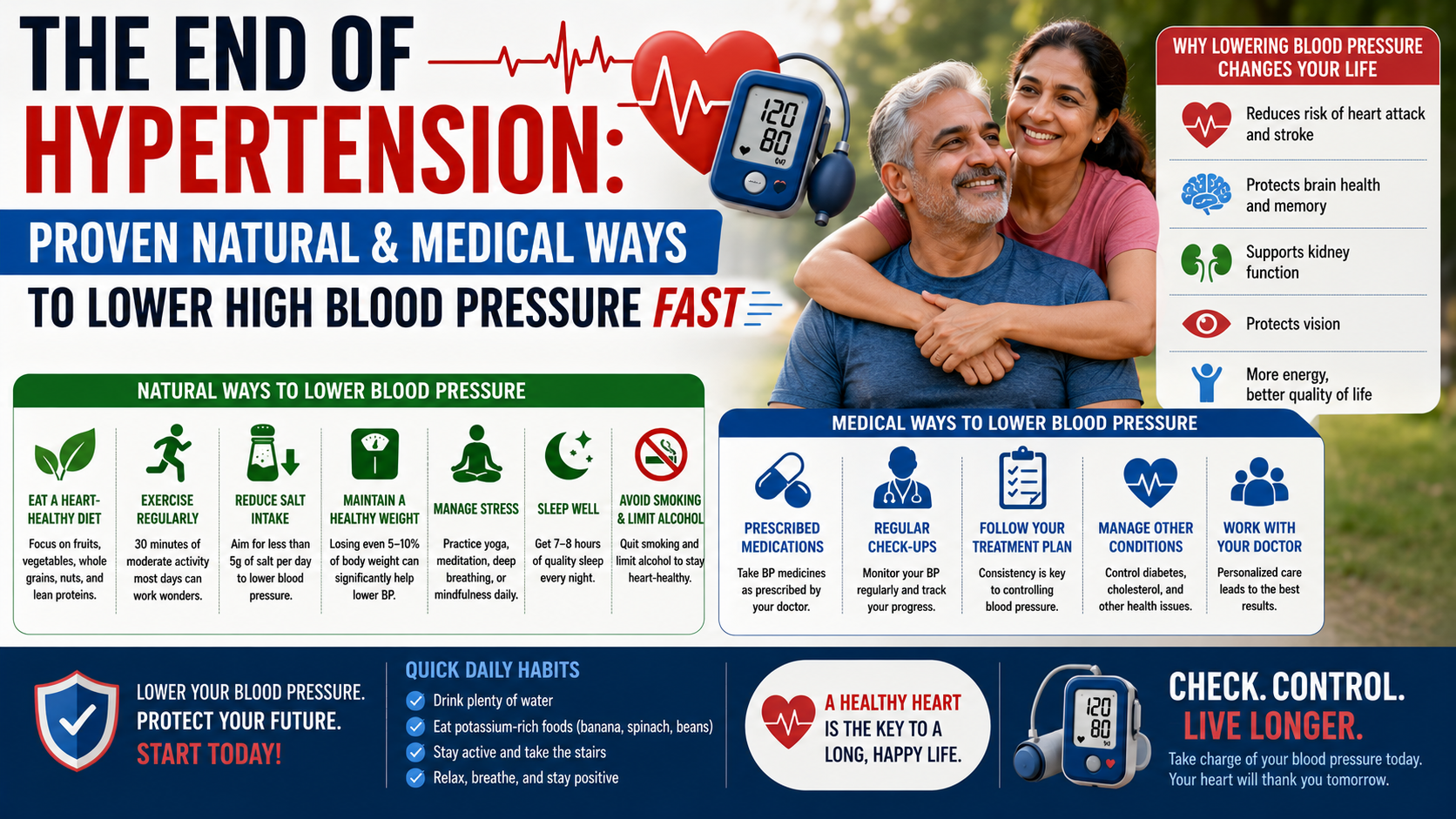
ToggleThe End of Hypertension: Proven Natural & Medical Ways to Lower High Blood Pressure Fast
Introduction
High blood pressure—often called hypertension—quietly affects more than a billion people worldwide, yet most don’t even know they have it until it’s already done some damage. That’s why doctors call it the “silent killer.” It sneaks up without dramatic symptoms, and before you know it, it’s affecting your heart, brain, kidneys, and even your vision. But here’s the good news: despite how scary hypertension sounds, it’s also one of the most preventable and most treatable conditions on the planet. And yes, for many people, it can genuinely be reversed.
When we talk about “the end of hypertension,” we’re not talking about a magic pill or one overnight fix. Instead, we’re talking about a strategic, step-by-step approach that targets the root causes—diet, lifestyle, stress, sleep, and long-term habits. Think of your blood pressure like a pressure system in your home’s plumbing. If the pipes tighten or the flow increases, pressure rises. But if you adjust the environment around those pipes—clean them, open them, reduce blockages—the pressure naturally normalizes. Hypertension works the same way.
What most people don’t realize is that high blood pressure isn’t just a condition; it’s a signal. It’s your body’s way of saying something needs attention—whether that’s stress overload, excess sodium, inflammation, weight gain, or even hormonal imbalance. Once those underlying issues are fixed, blood pressure often drops on its own.
This article will guide you through everything from how hypertension works to what causes it, the most dangerous complications, natural remedies, medical treatments, foods to eat, foods to avoid, and the lifestyle habits that can permanently reverse it. By the end, you’ll understand that lowering blood pressure isn’t just possible—it’s achievable, sustainable, and deeply connected to everyday habits.
So if you’re ready for a future where hypertension is no longer controlling your life—where your heart beats steady, your mind feels clearer, and your body finally operates the way it should—let’s begin this journey toward ending high blood pressure for good.
Understanding the Real Meaning of Hypertension
To truly end hypertension, you first need to understand what’s actually happening inside your body when your blood pressure rises. Most people think high blood pressure is simply “too much blood” or “too much pressure,” but the truth is far more interesting—and far more fixable. Think of your bloodstream as a river and your arteries as the riverbanks. When the riverbanks become narrow, stiff, or clogged, the water has no choice but to push harder to get through. That “push” is what we measure as blood pressure. So hypertension doesn’t just appear randomly; it’s your body reacting to something deeper.
Inside your arteries are smooth, flexible walls designed to expand and contract as blood flows through. But when factors like stress hormones, chronic inflammation, poor diet, high sodium, or plaque buildup come into play, those walls stiffen. Imagine trying to force water through a rigid straw instead of a soft one—the pressure must rise. Hypertension is simply the body’s way of maintaining circulation, even when the pathway is compromised. The body isn’t trying to harm you. It’s trying to adapt. The problem starts when that adaptation becomes chronic.
Another misunderstood part is the role of your kidneys. Many don’t realize that kidneys regulate fluid balance and blood pressure more than almost any other organ. When your kidneys sense too much fluid or sodium, they send signals to constrict blood vessels. If they sense low blood flow, they release hormones that raise the pressure. It’s a beautifully orchestrated system—unless something throws it off. And in today’s world, a lot of things do: low-quality processed foods, high stress levels, lack of movement, poor sleep, dehydration, and hidden hormonal imbalances.
Then there’s the brain’s involvement. Your nervous system communicates directly with your blood vessels. When you’re stressed, anxious, or overwhelmed, your brain sends “emergency mode” signals that tighten blood vessels. If this happens occasionally, it’s fine. But if it happens for years, hypertension becomes permanent.
The real meaning of hypertension is this: it’s not a disease by itself—it’s a message. And when you learn to decode that message, you gain the power to end it.
Myths vs. Facts About High Blood Pressure
There are countless myths surrounding hypertension—so many, in fact, that millions of people misunderstand the condition entirely. And misunderstanding leads to delayed action, fear, wrong treatments, and lifestyle mistakes that keep blood pressure high even when people believe they’re doing the right things. Clearing up these myths is one of the most powerful steps toward finally ending hypertension for good.
One of the biggest myths is that hypertension only affects older adults. While it’s true that blood pressure tends to rise with age, today millions of people in their 20s, 30s, and 40s are diagnosed with high blood pressure. Why? Because modern lifestyle habits—poor sleep, chronic stress, processed foods, and sedentary routines—are now common at younger ages than ever before. Hypertension doesn’t ask for your birthday; it responds to your habits. And once it rises, age stops mattering.
Another myth is that if you feel “fine,” your blood pressure must be normal. This is an especially dangerous belief. High blood pressure rarely causes pain or dramatic symptoms. You can walk, work, joke with friends, and go through life normally while your arteries silently stiffen and your heart slowly struggles. Many people discover they have hypertension only during a routine checkup or after a major event, like a stroke or heart attack. Feeling normal does not mean your blood pressure is normal—this myth has cost many people their lives.
A third common myth is that medication alone can fix blood pressure permanently. Medication helps, and for many people it’s necessary. But relying only on pills without lifestyle changes is like using a bucket to constantly remove water from a leaking roof. You’re treating the symptoms, not the cause. True, lasting improvement happens when you combine medication (if needed) with consistent habits like better eating, daily movement, stress reduction, and enough sleep.
Some also believe hypertension is purely genetic, as if having a family history makes high blood pressure unavoidable. Genetics do influence risk, but they are not destiny. Epigenetics—the science of how lifestyle affects gene expression—shows that healthy habits can “turn off” many genetic tendencies. Your DNA loads the gun, but your lifestyle pulls the trigger.
Finally, many people think lowering blood pressure requires drastic sacrifices. But most successful long-term improvements come from small, consistent adjustments: reducing sodium, drinking more water, adding fruits and vegetables, walking 20–30 minutes daily, sleeping better, and managing stress. These simple actions create big results.
Understanding what’s true and what isn’t empowers you to take control of your health. Ending hypertension starts with knowledge—and you’re already halfway there.
Types of Hypertension
Understanding the different types of hypertension is essential because the approach to managing—and potentially reversing—it depends heavily on which type you’re dealing with. Many people assume high blood pressure is the same for everyone, but in reality, there are two major categories, each with its own causes, patterns, and treatment strategies. Knowing the difference helps you identify what triggered your blood pressure rise in the first place and what solutions will work best for you.
The most common type is Primary Hypertension, also known as essential hypertension. This type develops gradually over many years and is often linked to lifestyle, aging, genetics, and long-term habits. It doesn’t have one single cause; instead, it’s influenced by a combination of subtle factors that slowly increase pressure in your arteries. Think of it like rust building in pipes—nothing dramatic happens in one day, but over time the buildup affects the entire system. Lifestyle choices like eating processed foods, consuming too much sodium, being physically inactive, chronic stress, and poor sleep all contribute. Even though genetics can raise your risk, primary hypertension is incredibly responsive to lifestyle changes. That means many people can significantly reduce or even completely normalize their blood pressure by adjusting their habits.
The second type is Secondary Hypertension, which happens when high blood pressure is caused by another underlying condition. This type appears more suddenly and tends to be more severe. Conditions like kidney disease, thyroid problems, adrenal disorders, sleep apnea, or even certain medications can trigger secondary hypertension. In this case, lowering blood pressure isn’t just about diet and exercise—it requires identifying and treating the root medical issue. For example, if sleep apnea is the cause, using a CPAP machine often leads to dramatic improvements. If a hormonal imbalance is responsible, correcting that imbalance can lower blood pressure almost immediately.
There’s also a lesser-known pattern called White Coat Hypertension, where blood pressure spikes only in a doctor’s office due to anxiety. This doesn’t mean you’re safe—people with this condition often develop real hypertension later, so monitoring your blood pressure at home is crucial.
Understanding which type you have shapes everything: your diet, your exercise plan, your stress-reduction strategies, and whether medication is necessary. When you know the source of the problem, you’re finally in a position to end it.
Primary Hypertension
Primary hypertension is the most widespread form of high blood pressure, accounting for nearly 90–95% of all cases. What makes it unique is that it doesn’t stem from a single, identifiable medical condition. Instead, it develops gradually over time due to a mix of lifestyle patterns, environmental influences, and genetic tendencies. It’s like a long, slow burn—nothing extreme happens in one moment, but years of small pressures accumulate until the body finally reaches a tipping point. The good news? Because this type of hypertension is driven so heavily by daily habits, it is also the most reversible.
Imagine your arteries as flexible hoses that expand and contract as blood flows through them. Over time, factors like too much sodium, too little potassium, chronic stress, lack of exercise, and diet choices can cause those hoses to lose their flexibility. Small deposits of plaque gradually build up. Inflammation becomes more common. Stress hormones cause the vessels to tighten. All of these micro-changes work together, slowly raising the pressure in the system. Many people don’t even notice the shift because it happens silently, without obvious symptoms. One day, during a routine checkup, the nurse says your blood pressure is high—and that’s often the first warning.
Genetics are often blamed, but they’re just part of the story. Yes, some people inherit a tendency toward salt sensitivity, vessel stiffness, or hormone imbalances. But genetics are like a blueprint—they influence the structure, not the outcome. Lifestyle is what shapes that blueprint into reality. Two people with the same genes can have completely different blood pressure readings depending on their habits. That’s why primary hypertension responds so well to changes in diet, exercise, and stress management. In many cases, people who commit to long-term lifestyle improvement see dramatic drops in blood pressure, sometimes enough to avoid medication entirely.
Primary hypertension also has a strong relationship with modern living. High-stress jobs, fast food, lack of sleep, long hours sitting, and constant exposure to screens all contribute. Most of these didn’t exist 50–100 years ago, and neither did the level of hypertension we see today. This makes primary hypertension less of a “disease” and more of a lifestyle imbalance.
The first step toward ending primary hypertension is awareness. Once you recognize that your daily habits are quietly influencing your blood pressure, you gain control. And with consistent, intentional changes, primary hypertension doesn’t just improve—it can often disappear.
Secondary Hypertension
Secondary hypertension is a different kind of threat—more sudden, more intense, and often more dangerous if not discovered early. Unlike primary hypertension, which develops slowly and quietly over many years, secondary hypertension appears when another medical condition disrupts the natural balance of your blood pressure system. In this type, the high blood pressure is a symptom, not the root problem. And because it’s driven by an underlying issue, treating that issue often leads to dramatic improvements, and in some cases, a complete cure.
One of the most common causes is kidney disease, because your kidneys act as the master regulators of fluid and sodium balance in the body. When the kidneys are damaged—whether from infection, reduced blood flow, or chronic inflammation—they lose the ability to filter fluids properly. This forces the body to retain water and salt, raising blood volume and tightening blood vessels. For many people, correcting the kidney issue immediately lowers blood pressure.
Another major cause is hormonal disorders. Conditions like hyperthyroidism, hypothyroidism, Cushing’s syndrome, adrenal tumors, and elevated aldosterone levels can all spike blood pressure because hormones directly control vessel constriction, fluid balance, and heart rate. When the hormonal “thermostat” is broken, blood pressure rises rapidly. Treating the hormonal imbalance—through surgery, medication, or lifestyle adjustments—often normalizes pressure almost overnight.
Obstructive sleep apnea is another culprit. When you stop breathing repeatedly during the night, your oxygen levels crash. The brain responds by pumping stress hormones like adrenaline to “wake up” the system. Over time, this constant stress weakens blood vessels and raises blood pressure significantly. Many people see their numbers drop dramatically within weeks of using a CPAP machine or losing weight.
Certain medications—like birth control pills, NSAIDs, steroids, decongestants, and some antidepressants—can also trigger secondary hypertension. In these cases, simply switching medications can resolve the issue.
Unlike primary hypertension, secondary hypertension often comes with red flags: extremely high readings, sudden spikes, symptoms like headaches or palpitations, or blood pressure that doesn’t respond to normal treatment. If your hypertension appeared suddenly, feels severe, or seems resistant to lifestyle changes, it’s worth checking for secondary causes.
The advantage of identifying secondary hypertension is simple: once the cause is treated, blood pressure often falls quickly and permanently. It’s one of the clearest paths to ending hypertension for good.
Symptoms of Hypertension (Often Overlooked)
Hypertension is famously called the “silent killer,” and for good reason. Most people walk around with dangerously high blood pressure for years without noticing a single sign. But that doesn’t mean the body isn’t giving hints—it just means the signs are subtle, easy to ignore, or blamed on other problems like stress, long work hours, or dehydration.
One of the most overlooked symptoms is persistent headaches, especially in the back of the head or upon waking up. These aren’t the typical tension headaches but a heavy, throbbing pressure caused by elevated force inside the blood vessels. Many people ignore them until the headaches become frequent.
Another quiet symptom is shortness of breath, not only during exercise but even while talking or climbing a simple staircase. High blood pressure makes the heart work harder, and over time, the heart struggles to pump efficiently. This leads to breathlessness, palpitations, and occasional chest discomfort.
Some people experience dizziness or lightheadedness, which happens when blood pressure spikes or drops too quickly. These episodes feel brief and harmless, so people often write them off as fatigue or hunger.
Blurred vision or temporary vision disturbances are also common signs. The tiny blood vessels in the eyes are extremely sensitive, and even modest increases in pressure can affect them. If someone suddenly experiences floaters, flashing lights, or blurry patches, high blood pressure may be involved.
During extreme spikes—called hypertensive crises—symptoms become more severe: pounding chest, nosebleeds, severe headaches, anxiety, nausea, and difficulty speaking. These are medical emergencies.
However, the majority of people feel no symptoms at all. That’s what makes hypertension so dangerous. It quietly damages organs like the heart, brain, kidneys, and eyes without sending any clear warning signals. The only reliable way to know your blood pressure is to measure it regularly, especially at home.
Understanding these subtle signs empowers you to catch hypertension earlier—before it leads to irreversible complications. Early detection is one of the strongest weapons in ending high blood pressure permanently.
Why Hypertension Happens: Root Causes
Hypertension isn’t random; it is the result of multiple internal and external factors that slowly push the cardiovascular system out of balance. To truly end high blood pressure, you must understand what fuels it. Once you uncover the root causes, the path to reversing it becomes clearer—and much more achievable.
One major factor is genetics, which influences how your body handles sodium, how stiff your vessels are, how active your hormones are, and how efficiently your kidneys function. If your parents or grandparents had hypertension, your risk increases. But genetics only set the stage; they do not dictate the final outcome. Countless people with a strong family history keep their blood pressure perfectly normal through healthy habits.
Lifestyle choices are one of the most powerful causes. Diets high in processed foods, sodium, sugar, and unhealthy fats create chronic inflammation, cause weight gain, and stiffen blood vessels. A lack of physical activity weakens the heart and slows circulation, forcing the body to increase pressure. Stress triggers constant releases of adrenaline and cortisol, tightening arteries and raising the pulse. Poor sleep disrupts hormone balance, increases inflammation, and raises blood pressure overnight.
Obesity is another major factor. Excess body fat—especially around the abdomen—produces inflammatory chemicals and hormones that force blood vessels to constrict. It also pushes the body to retain more fluid, increasing blood volume and pressure.
Kidney problems are one of the most overlooked causes. When kidneys struggle, the body retains sodium and water, leading to hypertension. Even mild kidney dysfunction can raise pressure significantly.
Environmental factors like pollution, smoking, alcohol consumption, dehydration, and chronic exposure to stress also play a significant role.
In short, hypertension is a combination of biology, environment, behavior, and long-term habits. The moment you identify which factors affect you most, you gain the power to reverse them—and end hypertension naturally.
The Hidden Dangers of High Blood Pressure
High blood pressure doesn’t just raise numbers on a machine—it slowly harms every major organ in the body. Most people don’t feel pain or discomfort until serious damage is already underway. That’s why hypertension is one of the leading causes of death worldwide, contributing to heart attacks, kidney failure, strokes, blindness, and more.
The heart suffers first. Constant high pressure forces the heart to pump harder, thickening the heart muscle and weakening it over time. Eventually, the heart cannot keep up, leading to heart failure. The risk of heart attack skyrockets because high pressure damages the arteries, creating cracks where plaque builds up.
The brain is another major victim. High blood pressure can rupture blood vessels, causing strokes. Even before a stroke occurs, hypertension reduces blood flow to the brain, increasing the risk of memory loss, cognitive decline, and dementia.
The kidneys are especially vulnerable. They rely on delicate blood vessels to filter waste. When hypertension damages these vessels, kidney function decreases. Without treatment, this can lead to kidney disease or even complete kidney failure requiring dialysis.
The eyes contain some of the smallest, most sensitive blood vessels in the body. High pressure damages them, causing blurred vision, bleeding, or permanent vision loss.
Finally, hypertension weakens the blood vessels themselves, making them stiff and narrow. This dramatically increases the risk of aneurysms—dangerous bulges that can rupture.
Hypertension may be silent, but its consequences are devastating. The earlier you take action, the more damage you can prevent—and the easier it is to restore your health.
How Hypertension Is Diagnosed
Diagnosing hypertension is more than just checking your blood pressure once or twice. Many people think that a single high reading automatically means they have hypertension, but blood pressure naturally fluctuates throughout the day based on movement, stress, meals, sleep, temperature, and even emotions. That’s why proper diagnosis requires a combination of repeated measurements, accurate tools, and a full understanding of your daily patterns. When done correctly, diagnosing hypertension becomes a clear window into your cardiovascular health—and a powerful first step toward ending the problem permanently.
The traditional approach uses a blood pressure cuff at a clinic or hospital. The doctor or nurse will measure two numbers: systolic (pressure when the heart beats) and diastolic (pressure when the heart rests). While this method is widely used, it has limitations. For example, many people experience “white coat hypertension,” where anxiety in medical settings causes their pressure to spike. This leads to readings that don’t reflect their true daily blood pressure. To avoid misdiagnosis, doctors usually take two or three readings during the visit and may ask you to return for repeat checks.
Because of these variations, home monitoring has become one of the most reliable methods. Using a high-quality digital cuff, you can measure your blood pressure at the same time each day—usually in the morning and evening. Home readings tend to be more accurate because they reflect your normal environment. Doctors often rely on these readings more than in-clinic numbers to confirm a diagnosis. It’s recommended to measure your blood pressure for at least 7 consecutive days before making conclusions.
For an even deeper understanding, doctors may use ambulatory blood pressure monitoring (ABPM). This device automatically takes your blood pressure every 15–30 minutes for a full 24 hours while you go about your daily routine. This method captures hidden patterns such as nighttime spikes, early morning surges, or stress-related fluctuations. ABPM is considered the gold standard for diagnosing hypertension because it provides a full picture of how your blood pressure behaves around the clock.
Your doctor may also run additional tests to identify underlying causes or complications. Blood tests can reveal kidney function, sodium and potassium levels, cholesterol levels, and hormone activity. An electrocardiogram (ECG) checks for heart strain, while ultrasounds or CT scans may evaluate kidney structure. These tests help distinguish between primary and secondary hypertension.
When you understand how your blood pressure is measured—and why accuracy matters—you’re better equipped to take control of your health. Diagnosis isn’t just about numbers; it’s about understanding the story your cardiovascular system is trying to tell.
Natural Ways to End Hypertension
Natural methods for lowering blood pressure are not only effective—they’re often more powerful in the long run than medication alone. While medication helps control blood pressure, natural strategies aim to fix the underlying causes. The goal isn’t just to “lower the number” but to improve your body’s overall function so hypertension loses its grip entirely.
One of the most important natural tools is nutrition. Eating whole, nutrient-dense foods dramatically reduces inflammation, improves artery flexibility, and balances sodium and potassium levels in the body. Foods rich in potassium—like bananas, avocados, sweet potatoes, and leafy greens—help remove excess sodium, relaxing blood vessels and lowering pressure. Magnesium-rich foods such as nuts, seeds, beans, and whole grains also calm the system and support heart function.
Another essential natural method is physical activity. You don’t need extreme workouts to see results. Simple routines like daily walking, light jogging, swimming, or cycling increase blood flow, strengthen the heart, and reduce pressure inside the arteries. Even 20–30 minutes per day can lower systolic pressure by 5–8 points, sometimes more. Strength training also contributes by reducing fat mass and improving insulin sensitivity.
Stress management is perhaps the most underestimated natural remedy. When stress hormones like cortisol and adrenaline remain high, your blood vessels tighten, your pulse increases, and your blood pressure climbs. Techniques like meditation, slow breathing, yoga, nature walks, or simply unplugging from technology for short periods can significantly reduce stress-related spikes. Even small habits—like taking a few deep breaths before stressful moments—help lower blood pressure.
Sleep quality is another major factor. Poor sleep raises inflammation, increases stress hormones, and disrupts the body’s ability to regulate pressure. Aim for 7–8 hours of deep, consistent sleep each night. Establishing a relaxing bedtime routine, reducing screen time before bed, and maintaining a cool, dark room can make a huge difference.
Hydration plays a crucial role. Dehydration signals the body to constrict blood vessels, raising pressure. Drinking enough water keeps the cardiovascular system running smoothly.
Finally, reducing harmful habits—like smoking, alcohol, and excessive caffeine—brings immediate improvements.
Together, these natural strategies not only lower blood pressure but repair the internal environment that caused hypertension in the first place, paving the way for long-term reversal.
The Best Foods to Lower Blood Pressure
Food is medicine, and when it comes to hypertension, the right foods can work wonders. Certain nutrient-rich foods naturally relax blood vessels, reduce inflammation, improve circulation, and balance electrolytes—leading to a natural drop in blood pressure without harsh side effects. If you’re trying to end hypertension, your plate is one of your most powerful tools.
Fruits such as bananas, oranges, berries, kiwis, and pomegranates are rich in potassium, antioxidants, and polyphenols. These nutrients help remove excess sodium, strengthen blood vessels, and improve arterial flexibility. Berries, especially blueberries, contain anthocyanins that improve nitric oxide production, a crucial molecule that relaxes arteries.
Vegetables, especially leafy greens like spinach, kale, Swiss chard, and arugula, are packed with nitrates that naturally expand blood vessels. Root vegetables like beets are hypertension superfoods because they’re high in nitric oxide–boosting compounds. Eating beets or drinking beetroot juice can drop blood pressure within hours.
Healthy fats from avocados, olive oil, nuts, seeds, and fatty fish like salmon provide essential omega-3 fatty acids. These fats reduce inflammation, lower cholesterol, and prevent artery stiffening. Olive oil, especially extra virgin, contains polyphenols that actively reduce blood pressure.
Whole grains such as oats, quinoa, barley, and brown rice stabilize blood sugar, reduce insulin resistance, and support heart function. Oats are especially beneficial due to their high soluble fiber content, which improves cholesterol and arterial health.
Herbs and spices can also have powerful effects. Garlic contains allicin, which increases nitric oxide and relaxes vessels. Turmeric reduces inflammation. Cinnamon stabilizes blood sugar. Ginger improves circulation.
These foods not only lower blood pressure—they help rebuild your vascular system from the inside out. Over time, consistent intake of these natural ingredients creates a healthier, more resilient cardiovascular system, paving the way toward the end of hypertension.
What to Avoid If You Want to End Hypertension
Knowing what to eat is only half the battle—knowing what not to eat or do is just as important. Many habits and foods silently raise blood pressure day after day, and most people don’t realize how much damage they’re causing until their numbers are dangerously high. If your goal is to end hypertension permanently, eliminating these major offenders will make an enormous difference.
Salt is the biggest culprit. While the body needs sodium to function, modern diets contain far more than necessary. Processed foods, restaurant meals, canned soups, snacks, fast food, sauces, and deli meats are loaded with hidden salt. Excess sodium forces the body to hold onto water, increasing blood volume and pressure. Even cutting back by a small amount—just 1 teaspoon a day—can drop blood pressure significantly within days. You don’t need a salt-free life; you simply need a low-processed diet and mindful seasoning.
Sugar is another silent contributor. High sugar intake raises blood pressure in multiple ways: it increases insulin levels, causes weight gain, triggers inflammation, and makes blood vessels stiff and narrow. Sugary drinks, pastries, candy, white bread, and hidden sugars in packaged foods all raise pressure more than people expect. Reducing sugar intake is one of the fastest ways to improve your cardiovascular health.
Alcohol raises blood pressure both in the moment and over the long term. Many people believe wine or moderate drinking is harmless, but alcohol increases stress hormones, damages liver function, and dehydrates the body—all of which increase blood pressure. Occasional drinking is fine, but daily consumption—even a glass or two—can keep hypertension alive.
Processed foods are one of the biggest enemies of heart health. They contain dangerous combinations of sodium, sugar, unhealthy fats, and chemicals that increase inflammation and lead to artery stiffening. Foods like chips, processed meats, packaged snacks, frozen dinners, and sugary cereals are designed to be addictive—and harmful.
Finally, smoking, excess caffeine, and sedentary behavior contribute significantly to hypertension. Smoking damages blood vessels instantly. Too much caffeine triggers temporary spikes. Sitting for long periods stiffens arteries and slows circulation. Avoiding these habits gives your body the environment it needs to heal.
Removing these harmful triggers is like clearing debris from a clogged pipe—everything flows more smoothly, and the pressure naturally normalizes. When combined with healthy habits, avoiding these items becomes a powerful step toward ending hypertension permanently.
Medical Treatments for Hypertension
While lifestyle changes are incredibly effective, many people also need medical treatment—especially in moderate to severe cases. Medications lower blood pressure quickly, protecting vital organs while you work on long-term lifestyle improvements. Understanding how these treatments work can help you make informed decisions and avoid unnecessary fear.
One of the most commonly prescribed treatments is ACE inhibitors. These medications relax blood vessels by blocking a hormone that causes vessel tightening. This lowers pressure and makes the heart’s job easier. People often experience noticeable improvements within days or weeks.
ARBs (Angiotensin II Receptor Blockers) work similarly to ACE inhibitors but with fewer side effects for some people. They’re especially helpful for those who experience coughing with ACE inhibitors. ARBs relax blood vessels, improve circulation, and reduce strain on the heart.
Diuretics—also known as water pills—help the body get rid of excess salt and water. By reducing fluid buildup, they lower blood pressure and decrease volume in the bloodstream. They’re often combined with other medications for improved results.
Calcium channel blockers are another widely used option. They relax the muscles of the blood vessels and slow the heart rate, reducing pressure. These medications are especially helpful for older adults or those with isolated systolic hypertension.
Some patients need beta-blockers, which slow the heart rate and reduce its workload. They are especially useful for people with heart conditions like arrhythmias or previous heart attacks.
Many people require combination therapy, where two or more medications work together to control blood pressure more effectively than a single drug alone. This isn’t a sign of failure—it simply means your body responds better to multiple mechanisms.
Medication is not something to fear. It acts as a safety net while you make the lifestyle changes that will eventually allow you to lower dosages—or even come off medication entirely. The goal is long-term healing, not dependence.
Lifestyle Habits That Permanently Reverse Hypertension
Lifestyle is the most powerful medicine you have. While medications control blood pressure, lifestyle changes reverse the underlying causes. And the best part? You don’t need massive, overwhelming changes—consistency matters far more than perfection. Small daily habits accumulate into major long-term results.
One of the most powerful habits is daily movement. You don’t have to run marathons. Even 20–30 minutes of walking per day reduces inflammation, relaxes blood vessels, lowers stress hormones, and strengthens your heart. Consistency is more important than intensity.
Stress reduction is another life-changing habit. Chronic stress keeps your body in a fight-or-flight state, flooding your system with cortisol and adrenaline. These hormones tighten your arteries and raise your pressure. Meditation, slow breathing, stretching, journaling, prayer, nature walks, and even listening to calming music can dramatically reduce pressure.
Hydration is crucial. Dehydration makes blood thicker and forces vessels to constrict. Drinking enough water daily ensures smooth circulation and keeps your cardiovascular system functioning optimally.
Sleep quality is often overlooked but incredibly important. Poor sleep raises stress hormones and disrupts the body’s natural blood pressure rhythm. Establish a nighttime routine, avoid screens before bed, and maintain a cool, dark room.
Maintaining a healthy weight is another powerful factor. Even losing 5–10% of your body weight can dramatically lower blood pressure because it reduces inflammation, decreases fluid retention, and improves hormone balance.
These habits don’t just lower blood pressure—they rebuild the foundation of your health, giving your body exactly what it needs to restore balance and end hypertension for good.
The DASH Diet Explained
The DASH diet (Dietary Approaches to Stop Hypertension) is one of the most researched and effective dietary strategies for lowering blood pressure. Unlike fad diets, DASH focuses on real, whole foods and balanced nutrition rather than restriction. It naturally reduces sodium while increasing potassium, magnesium, and calcium—three essential minerals for heart health.
The DASH diet emphasizes fruits, vegetables, lean proteins, whole grains, low-fat dairy, nuts, and seeds. It limits red meat, sugar, saturated fats, and processed foods. What makes DASH so powerful is its nutrient balance. Potassium flushes out sodium. Magnesium relaxes blood vessels. Calcium supports healthy vessel contraction and relaxation.
Studies show the DASH diet can lower systolic blood pressure by 8–14 points in just a few weeks—results comparable to medication.
Implementing the DASH diet is simple: fill your plate with colors (fruits and veggies), choose whole grains over refined ones, opt for lean proteins, and replace salty snacks with nuts or seeds. Over time, your taste buds adjust, cravings change, and your blood pressure responds.
The DASH diet isn’t just a “diet”—it’s a lifestyle shift designed to support long-term cardiovascular health. It works for people of all ages and can be adapted to personal preferences, making it one of the easiest and most effective ways to end hypertension naturally.
Is It Possible to Reverse Hypertension Completely?
This is the question everyone asks—and the answer is yes, in many cases. Reversing hypertension depends on the type, severity, and underlying causes. Primary hypertension is often reversible through lifestyle changes. Secondary hypertension can be reversed by treating the root cause. Even long-term hypertension can improve when the right strategies are consistently applied.
Studies show that weight loss, reduced sodium intake, DASH diet guidelines, exercise, stress reduction, and improved sleep can lower blood pressure to normal levels—even after years of hypertension. Many people have successfully eliminated medication after adopting these habits under medical supervision.
Reversal is possible because hypertension is not a fixed condition—it is a response to internal imbalance. When that imbalance is corrected, the body returns to its natural state of equilibrium.
With commitment, consistency, and the right knowledge, ending hypertension is not just possible—it is achievable.
Prevention Strategies for Long-Term Health
Preventing hypertension is far easier than treating it, and even if you already have high blood pressure, adopting prevention-focused habits ensures that your numbers stay low permanently. Prevention isn’t about perfection—it’s about building everyday routines that naturally support a healthy cardiovascular system. Think of it like maintaining a car: when you regularly check the oil, keep the tires inflated, and give it proper fuel, it lasts longer and performs better. Your body works the same way.
One of the most important prevention strategies is regular monitoring. Many people wait until symptoms appear, but hypertension rarely shows early signs. Checking your blood pressure at home a few times a week helps you catch small increases before they become a problem. Early detection gives you time to adjust your habits—like reducing sodium or increasing activity—before hypertension becomes chronic.
Diet is a cornerstone of prevention. Focus on eating fresh, colorful foods loaded with potassium, fiber, and antioxidants. Limit fast food, packaged meals, and sugary drinks. Your blood vessels stay healthier, more flexible, and less inflamed when your diet supports your body’s natural balance. Think of every meal as taking one step closer to long-term health.
Exercise is another vital element. You don’t need extreme workouts; consistency matters more. Daily walking, light cardio, stretching, and occasional strength training keep your blood vessels open, improve circulation, and strengthen your heart. Even 10–15 minutes a day can have profound long-term benefits.
Stress prevention is equally important. Chronic stress triggers the very hormones that raise blood pressure. Building stress-relief habits—like deep breathing, mindfulness, meditation, or simply taking small breaks throughout the day—keeps your mind and body balanced. Treat stress management as maintenance, not an emergency response.
Sleep is often forgotten, yet poor sleep increases hypertension risk dramatically. Aim for 7–8 hours of deep sleep nightly. Create a bedtime routine, turn off bright screens, limit caffeine late in the day, and keep your room cool and dark. Good sleep is like a reboot for your cardiovascular system.
Lastly, avoid harmful habits like smoking, excessive alcohol, and heavy caffeine consumption. These behaviors stiffen arteries, increase inflammation, and raise pressure over time.
Prevention isn’t about restriction—it’s about empowerment. When you build a lifestyle that supports your heart, your reward is years of stable blood pressure, vitality, and freedom from the fear of hypertension.
Conclusion
Hypertension may be common, but it is far from unbeatable. With the right knowledge, daily habits, and consistent action, you can take control of your blood pressure and reclaim your health. High blood pressure isn’t a life sentence—it’s a signal that your body needs support, balance, and attention. Once you understand your triggers, what to avoid, what to embrace, and how your blood pressure behaves, you gain the power to reverse years of damage and build a healthier future.
From understanding the root causes and recognizing symptoms to adopting natural strategies, leveraging medical treatments when needed, and committing to long-term lifestyle habits, every step you take brings you closer to ending hypertension permanently. Whether your blood pressure is slightly elevated or you’ve struggled with it for years, the path forward is clear: nourish your body, move consistently, reduce stress, sleep well, avoid harmful triggers, and stay proactive.
Hypertension doesn’t define you—and it doesn’t have to control your life. With small, consistent habits built over time, you can strengthen your heart, widen your arteries, restore your energy, and feel healthier than you have in years. You deserve a future where your heart beats freely, your mind feels clear, and your body functions the way it was always meant to.
The end of hypertension is possible, and your journey has already begun.
5 Unique FAQs
1. Can hypertension go away completely?
Yes. Many cases—especially primary hypertension—can be reversed through lifestyle changes such as diet, exercise, stress reduction, weight management, and improved sleep. Secondary hypertension can disappear entirely when the underlying cause is treated.
2. How fast can blood pressure improve?
Some people see improvements within days of reducing sodium or increasing water intake. Most significant, long-lasting results appear within 3–12 weeks of consistent lifestyle changes.
3. Does drinking more water lower blood pressure?
Yes. Hydration helps blood flow smoothly, prevents vessel constriction, and reduces strain on the kidneys—all of which lower blood pressure.
4. Can skinny people get high blood pressure?
Absolutely. Hypertension affects people of all sizes and can be triggered by stress, genetics, poor diet, hormonal imbalances, or kidney issues—even without excess weight.
5. What time of day is blood pressure highest?
For most people, blood pressure is highest in the early morning due to hormone surges and lowest at night during deep sleep. Tracking your daily pattern provides valuable insights for managing hypertension.
The Only Way to End Stress and Lower Cortisol Naturally (Complete Guide)
BEST SITE for Parrot Health
2 thoughts on “The End of Hypertension: Proven Natural & Medical Ways to Lower High Blood Pressure Fast”