Table of Contents
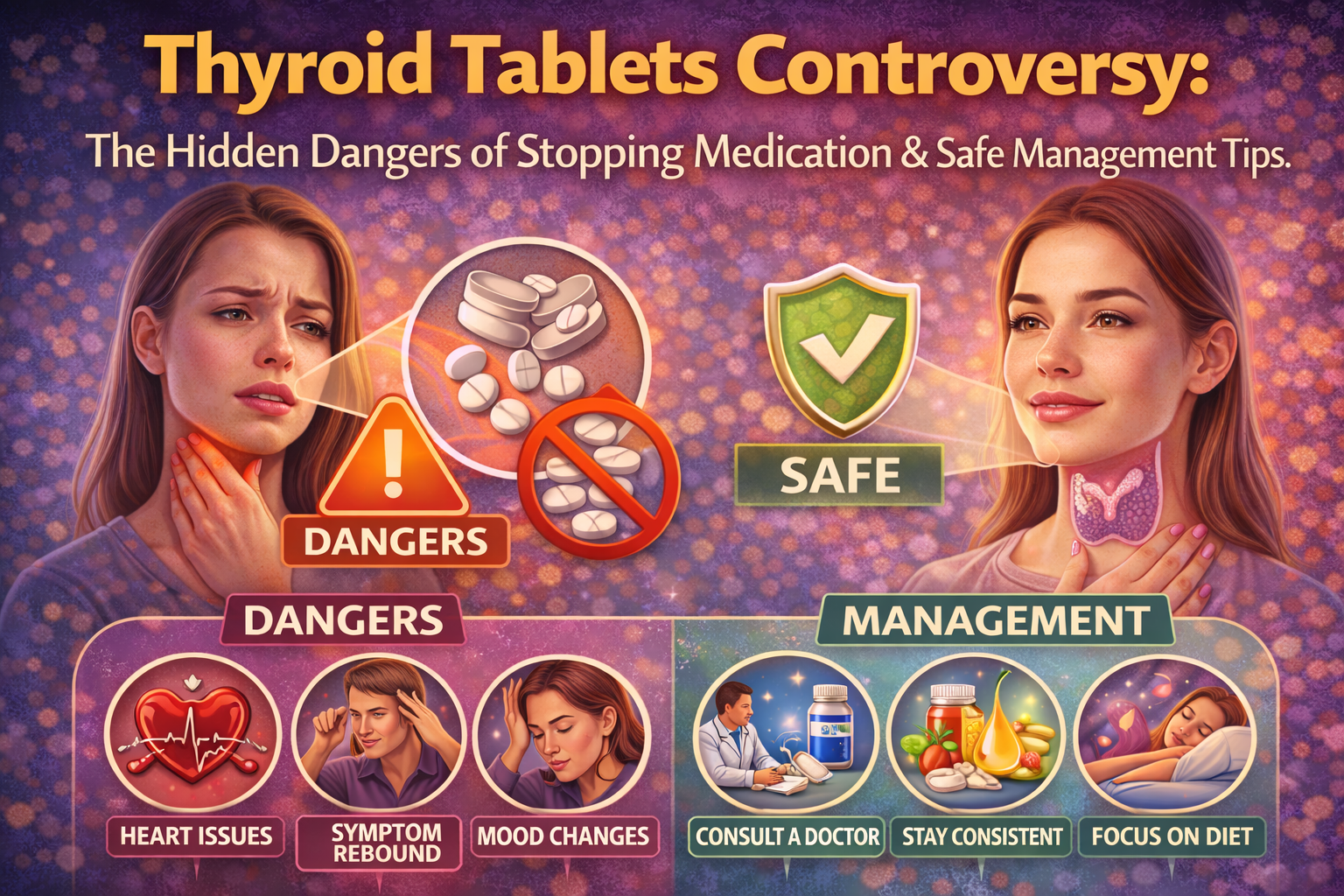
ToggleThyroid Tablets Controversy: The Hidden Dangers of Stopping Medication & Safe Management Tips
Introduction – Why the Thyroid Debate Matters
The thyroid gland might be small, but its influence on the human body is enormous. Located in the neck, this butterfly-shaped organ regulates metabolism, energy levels, heart rate, temperature, and even mood. When the thyroid malfunctions—producing too little or too much hormone—it throws the entire body off balance. Millions worldwide rely on thyroid medication to maintain this delicate hormonal equilibrium. Yet, in recent years, a disturbing trend has emerged: people are stopping their thyroid tablets abruptly, often after being swayed by online misinformation or false “natural healing” claims.
Why is this dangerous? Because thyroid medication isn’t like a simple painkiller you can take or leave. It’s a lifeline that replaces the hormones your body can no longer produce. Stopping suddenly can send the body into shock, triggering severe fatigue, depression, weight gain, hair loss, and even heart complications. The controversy around thyroid tablets has created confusion, fear, and unnecessary suffering for countless patients.
Before diving deeper, let’s understand the thyroid’s function—and why discontinuing treatment can have such life-threatening consequences.
Understanding the Thyroid’s Role in the Body
Think of the thyroid as the body’s internal thermostat. It regulates how fast or slow your organs work. The hormones it releases—thyroxine (T4) and triiodothyronine (T3)—influence every cell in your system. They control metabolism, which dictates how efficiently your body converts food into energy. Without these hormones, your body slows down like a car running out of fuel.
When the thyroid underperforms (a condition known as hypothyroidism), patients may experience overwhelming fatigue, weight gain, cold sensitivity, and brain fog. For some, symptoms progress gradually; for others, they hit suddenly and harshly. To restore balance, doctors prescribe hormone replacement therapy, usually Levothyroxine, a synthetic version of T4 that keeps hormone levels stable.
Discontinuing this medication is like cutting off the fuel supply while driving at high speed—it can cause the body to stall. The result? Energy crashes, organ stress, and in extreme cases, a dangerous condition known as myxedema coma, which can be fatal. Despite this, some individuals believe they can “wean off” thyroid medication naturally—an approach that’s rarely safe or effective without medical supervision.
Why Thyroid Medication Is a Lifeline for Millions
Globally, hypothyroidism affects over 200 million people, most of them women. For these individuals, thyroid tablets are not optional; they’re essential. Imagine having diabetes and refusing insulin—it’s the same principle. Thyroid hormones are not supplements; they are replacements for what the body can’t produce. Skipping doses or quitting entirely causes the system to spiral into chaos.
Some patients stop taking their medication because they feel better and assume their thyroid has “healed.” Unfortunately, the symptom relief comes from the medication itself. Once discontinued, hormone levels plummet again, and symptoms return—often worse than before. It’s a vicious cycle that leaves many patients confused and frustrated.
Another reason for discontinuation is misinformation. Social media is flooded with “miracle cures” and unverified advice claiming that diet, essential oils, or detoxes can restore thyroid health naturally. While lifestyle changes can support thyroid function, they can’t replace hormone therapy. Believing otherwise can lead to irreversible harm.
The Global Controversy Behind Thyroid Tablets
The thyroid medication controversy gained traction when alternative health influencers began claiming that Big Pharma exaggerates the need for lifelong medication. They argue that with the right diet and supplements, the thyroid can “reset” itself. This message, though appealing, is medically inaccurate for the vast majority of hypothyroid patients.
What sparked this debate?
Partly, it was frustration with the medical system. Many patients struggle to find the right dosage, experience side effects, or feel their concerns are dismissed by doctors. Add to that a growing distrust of pharmaceutical companies, and you have fertile ground for conspiracy theories. The idea that medication is unnecessary or harmful feels empowering—but it’s misleading.
Scientific evidence overwhelmingly supports the safety and necessity of thyroid hormone replacement when prescribed correctly. Endocrinologists emphasize that once the thyroid stops functioning properly—especially after autoimmune conditions like Hashimoto’s thyroiditis—it rarely “recovers.” In such cases, discontinuing medication doesn’t heal the thyroid; it simply deprives the body of essential hormones.
The Misconceptions Spread Online
Social media platforms are brimming with “thyroid detox” programs and influencers touting “healing diets” that promise to restore thyroid function. These claims often lack any scientific basis. Some go further, suggesting that synthetic thyroid hormones are toxic or that they “shut down” natural thyroid production—a half-truth that fuels unnecessary panic.
Here’s the reality: thyroid tablets don’t destroy your thyroid. They support your body when your gland can’t meet its hormonal needs. In fact, stopping them abruptly can cause your remaining thyroid function to decline even more.
Many influencers also misuse terms like “adrenal fatigue” or “leaky gut,” connecting them to thyroid problems without credible evidence. While these buzzwords attract attention, they blur the line between science and speculation. The result? Thousands of patients experiment with unsafe practices, from stopping medication cold turkey to self-dosing with unregulated supplements.
What Happens When You Stop Thyroid Medication Suddenly
When someone with hypothyroidism stops taking thyroid medication abruptly, the effects can be shocking—and dangerous. The thyroid hormones regulate every major system in your body: metabolism, heart rate, digestion, temperature, and even brain function. Without them, your body begins to slow down, sometimes to a life-threatening degree.
Within a few days, patients may feel exhausted, sluggish, or mentally foggy. Simple tasks like getting out of bed or concentrating on a conversation become difficult. As the hormone levels continue to drop, symptoms intensify—severe fatigue, unexplained weight gain, dry skin, hair loss, and constipation become common.
In more serious cases, patients experience swelling in the face, hoarse voice, joint pain, or bradycardia (a dangerously slow heart rate). The most extreme consequence is myxedema coma, a medical emergency that can occur when thyroid hormone levels become critically low. It leads to confusion, hypothermia, and even organ failure. Studies have shown that stopping thyroid tablets suddenly increases hospitalization risk and can be fatal if untreated.
Many people underestimate how vital these hormones are because symptoms often develop gradually. They might think, “I’ll just take a break for a few days,” not realizing that the body cannot instantly rebound. Once thyroid function is impaired—especially in autoimmune conditions like Hashimoto’s—it typically doesn’t regenerate. Stopping medication means your body is suddenly missing a hormone it can’t produce, throwing every internal system into chaos.
Doctors strongly advise never to discontinue thyroid medication without supervision. If dosage adjustments are needed, they should happen gradually and under a specialist’s care, with frequent blood tests to monitor hormone levels.
Immediate Physical Effects After Discontinuation
The first 7 to 14 days after stopping thyroid tablets can be a wake-up call. The body reacts swiftly to the absence of hormones it depends on daily. You may feel a deep, bone-level fatigue that no amount of sleep can fix. Your body temperature drops, and you might start shivering even in warm environments. Metabolism slows dramatically, meaning you gain weight despite eating normally—or sometimes less.
Muscles ache, reflexes slow, and mental alertness fades. It’s as if your body has switched into “low-power mode.” The digestive system also becomes sluggish, causing bloating and constipation. Some people even experience puffiness in the hands and feet due to fluid retention.
Perhaps the most alarming sign is mental decline. Brain fog, irritability, depression, and confusion creep in, often unnoticed at first. Many describe it as “feeling like a zombie.” The reason? Thyroid hormones are essential for brain cell communication. When they’re missing, neurotransmitter activity falters, disrupting memory, mood, and focus.
The cardiovascular system is also affected. Low thyroid levels slow the heart rate, reduce cardiac output, and increase cholesterol. This combination strains the heart and raises the risk of heart disease. So, stopping thyroid medication doesn’t just affect how you feel—it can directly impact your long-term heart health.
Long-Term Risks and Hidden Dangers
If the discontinuation continues for weeks or months, the consequences grow more severe. Chronic hypothyroidism places enormous stress on the body’s organs. The liver slows down, cholesterol levels spike, and the kidneys filter waste less efficiently. Skin becomes pale and puffy, hair thins, and nails grow brittle.
In women, menstrual cycles may become irregular or stop altogether. Fertility problems are common because thyroid hormones are crucial for reproductive health. In men, testosterone levels can drop, causing fatigue and loss of libido.
One of the most insidious dangers is irreversible organ damage from long-term hormone deprivation. When the body is left in a hypothyroid state for too long, tissues start to degrade due to lack of oxygen and energy. The brain, heart, and muscles all suffer. Over time, this can lead to cognitive decline, heart enlargement, and muscle weakness.
Patients often describe feeling “stuck” in slow motion, unable to function normally. Sadly, many attribute these symptoms to aging or stress, not realizing that the true culprit is uncontrolled hypothyroidism caused by stopping medication.
Perhaps the most dangerous outcome is myxedema coma. Though rare, this life-threatening condition can strike older adults or anyone who’s been off medication for an extended period. It presents with extreme drowsiness, confusion, low blood pressure, and dangerously slow breathing. Without immediate hospital intervention, it can be fatal.
Why the Body Can’t “Heal Itself” Overnight
There’s a popular misconception that the thyroid can “heal itself” if given enough rest, detox, or natural supplements. Unfortunately, this is rarely true—especially for those with autoimmune thyroid disease. Once the thyroid tissue is damaged by conditions like Hashimoto’s thyroiditis, it loses its ability to produce adequate hormones permanently.
It’s like expecting a broken engine to fix itself just because you stopped driving the car. The internal damage remains. Your body depends on thyroid hormones daily; going without them doesn’t promote healing—it causes further dysfunction.
Even if you eat the perfect diet, take herbal supplements, and get enough sleep, your thyroid cannot magically regenerate lost cells. While lifestyle improvements can support thyroid health, they cannot replace the hormones your gland no longer makes.
Endocrinologists warn that even short-term discontinuation can lead to months of recovery once medication is restarted. The body takes time to stabilize hormone levels again, and symptoms may worsen before improving. This is why medical experts insist: never stop your thyroid tablets without guidance.
The Science Behind Thyroid Hormone Replacement
To understand why thyroid medication is non-negotiable, you first need to grasp how it works. Levothyroxine (T4), the most common form of thyroid medication, mimics the natural hormone your body produces. Once ingested, it converts into the active hormone triiodothyronine (T3), which influences virtually every cell.
This conversion process happens primarily in the liver and kidneys. When you take your medication daily, it keeps your blood levels steady, maintaining balance across systems like metabolism, digestion, and brain function. Missing even a few doses disrupts this equilibrium, leading to sluggishness and fatigue.
How Levothyroxine and Other Medications Work
Levothyroxine is a synthetic version of T4, the primary hormone secreted by the thyroid gland. Once in the bloodstream, enzymes convert it into T3—the active form that regulates cellular metabolism. Essentially, the tablet serves as a substitute for the hormone your thyroid can’t make, ensuring the body continues to function properly.
Different brands or formulations exist, such as Euthyrox, Synthroid, or Levoxyl, but all serve the same purpose. In some cases, patients require a combination of T4 and T3 (like Liothyronine or Armour Thyroid) for optimal results. However, choosing the right medication requires medical evaluation, not guesswork or online advice.
When taken consistently and correctly (usually in the morning on an empty stomach), Levothyroxine maintains a stable hormone supply throughout the day. But if you stop suddenly, hormone levels drop sharply. Your cells begin to starve for energy, and symptoms of hypothyroidism reappear—sometimes worse than before.
The key is consistency. Missing even two or three days can lead to fluctuations that affect mood, energy, and metabolism. Over time, this inconsistency causes hormonal chaos that’s difficult to rebalance.
The Fine Balance of Hormonal Regulation
Your endocrine system operates on a precise feedback loop between the thyroid gland and the pituitary gland in your brain. The pituitary produces TSH (Thyroid-Stimulating Hormone), which signals the thyroid to release hormones. When T4 and T3 levels drop, TSH rises as the body tries to compensate.
If you stop taking medication, your TSH skyrockets while T4 and T3 plummet. This hormonal imbalance can take weeks—or even months—to stabilize once medication resumes. That’s why abrupt withdrawal creates a ripple effect throughout your body.
Maintaining balance is critical because every organ relies on these hormones. They regulate oxygen consumption, heat production, and how efficiently your cells produce energy. Think of thyroid hormones as the “spark plugs” of your body—without them, everything slows to a crawl.
What Happens Inside Your Body When You Miss a Dose
Skipping a single pill might seem harmless, but even small inconsistencies can throw your system off. Within 24 hours of missing a dose, your hormone levels begin to decline. The pituitary gland immediately senses this and increases TSH production, signaling that something’s wrong.
If you miss doses regularly or stop completely, your body becomes caught in a cycle of instability. You might feel great one day and exhausted the next. This hormonal rollercoaster can trigger mood swings, anxiety, and concentration problems.
For individuals already struggling with depression or anxiety, stopping thyroid medication can worsen mental health dramatically. Since thyroid hormones influence serotonin and dopamine production, their absence can make you feel hopeless or emotionally numb.
Consistency is everything. If you ever forget a dose, most doctors recommend taking it as soon as you remember (unless it’s almost time for the next one). Never double up without medical advice, and never assume your thyroid “doesn’t need it anymore.”
Psychological and Emotional Impacts of Stopping Thyroid Tablets
When people think of thyroid medication, they often associate it with physical energy or metabolism. But the truth is, thyroid hormones have a powerful effect on the brain and emotions. They influence mood, focus, memory, and even how we perceive the world. So when someone stops thyroid tablets suddenly, the emotional and psychological effects can be just as severe—if not worse—than the physical ones.
At first, it might feel like mild irritability or sadness. But within a few weeks, the mental fog deepens. Patients often describe feeling disconnected, as though their thoughts are moving through quicksand. The brain relies heavily on thyroid hormones to regulate neurotransmitters like serotonin and dopamine—the chemicals responsible for happiness, motivation, and emotional stability. Without them, depression, anxiety, and apathy set in rapidly.
A person who was once energetic and positive may suddenly become withdrawn and fatigued. Small tasks like making breakfast or returning messages feel overwhelming. Even memory suffers; patients might forget simple things like names, appointments, or conversations they had days ago.
Worse yet, many doctors and family members misinterpret these symptoms as simple mood disorders, not realizing they stem from hormonal imbalance caused by stopping medication. This misunderstanding can leave patients feeling isolated and misunderstood, making their mental health spiral even further.
Brain Fog, Depression, and Emotional Rollercoasters
Brain fog is often the first sign that something’s wrong. Imagine trying to think clearly while walking through thick fog—you can see shapes and outlines, but nothing is sharp. That’s exactly how it feels for someone whose thyroid hormone levels have dropped. Concentration becomes nearly impossible, and decision-making feels like climbing a mountain.
The connection between thyroid hormones and mood is deeply rooted in brain chemistry. Studies have shown that low levels of T3 are directly linked to depression and anxiety. When patients discontinue their tablets, serotonin activity decreases, leading to persistent sadness, low motivation, and hopelessness.
It’s not uncommon for people who stop medication to experience panic attacks, irritability, or emotional numbness. These mood swings can strain relationships and work performance, creating a vicious cycle of guilt and frustration.
What’s particularly tragic is that many individuals start believing that something is wrong with them mentally, not realizing that the issue is physiological. Once medication is resumed and hormone balance restored, emotional stability often returns—but the recovery process can take several weeks or even months.
The Link Between Hormones and Mental Health
The thyroid-brain connection is one of the most fascinating—and misunderstood—relationships in human biology. Thyroid hormones regulate brain metabolism, influencing how fast or slow neurons communicate. When levels are optimal, your mind feels sharp, emotions stable, and motivation high. But when hormones drop, brain activity slows, leading to cognitive dullness and emotional instability.
There’s even a strong overlap between hypothyroidism and mental health disorders. Research suggests that nearly 60% of people with hypothyroidism experience depression or anxiety. This is not a coincidence—it’s a direct reflection of how vital thyroid hormones are to emotional regulation.
When someone quits their tablets abruptly, it’s like switching off the brain’s power supply. Emotional resilience fades, and coping with stress becomes nearly impossible. Patients report feeling detached from reality, overwhelmed by even small challenges, or unable to find joy in things they once loved.
For some, these symptoms are so intense that they’re misdiagnosed with major depression or bipolar disorder. Unfortunately, treating those conditions without addressing the underlying thyroid imbalance only masks the problem temporarily. That’s why endocrinologists and psychiatrists increasingly emphasize collaboration—because hormone imbalance can mimic mental illness.
Patient Stories and Real-Life Struggles
Across the world, countless individuals have shared their experiences of stopping thyroid tablets—often with heartbreaking consequences. Take Samantha, a 38-year-old teacher from Texas. After reading online that she could “heal her thyroid naturally,” she decided to stop taking Levothyroxine. Within three weeks, she couldn’t get out of bed, her hair started falling out, and she began experiencing severe panic attacks. It took six months of treatment to stabilize her again.
Another case is Rajesh, a 45-year-old engineer who thought his fatigue was due to overwork. He stopped his medication thinking a few weeks off wouldn’t hurt. Instead, he developed depression so severe he couldn’t work for two months. When he resumed his medication under medical supervision, his mood and energy gradually returned to normal.
These stories are not rare—they’re reminders that thyroid medication is not a temporary fix but a lifelong necessity for many. The emotional toll of quitting can be devastating, both for the patient and their loved ones.
Myths vs. Facts – Debunking Popular Beliefs
In the age of social media, misinformation spreads faster than truth. When it comes to thyroid treatment, online myths can be downright dangerous. Let’s break down some of the most common misconceptions that have led people to stop their life-saving medication.
“I Don’t Need Tablets Anymore” – The Dangerous Myth
One of the biggest myths is that once symptoms improve, you can stop taking your thyroid tablets. Many people believe that feeling better means their thyroid has “healed.” Unfortunately, that’s not how it works. You feel better because the medication is replacing the missing hormones. The relief you experience is proof that the treatment is working—not that it’s unnecessary.
Thyroid disorders, particularly Hashimoto’s disease or post-surgical hypothyroidism, are typically permanent. The thyroid gland either stops functioning properly or has been removed. Without medication, it can’t suddenly start producing hormones again. When patients stop, the symptoms creep back slowly—fatigue, weight gain, brain fog—until they’re in worse shape than before.
Doctors often compare thyroid tablets to eyeglasses. You wouldn’t throw away your glasses just because your vision is clear while wearing them. The same principle applies here—your thyroid medication isn’t a cure, it’s a support system your body depends on.
Are Herbal or Natural Remedies Safe Alternatives?
There’s been a surge in people turning to “natural” thyroid treatments—herbal supplements, glandular extracts, essential oils, and iodine drops. While these products are marketed as harmless or holistic, they often lack scientific validation and can be downright dangerous when used in place of prescribed medication.
Some herbal formulas contain unregulated amounts of thyroid hormones, leading to inconsistent dosages that can cause hyperthyroidism (too much thyroid activity). Others interfere with hormone absorption or liver metabolism, making prescribed medication less effective. In the worst cases, these products can cause severe hormonal imbalance or damage to the liver and heart.
Natural remedies can complement medical treatment, but they should never replace it. If you’re considering herbal support, always consult your endocrinologist first. True healing comes from a balance between evidence-based medicine and safe, informed lifestyle choices—not from unverified online trends.
How Online Wellness Influencers Add to the Problem
Many social media influencers—some with no medical background—promote “thyroid healing” programs claiming that medication is unnecessary. They share personal anecdotes, “before and after” photos, and emotional testimonies that can be persuasive to those desperate for relief. But what they often don’t mention is that these results are temporary, unproven, or potentially harmful.
These influencers prey on fear. They frame medication as toxic or unnatural, suggesting that doctors are hiding the truth. Unfortunately, this misinformation spreads rapidly across TikTok, YouTube, and Facebook, leading thousands of patients to experiment with their health.
Medical experts urge caution: always verify claims through peer-reviewed research and licensed healthcare providers. While healthy eating, stress management, and supplements can improve well-being, they cannot regenerate a nonfunctioning thyroid gland. Following unqualified advice can turn a manageable condition into a medical crisis.
Expert Medical Opinions on Safe Thyroid Treatment
To cut through the confusion, it’s essential to hear directly from medical professionals who specialize in thyroid care. Endocrinologists—the doctors who study hormones—stress that thyroid medication is one of the safest and most effective long-term treatments available when managed correctly.
Endocrinologists Weigh In
According to the American Thyroid Association (ATA), hypothyroidism is a lifelong condition that requires ongoing hormone replacement. Dr. Susan Miller, an endocrinologist at the Mayo Clinic, explains, “Once your thyroid stops functioning, no diet or detox can replace the missing hormones. Medication is not optional—it’s essential.”
She adds that the goal is not to medicate indefinitely without reason, but to maintain optimal hormone balance that keeps the body functioning properly. “Patients who stop taking their tablets often come back months later with severe fatigue, depression, and high cholesterol. It’s like depriving your body of oxygen—it simply can’t survive without it.”
Dr. Miller and other experts emphasize that while lifestyle changes—such as reducing stress, improving sleep, and eating iodine-rich foods—can support thyroid health, they should never be seen as a substitute for prescribed medication.
The Importance of Regular Blood Tests
Monitoring your thyroid levels through regular bloodwork is crucial to ensuring your medication dose is appropriate. The main test doctors use is TSH (Thyroid Stimulating Hormone), which reflects how much the pituitary gland is signaling your thyroid to produce hormones.
When TSH levels are high, it means your body is begging for more thyroid hormone—indicating that your dose might be too low. When TSH is too low, it may suggest you’re getting too much medication.
Routine blood tests every 3–6 months help doctors fine-tune your dosage so that your hormone levels stay balanced. Skipping these tests or stopping medication can throw the entire system off track.
Adjusting Dosage vs. Stopping Medication
Some people stop their tablets because they feel “off”—jittery, anxious, or unable to sleep. These symptoms are often signs of overmedication, not a reason to quit entirely. The right solution is dosage adjustment, not discontinuation.
Doctors typically tweak doses in micrograms to find the perfect balance for each patient. It can take a few weeks for your body to adjust after each change, so patience is key. Stopping abruptly only resets progress and leads to more instability.
Think of it this way: adjusting thyroid medication is like tuning a piano. It requires precision, care, and professional guidance. You wouldn’t smash the piano because it’s out of tune—you’d retune it. The same logic applies to your thyroid treatment.
How to Manage Side Effects Safely
While thyroid medication is generally safe and life-saving, some patients do experience mild side effects, especially during the early stages of treatment or when dosage changes occur. These effects can include heart palpitations, nervousness, sweating, or insomnia. The key point to remember is that these are adjustment symptoms, not reasons to stop the medication altogether.
Your body needs time to adapt to new hormone levels. For most people, these effects fade within a few weeks once the correct dosage stabilizes. However, when patients panic and discontinue their tablets abruptly, they end up worsening their condition rather than resolving it.
A safe approach is to track your symptoms—keep a journal of any physical or emotional changes you experience after dosage changes. Bring these notes to your endocrinologist. This helps doctors fine-tune your dose with precision, ensuring that your hormone levels stay balanced without triggering unnecessary side effects.
Common Side Effects and What They Mean
Let’s explore the most common side effects of thyroid medication and what they could indicate:
| Symptom | Possible Cause | Suggested Action |
|---|---|---|
| Heart palpitations or anxiety | Dose may be slightly too high | Talk to your doctor about adjusting dosage |
| Fatigue or weight gain | Dose may be too low | Get your TSH and T4 levels checked |
| Headaches or irritability | Hormone fluctuation during adjustment | Usually resolves in a few weeks |
| Insomnia or restlessness | Taking medication too late in the day | Take dose in the morning on an empty stomach |
| Digestive issues | Possible sensitivity to fillers or dyes | Ask about switching to a different brand or formulation |
The most important thing is not to self-diagnose or alter your dosage on your own. Thyroid balance is delicate—tiny changes can make a big difference. A qualified endocrinologist can interpret your lab results and determine what adjustments are truly necessary.
When to Talk to Your Doctor
If you experience persistent or severe symptoms, never stop your medication abruptly. Instead, contact your healthcare provider immediately. Some side effects might not be due to the medication at all but rather other factors—such as stress, diet, or unrelated health conditions.
Doctors may recommend additional tests such as Free T4, Free T3, or Thyroid Antibody panels to get a complete picture of your thyroid function. Based on these results, they can adjust your dose gradually or recommend a different brand that suits your body better.
Remember: communication with your doctor should be open and ongoing. Many patients stop medication out of frustration or fear, but in most cases, small adjustments are all that’s needed to feel balanced again.
Diet, Lifestyle, and Medication Balance
Thyroid health isn’t just about pills—it’s a partnership between medication, diet, and lifestyle. Certain foods and habits can affect how well your body absorbs thyroid hormones. For example:
-
Avoid taking your thyroid pill with coffee or calcium supplements. Caffeine and calcium can block absorption. Wait at least 30–60 minutes after taking your pill before eating or drinking anything other than water.
-
Include iodine and selenium-rich foods in your diet, such as eggs, seafood, and Brazil nuts. These minerals help support thyroid hormone conversion.
-
Manage stress. Chronic stress elevates cortisol levels, which can interfere with thyroid function. Practice yoga, meditation, or deep breathing daily.
-
Get enough sleep. Thyroid hormones influence sleep cycles, and sleep deprivation can worsen fatigue and hormonal imbalance.
A balanced lifestyle complements medication perfectly, ensuring your thyroid remains stable and your energy levels consistent.
The Dangers of Self-Medication and Online Advice
The internet is full of health advice—but not all of it is trustworthy. One of the biggest modern dangers is self-medication, where individuals adjust or discontinue their thyroid tablets without consulting a doctor. While online communities and forums can offer emotional support, they should never replace medical expertise.
When you buy or alter medication based on online suggestions, you’re playing a dangerous guessing game with your health. Thyroid hormones are powerful substances that influence heart rhythm, metabolism, and brain function. Too much or too little can cause serious complications, from heart disease to mental health decline.
The Rise of Self-Diagnosis Culture
We live in an age of Google medicine, where anyone can search their symptoms and diagnose themselves in seconds. Unfortunately, this can lead to dangerous misconceptions. For example, some people assume that feeling tired or gaining weight automatically means they have a thyroid problem. Others misread lab results without understanding reference ranges, leading to unnecessary fear or self-treatment.
Thyroid function is incredibly complex. A single TSH test isn’t enough to make a diagnosis—it must be interpreted alongside T4, T3, and clinical symptoms by a trained endocrinologist. Yet, many individuals skip this step, relying instead on social media “experts” or wellness blogs.
This culture of self-diagnosis fuels the thyroid tablet controversy. People begin adjusting doses based on how they feel rather than on scientific evidence. Over time, this leads to hormonal chaos, unpredictable symptoms, and potentially irreversible damage.
The Hidden Risks of Buying Medicine Online
The rise of online pharmacies has made it easier than ever to purchase medications—but not all sources are safe. Many websites sell counterfeit or substandard thyroid tablets that contain inconsistent doses or harmful fillers. These fake medications can disrupt your hormone balance or cause toxic side effects.
According to the World Health Organization (WHO), nearly 1 in 10 medical products sold online in developing countries is fake or mislabeled. Without regulation, there’s no guarantee that what you’re taking is effective—or even safe.
Always get your thyroid medication from a licensed pharmacy with a valid prescription. Never buy pills from unverified sources, even if they claim to be “natural” or “bioidentical.” What looks like a bargain online could turn into a dangerous health setback.
Why Medical Supervision Is Non-Negotiable
Endocrinologists don’t just prescribe medication—they monitor how it interacts with your entire system. Thyroid levels can fluctuate due to aging, pregnancy, stress, or other illnesses. Regular medical supervision ensures that your treatment evolves alongside your body’s needs.
When patients self-medicate, they remove the safety net that protects them from serious complications. Medical supervision means you’re not guessing—you’re guided by science.
If you ever feel dissatisfied with your treatment, don’t quit on your own. Seek a second opinion instead. A good endocrinologist will listen to your concerns, explain your test results clearly, and work with you to find the right balance.
Rebuilding Trust in Modern Medicine
In today’s world, skepticism toward the medical system is growing. Many people feel unheard, rushed through appointments, or uncertain about long-term medication. This mistrust has fueled the thyroid tablet controversy—but it can be repaired through communication, education, and empathy.
The Role of Education in Patient Empowerment
Knowledge is power—especially when it comes to your health. Patients who understand how their thyroid works are less likely to fall for misinformation. Education bridges the gap between fear and confidence.
Healthcare systems worldwide are now prioritizing thyroid awareness campaigns, teaching people how to interpret blood tests, recognize symptoms, and ask the right questions during medical appointments. When patients feel informed, they’re more likely to follow their treatment correctly.
Online education platforms and support groups led by licensed professionals can also be valuable. These communities help people learn from real science, not social media fads. The more patients understand their condition, the more they can advocate for themselves responsibly.
How Communication Between Doctors and Patients Can Improve
One of the main reasons people stop taking thyroid tablets is poor communication. When doctors use overly technical language or dismiss patient concerns, trust breaks down. Patients start searching for answers elsewhere—often from unreliable sources.
Effective communication means creating a partnership, not a hierarchy. Doctors who take time to listen, explain lab results, and discuss side effects openly empower their patients. Likewise, patients should feel comfortable sharing how they truly feel—not just what’s on paper.
Modern medicine works best when it’s collaborative. Your endocrinologist isn’t just prescribing pills—they’re guiding you toward long-term stability and health.
Overcoming Fear and Stigma Around Lifelong Treatment
Taking medication for life can feel intimidating. Many people worry it means they’re “broken” or dependent. But lifelong thyroid therapy isn’t a weakness—it’s a necessity, just like wearing glasses or using insulin.
It’s important to shift the mindset from “I’m stuck on pills” to “I’m managing my health responsibly.” Without treatment, your body suffers silently. With medication, you’re giving yourself the chance to live a normal, energetic life.
When patients embrace their treatment as self-care rather than a burden, they experience better outcomes—physically, mentally, and emotionally.
Safe Steps to Take If You Want to Change Your Medication
Many patients who experience side effects, dosage concerns, or doubts about long-term use often wonder: “Can I change my thyroid medication safely?” The good news is yes, you can—but only under medical supervision. The thyroid is incredibly sensitive, and any change in treatment must be gradual, measured, and monitored closely with blood tests.
If you’re unhappy with how your current treatment feels, the solution isn’t to stop abruptly—it’s to adjust smartly. Here are the safe, science-backed steps to follow when considering a medication change.
Gradual Reduction Under Supervision
The first rule of thumb: never stop thyroid tablets cold turkey. Whether you’re switching from Levothyroxine to a different brand or to a T4/T3 combination therapy, your doctor will design a tapering plan that ensures your body adjusts smoothly.
A sudden drop in thyroid hormone levels can shock your system, causing fatigue, depression, or even heart issues. Gradual reduction allows your body to recalibrate while maintaining hormonal stability.
Here’s what typically happens:
-
Initial Consultation: Your endocrinologist reviews your history, symptoms, and recent lab results (TSH, Free T4, and Free T3).
-
Tapering Plan: The doctor reduces your dose in small increments—usually 12.5 to 25 micrograms at a time—over several weeks.
-
Monitoring Period: You’ll have follow-up bloodwork every 4–6 weeks to check how your body responds.
-
Adjustment Phase: Based on results, the dose is either held steady, reduced further, or switched to another medication.
Patience is essential. It can take several months to find your ideal balance, but the process ensures safety and avoids hormonal crashes.
The Role of Bloodwork and Monitoring
Blood tests are the backbone of safe thyroid management. Without them, you’re flying blind. Hormone levels fluctuate subtly, and symptoms alone aren’t always reliable indicators of how your body is responding.
The key tests include:
-
TSH (Thyroid Stimulating Hormone): Reflects how much your brain is telling your thyroid to work.
-
Free T4: Measures circulating thyroxine, the storage hormone.
-
Free T3: Measures the active hormone that drives metabolism.
-
Thyroid Antibodies (TPO, Tg): Detect autoimmune conditions like Hashimoto’s.
Your doctor uses these results to tailor your treatment precisely. During medication transitions, testing every 4–6 weeks helps catch problems early—before symptoms spiral out of control.
It’s also important to maintain consistency when taking tests. Always have your blood drawn at the same time of day and follow your doctor’s instructions about whether to take your tablet beforehand. Even small timing differences can alter results slightly.
Working with an Endocrinologist, Not Against Them
Too often, patients view doctors as obstacles rather than partners. But endocrinologists are trained specifically to understand the complexity of hormone systems. They don’t just hand out pills—they interpret your body’s chemical language and guide you toward equilibrium.
If you ever feel unheard, don’t quit treatment—get a second opinion. Not all doctors communicate in the same way, and finding one who listens and explains clearly can make a world of difference.
You have every right to ask questions like:
-
“Why do I need this specific dosage?”
-
“What happens if I reduce it?”
-
“Are there natural ways to support my thyroid alongside medication?”
A good endocrinologist will answer honestly, with evidence-based reasoning. Together, you can develop a plan that respects your comfort while keeping your health safe.
The Financial and Social Implications of Thyroid Disorders
Thyroid conditions don’t just affect the body—they impact finances, emotions, and social life, too. The lifelong need for medication, regular tests, and doctor visits can be stressful, especially for those with limited access to healthcare.
Beyond the medical side, there’s also a social stigma and lack of understanding. Many people underestimate how exhausting and complex living with a thyroid disorder truly is. This lack of awareness adds another layer of burden for patients already battling fatigue and emotional ups and downs.
Cost of Medication and Accessibility Issues
In many parts of the world, thyroid medication is inexpensive—but that’s not always the case. Some countries face shortages, while others see steep price hikes for branded versions. Even minor fluctuations in cost can cause patients to skip doses or stretch their prescriptions, leading to instability in hormone levels.
Generic Levothyroxine options have made treatment more affordable, but not all patients respond the same to every brand. Small variations in formulation can affect absorption, requiring additional testing and adjustments. This, in turn, adds financial strain.
For those without health insurance, regular lab work can also become expensive. Skipping tests, however, is never worth the risk. Many clinics offer low-cost thyroid panels or government-supported health programs—patients should explore these options to stay consistent with treatment.
How Society Misunderstands Thyroid Conditions
One of the biggest frustrations for thyroid patients is the lack of public awareness. Because symptoms like fatigue, weight gain, and depression are invisible, others often assume the condition is “not serious.”
Statements like “You’re just tired” or “It’s all in your head” can be deeply hurtful. This misunderstanding discourages people from seeking help or talking openly about their struggles. In reality, thyroid disorders affect every system in the body—and untreated hypothyroidism can be life-threatening.
Employers, family members, and even friends should be educated about the challenges of thyroid disease. Support and empathy go a long way in helping patients stay emotionally strong and medically compliant.
The Emotional Toll of Chronic Illness
Living with a chronic condition like hypothyroidism can feel like a rollercoaster. The constant monitoring, medication adjustments, and unpredictable symptoms wear down even the strongest individuals. Many patients experience medical fatigue—a sense of burnout from managing their health daily.
The emotional impact can also extend to relationships. Partners and family members may not fully understand the mood swings, exhaustion, or lack of motivation caused by hormone imbalances. This often leads to guilt or misunderstandings on both sides.
Building a solid support system is vital. Whether through online patient communities, counseling, or local health groups, connecting with others who understand the journey can be incredibly healing. Remember: managing thyroid disease isn’t just about pills—it’s about mental and emotional balance, too.
Preventing Thyroid Problems Before They Start
While some thyroid conditions are genetic or autoimmune, there are steps you can take to reduce your risk and maintain optimal thyroid health. Prevention begins with awareness—understanding what factors influence thyroid function and acting before problems escalate.
Importance of Regular Checkups
Early detection is key. A simple blood test can reveal thyroid imbalances before symptoms become severe. Experts recommend that adults—especially women over 35—get their TSH levels checked every 3–5 years, or sooner if they experience fatigue, weight changes, or mood shifts.
Regular checkups are particularly important for:
-
Women during pregnancy or postpartum (since hormonal changes can trigger thyroid dysfunction)
-
People with a family history of thyroid disease
-
Individuals exposed to radiation or environmental toxins
Catching thyroid issues early allows for milder treatment, often preventing the need for lifelong medication.
Diet, Iodine, and Lifestyle Factors
Nutrition plays a huge role in thyroid health. The thyroid needs specific nutrients to function properly—chief among them being iodine, selenium, and zinc.
-
Iodine: Found in seafood, dairy, and iodized salt. It’s essential for producing thyroid hormones. However, both deficiency and excess iodine can harm the gland, so balance is key.
-
Selenium: Found in Brazil nuts, tuna, and eggs. It helps convert T4 into the active T3 hormone.
-
Zinc: Found in legumes, pumpkin seeds, and meat. It supports hormone production and immune function.
Avoid excessive consumption of processed foods, alcohol, and refined sugars, as they can contribute to inflammation and stress the thyroid.
Regular exercise, stress management, and adequate sleep are also vital. Chronic stress increases cortisol levels, which can suppress thyroid activity over time.
Early Warning Signs You Shouldn’t Ignore
Thyroid problems often start subtly. You might feel “off” without realizing your hormones are the culprit. Here are key warning signs that deserve attention:
-
Persistent fatigue despite adequate rest
-
Sudden or unexplained weight gain/loss
-
Hair thinning or dry, brittle hair
-
Feeling cold even in warm environments
-
Irregular menstrual cycles
-
Mood swings, anxiety, or depression
-
Puffy face or swelling in the neck (goiter)
If you notice several of these symptoms, don’t wait. Get tested early. Early diagnosis can prevent severe complications later.
The Future of Thyroid Treatment
Medicine is evolving rapidly, and thyroid care is no exception. Researchers are exploring innovative treatments that could make management easier, safer, and more personalized than ever before.
Innovations in Hormone Therapy
New forms of thyroid hormone replacement are being developed to provide more consistent absorption and fewer side effects. These include slow-release tablets, liquid formulations, and combination therapies that mimic natural thyroid function more closely.
In addition, scientists are investigating biotechnological solutions, such as stem cell therapy, that may one day repair damaged thyroid tissue—a potential breakthrough for autoimmune patients.
Personalized Medicine and Genetic Testing
No two thyroid patients are exactly alike. That’s why researchers are moving toward personalized treatment plans based on genetic makeup. Genetic testing can reveal how your body metabolizes thyroid hormones, helping doctors customize doses and choose the right formulation for you.
This approach minimizes trial and error and maximizes long-term stability. Personalized care represents the future—where treatment is tailored to your unique biology, not a one-size-fits-all prescription.
How Technology Is Changing Thyroid Care
Modern technology is revolutionizing health management. Mobile apps now allow patients to track symptoms, medication timing, and lab results in real-time. Smart devices can even remind users to take their pills at the right time, improving consistency and outcomes.
Telemedicine has also made it easier to consult endocrinologists without long travel or wait times, ensuring faster adjustments and better monitoring. As artificial intelligence integrates with healthcare, predictive tools may soon detect thyroid imbalances before symptoms appear.
Conclusion – The Truth About Stopping Thyroid Tablets
The thyroid tablet controversy may be fueled by misinformation, frustration, and distrust, but the truth remains clear: stopping your medication abruptly is dangerous. Thyroid hormones are not optional—they are essential for life.
Your thyroid medication doesn’t trap you—it frees you. It gives your body what it can no longer produce naturally. Stopping suddenly doesn’t heal your gland; it starves your system, leading to fatigue, depression, and potentially fatal complications.
The real solution lies in education, communication, and partnership with qualified doctors. Whether through dosage adjustments, regular testing, or lifestyle improvements, you can live a healthy, fulfilling life with the right treatment.
FAQs
1. What happens if I stop taking thyroid tablets suddenly?
Stopping thyroid medication abruptly can cause fatigue, depression, weight gain, and, in severe cases, a life-threatening condition called myxedema coma. Always consult your doctor before making any changes.
2. Can I replace thyroid medication with natural remedies?
No. While certain foods and supplements support thyroid health, they cannot replace the hormones your body lacks. Natural methods should only complement—not replace—prescribed medication.
3. Are there long-term side effects of staying on thyroid tablets?
When monitored properly, thyroid medication is safe for lifelong use. Regular blood tests ensure your dosage remains effective without side effects.
4. How can I tell if my thyroid dosage needs adjustment?
Watch for persistent symptoms like fatigue, mood swings, weight changes, or irregular heartbeats. Schedule a blood test every 6 months to confirm your hormone balance.
5. What should I discuss with my doctor before changing medication?
Talk about your symptoms, side effects, lifestyle changes, and any supplements you take. Never alter your dose or stop medication without professional guidance.
1 thought on “Thyroid Tablets Controversy: The Hidden Dangers of Stopping Medication & Safe Management Tips”