Table of Contents
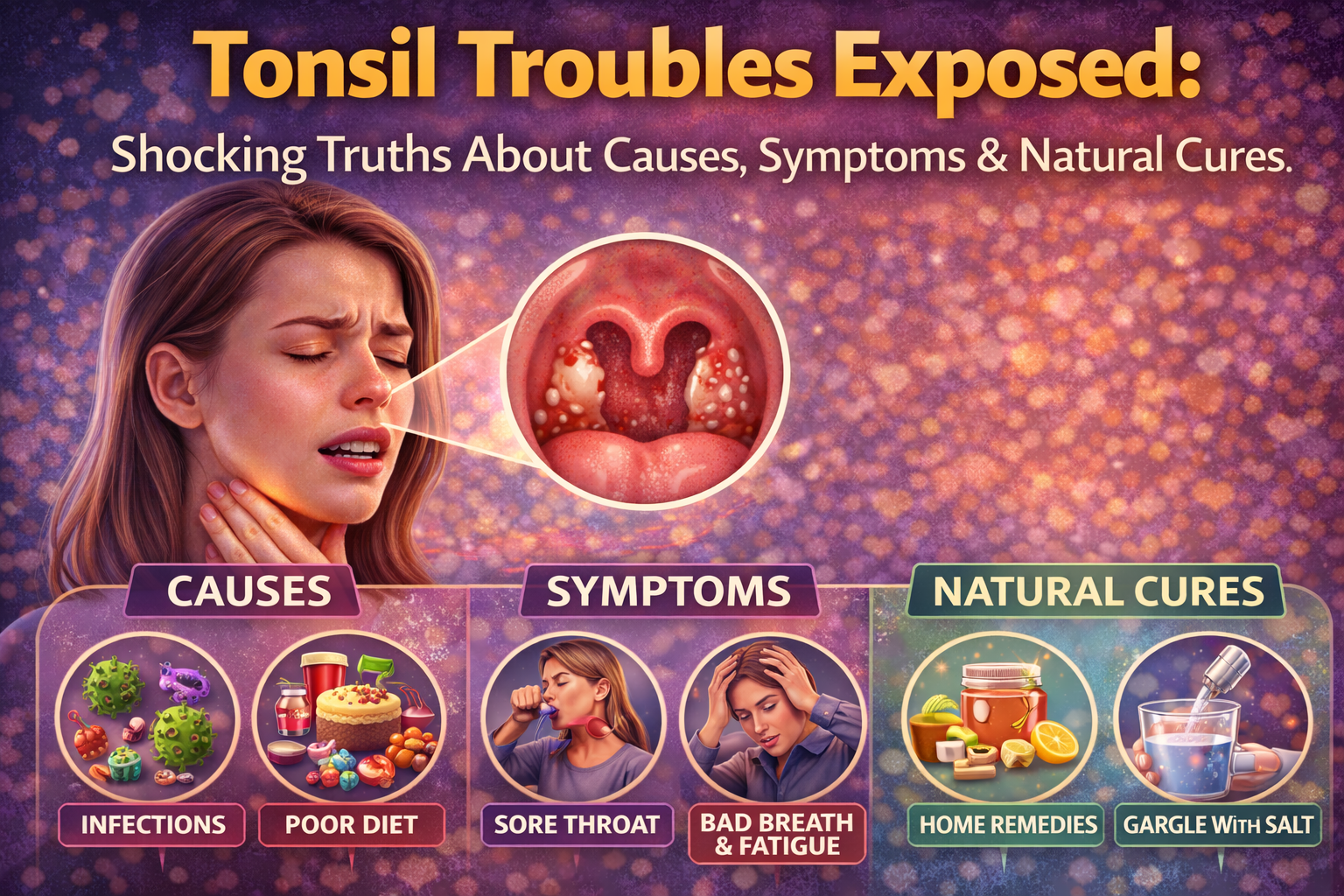
ToggleTonsil Troubles Exposed: Controversial Insights on Understanding and Curing Tonsil Problems
1. Introduction: The Mystery Behind Tonsil Troubles
Tonsil problems are among the most common yet misunderstood health issues affecting people worldwide. Whether it’s a sore throat that just won’t quit or recurring infections that make swallowing a nightmare, tonsil troubles can be both painful and confusing. But have you ever wondered why these small lumps in your throat cause so much trouble? Let’s pull back the curtain and reveal the real story behind your tonsils.
Understanding the Role of Tonsils
Tonsils are not just random bits of tissue—they’re actually part of your body’s first line of defense. Sitting quietly at the back of your throat, they act as immune sentinels, trapping bacteria, viruses, and other harmful particles that enter through your mouth or nose. Think of them as the body’s natural air filters. But like any filter, they can get clogged, infected, or inflamed, leading to tonsillitis and other related conditions.
Why Tonsil Issues Are More Common Than You Think
Millions of people, both adults and children, experience tonsil problems each year. What’s surprising is that these issues often go misdiagnosed or underestimated. Factors like poor diet, stress, pollution, and weakened immunity make the tonsils more vulnerable to infection. In today’s fast-paced lifestyle, most people don’t give their immune system the support it needs, which can turn minor throat irritations into chronic tonsil problems.
Interestingly, modern medicine is divided on how to treat them. Some experts recommend surgical removal (tonsillectomy) as a permanent fix, while others advocate for natural or medical management. The controversy runs deep, and understanding it starts with learning exactly what these tiny glands do for your body.
2. What Are Tonsils and Why Do We Have Them?
Anatomy and Function of Tonsils
Tonsils are a pair of soft tissue masses located at the back of your throat, one on each side. They are made up of lymphoid tissue, similar to the glands found in your neck or underarms. Together with the adenoids (located higher up, behind the nasal cavity), the tonsils form what’s called Waldeyer’s ring—a defensive ring that guards your respiratory tract from pathogens.
The Body’s Natural Defense System
When harmful particles enter your body through your mouth or nose, the tonsils act like soldiers on the front lines. They detect the invaders and signal your immune system to produce antibodies. This process helps your body recognize and fight off infections faster in the future. Essentially, your tonsils are like early warning systems, keeping your immune responses sharp and ready.
How Tonsils Trap Bacteria and Viruses
Tonsils have tiny pits or crevices called crypts that trap bacteria, food particles, and dead cells. While this function helps filter out germs, it can also backfire when these materials build up, leading to infection or the formation of tonsil stones. That’s why maintaining good oral hygiene and staying hydrated are vital for keeping your tonsils healthy and functional.
3. Common Tonsil Problems Explained
Acute Tonsillitis: The Classic Infection
Tonsillitis is the most well-known tonsil problem, often characterized by swollen, red tonsils, sore throat, fever, and difficulty swallowing. It’s usually caused by viral infections like the common cold or flu, though bacteria such as Streptococcus pyogenes (the same bacteria behind strep throat) can also be culprits.
Treatment typically involves rest, fluids, and pain relief medications. Antibiotics may be prescribed if the infection is bacterial. But here’s the catch—repeated antibiotic use can weaken your immune response and lead to chronic tonsillitis.
Chronic Tonsillitis: A Persistent Issue
When tonsillitis keeps coming back, it becomes chronic. This can happen when the tonsils never fully heal or remain infected over time. Chronic tonsillitis causes bad breath, a constant sore throat, and even ear pain. Some people also report fatigue and a general feeling of illness.
Tonsil Stones (Tonsilloliths): The Hidden Culprit Behind Bad Breath
One of the most overlooked tonsil problems is tonsil stones—hardened white or yellowish lumps that form in the tonsil crypts. They’re made of bacteria, food debris, and dead cells. While small ones often go unnoticed, larger stones can cause bad breath, throat irritation, and even swallowing difficulty. Removing them manually or using mouth rinses can help, but persistent cases may need medical attention.
4. Controversial Insights: Are Tonsils Really Necessary?
The Debate Around Tonsil Removal (Tonsillectomy)
For decades, removing tonsils was considered a quick fix for recurring throat infections. However, modern research has questioned whether this surgery is always necessary. While tonsillectomy can prevent frequent infections, it also removes an important immune structure.
Medical Experts’ Conflicting Opinions
Some ENT specialists argue that tonsils lose their immune role after early childhood, making removal harmless. Others, however, point out that tonsils continue to play a protective role throughout life, especially against respiratory and digestive infections.
Natural Healing vs. Surgical Removal
An increasing number of patients are exploring natural methods—like boosting immunity, using herbal remedies, and improving diet—to manage tonsil problems. The idea is to strengthen the body rather than remove its natural defense mechanisms. Yet, in cases of severe infection or sleep apnea, surgery may still be the best solution.
5. Causes and Risk Factors of Tonsil Problems
Lifestyle and Environmental Influences
Tonsil health is closely linked to lifestyle. Poor diet, smoking, alcohol consumption, lack of sleep, and exposure to pollutants can weaken your immune system, leaving your tonsils vulnerable.
Genetic Predisposition and Immune System Weakness
Some people are simply more prone to tonsil problems due to genetic factors or autoimmune issues. If your parents or siblings have a history of chronic tonsillitis, your chances are higher too.
Diet, Hygiene, and Modern Habits
Processed foods, sugary drinks, and inadequate hydration contribute to bacterial growth in the throat. Similarly, poor oral hygiene allows bacteria to thrive, increasing the risk of infections and tonsil stones. Maintaining a balanced diet rich in vitamins and probiotics can go a long way in keeping your tonsils healthy.
6. Recognizing the Symptoms Early
Common Signs You Shouldn’t Ignore
Tonsil problems often start subtly, making them easy to overlook until they become unbearable. The most common symptoms include a sore throat that lingers for days, pain when swallowing, swollen tonsils with white patches, bad breath, fever, and even ear pain. These signs might sound familiar because they overlap with common colds and flu, but the difference lies in duration and intensity.
If your sore throat lasts more than a week or keeps coming back, that’s a clear sign your tonsils might be struggling to do their job. You might also notice a change in your voice, a constant metallic taste in your mouth, or a lump-like feeling in your throat. These subtle symptoms can indicate chronic inflammation or even tonsil stones.
Ignoring these symptoms can lead to more severe complications like peritonsillar abscess (a painful pus-filled infection near the tonsil) or sleep apnea due to enlarged tonsils. So, don’t wait for the pain to become unbearable—early detection can save you from unnecessary suffering.
When a Sore Throat Means Something More Serious
Most people brush off a sore throat as a seasonal issue, but if you’re constantly battling it, there’s likely an underlying cause. Tonsils can harbor bacteria long after other symptoms fade, which means infections can resurface easily.
Persistent throat irritation, swollen lymph nodes, or visible tonsil stones are warning signs your tonsils need medical attention. If you experience difficulty breathing or swallowing, seek immediate help—it could indicate severe tonsillar enlargement or abscess formation.
The key takeaway? Listen to your body. It’s better to act early than deal with the consequences of chronic inflammation later.
7. Diagnosis: How Doctors Identify Tonsil Problems
Physical Examination and Lab Tests
Diagnosing tonsil issues usually starts with a simple physical examination. Your doctor will use a lighted instrument to inspect your throat for redness, swelling, white spots, or pus. They might also palpate the neck area to check for swollen lymph nodes.
In some cases, a throat swab is taken to test for bacterial infections like Streptococcus. The result helps determine whether antibiotics are necessary. Blood tests may also be done to check for viral infections like mononucleosis or to assess your immune response.
This diagnostic phase is crucial because it prevents unnecessary treatments. For example, taking antibiotics for a viral infection won’t help—it might even make things worse by reducing beneficial bacteria in your system.
Imaging and Advanced Diagnostic Tools
In complex cases, imaging tools such as X-rays, CT scans, or MRI might be used to examine the size and structure of the tonsils. These methods help identify abscesses, tumors, or obstructions that could affect breathing.
Modern diagnostic techniques have made it easier to distinguish between viral and bacterial tonsillitis, ensuring more accurate treatment plans. ENT specialists sometimes use endoscopy—a small camera inserted through the nose—to get a closer look at the throat and surrounding tissues.
8. Natural Remedies and Home Treatments for Tonsil Relief
Herbal and Traditional Solutions
Before antibiotics existed, people relied on natural remedies to combat tonsil infections—and many of these age-old treatments still work. Herbs like turmeric, basil, ginger, and licorice root are known for their anti-inflammatory and antimicrobial properties. Gargling with a mix of turmeric and warm water can ease pain and reduce swelling.
Another effective option is honey and lemon tea. Honey acts as a natural antibacterial agent, while lemon provides vitamin C to strengthen your immune system. You can also try chamomile tea, which soothes throat irritation and promotes relaxation.
For those who prefer Ayurvedic or traditional remedies, herbs like tulsi (holy basil) and ashwagandha are excellent for immune support. These herbs detoxify the body and help balance inflammation.
Salt Water Gargles, Steam, and Hydration
Salt water gargling is a simple yet powerful remedy. The salt helps reduce swelling, kill bacteria, and ease throat pain. Mix half a teaspoon of salt in a glass of warm water and gargle several times a day.
Steam inhalation is another great way to clear the throat and nasal passages. Add a few drops of eucalyptus or peppermint oil to boiling water, cover your head with a towel, and inhale deeply. This not only soothes your throat but also helps loosen mucus buildup.
Hydration is equally important. Drink plenty of warm fluids like soups, teas, and water. Avoid caffeine and alcohol as they can dehydrate your throat and worsen irritation.
The Power of Nutrition in Healing
A balanced diet rich in vitamins A, C, and E can significantly improve tonsil health. Foods like oranges, carrots, spinach, and almonds support your immune system. Probiotic-rich foods such as yogurt and kefir can help maintain a healthy balance of good bacteria, which plays a crucial role in preventing infections.
Avoiding processed foods, sugar, and dairy during tonsil inflammation is also recommended, as these can increase mucus production and slow down recovery.
9. Modern Medical Treatments for Tonsil Issues
Antibiotics, Anti-Inflammatories, and Pain Relief
When tonsillitis is caused by bacteria, antibiotics are often prescribed. The most common choices include penicillin or amoxicillin. However, it’s crucial to complete the full course to prevent resistance. For viral infections, doctors usually recommend rest, hydration, and over-the-counter pain relievers like ibuprofen or acetaminophen.
In addition, anti-inflammatory sprays and throat lozenges can provide temporary relief. Some medications also help reduce swelling, allowing you to swallow more easily.
Minimally Invasive Procedures
For patients who suffer from chronic tonsil stones or mild tonsillar enlargement, new minimally invasive treatments are gaining popularity. One such method is laser tonsil cryptolysis, where a laser is used to smooth the tonsil surface and remove crypts where debris accumulates. It’s less painful than surgery and offers faster recovery.
Another technique is radiofrequency ablation, which uses controlled energy to shrink enlarged tonsils. These modern alternatives are perfect for those who want to avoid full tonsillectomy.
The Latest Advances in Tonsil Care
Research in tonsil treatment is evolving. New immunotherapies and targeted antibiotics aim to preserve tonsil function while treating infections effectively. Scientists are even exploring probiotic-based throat sprays to balance the oral microbiome and prevent recurrent infections.
Medical technology is slowly shifting away from aggressive removal toward preserving and enhancing the body’s natural defense mechanisms—marking a new era of tonsil health management.
10. Tonsillectomy: Pros, Cons, and Post-Surgery Recovery
Who Should Consider Surgery
A tonsillectomy is usually considered when a person experiences frequent infections—typically more than six in a year—or when enlarged tonsils obstruct breathing during sleep (a condition known as sleep apnea). It may also be necessary for those with chronic tonsil stones or abscesses that don’t respond to antibiotics.
The decision should always be made in consultation with a qualified ENT specialist who can assess the risks and benefits for your specific situation.
Risks and Side Effects
While tonsillectomy is a common and generally safe procedure, it’s not without risks. Possible side effects include bleeding, infection, dehydration, and temporary changes in voice. Some patients also report a weakened immune response after surgery, though this varies from person to person.
The biggest debate lies in whether removing tonsils affects long-term immunity. While children often recover quickly, adults may experience longer healing periods and more discomfort.
Recovery Tips and Healing Timeline
Recovery typically takes 10–14 days. During this time, rest is crucial. Soft foods like mashed potatoes, soups, and yogurt are recommended to avoid irritating the throat. Stay hydrated, but avoid acidic or spicy foods that can cause burning sensations.
Pain is common in the first few days and can be managed with prescribed medication. Gargling gently with salt water after a few days can also promote healing.
Most people find that once healed, they experience fewer throat infections and better sleep quality. However, post-surgery care and regular follow-ups are essential to ensure long-term health.
11. Tonsil Problems in Children vs. Adults
Why Kids Are More Prone to Tonsil Infections
Children are far more likely to experience tonsil problems than adults, and the reason lies in how their immune systems work. In early childhood, tonsils are at their largest and most active. They act as the body’s primary defense mechanism, helping to identify and fight germs that enter through the mouth and nose. However, this increased activity also makes them more prone to swelling and infection.
Kids are constantly exposed to bacteria and viruses—at school, playgrounds, and through close contact with other children. Since their immune systems are still developing, tonsillitis becomes a common childhood ailment. Recurrent throat infections, snoring, and difficulty swallowing are frequent complaints among children with enlarged tonsils.
Another factor is exposure to secondhand smoke and air pollution, which irritates the throat and weakens the body’s defenses. Children with allergies or sinus issues are at even greater risk since postnasal drip can continuously irritate the tonsils.
Managing Tonsil Health Across Ages
In most cases, children outgrow tonsil problems as their immune system matures and their tonsils naturally shrink with age. Parents can help by ensuring proper hygiene—encouraging regular handwashing, using clean utensils, and maintaining a nutrient-rich diet.
For adults, tonsil problems are less frequent but often more complicated. Chronic tonsillitis, tonsil stones, and abscesses are common in adults due to prolonged exposure to environmental toxins, smoking, and stress-related immune suppression.
While children recover faster from tonsil surgery, adults may face longer recovery times and increased postoperative pain. Therefore, it’s essential for adults to weigh the pros and cons carefully before considering a tonsillectomy. Regardless of age, prevention and early treatment remain the best strategies.
12. Myths and Misconceptions About Tonsil Issues
Debunking Popular Beliefs
Tonsil problems are surrounded by myths that often lead to confusion and mistreatment. One common belief is that tonsils serve no purpose and should be removed at the first sign of trouble. In reality, tonsils play an important role in building immunity, especially during early life.
Another widespread myth is that tonsillitis is always caused by cold weather. While cold air can irritate the throat, infections are primarily caused by bacteria or viruses, not the temperature itself.
Some people also believe that antibiotics can cure all tonsil issues. The truth? Antibiotics only work for bacterial infections and are ineffective against viral tonsillitis. Overusing them can even lead to antibiotic resistance, making future infections harder to treat.
Lastly, many assume that bad breath always indicates poor hygiene, when in fact, tonsil stones are often the real culprit. These small calcified masses emit a foul odor due to trapped bacteria and food debris.
The Truth About Home Cures and Internet Remedies
The internet is flooded with home remedies claiming to “instantly cure” tonsil problems, but not all of them are safe. Some suggest using harsh ingredients like vinegar or hydrogen peroxide for gargling—both of which can severely irritate the throat.
Safe home care involves gentle remedies like salt water gargles, honey-lemon tea, and proper hydration. Natural methods can provide relief and support recovery, but they shouldn’t replace medical advice, especially for chronic or severe infections.
It’s important to rely on evidence-based approaches rather than internet fads. Consulting a doctor before trying new remedies ensures you treat the root cause, not just the symptoms.
13. Preventive Care: How to Keep Your Tonsils Healthy
Daily Habits That Strengthen Immunity
Prevention is always better than cure, and this holds especially true for tonsil problems. Building a strong immune system is the key to keeping infections at bay.
Start by maintaining a consistent sleep schedule—your body repairs itself during deep sleep, which boosts immunity. Stay physically active to improve circulation and enhance the function of your immune cells.
Avoid smoking and exposure to secondhand smoke, as these irritate the throat and weaken the tonsils’ natural defense. Keep your living space clean and humidified, especially during winter months when indoor air tends to be dry.
Hand hygiene is another vital preventive measure. Washing your hands regularly reduces the chances of viral and bacterial infections spreading through contact.
Foods and Drinks That Support Throat Health
A nutrient-rich diet plays a massive role in maintaining healthy tonsils. Include foods high in vitamin C (like citrus fruits, bell peppers, and strawberries) to strengthen your immune system. Vitamin A (found in carrots, sweet potatoes, and spinach) helps maintain mucosal integrity, keeping your throat lining strong and resistant to infection.
Warm herbal teas such as ginger, chamomile, and licorice root help soothe the throat and reduce inflammation. Probiotic foods like yogurt and kefir restore good bacteria in your mouth and gut, enhancing your body’s natural defense.
Avoid sugary, processed foods and dairy when dealing with tonsil irritation, as these can increase mucus buildup. Staying hydrated with plenty of water and warm fluids ensures your throat remains moist and less susceptible to infection.
14. Expert Opinions and Latest Research
Insights from ENT Specialists
According to ENT (Ear, Nose, and Throat) specialists, tonsil problems are often overtreated with antibiotics or unnecessary surgeries. Many experts emphasize that tonsils should only be removed when they pose significant health risks—such as chronic infections, sleep apnea, or breathing difficulties.
ENT professionals now encourage a more conservative approach, focusing on improving overall immune health through diet, lifestyle, and preventive care. They highlight that most tonsil issues are temporary and manageable with proper treatment and hygiene.
What New Studies Are Revealing About Tonsil Function
Recent studies have revealed that tonsils may play a larger role in the immune system than previously thought. Researchers found that tonsillar tissue contains specialized immune cells that help the body recognize pathogens and build long-term resistance.
Furthermore, new advancements in microbiome research suggest that maintaining a healthy balance of bacteria in the mouth and throat can reduce the likelihood of infections. Scientists are exploring probiotic-based treatments and immune-supportive supplements as alternatives to surgery and antibiotics.
The consensus among modern researchers is clear: preserving tonsils whenever possible can benefit long-term health and immune strength.
15. Conclusion and Key Takeaways
Understanding Your Body Better
Tonsil problems may seem like minor annoyances, but they reveal a lot about your body’s immune function and overall health. By understanding the causes, symptoms, and treatment options, you can make informed decisions that align with your health goals. Whether you choose natural remedies, medical treatment, or surgery, the key is awareness and timely action.
Your tonsils are more than just tissue—they’re part of your body’s defense system. Treat them with care, nourish your body, and adopt healthy habits to prevent recurring infections.
Making Smart, Informed Decisions
Never rush into tonsil removal without considering all options. While tonsillectomy can be life-changing for some, it’s not a one-size-fits-all solution. A balanced lifestyle, a strong immune system, and mindful self-care can often prevent the need for surgery altogether.
Ultimately, the goal is not just to treat tonsil troubles—but to understand and support the body’s natural healing process.
FAQs
1. What are the first signs of tonsil trouble?
The earliest signs include persistent sore throat, swollen tonsils, difficulty swallowing, fever, and bad breath. If symptoms last more than a week, it’s best to consult a doctor.
2. Can tonsil problems be cured naturally?
Yes, mild cases can be managed with natural remedies like salt water gargles, herbal teas, and a healthy diet. However, chronic or severe infections may require medical treatment.
3. Is it safe to remove tonsils at any age?
Tonsillectomy is generally safe, but recovery tends to be easier for children than adults. Always consult an ENT specialist to determine whether surgery is necessary.
4. How can I prevent chronic tonsillitis?
Strengthen your immune system through proper nutrition, sleep, hydration, and hygiene. Avoid irritants like smoke and alcohol, and practice regular oral care.
5. What are the long-term effects of having no tonsils?
While many people live healthily without tonsils, some may experience slightly reduced immune defense in the throat area. Maintaining a balanced lifestyle can compensate for this.
Collagen Controversy: The Bold Truth About Boosting Youthful Skin – Facts, Myths & Science
1 thought on “Tonsil Troubles Exposed: Shocking Truths About Causes, Symptoms & Natural Cures”