Table of Contents
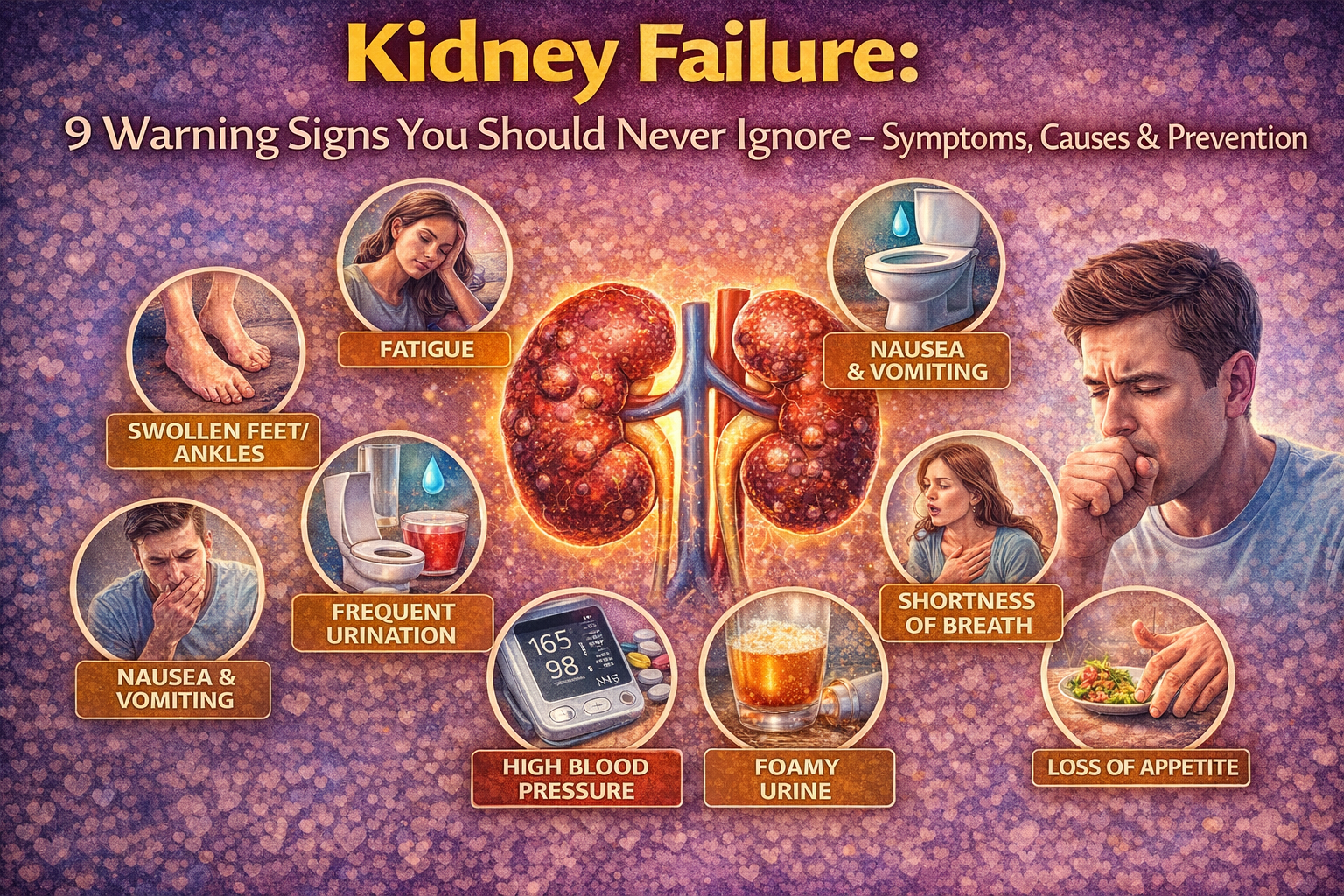
ToggleKidney Failure: 9 Warning Signs You Should Never Ignore – Symptoms, Causes & Prevention
Introduction: Understanding Kidney Failure
What Is Kidney Failure?
Kidney failure—also called renal failure—is a serious medical condition where the kidneys lose their ability to effectively filter waste and balance fluids in the body. Every day, your kidneys quietly process about 200 quarts of blood, removing toxins, balancing electrolytes, and regulating blood pressure. But when they start to fail, these essential functions deteriorate, leading to a dangerous buildup of waste that can affect nearly every organ system.
There are two major types of kidney failure: acute (sudden) and chronic (gradual). Acute kidney failure may occur after a severe infection, injury, or medication reaction, while chronic kidney disease (CKD) develops slowly over months or years. The scary part? Many people live with declining kidney function without even realizing it.
Why Kidney Health Is Often Overlooked
Unlike heart attacks or strokes that produce dramatic symptoms, kidney disease is known as a “silent killer.” It often goes unnoticed until the kidneys have lost more than 80% of their function. Part of the problem is that early signs—like fatigue or mild swelling—are easy to dismiss as stress or aging. Unfortunately, by the time visible symptoms appear, the damage may already be severe.
In today’s world of busy routines, poor diet, and constant stress, kidney health rarely gets the attention it deserves. Yet, these two bean-shaped organs are critical to your survival. Understanding their role and recognizing the red flags early can make all the difference between manageable treatment and life-threatening failure.
The Vital Role of Kidneys in Your Body
How the Kidneys Function
Think of your kidneys as your body’s natural filtration system. They continuously remove waste products from the blood, control the balance of water, salts, and minerals like sodium, calcium, and potassium, and produce hormones that regulate blood pressure and red blood cell production.
Each kidney contains about one million tiny filters called nephrons. These nephrons work tirelessly to keep your blood clean and your body in balance. When even a fraction of them stop working, waste begins to accumulate—affecting everything from your skin and digestion to your energy levels and heart health.
Beyond filtering waste, kidneys also help activate vitamin D, which supports strong bones. They maintain acid-base balance, preventing your blood from becoming too acidic. In short, they’re not just waste processors—they’re life-sustaining multitaskers.
What Happens When They Stop Working Properly?
When kidney function declines, toxins that are normally flushed out start to build up. This leads to symptoms like fatigue, swelling, nausea, and confusion. Over time, untreated kidney failure can cause high blood pressure, heart disease, and even nerve damage.
If both kidneys fail completely, dialysis or a kidney transplant becomes necessary to stay alive. However, kidney failure doesn’t happen overnight. It’s usually the result of prolonged neglect or underlying conditions such as diabetes, hypertension, or chronic dehydration.
In other words, your kidneys send out subtle distress signals long before shutting down completely—it’s up to you to recognize them.
The Early Warning Signs of Kidney Failure
Why Recognizing Early Symptoms Can Save Your Life
Early detection is the most powerful weapon against kidney failure. The tricky part is that kidney disease progresses quietly. You might feel “off” but can’t pinpoint why. Maybe you’re more tired than usual, or your ankles seem swollen after a long day. These small cues are easy to ignore—but they’re often the first signs that your kidneys are struggling.
Catching these signs early allows doctors to slow or even reverse the damage through medication, diet changes, and lifestyle improvements. Many patients who act quickly can prevent the need for dialysis or transplant altogether.
So, let’s break down the nine key symptoms that should never be ignored—because knowing them could literally save your life.
The 9 Symptoms That Should Raise Concern
1. Swelling in Ankles, Feet, or Hands
Fluid retention is one of the earliest and most visible signs of kidney trouble. When kidneys fail to remove excess fluid and sodium from the body, it begins to collect in tissues—particularly in the ankles, feet, and hands.
You might notice your shoes feeling tighter than usual, or your socks leaving deeper marks around your legs. This swelling, medically known as edema, can also appear around the eyes or face, especially in the morning.
Many people confuse edema with simple water retention or aging-related bloating. However, if the swelling is persistent or seems to worsen despite proper hydration and diet, it could be a sign that your kidneys aren’t functioning efficiently.
In advanced stages, fluid buildup may spread to the lungs, causing shortness of breath or chest discomfort. That’s why it’s essential to consult a healthcare provider if you experience recurring swelling—especially when accompanied by other symptoms like fatigue or changes in urination.
2. Fatigue and Weakness
Feeling unusually tired even after a full night’s sleep? Chronic fatigue is another hallmark of kidney failure. When kidneys fail, waste products accumulate in the bloodstream, which can interfere with oxygen delivery and energy production.
Additionally, damaged kidneys may produce less erythropoietin, a hormone that stimulates red blood cell production. This leads to anemia, leaving you feeling drained, dizzy, or short of breath after minimal effort.
Unlike normal tiredness from overwork, kidney-related fatigue doesn’t improve with rest. It can creep into daily life, affecting concentration, work performance, and mood. Many patients describe it as “walking through mud” or feeling “constantly exhausted for no reason.”
If this sounds familiar, don’t brush it off. Persistent fatigue could be an early cry for help from your kidneys.
3. Changes in Urination Patterns
Your kidneys are directly responsible for producing urine, so any noticeable change in your urination pattern could indicate an underlying kidney problem. This might include urinating more frequently (especially at night), urinating less than usual, or even seeing blood in the urine.
A healthy adult typically urinates about six to eight times a day, but if you find yourself waking up multiple times at night to use the bathroom, your kidneys could be struggling to regulate fluid balance. On the other hand, reduced urine output might suggest that the kidneys aren’t filtering properly.
Pay close attention to the color and consistency of your urine. Foamy or bubbly urine can be a sign of excess protein, which often leaks into the urine when the kidneys are damaged. Cloudy or dark-colored urine could also indicate infection, dehydration, or kidney dysfunction.
Sometimes, people ignore these symptoms because they appear mild or intermittent. However, consistent or unexplained changes should never be taken lightly. Keeping a simple urine diary—recording frequency, color, and volume—can be a useful tool to discuss with your doctor during evaluation.
4. Persistent Nausea and Vomiting
When kidneys can’t properly remove toxins and waste from the bloodstream, these harmful substances start to accumulate, affecting your digestive system. As a result, you may experience persistent nausea, vomiting, or loss of appetite.
This condition, often called uremic syndrome, occurs when urea and other waste products reach toxic levels in the blood. Many people describe the feeling as “having a constant upset stomach” or “feeling nauseous after every meal.” Over time, it leads to unintentional weight loss, malnutrition, and severe dehydration.
What’s tricky is that these symptoms can mimic other issues such as food poisoning, acid reflux, or flu. But if your nausea doesn’t improve with standard remedies—or if it’s accompanied by fatigue, swelling, or changes in urination—it’s crucial to get your kidney function tested.
Ignoring these signs can worsen toxin buildup, potentially leading to life-threatening complications. The moment you feel your stomach constantly revolting against food, it might not be your digestion that’s the problem—it could be your kidneys asking for help.
5. Shortness of Breath
Shortness of breath is another symptom often overlooked in kidney disease. When kidney function declines, two main things happen: fluid accumulation and anemia. Both can make breathing difficult.
Fluid buildup in the lungs—known as pulmonary edema—occurs when the kidneys can’t eliminate excess fluid, leading to congestion in the chest. You might feel breathless even while resting or notice increased difficulty climbing stairs or lying flat.
At the same time, kidney-related anemia reduces oxygen supply to tissues. Without enough red blood cells, your body struggles to carry oxygen efficiently, leaving you gasping for air even during simple activities.
Unfortunately, many people attribute this symptom to aging, lack of fitness, or lung problems. But if shortness of breath appears suddenly or is paired with swelling and fatigue, it’s a strong indicator that your kidneys might not be working properly.
Doctors can determine whether the issue is kidney-related through simple blood and urine tests. Don’t wait until breathlessness becomes severe—early evaluation can prevent irreversible damage.
6. Dry and Itchy Skin
Itchy, flaky skin may seem like a minor annoyance, but when persistent, it can be a telltale sign of kidney dysfunction. The kidneys are vital in maintaining the right balance of minerals and nutrients in your bloodstream. When they fail, toxins and waste accumulate, disrupting this balance and causing your skin to react.
A condition known as uremic pruritus—a common symptom in chronic kidney disease—leads to intense itching that often worsens at night. This itchiness can occur without any rash and typically affects the back, arms, and legs. In addition, dry skin may crack or peel, making it even more uncomfortable.
High levels of phosphorus in the blood, a result of poor kidney filtration, also contribute to itching. As phosphorus builds up, calcium deposits may form under the skin, causing irritation.
If you notice that no amount of moisturizer or cream provides relief, it’s time to look deeper. Persistent dryness, especially when combined with other symptoms like fatigue or swelling, should prompt a kidney function test. Simple blood panels can reveal phosphate and urea levels—two key indicators of kidney health.
7. Metallic Taste in Mouth or Bad Breath
Ever experienced a strange metallic taste in your mouth or noticed that your breath smells unpleasant no matter how much you brush? This could be more than just bad hygiene—it could be a sign that your kidneys aren’t filtering toxins efficiently.
As kidney function deteriorates, urea builds up in the blood. This compound breaks down into ammonia in the saliva, leading to what’s commonly known as “uremic breath.” People often describe it as tasting like metal, iron, or chemicals. Food may start to taste bitter, and even water can have an odd aftertaste.
This unpleasant change often leads to loss of appetite and weight loss because meals simply stop tasting appealing. It’s also common for individuals with kidney issues to complain of a constant dry mouth, further worsening the taste.
In many cases, a metallic taste is one of the earliest warning signs of kidney distress—appearing long before other symptoms. If you notice this alongside fatigue, nausea, or urination changes, consult a doctor for a kidney function test.
8. High Blood Pressure
High blood pressure (hypertension) is both a cause and a consequence of kidney failure. The kidneys regulate blood pressure by controlling the amount of sodium and fluid in your body. When they become damaged, this balance is disrupted, leading to fluid retention and elevated blood pressure.
Over time, this creates a vicious cycle: high blood pressure damages the kidneys further, and damaged kidneys cause even higher blood pressure. Without intervention, this ongoing pressure can permanently scar kidney tissue, leading to chronic kidney disease (CKD).
Many people with kidney-related hypertension don’t experience symptoms right away. But when it does manifest, it may come with headaches, dizziness, blurred vision, or chest pain. Regular blood pressure checks are essential—especially if you have diabetes, obesity, or a family history of kidney disease.
Managing high blood pressure through diet, exercise, and prescribed medication can significantly slow down kidney damage. Ignoring it, however, puts you at risk not only for kidney failure but also for heart attack and stroke.
9. Trouble Concentrating or Brain Fog
If you’ve been feeling unusually forgetful, confused, or unable to focus, your kidneys might be to blame. When they stop functioning properly, waste products build up in the blood, reducing oxygen flow to the brain. This results in mental fatigue, confusion, and memory lapses, commonly referred to as “brain fog.”
Patients often describe it as being in a constant haze—unable to concentrate at work, forgetting simple tasks, or feeling detached from reality. This happens because the brain is highly sensitive to changes in blood chemistry and oxygen levels, both of which are disrupted in kidney failure.
In advanced cases, patients can even develop seizures or severe cognitive impairment, particularly if toxins reach dangerously high levels.
If brain fog is accompanied by other symptoms like fatigue, nausea, or swelling, it’s a sign that your body’s internal balance is off—and your kidneys might be at the root of it. Addressing the underlying issue can restore mental clarity and overall well-being.
Common Misconceptions About Kidney Failure
Debunking Myths and Misinformation
Kidney failure is surrounded by myths that often create unnecessary fear or lead to dangerous misinformation. One of the most common myths is that kidney failure always happens suddenly. In reality, most cases develop slowly over time due to conditions like diabetes, hypertension, or long-term use of certain medications. Chronic kidney disease (CKD) can take years to reach an advanced stage, making early detection absolutely crucial.
Another widespread misconception is that kidney failure is a death sentence. While it’s true that kidney failure is serious, modern medicine offers several effective treatments, including dialysis and kidney transplants, that allow patients to live long and fulfilling lives. Many people with kidney failure go on to enjoy decades of quality living with proper medical care and lifestyle management.
People also believe that if they don’t feel pain, their kidneys must be fine. Unfortunately, kidney disease is often painless until it’s far advanced. The kidneys do not have pain receptors like the skin or muscles; therefore, damage can go unnoticed for years. Similarly, the myth that drinking large amounts of water can “flush out” kidney problems is also misleading. While hydration is essential, excessive water intake won’t reverse or repair kidney damage—it may even cause harm if the kidneys are already struggling to filter fluids properly.
Lastly, some assume that only the elderly are at risk. However, kidney disease can affect anyone, including young adults and even children, especially those with underlying health conditions or genetic predispositions. The takeaway? Kidney health should be everyone’s concern—not just something to worry about in later life.
When to Seek Medical Attention
How to Know It’s Time to See a Doctor
Knowing when to consult a healthcare professional can make the difference between reversible damage and lifelong dialysis. You should seek medical help immediately if you experience persistent swelling, fatigue, changes in urination, or unexplained nausea. These symptoms often indicate that your kidneys are struggling and need professional evaluation.
Doctors typically begin with a blood test to measure creatinine and blood urea nitrogen (BUN) levels—two key indicators of kidney function. Elevated levels of these substances suggest that the kidneys are not filtering waste properly. They may also perform a urinalysis to detect protein, blood, or abnormal particles in your urine.
If you have diabetes, hypertension, or a family history of kidney disease, regular check-ups are even more important. These conditions significantly increase your risk of developing chronic kidney disease, and early intervention can prevent progression to full kidney failure.
Some warning signs require urgent attention, including severe shortness of breath, confusion, chest pain, or swelling that worsens rapidly. These could indicate fluid buildup in the lungs or heart—both medical emergencies. Never delay seeking care due to fear or uncertainty; the sooner you act, the more treatment options you’ll have available.
Remember: Kidney problems rarely resolve on their own. Ignoring them only allows the condition to progress. Listen to your body—it often whispers before it screams.
Diagnostic Tests for Kidney Failure
Blood and Urine Tests Explained
When kidney issues are suspected, doctors rely on a combination of tests to measure how well your kidneys are functioning. The most common tests include:
-
Serum Creatinine Test: Measures creatinine, a waste product from muscle metabolism. High levels indicate poor kidney filtration.
-
Blood Urea Nitrogen (BUN): Determines how efficiently your kidneys remove urea from your blood.
-
Estimated Glomerular Filtration Rate (eGFR): Calculated from creatinine levels, age, and gender. An eGFR below 60 suggests chronic kidney disease.
-
Urinalysis: Detects protein, blood, and infection markers in your urine. The presence of albumin (a type of protein) is an early warning sign of kidney damage.
-
Microalbumin Test: Specifically measures small amounts of protein leakage that may not appear in a standard urinalysis.
These tests are simple, affordable, and non-invasive, yet they provide invaluable insight into your kidney health. Your doctor may also perform electrolyte panels to assess sodium, potassium, and calcium balance—all of which are regulated by the kidneys.
Imaging and Biopsy: What to Expect
In some cases, your doctor might order imaging studies such as an ultrasound, CT scan, or MRI to visualize the kidneys. These tests help detect blockages, stones, or structural abnormalities. For example, an ultrasound can reveal cysts or tumors, while a CT scan provides detailed images of kidney size and shape.
If these tests indicate serious damage or inflammation, a kidney biopsy might be necessary. During this procedure, a small tissue sample is taken from the kidney and examined under a microscope to identify the exact cause of damage. Though the idea of a biopsy may sound intimidating, it’s a quick and minimally invasive procedure usually done under local anesthesia.
All of these diagnostic tools play a crucial role in determining not just whether kidney failure is present, but also what stage it’s in and how best to treat it. The earlier the diagnosis, the better the chances of preserving kidney function.
Treatment Options for Kidney Failure
Medications and Lifestyle Adjustments
If diagnosed early, kidney failure can often be managed effectively through medication, dietary changes, and lifestyle improvements. Doctors typically prescribe medications to control blood pressure, blood sugar, and cholesterol—all of which can protect kidney function. For example, ACE inhibitors or ARBs are commonly used to lower blood pressure and reduce strain on the kidneys.
Dietary modifications play an equally vital role. A low-sodium, low-protein, and low-phosphorus diet helps reduce the kidneys’ workload. Increasing intake of fresh fruits, vegetables, and water while avoiding processed foods and excess salt can make a noticeable difference. It’s also crucial to avoid over-the-counter painkillers like ibuprofen or naproxen unless prescribed, as they can cause additional kidney stress.
Lifestyle changes—such as maintaining a healthy weight, quitting smoking, limiting alcohol, and exercising regularly—can greatly improve outcomes. Even small adjustments can help slow down kidney damage and enhance quality of life.
Dialysis and Transplant Options
When kidney function drops below 15%, patients may need dialysis or a kidney transplant to survive. Dialysis is a treatment that removes waste and excess fluid from the blood, mimicking the natural function of the kidneys. There are two main types:
-
Hemodialysis: Blood is filtered through a machine outside the body.
-
Peritoneal Dialysis: The lining of your abdomen filters blood inside your body using a cleansing fluid.
Both methods have advantages, and the choice depends on personal preference, health condition, and lifestyle.
A kidney transplant offers a more permanent solution. In this procedure, a healthy kidney from a donor replaces the failing one. Transplants can come from living donors (family or friends) or deceased donors. With proper medication and care, transplant recipients can live normal, active lives for decades.
The key is early preparation and consultation with a nephrologist. Even before reaching end-stage kidney failure, discussing dialysis or transplant options helps you stay one step ahead.
Preventing Kidney Failure Before It Starts
Practical Tips for Everyday Kidney Health
Preventing kidney failure isn’t just about treating disease—it’s about protecting your kidneys daily. Here are simple, science-backed tips to keep them healthy:
-
Stay Hydrated: Drink enough water to keep urine light yellow, but avoid overhydration.
-
Monitor Blood Pressure: High blood pressure silently damages kidneys over time.
-
Control Blood Sugar: Diabetes is a leading cause of kidney failure—manage it diligently.
-
Eat a Balanced Diet: Choose whole foods, reduce processed salts, and limit red meat.
-
Exercise Regularly: Physical activity enhances blood flow and reduces hypertension.
-
Avoid Smoking and Excessive Alcohol: Both impair circulation and kidney filtration.
-
Get Regular Checkups: Annual blood and urine tests help catch problems early.
-
Limit Painkillers: Overuse of NSAIDs (like ibuprofen) can trigger kidney inflammation.
-
Manage Stress: Chronic stress can indirectly harm kidneys by elevating blood pressure.
By adopting these habits, you not only safeguard your kidneys but also boost overall wellness. Prevention truly is the best medicine when it comes to kidney health.
Living a Healthy Life After Diagnosis
Emotional and Physical Care Strategies
Being diagnosed with kidney failure can be emotionally overwhelming. It’s normal to feel fear, confusion, or even denial at first. However, living with kidney disease doesn’t mean life is over—it means life will need a new rhythm and perspective. With the right care and mindset, many people live long, fulfilling lives after diagnosis.
Emotional well-being is just as important as physical health. One of the best steps you can take is to build a support network—this includes family, friends, doctors, and even online communities for kidney patients. Talking about your journey helps reduce anxiety and empowers you to stay positive. Some patients also benefit from speaking with a therapist or counselor, especially during the adjustment phase of dialysis or transplant recovery.
On the physical side, maintaining consistency with treatment is key. If you’re on dialysis, adhere strictly to your schedule, follow dietary restrictions, and monitor fluid intake. Missing treatments or neglecting medication can lead to dangerous complications.
Nutrition plays a vital role post-diagnosis. A renal-friendly diet typically includes:
-
Fresh fruits like apples, grapes, and berries (low in potassium)
-
High-quality proteins in moderation (such as eggs or fish)
-
Reduced sodium, phosphorus, and potassium intake
-
Plenty of water (as recommended by your doctor)
It’s also crucial to monitor blood pressure and blood sugar daily. Even small fluctuations can strain your kidneys and cardiovascular system. Regular exercise—like walking, yoga, or swimming—helps keep your heart strong and improves energy levels.
Finally, celebrate small victories. Whether it’s maintaining stable test results or simply feeling more energetic, every positive step counts. Living with kidney failure is a journey, not a destination—and with commitment, awareness, and support, you can lead a life full of purpose and hope.
Conclusion: Listen to Your Body, Act Early
Your kidneys may be small, but their importance is enormous. They work tirelessly to filter waste, balance fluids, and keep your body running smoothly. Yet, because kidney disease often progresses silently, it’s easy to miss the warning signs until it’s too late.
The nine symptoms discussed—swelling, fatigue, urination changes, nausea, shortness of breath, itchy skin, metallic taste, high blood pressure, and brain fog—are your body’s early cries for help. Ignoring them could lead to irreversible damage, but recognizing and addressing them promptly can mean the difference between recovery and lifelong treatment.
Kidney failure doesn’t develop overnight; it’s often a slow accumulation of neglect, poor lifestyle habits, or unmanaged health conditions. The good news? You have the power to prevent it. Regular checkups, healthy habits, and prompt attention to unusual symptoms can protect your kidneys for years to come.
So, listen closely to your body. It’s always communicating—sometimes quietly, sometimes urgently. Don’t let fear drive your decisions; let knowledge and awareness guide them. Because when it comes to your kidneys, early action saves lives.
Frequently Asked Questions (FAQs)
1. Can kidney failure be reversed?
In some cases—especially with acute kidney injury—function can improve once the underlying cause (like dehydration or infection) is treated. However, chronic kidney failure is often irreversible. Early detection and management, though, can slow or stop progression.
2. How can I test my kidney function at home?
You can use at-home urine dipstick tests to check for protein or blood in your urine. However, these are only preliminary indicators. The most accurate assessments—like eGFR and creatinine levels—require lab testing ordered by your doctor.
3. What foods are best for kidney health?
Focus on foods low in sodium, potassium, and phosphorus. Fresh fruits (like apples, berries, and grapes), whole grains, lean proteins (such as fish or eggs), and plenty of water (as advised) are ideal. Avoid processed and salty foods.
4. Is kidney failure hereditary?
Some forms of kidney disease, such as polycystic kidney disease (PKD), are genetic. However, most cases result from lifestyle factors or chronic conditions like diabetes and high blood pressure. If you have a family history, get screened regularly.
5. How often should I get my kidneys checked?
Healthy adults should have kidney function tests once a year during routine checkups. If you have diabetes, hypertension, or a family history of kidney disease, you should test every 6 months or as recommended by your doctor.
Final Thought:
Your kidneys silently support every heartbeat, every breath, and every moment of your life. Protecting them isn’t just about medical care—it’s about honoring the balance that keeps your body alive and thriving.
Liver Controversy: 7 Everyday Foods That Silently Damage Your Liver and Health…….