Table of Contents
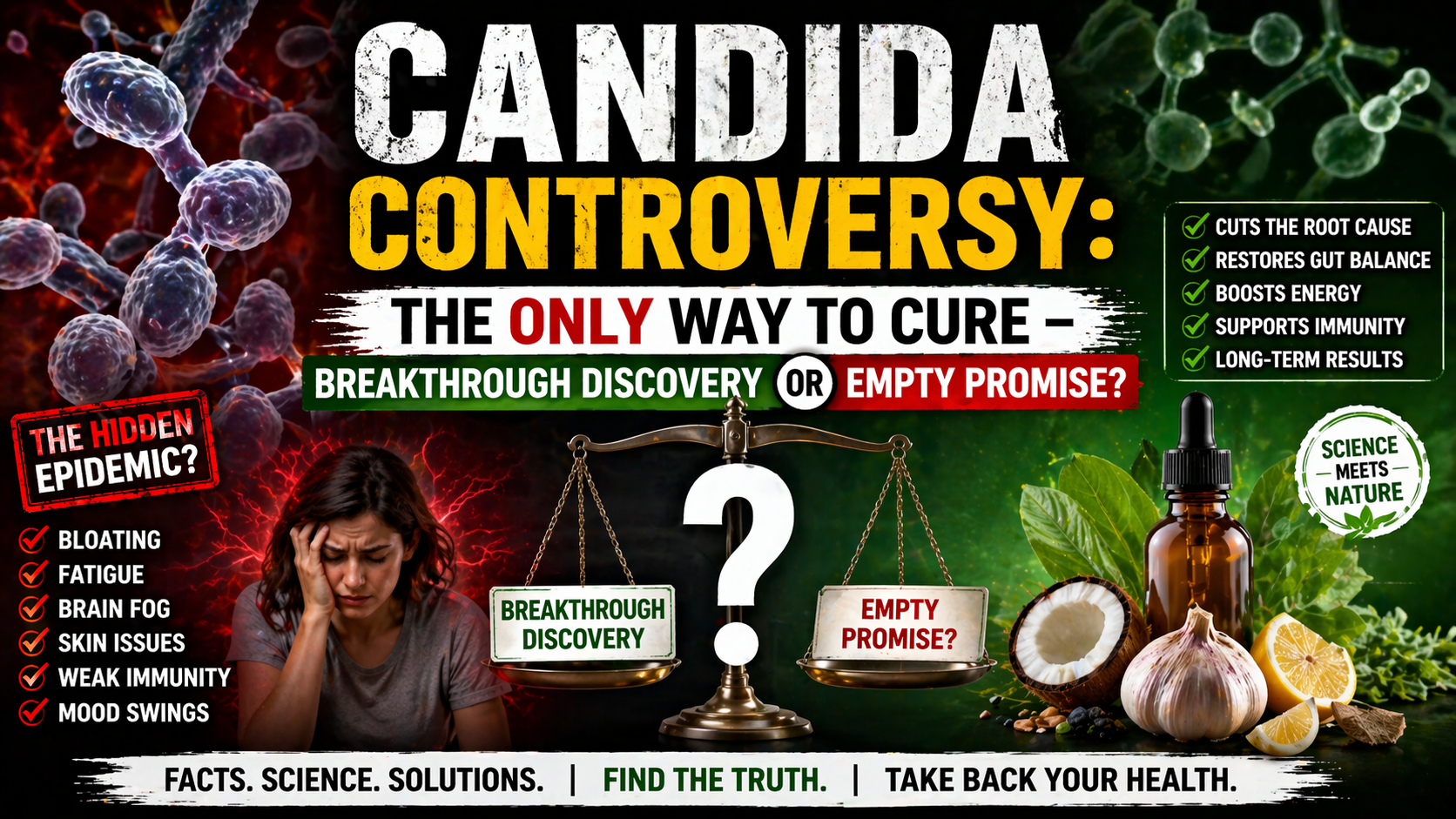
ToggleCandida Controversy: The Only Way to Cure – Breakthrough Discovery or Empty Promise?
Introduction: Understanding the Candida Craze
Candida has become a buzzword in the world of wellness, sparking debates that stretch from doctor’s offices to social media feeds. Some say it’s the hidden cause of fatigue, brain fog, and digestive distress. Others dismiss it as a wellness fad built on pseudoscience and marketing. But what’s the truth? Is there really an “only way” to cure Candida, or is it all smoke and mirrors designed to sell supplements and books?
Before jumping into the cure claims, it’s important to understand what Candida actually is, how it behaves in your body, and why it’s become one of the most controversial health topics of the decade. Many people are desperate for answers—when traditional medicine fails to explain chronic symptoms, the allure of a simple Candida explanation feels comforting. But comfort doesn’t always equal truth.
Let’s dive deep into the science, the myths, and the so-called “breakthrough” cure to uncover whether this Candida revolution is truly transformative or just another empty promise riding the wave of wellness culture.
What Exactly Is Candida?
Candida is a genus of yeast—yes, a fungus—that naturally lives inside your body. It’s found mostly in the mouth, gut, skin, and vaginal tract. Normally, it coexists peacefully with bacteria and other microorganisms. Think of it as part of your body’s microscopic ecosystem—a balance of good and bad residents that keeps things running smoothly.
The trouble begins when Candida gets the upper hand. Antibiotics, stress, a diet high in sugar, or a weakened immune system can disrupt the balance, allowing Candida to multiply uncontrollably. This overgrowth can lead to what’s often called “Candidiasis.”
Candidiasis isn’t limited to one area—it can manifest as oral thrush, vaginal yeast infections, or systemic infections in severe cases. The controversy comes in when people claim that Candida can cause a wide array of unexplained symptoms—from fatigue and brain fog to joint pain and skin issues.
While conventional doctors often view Candida issues as localized infections, alternative health advocates argue it’s a systemic problem linked to modern lifestyles. The truth, as usual, might lie somewhere in between.
Common Symptoms of Candida Overgrowth
Candida overgrowth doesn’t always present itself in obvious ways. Sure, you might experience yeast infections or oral thrush, but the list of alleged symptoms goes much further. Some claim that chronic bloating, food cravings, anxiety, sinus issues, and even depression can stem from yeast imbalance.
Here’s a breakdown of the symptoms often associated with Candida overgrowth:
-
Persistent fatigue, even after full rest
-
Brain fog or difficulty concentrating
-
Recurring yeast infections
-
Digestive issues such as bloating or constipation
-
Sugar or carb cravings
-
Skin issues like eczema or rashes
-
Mood swings or irritability
However, many of these symptoms overlap with other conditions like IBS, thyroid disorders, or even chronic stress. That’s what makes diagnosing Candida overgrowth so tricky—and controversial. There’s no standardized medical test to confirm it in its “systemic” form, which leaves patients relying on subjective symptoms and alternative testing methods.
Still, the sheer number of people reporting relief after following anti-Candida diets or supplements keeps the debate alive. Could all these people be wrong? Or are traditional doctors missing something crucial?
Why Candida Became Such a Controversial Topic
The Candida discussion exploded in the late 20th century, especially after the release of Dr. Orian Truss’s and Dr. William Crook’s books on yeast-related illnesses. These works proposed that chronic yeast infections might be behind many “mystery illnesses” that doctors couldn’t explain.
As word spread, wellness gurus and holistic practitioners picked up the narrative. Soon, the “Candida Cleanse” became a trend, with countless detox plans and diets promising to “starve the yeast” and restore balance.
The controversy lies in how far-reaching these claims became. On one hand, the approach empowered people to take control of their health. On the other, it led to self-diagnosis, unnecessary restriction diets, and expensive supplement regimens.
Mainstream medicine pushed back, arguing there wasn’t enough clinical evidence to prove Candida caused such a wide range of symptoms. But the testimonies from thousands of people who felt better after addressing their “Candida problem” made the debate even murkier.
It’s a classic clash between anecdotal evidence and scientific skepticism.
Is Candida Overgrowth a Real Medical Condition?
Here’s where opinions split. Conventional medicine recognizes Candida infections as legitimate—but usually localized. Doctors treat oral thrush, vaginal yeast infections, or severe bloodstream infections (in immunocompromised patients) using antifungal medications.
But the concept of “systemic Candida overgrowth”—a body-wide yeast imbalance causing everything from fatigue to anxiety—isn’t recognized as a medical diagnosis by most physicians.
Alternative practitioners, however, claim that Candida can quietly infiltrate the bloodstream, affecting organs and triggering widespread inflammation. They argue that diet, antibiotics, and toxins disrupt the microbiome, allowing Candida to thrive unchecked.
The problem? There’s no universally accepted test for “chronic Candida.” Blood or stool tests can show yeast presence, but they don’t prove overgrowth or causation.
This uncertainty leaves patients in limbo—torn between doctors who dismiss their concerns and holistic experts who promise total recovery.
So, who’s right? The answer might depend on the individual case. There’s no denying that gut health plays a massive role in overall wellness, and yeast imbalances could contribute to broader systemic issues. But calling it the “root of all illness” might be stretching the truth.
The Science Behind the Debate
When it comes to science, both sides have some valid points. Some studies suggest that Candida can indeed influence immune response, inflammation, and even mental health. Yeast metabolites like acetaldehyde can affect the brain and contribute to “foggy” symptoms.
On the flip side, many studies fail to confirm that mild yeast overgrowth causes the broad range of issues claimed by alternative medicine. The placebo effect and lifestyle changes made during “Candida cleanses” (like cutting sugar or processed foods) could explain why people feel better—not necessarily because yeast levels dropped.
In essence, science hasn’t caught up with the full complexity of the microbiome. The relationship between bacteria, yeast, and human health is still being unraveled. Until then, the Candida controversy remains a gray zone where science meets speculation.
The “Only Way to Cure Candida” Movement
The phrase “The Only Way to Cure Candida” pops up everywhere—from influencer posts to self-proclaimed health experts’ programs. The movement claims there’s a singular, revolutionary method to eliminate Candida for good.
Typically, this method involves three steps: starving the yeast (via diet), killing it (with antifungals or herbs), and rebuilding gut flora (using probiotics). Sounds logical, right? But the execution is where things get messy.
Some protocols are extreme, cutting out nearly every carbohydrate or relying on harsh cleanses that can cause more harm than good. Others are more balanced, focusing on long-term gut repair.
The biggest red flag? Anyone claiming there’s one universal cure. Every body is different, and Candida-related issues depend on multiple factors—diet, immunity, genetics, even stress levels.
So while the “only way” slogan sells well, the truth is more nuanced. Healing from Candida isn’t about quick fixes—it’s about long-term lifestyle balance.
Diet as a Weapon Against Candida
When people talk about curing Candida, the first word that usually comes up is diet. After all, what we eat shapes our gut health—and Candida thrives on certain foods. The theory is simple: starve the yeast by cutting off its food supply. But what exactly does that mean in practice?
The Candida Diet is a structured eating plan designed to limit foods that feed yeast (like sugar and refined carbs) while emphasizing those that promote balance, such as vegetables, lean proteins, and probiotics. For many, it’s less of a “diet” and more of a temporary reset for the digestive system.
Foods to Avoid:
The main culprits are sugars, both refined and natural. Candida loves glucose—it’s like jet fuel for yeast. That means cutting out:
-
Refined sugar and artificial sweeteners
-
White flour and processed carbs
-
Alcohol (especially beer and wine)
-
Fermented foods (at least initially)
-
High-starch vegetables and fruits
Foods to Focus On:
To fight yeast and heal the gut, the diet encourages nutrient-dense foods such as:
-
Non-starchy vegetables (broccoli, kale, spinach)
-
Lean proteins (chicken, fish, eggs)
-
Healthy fats (avocado, olive oil, coconut oil)
-
Herbs and spices with antifungal properties (garlic, oregano, turmeric)
For many, this shift alone brings noticeable improvements—more energy, clearer skin, fewer digestive issues. But here’s the catch: it’s not an overnight fix. Cutting sugar may cause “die-off” symptoms—temporary fatigue or headaches—as yeast cells die and release toxins. This stage can be discouraging, but it’s often a sign that the body is recalibrating.
Ultimately, the Candida diet works because it supports a balanced microbiome. Even if Candida isn’t the main culprit, eating less processed food and sugar is universally beneficial. It’s a win-win for anyone seeking better health.
Probiotics and Gut Health: A Real Solution or Just Trendy?
In the age of wellness, probiotics are everywhere—from supplements to sparkling drinks. But do they really help fight Candida? The short answer: yes, but not all probiotics are created equal.
Probiotics are beneficial bacteria that help maintain balance in the gut microbiome. When the microbiome is healthy, Candida can’t dominate. Think of it like a neighborhood watch—good bacteria keep yeast under control.
Strains such as Lactobacillus acidophilus and Bifidobacterium bifidum are known to produce lactic acid, which lowers gut pH and creates an environment hostile to yeast. Additionally, Saccharomyces boulardii, a beneficial yeast, competes directly with Candida and can prevent its overgrowth.
But it’s not just about taking a pill. Probiotic foods like kefir, sauerkraut, and kimchi can provide natural microbial diversity—though some Candida protocols avoid fermented foods early on until balance is restored. Once your gut starts healing, slowly reintroducing these foods can help rebuild a resilient microbiome.
The key is consistency. A single probiotic supplement won’t fix chronic imbalance. It takes time, often months, of diet and lifestyle alignment. In short, probiotics aren’t a “trend”—they’re a cornerstone of maintaining internal harmony.
Antifungal Medications and Natural Alternatives
When it comes to treating Candida, antifungals are the heavy hitters. Doctors may prescribe medications like fluconazole (Diflucan) or nystatin, which directly kill yeast. These are highly effective for localized infections, but systemic Candida or chronic yeast imbalance often require a broader approach.
That’s where natural antifungals come into play. Herbs and plant-based compounds have been used for centuries to fight fungal infections safely and gently. Some of the most effective include:
-
Oregano oil – Contains carvacrol and thymol, which destroy yeast cell walls.
-
Caprylic acid – Found in coconut oil, known to inhibit Candida growth.
-
Garlic – A natural antifungal that supports detoxification.
-
Berberine – Found in goldenseal and barberry, helps balance gut flora.
Unlike pharmaceuticals, natural antifungals can often be used longer-term with fewer side effects. However, overuse or excessive doses can still cause die-off reactions, so gradual introduction is essential.
The best approach combines targeted antifungals with a nutrient-rich diet and probiotics to rebuild balance once Candida is suppressed. Remember: killing Candida isn’t enough—you must also heal the terrain it thrived in.
The Hidden Role of Sugar and Processed Foods
If there’s one thing all experts agree on, it’s this: sugar feeds Candida.
Candida thrives on glucose, and when your diet is loaded with refined sugar, you’re essentially giving it an unlimited buffet. That’s why sugar cravings are a hallmark symptom of yeast imbalance—Candida manipulates your appetite, making you reach for sweets so it can survive.
Processed foods add to the problem by containing hidden sugars, preservatives, and additives that disrupt gut bacteria. Even foods marketed as “healthy” (like energy bars or fruit juices) can be sneaky sources of sugar.
Breaking free from sugar addiction isn’t easy. Many people experience withdrawal-like symptoms when they quit—headaches, irritability, fatigue—but the payoff is immense. Within weeks, energy levels stabilize, digestion improves, and cravings fade.
A helpful strategy is replacing refined sweets with natural alternatives like stevia or monk fruit. Also, eating more protein and healthy fats stabilizes blood sugar and reduces the urge to snack.
In essence, cutting sugar isn’t just a Candida cure—it’s a total body reset.
Lifestyle Changes That Support Candida Healing
Healing from Candida goes beyond diet and supplements—it’s a lifestyle transformation. Your immune system, sleep, stress levels, and hydration all influence yeast balance.
Stress, for instance, elevates cortisol, which weakens immunity and disrupts gut flora. Chronic stress can undo even the strictest Candida protocol. That’s why incorporating stress management techniques—like meditation, deep breathing, or nature walks—is crucial.
Sleep is another underrated factor. During deep sleep, the body repairs tissue, regulates hormones, and detoxifies. Aim for at least 7–8 hours of quality rest each night.
Exercise, too, boosts circulation and lymphatic drainage, helping the body eliminate toxins released during Candida die-off. But over-exercising can raise stress hormones, so balance is key—think yoga, pilates, or light cardio rather than intense workouts.
Lastly, hydration supports liver function and toxin removal. Add a squeeze of lemon or a pinch of sea salt to water for better mineral absorption.
True Candida healing happens when the whole body is in harmony—physically, mentally, and emotionally.
The Psychological Factor: Is Candida a Convenient Scapegoat?
One reason Candida has stirred so much controversy is psychological. It gives a name—and an enemy—to vague symptoms modern medicine often overlooks. For someone who’s been dismissed by doctors, the Candida theory feels empowering: finally, an explanation!
But there’s a risk. When every symptom is blamed on Candida, other conditions may go unnoticed—thyroid imbalances, adrenal fatigue, or even emotional stress. Sometimes, the “Candida cure” works simply because it encourages people to eat cleaner, rest more, and listen to their bodies.
That’s not to say Candida isn’t real—it absolutely is. But it’s also become a cultural symbol for imbalance in our modern lifestyle: too much sugar, too much stress, too many antibiotics. It’s as much a metaphor as a medical concern.
So yes, Candida may be the villain in the story—but sometimes it’s just pointing us toward a bigger lesson about how we live.
Real-Life Success Stories and Cautionary Tales
Thousands of people online claim to have healed their bodies by following anti-Candida protocols. From chronic fatigue sufferers to those with lifelong digestive issues, many describe life-changing results. They speak of clearer skin, balanced moods, and energy levels they hadn’t felt in years.
However, there are also cautionary tales. Some individuals go to extremes—cutting too many foods, relying solely on supplements, or ignoring other medical conditions. Over-restriction can lead to nutrient deficiencies, disordered eating, or frustration when results don’t appear as fast as expected.
The takeaway? Candida healing isn’t one-size-fits-all. What works wonders for one person may backfire for another. Listening to your body, consulting professionals, and approaching the process with patience and balance are key.
Conclusion: Breakthrough or Empty Promise?
So, is “The Only Way to Cure Candida” a genuine breakthrough—or just another health myth dressed in scientific language?
The truth lies somewhere in between. Candida overgrowth is real and can cause significant discomfort, but the idea of one singular cure is oversimplified. Healing requires a holistic approach—targeting diet, lifestyle, and microbial balance together.
If the movement inspires people to eat cleaner, manage stress, and prioritize gut health, that’s a positive thing. But beware of exaggerated claims or expensive “miracle” products. The real cure lies not in one protocol, but in sustainable habits that nurture your entire system.
Ultimately, the Candida controversy isn’t about yeast—it’s about balance. And the only lasting cure is finding yours.
FAQs
1. Can Candida overgrowth really cause fatigue and brain fog?
Yes, in some cases. When Candida produces toxins, they can interfere with energy metabolism and cognitive clarity, leading to those “foggy” symptoms many report.
2. How long does it take to get rid of Candida?
It varies. Some see improvement within a few weeks, while others need several months of consistent effort to fully rebalance their system.
3. Can you eat fruit on a Candida diet?
In the early stages, it’s best to limit fruit due to natural sugars. Later, low-glycemic fruits like berries can be reintroduced gradually.
4. Are probiotics safe for everyone?
Generally yes, but people with compromised immune systems should consult a healthcare provider before starting supplements.
5. Is Candida overgrowth permanent?
No. With proper care, it can be managed and reversed. The goal is maintaining long-term balance, not eradicating Candida completely—it’s a natural part of your microbiome.
The No.1 Deficiency Behind All Autoimmune Diseases…..
Best Site for Parrot Health…