Table of Contents
ToggleCrohn’s Disease: Understanding the Symptoms Before They Take Over
Crohn’s disease is one of those conditions that often sneaks up on people slowly, weaving itself into everyday life until the symptoms become impossible to ignore. While it affects millions of people worldwide, many still struggle to recognize its early warning signs, simply because the symptoms differ so widely from one person to another. In many cases, what starts as mild discomfort can escalate into severe digestive issues that interfere with work, relationships, and overall quality of life. That’s why understanding its early symptoms is more than a matter of curiosity—it’s a direct step toward taking control of your health.
Crohn’s is a chronic inflammatory bowel disease (IBD) that can impact any part of the gastrointestinal tract, from the mouth all the way to the rectum. This wide range of possible inflammation sites is one major reason the symptoms vary so dramatically. Some people may suffer intense abdominal pain, while others may primarily experience fatigue or weight loss without any obvious digestive upset. Because the symptoms overlap with many other health conditions, Crohn’s is often overlooked until flare-ups become more common or more painful.
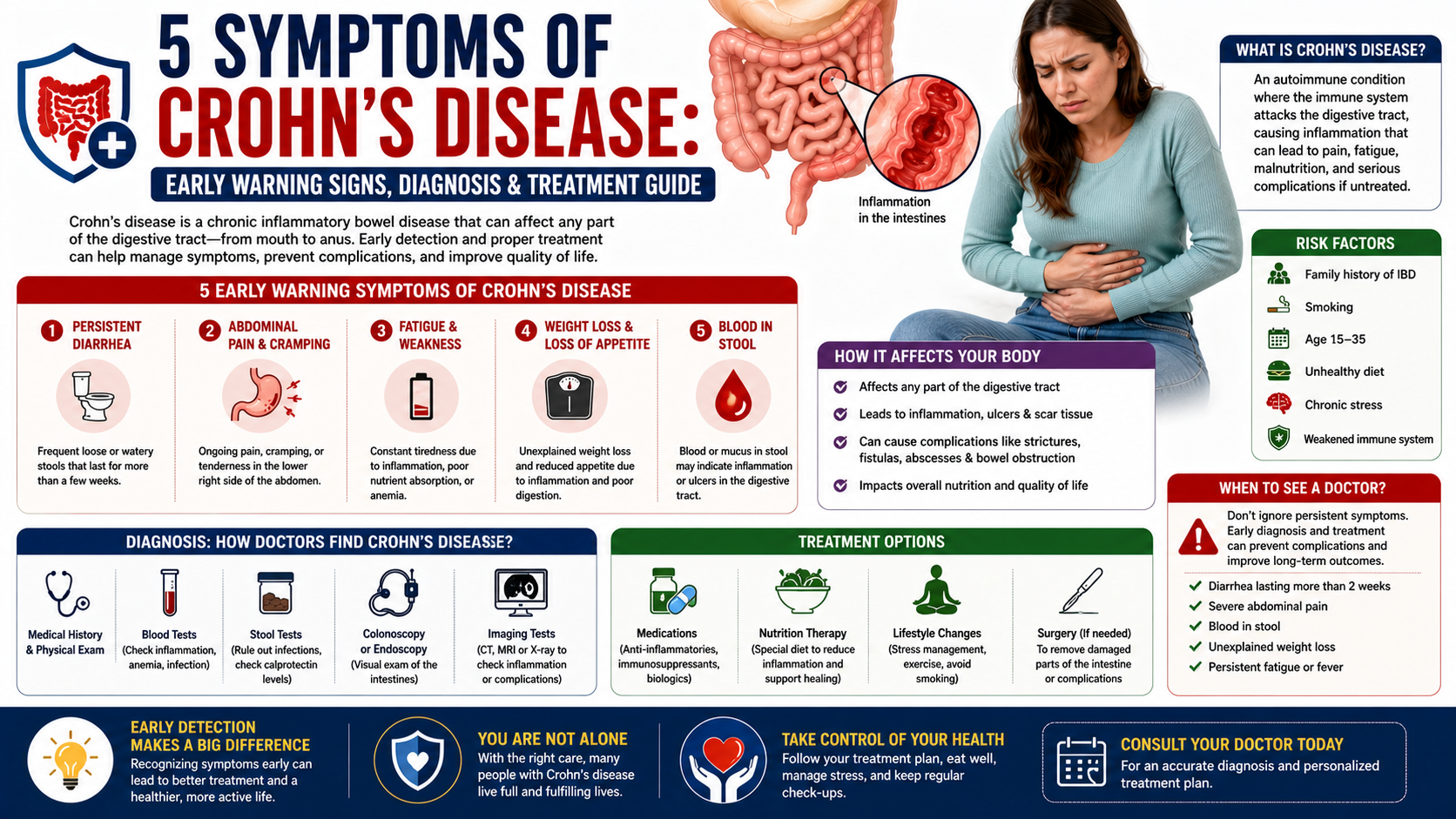
This article breaks down five of the most common symptoms of Crohn’s disease, diving deep into what each one feels like, why it happens, and how it affects your day-to-day life. Whether you’re researching for yourself or someone you care about, this guide gives you an in-depth, human-friendly explanation of what Crohn’s symptoms really look like, far beyond the short lists you often see online. And with each major section running 300–350+ words, you’ll get detailed insights that help you understand not just what these symptoms are, but why they happen and how they impact real people living with this disease.
What Is Crohn’s Disease?
Crohn’s disease is a chronic inflammatory condition that affects the digestive tract, but what makes it particularly challenging is that it doesn’t behave the same way in every person. Some people experience inflammation in the small intestine, others in the colon, and some deal with patchy inflammation throughout different areas—almost like scattered hotspots along the digestive path. Because of this unpredictability, Crohn’s has been described as a “snowflake disease,” meaning no two experiences are exactly the same. At its core, Crohn’s is the immune system mistakenly attacking the digestive tract. Instead of protecting the body from harmful invaders, it stays switched on, causing inflammation that can range from mild irritation to deep ulcerations.
This inflammation disrupts the body’s ability to properly digest food, absorb nutrients, and maintain normal bowel function. Many people with Crohn’s go through cycles known as flare-ups and remissions. During remission, symptoms ease or disappear altogether, sometimes for months or even years. But during flare-ups, symptoms can hit intensely, causing abdominal pain, diarrhea, weight loss, fatigue, and other digestive issues that interfere with everyday life. Because flare-ups often come without warning, many people with Crohn’s describe feeling like they’re constantly adjusting their lifestyle around an unpredictable digestive system.
What makes Crohn’s especially complex is its ability to impact more than just the digestive tract. Over time, ongoing inflammation can lead to complications such as strictures (narrowed areas), fistulas (abnormal connections between organs), or nutrient deficiencies. Even emotional health can be affected, as dealing with chronic symptoms often leads to stress, anxiety, or frustration. Despite being a lifelong condition, many people live full, active lives by learning to recognize symptoms early, adjusting their diets, and working closely with healthcare providers to manage flare-ups. Understanding what Crohn’s is—and how it behaves—sets the foundation for recognizing its symptoms before they escalate.
Why Recognizing Symptoms Early Matters
Recognizing the symptoms of Crohn’s disease early can make an incredible difference in how well the condition is managed over time. Many people ignore the first signs because they seem mild or easy to explain away—maybe it feels like simple indigestion, a stressful week at work, or something you ate the night before. But Crohn’s doesn’t usually appear in one sudden wave. Instead, it builds slowly, sneaking into your life through symptoms that seem harmless at first but become harder to ignore as inflammation spreads. Early recognition gives you a powerful advantage because it allows you to seek treatment before complications take root. The longer inflammation goes untreated, the greater the risk of long-term damage to the digestive tract.
For many people, Crohn’s is diagnosed only after years of unexplained stomach problems, sudden weight changes, ongoing fatigue, or digestive emergency-room visits. This delay is extremely common because Crohn’s symptoms mimic those of other gastrointestinal issues such as IBS, food intolerances, or stomach infections. The earlier you identify the possibility of Crohn’s, the fewer flare-ups you may experience and the lower the chance of needing surgery later in life. Early treatment helps calm inflammation, restore nutrient absorption, and prevent complications like strictures or fistulas—conditions that can severely impact quality of life.
Another crucial reason early recognition matters is the emotional and lifestyle impact of the disease. Living with unpredictable digestive symptoms can make everyday tasks—from social outings to workdays—feel overwhelming. Early diagnosis allows for earlier support, whether it’s guidance from healthcare professionals, diet adjustments, or stress-management strategies. It also helps people understand that what they’re experiencing has a name and, more importantly, a treatment path. That alone provides a sense of control and relief.
Ultimately, identifying Crohn’s symptoms early is not just about avoiding physical discomfort—it’s about protecting long-term health, preventing complications, and improving day-to-day life. When you know what to look for, you can act sooner, get the right care, and stay ahead of flare-ups before they become disruptive or dangerous.
Symptom 1: Abdominal Pain
Abdominal pain is one of the most common and recognizable symptoms of Crohn’s disease, but it’s also one of the most misunderstood. Many people brush it off as simple bloating, gas, or something they ate—until the pain becomes a steady part of their daily routine. In Crohn’s, abdominal pain occurs because the digestive tract becomes inflamed. That inflammation irritates the intestinal walls, causing cramping, sharp pains, or a deep, dull ache that can come and go in waves. Some people feel pain immediately after eating, while others notice it hours later as food moves through inflamed areas of the intestines. The pain can be mild enough to ignore or so severe that it interferes with sleep, concentration, and normal daily activities.
The location of the pain can offer clues, too. Many Crohn’s patients feel it in the lower-right side of the abdomen, especially when the end of the small intestine (the ileum) is affected—a common inflammation site. But Crohn’s can strike anywhere along the digestive tract, meaning the pain may show up in the upper belly, around the navel, or even as widespread discomfort that’s hard to pinpoint. What makes the pain even more complex is that it’s often inconsistent. Some days it’s a sharp stabbing sensation, other days it’s a persistent dull pressure, and sometimes it disappears entirely before flaring up again when you least expect it.
During flare-ups, abdominal pain tends to intensify, often accompanied by bloating, gas, or urgency to use the bathroom. Some people describe the pain as feeling like their gut is twisting; others compare it to labor-like cramps or deep soreness that radiates through the entire abdomen. The emotional toll can be just as significant—feeling uncertain about when pain will strike makes social outings, work meetings, or even simple errands stressful.
Because abdominal pain overlaps with so many other digestive conditions, it’s often ignored until it becomes chronic. But persistent or recurring abdominal pain, especially when paired with diarrhea, weight changes, or fatigue, is a major sign that something deeper may be happening. Listening to your pain, rather than pushing through it, is one of the first steps toward identifying Crohn’s early and preventing long-term complications.
Symptom 2: Chronic Diarrhea
Chronic diarrhea is another hallmark symptom of Crohn’s disease, and for many people, it’s the one that disrupts daily life the most. While almost everyone experiences occasional diarrhea from food sensitivities or stomach bugs, the diarrhea associated with Crohn’s is persistent, recurring, and often unpredictable. It may appear suddenly, come in waves, or be present nearly every day during flare-ups. This happens because inflammation in the intestines interferes with the body’s ability to absorb water and nutrients properly. When the gut becomes irritated and inflamed, it speeds up digestion, causing food to move through too quickly—resulting in loose, watery, or even urgent bowel movements.
One of the most challenging parts of chronic diarrhea is the urgency that accompanies it. Many people with Crohn’s describe needing to find a bathroom immediately, sometimes with little to no warning. This creates constant anxiety about leaving home, attending events, or traveling. Even simple activities like grocery shopping or sitting in traffic can become stressful because the fear of not making it to a bathroom in time is always lingering. Some people experience diarrhea multiple times a day, especially during active flare-ups, leaving them exhausted, dehydrated, and emotionally drained.
The appearance of the stool can also vary widely. Sometimes it’s entirely watery; other times it may contain mucus or even traces of blood if the intestinal lining is damaged. Chronic diarrhea can also lead to nutrient deficiencies, because the body doesn’t get enough time to absorb essential vitamins and minerals. Over time, this can contribute to fatigue, weight loss, and weakness, making diarrhea not just a digestive problem but a whole-body issue.
Another much-overlooked impact of chronic diarrhea is the loss of quality of life. Many people begin planning their days around bathroom access. They memorize locations of restrooms in public places, decline social invitations, or modify their diets excessively in an attempt to avoid flare-ups. This constant monitoring takes a mental toll, often leading to stress or frustration that further aggravates symptoms. While diarrhea alone doesn’t confirm Crohn’s, chronic, recurring diarrhea—especially when paired with abdominal pain, fatigue, or weight changes—is a strong indicator that something more serious may be happening in the digestive system.
Symptom 3: Unexplained Weight Loss
Unexplained weight loss is one of the more noticeable and concerning symptoms of Crohn’s disease, especially because it often occurs even when a person isn’t trying to lose weight. Many people first dismiss it as a sign of stress, a busy schedule, or changes in appetite—but when the weight continues to drop without effort, it becomes clear that something deeper is going on. In Crohn’s, weight loss happens for several reasons at once, all tied to the chronic inflammation inside the digestive tract. When the intestines are inflamed, they struggle to properly break down food, absorb nutrients, and process fats, proteins, and carbohydrates. This poor absorption leads to the body not getting the fuel it needs, no matter how much or how often a person eats.
For many people, eating becomes uncomfortable or even painful during flare-ups. Abdominal pain, cramping, and nausea can make meals feel like a chore rather than something to enjoy. Naturally, this leads to eating less food. Over time, regular discomfort around mealtime conditions the body to avoid food, especially heavy meals. Even when someone wants to eat, they may lose their appetite because their body associates food with pain or urgent trips to the bathroom. This combination of reduced intake and poor absorption creates a perfect storm for weight loss that happens quickly and unexpectedly.
Additionally, chronic diarrhea—a common Crohn’s symptom—washes nutrients out of the body before they can be properly used. Essential vitamins like B12, minerals like iron and magnesium, and macronutrients like fats and proteins never make it into the bloodstream. Over time, the body begins breaking down fat stores and even muscle tissue to compensate. Many people notice that they look thinner, weaker, or more fatigued even if their lifestyle hasn’t changed. Clothing may start to feel loose, energy drops significantly, and tasks that once felt normal begin to feel draining.
Emotionally, unexplained weight loss can be alarming. People may feel self-conscious, especially if weight drops rapidly. Friends and family might comment on their appearance without realizing the underlying struggle. What makes Crohn’s-related weight loss even more frustrating is that it’s not simply a cosmetic issue—it’s a sign of malnutrition and inflammation that needs medical attention. When paired with other symptoms like abdominal pain, diarrhea, or fatigue, unexplained weight loss is a powerful signal that the body is fighting something significant.
Symptom 4: Fatigue and Low Energy
Fatigue in Crohn’s disease is not the kind of tiredness most people feel after a long day—it’s a deep, overwhelming exhaustion that settles into the body and mind, often without warning. Many describe it as a “whole-body shutdown,” where even basic tasks like getting out of bed, taking a shower, or concentrating on a conversation feel like climbing a mountain. What makes Crohn’s-related fatigue especially challenging is that it doesn’t always correlate with how much a person sleeps. Someone may sleep eight, nine, or even ten hours and still wake up feeling drained. This happens because the root of Crohn’s fatigue is inflammation—not sleep deprivation.
When the digestive tract is inflamed, the immune system stays activated around the clock. The body uses enormous amounts of energy trying to fight the inflammation, leaving very little fuel for everyday activities. It’s similar to having the flu nonstop. On top of that, many Crohn’s patients experience nutrient deficiencies because inflammation and diarrhea prevent the proper absorption of vitamins and minerals. Low iron levels lead to anemia, which alone can cause severe fatigue, dizziness, shortness of breath, and weakness. Low B12, folate, vitamin D, and magnesium only worsen the exhaustion, making it difficult for the body to maintain normal energy production.
Fatigue also impacts the emotional and mental side of life. People with Crohn’s often describe feeling guilty for needing more rest or for canceling plans. Others feel misunderstood because fatigue isn’t something that shows up on the outside—yet it affects everything on the inside. Workdays become harder to get through, social activities require extra energy planning, and even enjoyable hobbies may take a back seat. Some compare the fatigue to walking around with a weighted blanket draped over their entire body, making every movement slow, heavy, and intentional.
What complicates fatigue even further is that it often doesn’t occur alone. It typically pairs with diarrhea, abdominal pain, poor appetite, or sleep disruption, creating a cycle that’s hard to escape. Pain keeps people awake at night, diarrhea interrupts sleep, and anxiety about flare-ups prevents restful sleep—all contributing to deeper exhaustion the next day. Even during remission periods, many individuals still experience lingering low energy due to nutrient depletion or the psychological stress of managing a chronic condition.
Fatigue is one of the most life-altering symptoms of Crohn’s because it affects independence, productivity, and emotional well-being. Recognizing it as a real, physical symptom—not laziness, not oversleeping, not lack of motivation—allows people to seek proper medical support and lifestyle adjustments to improve their energy levels over time.
Symptom 5: Blood in Stool
Blood in the stool is one of the more alarming symptoms of Crohn’s disease, and understandably so. Seeing blood—whether bright red, dark maroon, or mixed into the stool—immediately signals that something isn’t right. In Crohn’s disease, this bleeding usually happens because inflammation in the intestines becomes severe enough to cause small tears, ulcers, or irritation along the lining of the digestive tract. When these inflamed areas break open, even slightly, blood can appear during bowel movements. Sometimes the bleeding is visible, while other times it’s so subtle that it’s only detected through medical testing. Either way, blood in the stool is a symptom that should never be ignored.
The appearance of the blood can often offer clues about where the inflammation is occurring. Bright red blood usually indicates bleeding in the lower part of the digestive tract, such as the colon or rectum. Darker blood, or stools that appear almost black or tar-like, can indicate bleeding further up in the small intestine. In Crohn’s disease, the ileum and colon are often affected, making both bright and dark blood possible depending on the severity and location of the inflammation. Along with the blood, many people may notice mucus or experience a feeling of incomplete bowel movements, both of which signal irritation inside the gut.
Blood in the stool, especially when it happens repeatedly, can lead to anemia—a condition where the body lacks enough healthy red blood cells. This causes symptoms like dizziness, weakness, shortness of breath, and intense fatigue. Over time, losing even small amounts of blood during every bowel movement can deplete iron levels and make the body feel drained. This is why medical professionals take gastrointestinal bleeding very seriously, especially when combined with chronic diarrhea or abdominal pain. It’s not just a digestive issue—it’s something that affects the entire body.
Emotionally, seeing blood can be frightening. Many people feel panic, embarrassment, or confusion, especially if the bleeding comes and goes. Some may delay seeking help out of fear of what they might learn, while others try to convince themselves it’s due to hemorrhoids or temporary irritation. But with Crohn’s, bleeding is often a sign that the intestinal lining needs attention and that inflammation is worsening. The sooner the cause is identified, the sooner treatment can begin to reduce symptoms and prevent complications.
In many cases, managing inflammation through medication, diet changes, and lifestyle adjustments can significantly reduce or stop the bleeding altogether. While blood in the stool is one of the more dramatic symptoms of Crohn’s disease, it also serves as an important warning sign—one that should prompt a medical evaluation and proper treatment before more serious issues develop.
Additional Symptoms That Often Accompany Crohn’s
While the five major symptoms—abdominal pain, chronic diarrhea, weight loss, fatigue, and blood in the stool—are the most commonly recognized signs of Crohn’s disease, they’re only part of the bigger picture. Crohn’s is a condition that affects the entire digestive system and, in many cases, other parts of the body as well. Because inflammation isn’t limited to one area, many people experience a wide range of additional symptoms that may seem unrelated at first. These extra symptoms can be confusing, especially if you don’t yet realize they’re connected to Crohn’s. But understanding them can help you recognize flare-ups sooner and communicate more effectively with healthcare professionals.
One of the most frequently overlooked symptoms is fever, usually low-grade but persistent. This happens when the immune system stays activated due to ongoing inflammation. Even a slight increase in temperature can leave you feeling weak, chilled, or sweaty without knowing why. Another common symptom is loss of appetite, which is often tied to abdominal discomfort. When eating becomes associated with pain or urgent trips to the bathroom, many people unconsciously begin skipping meals or eating smaller portions—not because they want to, but because their bodies naturally avoid what causes discomfort.
There are also joint pains, stiffness, and swelling that appear in some individuals with Crohn’s. This is because inflammation can extend beyond the digestive tract and affect the joints, similar to arthritis. These aches often worsen during flare-ups and improve during remission. Some people also experience skin issues, including rashes, tender red bumps (erythema nodosum), or ulcers around the mouth. Crohn’s can even affect the eyes, causing redness, blurred vision, or pain due to inflammation in the eye tissues.
Even the emotional and psychological symptoms should not be ignored. Anxiety, mood shifts, and stress sensitivity are extremely common in people living with Crohn’s. These emotional symptoms may not be caused directly by inflammation, but they are very real side effects of living with an unpredictable chronic disease. Constant worry about flare-ups, bathroom access, or sudden pain can weigh heavily on anyone, and these feelings often intensify when physical symptoms worsen.
Lastly, Crohn’s can cause bloating, gas, constipation (especially if strictures develop), nausea, and even vomiting during severe flare-ups. Many of these symptoms overlap with other digestive conditions, making Crohn’s harder to identify early on. But when multiple symptoms appear together or persist longer than a few weeks, it’s often a sign that the digestive system needs medical attention. Recognizing these lesser-known symptoms helps create a clearer picture of what your body is trying to communicate—whether you’re in a flare-up, approaching one, or experiencing chronic inflammation that needs treatment.
How Symptoms Differ Between Mild, Moderate, and Severe Crohn’s
Crohn’s disease is complex, and one of the things that makes it even more challenging is how differently it behaves from person to person. Some individuals experience mild, occasional symptoms, while others deal with intense flare-ups that interrupt daily life. Understanding the difference between mild, moderate, and severe Crohn’s symptoms helps you recognize where you might fall on the spectrum and when it may be time to adjust treatment or seek medical help. Because Crohn’s is a progressive condition, symptoms can shift over time—starting mild and gradually intensifying if inflammation spreads. Knowing these variations allows you to catch changes early and prevent complications.
In mild Crohn’s, symptoms may be subtle enough that they’re often dismissed or confused with everyday digestive issues. People may experience occasional abdominal discomfort, slightly looser stools, mild fatigue, or decreased appetite. These symptoms might appear only during certain times, especially after eating specific foods or during stress. Many people with mild Crohn’s can function normally with minor lifestyle adjustments, and flare-ups may be infrequent or short-lived. However, even mild inflammation can worsen if ignored, so early recognition plays a huge role in preventing progression.
Moderate Crohn’s brings more persistent and noticeable symptoms. Abdominal pain becomes more frequent, diarrhea occurs regularly, and fatigue grows harder to ignore. Weight loss may begin to show, and blood in the stool can occur during flare-ups. People with moderate Crohn’s often find themselves adjusting their life around symptoms—planning activities near bathrooms, avoiding certain foods, or needing more rest. These symptoms can disrupt work, social life, and emotional well-being. Flare-ups may last longer, come more often, and require medication to control.
In severe Crohn’s, symptoms can be debilitating. Abdominal pain intensifies, sometimes becoming sharp, constant, or overwhelming. Diarrhea may happen multiple times a day, often with blood or mucus. Weight loss becomes significant due to malabsorption, loss of appetite, and chronic diarrhea. Fatigue may feel like total body exhaustion, making daily functioning difficult. Severe Crohn’s may also cause complications such as strictures (narrowed intestines), fistulas (abnormal tunnels between organs), abscesses, or extreme nutrient deficiencies. At this stage, flare-ups can be dangerous, leading to dehydration, anemia, or emergency medical situations. Treatment often requires more aggressive medications, hospitalization, or even surgery.
Understanding where your symptoms fall on this spectrum isn’t about labeling yourself—it’s about protecting your long-term health. Mild symptoms shouldn’t be ignored just because they’re manageable. Moderate symptoms shouldn’t be tolerated as “normal.” And severe symptoms must never be pushed aside as something you can power through. The earlier Crohn’s is identified and treated, the better your chances are of staying in remission, avoiding complications, and living a full, energetic, comfortable life.
Crohn’s Symptoms in Children
Crohn’s disease doesn’t only affect adults—children and teenagers can develop it too, and when they do, the symptoms often look very different. Because kids may not always have the language or awareness to explain what they’re feeling, Crohn’s in children can go unnoticed longer than it should. Parents might mistake early signs for picky eating, growth spurts, or stress from school. However, recognizing Crohn’s symptoms early in childhood is crucial, because untreated inflammation can interfere with growth, development, and overall health in ways that are far more significant than in adults.
One of the most telling signs of Crohn’s in children is slowed growth or delayed puberty. Chronic inflammation consumes a huge amount of the body’s energy and nutrients—resources children need for physical development. When the intestines can’t absorb nutrients properly, kids may fail to gain weight, grow at a normal rate, or hit puberty when expected. This can cause children to appear smaller or younger than their peers, often affecting self-esteem as well as physical health. What makes this especially tricky is that growth issues happen slowly over time, making them easy to overlook without regular monitoring.
Children may also experience abdominal pain that they can’t clearly describe. They may complain of stomachaches frequently, especially around mealtimes or at night. Because kids often experience pain differently from adults, it might show up as irritability, restlessness, or reluctance to eat rather than verbal complaints. Chronic diarrhea or loose stools are also common symptoms in children, though some may experience the opposite—constipation—especially if inflammation has caused narrowing of the intestines.
Another major sign of Crohn’s in children is persistent fatigue. Kids may seem unusually tired, take more naps, struggle to focus at school, or lose interest in their favorite activities. This isn’t just typical childhood tiredness—it’s the body fighting inflammation while facing nutrient deficiencies from poor absorption. Some children may also experience fevers, mouth sores, or joint pain, which can easily be mistaken for viral infections or growing pains. Emotional changes such as anxiety, mood swings, or withdrawal from friends can also develop due to discomfort or embarrassment about digestive symptoms.
What makes Crohn’s in children particularly difficult is that kids may not always express or recognize what they’re feeling. Parents, teachers, and doctors must look for patterns: repeated stomach complaints, changes in eating habits, poor weight gain, fatigue, or frequent bathroom visits. Early diagnosis is essential because treating inflammation at a young age not only prevents complications but also gives children the best chance to grow, develop, and thrive like their peers.
When Symptoms Become an Emergency
Crohn’s disease often brings a mix of manageable and unpredictable symptoms, but there are moments when those symptoms cross a line and signal that something serious is happening inside the body. Knowing when Crohn’s symptoms become a medical emergency is not only important—it can be lifesaving. Because Crohn’s involves chronic inflammation, the digestive tract can experience sudden changes that require immediate attention. Many people with Crohn’s get used to discomfort and try to “push through,” but certain signs should never be ignored.
One major red flag is severe abdominal pain, especially if it feels sharper, more intense, or different from your usual Crohn’s pain. This can signal complications like a bowel obstruction, perforation, or abscess. A bowel obstruction occurs when inflammation narrows the intestines to the point that food and waste can’t pass through. Symptoms include extreme pain, vomiting, bloating, and inability to pass gas or stool. This situation requires emergency care because the blockage can lead to dangerous pressure buildup or rupture. If the intestine perforates, meaning it tears due to inflammation, it can cause sudden, unbearable pain, fever, and infection—another life-threatening situation requiring immediate surgery.
Another emergency symptom is heavy or frequent bleeding in the stool. While occasional blood can happen during flare-ups, large amounts of blood, clotting, or bleeding that doesn’t stop is a serious warning sign. Excessive bleeding can quickly lead to anemia, dizziness, rapid heartbeat, or fainting. If you notice your stool turning black or tar-like, it may indicate bleeding higher in the digestive tract, which also requires urgent medical attention.
High fever—especially one above 101°F (38.3°C)—is another symptom that should not be ignored. While mild fevers can happen during flare-ups, a persistent high fever often signals an infection, abscess, or other severe complication. When fever pairs with chills, confusion, or rapid heartbeat, it may indicate sepsis, a dangerous immune reaction that requires immediate treatment.
Persistent vomiting, especially if it prevents you from keeping down liquids, can signal dehydration or a blockage in the intestines. Dehydration happens fast during flare-ups due to diarrhea, and prolonged vomiting accelerates it. Symptoms like dry mouth, dark urine, dizziness, or confusion are signs that your body is running out of fluids and needs urgent rehydration.
Lastly, any sudden weakness, inability to walk normally, or severe fatigue can be a symptom of anemia, dehydration, or electrolyte imbalance—all of which can become emergencies if ignored. Crohn’s complications often escalate quickly, and waiting too long can make treatment more difficult.
Knowing these warning signs empowers you to act quickly and protect your health. Crohn’s may be chronic, but severe complications don’t have to be part of your daily life. Paying attention to what your body is telling you—and responding quickly—can prevent long-term damage and keep you safer during flare-ups.
How Crohn’s Symptoms Compare to Ulcerative Colitis
Crohn’s disease and ulcerative colitis are often mentioned together because they are both forms of inflammatory bowel disease (IBD). However, while they share several symptoms—such as abdominal pain, diarrhea, fatigue, and weight loss—the way these two conditions behave inside the body is quite different. Understanding the differences between Crohn’s symptoms and ulcerative colitis symptoms helps people get the right diagnosis sooner. Many individuals go years believing they have one condition when they actually have the other, simply because the symptoms overlap so closely.
One of the biggest differences lies in where inflammation occurs. Crohn’s can affect any part of the gastrointestinal tract—from the mouth to the anus—and the inflammation often appears in “patches.” That means one section of the intestine may be inflamed while the area next to it is healthy. In contrast, ulcerative colitis affects only the colon and rectum, and inflammation is continuous rather than patchy. This difference in inflammation patterns significantly impacts symptoms. For instance, Crohn’s may cause pain in different areas of the abdomen depending on which part of the digestive tract is affected, while ulcerative colitis usually causes pain on the left side or lower abdomen because that’s where inflammation commonly occurs.
Another key difference is how deeply inflammation affects the intestinal wall. Crohn’s inflammation can extend through multiple layers—sometimes all the way through the wall of the intestine. This deeper inflammation is why Crohn’s patients are more likely to develop complications like strictures, fistulas, abscesses, and perforations. Ulcerative colitis, on the other hand, affects only the inner lining of the colon. While the symptoms can still be severe, the risk of deep tissue complications is generally lower than in Crohn’s.
Symptoms also differ in appearance. Blood in the stool is more common and more frequent in ulcerative colitis because the colon’s lining becomes raw, ulcerated, and prone to bleeding. In Crohn’s, bleeding can occur but is often less predictable and varies depending on the inflammation site. Diarrhea tends to occur in both diseases, but Crohn’s diarrhea often has a greasy or oily appearance when the small intestine is affected due to malabsorption. Ulcerative colitis diarrhea, however, commonly includes mucus and visible blood because the colon lining is more exposed.
Crohn’s is also more likely to cause nutrient deficiencies because the small intestine is responsible for absorbing most of the body’s vitamins and minerals. When Crohn’s targets this area, deficiencies in B12, iron, magnesium, and fat-soluble vitamins are much more common. Ulcerative colitis patients may still experience deficiencies, but typically not as severely, unless the disease is extensive.
Fatigue, weight loss, and appetite changes can occur in both conditions, but Crohn’s symptoms often feel more widespread because the disease affects more areas of the digestive system and causes deeper inflammation. Meanwhile, ulcerative colitis symptoms are usually more localized to bathroom-related issues—frequent bowel movements, bloody diarrhea, and urgency.
Understanding the differences between Crohn’s and ulcerative colitis doesn’t just help with diagnosis—it shapes treatment, diet choices, and lifestyle adjustments. The more clearly someone can identify their symptoms, the more effectively they can manage their condition and avoid long-term complications.
Diagnosis: What Happens After You Notice Symptoms
When Crohn’s symptoms begin to appear—whether it’s abdominal pain, chronic diarrhea, weight loss, or fatigue—the next step is getting a proper diagnosis. But diagnosing Crohn’s disease isn’t always straightforward. Because its symptoms overlap with many other conditions like IBS, stomach infections, celiac disease, or ulcerative colitis, it often takes time, testing, and careful evaluation to reach a clear conclusion. Understanding what the diagnostic process looks like can help reduce anxiety and prepare you for the steps ahead.
Diagnosis usually begins with a detailed medical history and symptom review. A healthcare provider will ask questions about your bowel habits, pain patterns, diet, energy levels, recent weight changes, and any history of bowel disorders in your family. These questions may feel personal or repetitive, but they help paint a picture of what’s happening inside your digestive system. Doctors also look for signs outside the gut—such as joint pain, skin rashes, or mouth sores—because these can support a diagnosis of Crohn’s.
The next step often involves blood tests, which help detect inflammation, anemia, infection, and nutrient deficiencies. While blood tests alone can’t diagnose Crohn’s, they provide important clues. High levels of inflammatory markers like C-reactive protein (CRP) or erythrocyte sedimentation rate (ESR) often indicate ongoing inflammation. Low iron or vitamin B12 levels can also hint at intestinal damage or malabsorption, both common in Crohn’s disease.
Stool tests are another key part of the process. These tests look for blood, infection, and markers of inflammation in the intestines. One commonly used test is the fecal calprotectin test, which measures the level of inflammation in the gut. Elevated levels strongly suggest that the symptoms are caused by an inflammatory condition rather than something like IBS.
To confirm Crohn’s, doctors typically use imaging and endoscopic procedures. A colonoscopy is one of the most important diagnostic tools. During this procedure, a camera is inserted through the rectum to examine the colon and terminal ileum. Doctors can look for inflammation, ulcers, and narrowing, and they can take biopsies—small tissue samples—which provide definitive evidence of Crohn’s disease when examined under a microscope. If Crohn’s is suspected in the small intestine or areas not easily reached by colonoscopy, imaging tests like MRI enterography, CT scans, or capsule endoscopy may be used. Capsule endoscopy is a unique test where you swallow a tiny camera pill that takes thousands of pictures as it travels through the intestines.
Diagnosis can feel overwhelming, especially if you’ve been dealing with symptoms for a long time. But identifying Crohn’s early is crucial. The sooner inflammation is detected, the sooner treatment can begin—preventing complications, protecting the digestive tract, and improving your overall quality of life. A proper diagnosis doesn’t just give you a name for what you’re experiencing—it gives you a path forward, and that path is the first step toward healing and control.
Managing Symptoms with Lifestyle Adjustments
Managing Crohn’s disease isn’t only about medication—your daily habits, routines, and lifestyle choices play a huge role in how often flare-ups occur and how severe they become. While Crohn’s can be unpredictable, many people find that certain lifestyle changes help reduce symptoms, improve energy levels, and make everyday life more comfortable. These changes don’t cure Crohn’s, but they can significantly support the body in staying calmer, less inflamed, and better prepared to handle flare-ups when they happen.
One of the most important lifestyle adjustments is stress management. Stress doesn’t cause Crohn’s, but it can trigger or worsen flare-ups. When your stress levels rise, your body produces hormones that can increase inflammation and disrupt digestion. Many people with Crohn’s notice symptoms intensify during stressful work periods, emotional conflicts, or major life transitions. Incorporating stress-reducing habits—like deep breathing exercises, yoga, meditation, journaling, or even short daily walks—can make a noticeable difference. Creating calm moments throughout the day helps regulate the nervous system and keeps your digestive tract from becoming overly reactive.
Another key lifestyle factor is sleep. Fatigue is one of the most difficult symptoms of Crohn’s, and poor sleep only magnifies it. Establishing a consistent sleep schedule, reducing screen time before bed, and creating a relaxing nighttime routine can help the body repair and reduce inflammation. Even small steps, such as lowering the room temperature or using blackout curtains, can improve sleep quality.
Hydration also plays a major role in managing symptoms. Chronic diarrhea and inflammation can lead to dehydration much faster than most people realize. Drinking enough water, using electrolyte supplements during flare-ups, and avoiding sugary or caffeinated drinks that worsen dehydration can help keep the body balanced. Some people also benefit from spacing out fluids throughout the day instead of drinking large amounts at once, which can irritate the digestive system.
Physical activity, too, can support symptom management. While high-intensity exercise may be uncomfortable during flare-ups, gentle movement like walking, stretching, swimming, or light strength training helps boost energy, reduce stress, and support healthy digestion. Regular physical activity also helps maintain muscle mass and prevent the weakness that sometimes accompanies long-term Crohn’s symptoms.
Social and emotional lifestyle adjustments also matter. Living with an unpredictable chronic condition can feel isolating, especially during flare-ups. Connecting with support groups—online or in person—can provide emotional comfort, practical advice, and the reminder that you’re not alone. Many people find relief in talking with others who truly understand what daily life with Crohn’s is like.
Finally, keeping a symptom journal can be incredibly helpful. Writing down what you eat, how you feel, and when symptoms arise can reveal patterns you may not notice otherwise. Over time, this journal becomes a powerful tool in identifying triggers, improving communication with your doctor, and taking control of your health.
Lifestyle adjustments don’t replace medical treatment, but they complement it in powerful ways. Together, these everyday habits help build a strong foundation that supports long-term symptom management and enhances overall well-being.
Dietary Approaches to Reduce Symptoms
Diet plays a powerful role in how Crohn’s symptoms appear, how intense they become, and how well your body recovers after a flare-up. While food doesn’t cause Crohn’s disease, it can absolutely influence inflammation levels, digestion speed, and overall comfort. Because every person’s digestive system responds differently, there’s no single “Crohn’s diet” that works for everyone—but there are clear patterns, strategies, and food choices that consistently help reduce symptoms and support healing. Understanding how to nourish your body while avoiding triggers is one of the strongest tools you have for managing Crohn’s on a daily basis.
One of the most effective dietary strategies is identifying trigger foods. These are foods that irritate the digestive tract or worsen inflammation. Common triggers include high-fiber raw vegetables, nuts, seeds, spicy foods, caffeine, alcohol, dairy, fatty or fried foods, and carbonated drinks. While these foods are not “bad,” they can be hard for an inflamed digestive system to break down. Many people with Crohn’s find that cooked vegetables, low-fiber fruits, lean proteins, and simple carbohydrates are much easier on the gut during flare-ups. Keeping a food diary can help you identify patterns—what triggers symptoms, what soothes your stomach, and what foods give you energy without discomfort.
Another useful approach is following a low-residue diet during flare-ups. This diet reduces the amount of indigestible material passing through the intestines, giving them time to rest. It typically includes smooth peanut butter, white bread, white rice, chicken, eggs, broth, bananas, yogurt, and well-cooked vegetables. The goal isn’t long-term restriction but temporary relief while inflammation calms down. Once symptoms improve, many people slowly reintroduce more fiber and nutrient-dense foods.
For some people with strictures or narrowing of the intestines, soft or blended foods can make digestion easier. Smoothies, soups, pureed vegetables, and slow-cooked meals can give your body nutrients without putting stress on inflamed or narrowed areas. This helps prevent blockages and reduces pain during digestion. Others may benefit from small, frequent meals rather than three large meals a day. Eating smaller portions reduces the workload on the intestines and helps maintain more consistent energy levels.
Hydration is equally important. Diarrhea, bleeding, and inflammation all increase the risk of dehydration. Drinking water consistently throughout the day helps maintain healthy digestion and prevents fatigue. Electrolyte drinks can be helpful during flare-ups, but sugary sports drinks should be used sparingly. Coconut water, homemade electrolyte solutions, or low-sugar options are often easier on the gut.
Many people with Crohn’s also benefit from probiotics, which support gut bacteria. Yogurt, kefir, certain fermented foods, or probiotic supplements can help restore balance—though not everyone tolerates them during flare-ups. Anti-inflammatory foods like salmon, turmeric, ginger, olive oil, and blueberries can support long-term digestive health by calming inflammation naturally.
Most importantly, dietary management in Crohn’s is highly individual. What helps one person may not help another. Working with a nutritionist who understands inflammatory bowel disease can help you build a personalized plan that supports your energy, nutrient levels, and symptom control. With the right balance, diet becomes more than a necessity—it becomes a powerful tool for comfort, stability, and long-term well-being.
Medical Treatment Options for Symptom Relief
While lifestyle changes and dietary adjustments play a meaningful role in managing Crohn’s disease, medical treatment is often essential for long-term control and prevention of complications. Crohn’s is an inflammatory condition at its core, which means the immune system is attacking the digestive tract. Because of this, medications that reduce inflammation, calm the immune system, and promote healing are the foundation of treatment. The right combination of treatments varies from person to person depending on the severity of symptoms, the location of inflammation, and how well the body responds to different therapies. Understanding your medical options empowers you to work with your healthcare provider to create a plan that protects your health and keeps flare-ups under control.
One of the most common types of medication used in Crohn’s is anti-inflammatory drugs. These include aminosalicylates, which help reduce inflammation in the lining of the intestines. While they are more effective in ulcerative colitis, some people with Crohn’s—particularly those with mild disease—may benefit from them. For stronger inflammation, corticosteroids are often used. Steroids like prednisone or budesonide work quickly to reduce swelling and improve symptoms during flare-ups. However, they’re not meant for long-term use due to side effects such as weight gain, mood changes, bone loss, and elevated blood sugar. They act like a “reset button” that brings the inflammation down fast while other medications take effect.
Another major category of treatment is immune suppressants. These medications, such as azathioprine, methotrexate, or 6-mercaptopurine, weaken the immune system’s overactive response. Since Crohn’s is driven by improper immune activation, turning down that response helps prevent the chronic inflammation that damages the intestines. Immune suppressants often take weeks or months to reach full effectiveness, which is why they’re often paired with steroids during the early stages of treatment.
In recent years, biologic therapies have become one of the most transformative treatments for Crohn’s disease. Biologics target specific proteins or pathways in the immune system that drive inflammation. Drugs like infliximab, adalimumab, ustekinumab, and vedolizumab have helped countless people achieve remission, reduce flare-ups, and avoid surgery. Unlike steroids, biologics can be used long-term and generally have fewer widespread side effects. They are usually administered through injections or IV infusions at regular intervals. Biologics can be life-changing for people with moderate to severe Crohn’s—especially when other treatments have failed.
For some individuals, antibiotics may be prescribed, especially when infections, abscesses, or fistulas are present. These medications help control bacterial overgrowth in the gut and reduce complications related to tissue damage. Other helpful medications include antidiarrheals, pain relievers, iron supplements, vitamin B12 injections, or calcium and vitamin D—all of which help manage symptoms or replenish nutrient deficiencies caused by inflammation.
In cases where medications cannot control symptoms or complications become severe, surgery may be necessary. This can involve removing damaged sections of the intestine, addressing strictures, draining abscesses, or correcting fistulas. Although surgery doesn’t cure Crohn’s, it can dramatically improve quality of life and relieve symptoms when other treatments aren’t effective.
Crohn’s disease treatment is rarely one-size-fits-all. It often involves a combination of therapies, trial and error, and ongoing adjustments. The most successful treatment plans are those tailored to the individual—based on their symptoms, lifestyle, and how their body responds over time. With the right medical support, many people achieve long periods of remission and live active, fulfilling lives despite the challenges of Crohn’s.
Long-Term Outlook and Living with Crohn’s Symptoms
Living with Crohn’s disease is a long-term journey—one that comes with its own challenges, adjustments, and learning curves. But despite the unpredictable nature of the condition, millions of people around the world lead fulfilling, active lives with Crohn’s. The key lies in understanding how the disease behaves, recognizing your personal triggers, and creating a long-term management plan that supports your physical and emotional well-being. While Crohn’s doesn’t yet have a cure, treatment options continue to evolve, making long-term remission and symptom control more achievable than ever before.
The long-term outlook for Crohn’s varies from person to person. Some experience mild symptoms with occasional flare-ups, while others face more persistent inflammation that requires continuous medical care. Over time, Crohn’s may go through cycles of remission—periods where symptoms disappear or significantly lessen—and flare-ups, where inflammation increases and symptoms return. The goal of long-term management is to lengthen the remission periods and shorten the flare-ups, all while preventing complications like strictures, fistulas, or nutrient deficiencies. With modern treatments, many people achieve long-term remission and enjoy normal daily routines with minimal interruption.
Living with Crohn’s also means building strong communication with your healthcare team. Regular check-ups, blood tests, and imaging help monitor inflammation even when you feel well. This proactive approach prevents silent inflammation from causing long-term damage. Adjustments to medications, diet, and lifestyle may be needed over the years as your body, symptoms, and life circumstances change. Staying flexible and open to new strategies is part of thriving with Crohn’s rather than simply coping with it.
Emotionally, the long-term journey can feel overwhelming at times. Crohn’s affects more than just the digestive system—it impacts mood, energy, social life, and sometimes even confidence. Many people feel anxious about flare-ups or frustrated by unpredictable symptoms. Building a support network—whether through friends, family, online communities, or local groups—makes the emotional load lighter. Talking to others who understand the experience provides encouragement, perspective, and practical insight that medical advice alone can’t always offer.
Self-awareness is a major part of long-term success. Over time, many people become experts in their own bodies—learning which foods cause discomfort, which activities help reduce stress, and which habits support better energy levels. A balanced lifestyle that includes adequate sleep, hydration, mindful eating, and gentle exercise can dramatically improve daily comfort. Some days will feel easy, while others may require patience and rest, and that’s okay.
The long-term outlook for Crohn’s has improved dramatically in recent years. With advancements in biologic medications, targeted therapies, and personalized nutrition plans, many people achieve stable remission and avoid major complications. While Crohn’s may always be part of your life, it doesn’t have to define your life. With the right tools, knowledge, and support, people manage symptoms effectively and continue to pursue their goals, dreams, careers, and relationships with confidence and strength.
Conclusion
Crohn’s disease is a complex and deeply personal condition—one that affects every individual differently. While the five major symptoms—abdominal pain, chronic diarrhea, unexplained weight loss, fatigue, and blood in the stool—are often the most noticeable, Crohn’s reaches far beyond these. It influences energy levels, appetite, mood, digestion, and even aspects of life that seem unrelated to the gut. Understanding these symptoms in detail is the most powerful first step toward early diagnosis, effective management, and long-term control.
Recognizing Crohn’s early can prevent complications, reduce hospital visits, and protect the digestive tract from long-term damage. Whether symptoms show up mildly or with intensity, paying attention to your body’s signals matters. Crohn’s may be unpredictable, but with the right combination of medical treatment, dietary adjustments, lifestyle changes, and consistent monitoring, many people achieve long periods of remission and live active, fulfilling, and meaningful lives.
If you or someone you know is experiencing these symptoms, seeking medical guidance is essential. You are not alone in this journey. With evolving treatments, supportive communities, and better awareness than ever before, managing Crohn’s is more achievable—and more hopeful—than it has ever been.
FAQs
1. What triggers Crohn’s flare-ups?
Common triggers include stress, certain foods, infections, smoking, lack of sleep, and inconsistent medication use. However, triggers vary widely between individuals.
2. Can Crohn’s disease be cured?
There is currently no cure for Crohn’s disease, but many treatments can help manage symptoms, reduce inflammation, and maintain long-term remission.
3. Is Crohn’s the same as IBS?
No. IBS is a functional gut disorder without inflammation, while Crohn’s disease involves chronic inflammation and can cause serious complications.
4. What foods should be avoided during a flare-up?
Many people avoid high-fiber raw vegetables, nuts, seeds, spicy foods, dairy, caffeine, alcohol, fried foods, and carbonated drinks during flare-ups.
5. When should someone with Crohn’s see a doctor urgently?
Seek immediate care for severe abdominal pain, heavy bleeding, high fever, persistent vomiting, dehydration, or symptoms that drastically worsen.