Table of Contents
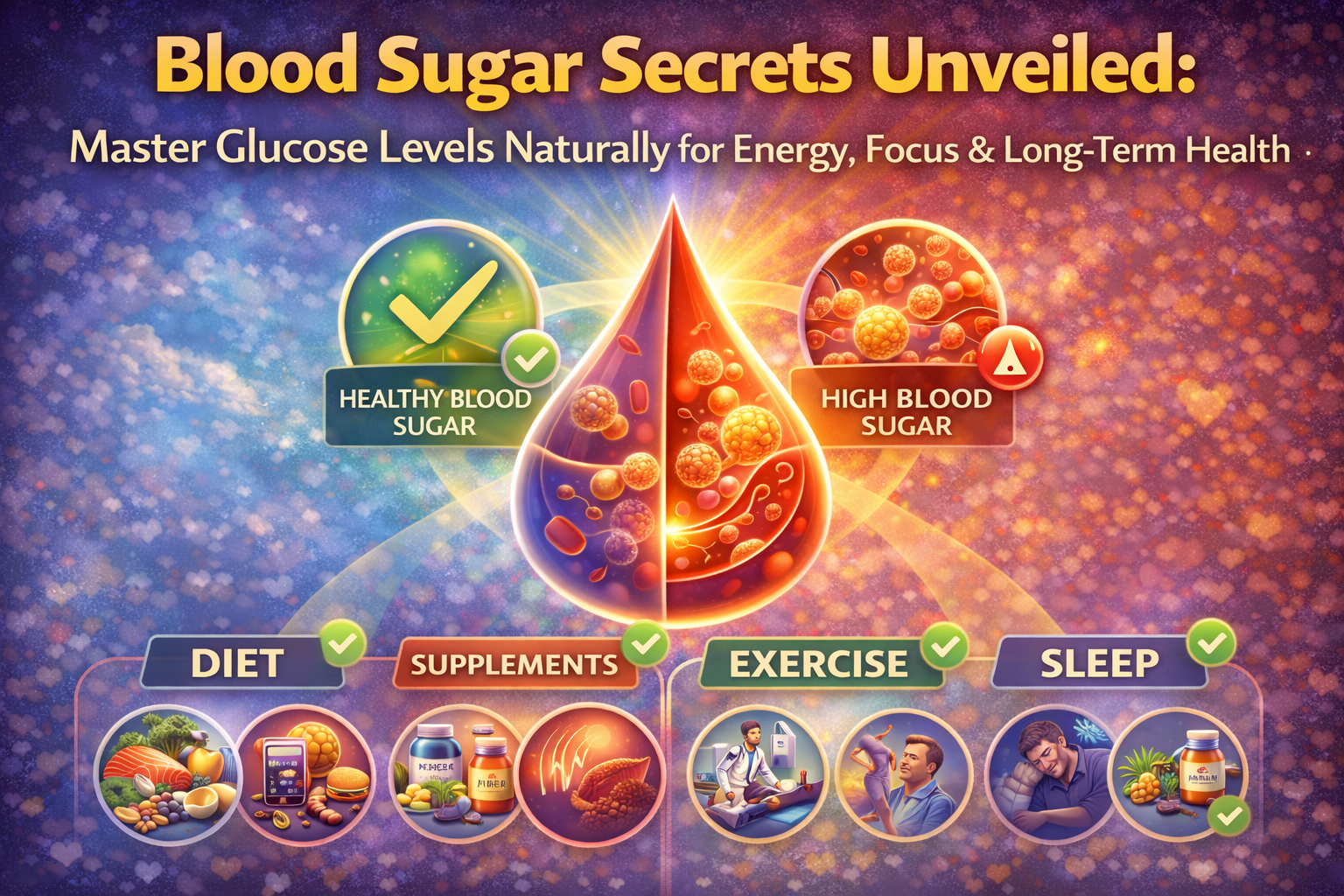
ToggleBlood Sugar Secrets Unveiled: Master Glucose Levels Naturally for Energy, Focus & Long-Term Health
Let’s be honest—blood sugar management isn’t exactly the most exciting topic at first glance. But when you realize that your glucose levels silently dictate everything from your energy to your mood, sleep, and even how you age, it suddenly becomes one of the most important aspects of health you can master.
This guide dives deep into what the medical world doesn’t always tell you—the real secrets behind controlling your blood sugar naturally, effectively, and sustainably. You’ll uncover why mainstream advice often fails, how “healthy” foods might be harming you, and which unconventional habits can completely reset your metabolism.
If you’ve ever struggled with fatigue, brain fog, weight fluctuations, or sugar cravings that seem impossible to control, this isn’t just another health article—it’s your blueprint to take back control. So, let’s pull back the curtain and expose the truth about glucose once and for all.
Introduction — Why Blood Sugar Control Is More Than Just a Health Trend
The Silent Power of Glucose in Your Body
Glucose is your body’s preferred energy source. Every thought, heartbeat, and breath depends on it. But here’s the twist—while glucose is essential, too much or too little can be disastrous. Think of it like the fuel in a car: just enough keeps the engine running smoothly, but overfilling or underfueling leads to breakdown.
When your blood sugar remains stable, you feel sharp, focused, and full of vitality. But when it spikes and crashes, you experience irritability, fatigue, and hunger—even after eating. Over time, these fluctuations can lead to insulin resistance, prediabetes, and eventually type 2 diabetes.
The real secret? You don’t need to eliminate sugar entirely. You need to understand how your body processes it and learn how to work with it—not against it. By mastering glucose control, you don’t just prevent disease—you unlock better energy, mood, and longevity.
The Modern Epidemic of Blood Sugar Imbalance
Today’s world is practically designed to sabotage your blood sugar. Processed foods, erratic sleep, chronic stress, and sedentary lifestyles create the perfect storm for glucose chaos.
Statistics reveal that nearly 1 in 3 adults have prediabetes, and most don’t even know it. Even those without diabetes experience glucose swings daily—especially after consuming refined carbohydrates, sugary snacks, or skipping meals.
What’s more alarming? The food industry has cleverly disguised sugar under more than 60 different names, from “maltose” to “evaporated cane juice.” So, even when you think you’re eating healthy, you might be fueling the imbalance.
Balancing blood sugar isn’t just for diabetics—it’s for everyone who wants to perform better, think clearer, and age gracefully.
Understanding Blood Sugar — The Science Behind Glucose
What Exactly Is Blood Sugar?
Blood sugar, or glucose, refers to the sugar that circulates in your bloodstream. It’s derived from the food you eat—especially carbohydrates—and it’s your body’s main source of energy. Once you consume food, your digestive system breaks it down into glucose, which enters the blood and signals your pancreas to release insulin.
Insulin acts as a “key,” unlocking your cells so glucose can enter and be used for energy. Without insulin, or when your cells become resistant to it, glucose builds up in the bloodstream. That’s when problems begin.
Understanding this cycle is crucial. It’s not about avoiding sugar altogether but about ensuring your body uses it efficiently. When glucose and insulin are in sync, your metabolism hums along effortlessly.
How Glucose Affects Energy, Mood, and Weight
Have you ever noticed how your energy dips a few hours after a high-carb meal? That’s not your imagination—it’s your blood sugar crashing. After a spike in glucose, insulin floods the system to bring levels down, often dropping them too low. The result? Fatigue, irritability, and sudden hunger.
Stable blood sugar keeps your brain fueled consistently, improving focus and productivity. It also helps regulate appetite hormones like ghrelin and leptin, preventing overeating and cravings.
In short: manage your glucose, and you’ll manage your energy, mood, and waistline—all without needing extreme diets or constant caffeine fixes.
Insulin’s Role — The Hormone Everyone Should Understand
Insulin is often misunderstood. Many people view it only through the lens of diabetes, but in reality, it’s one of the most powerful hormones governing your health. When working properly, insulin helps your cells absorb glucose efficiently. But when you constantly bombard your body with sugary foods, your cells begin to “ignore” insulin—a condition called insulin resistance.
This resistance forces your pancreas to release more insulin to get the same job done. Over time, this can lead to chronically high insulin levels, promoting fat storage, inflammation, and eventually metabolic syndrome.
Learning to keep your insulin sensitive is the ultimate key to metabolic flexibility—your body’s ability to switch between burning glucose and fat for fuel effortlessly. And that’s the foundation of true health.
The Hidden Dangers of High and Low Blood Sugar
Hyperglycemia — The Slow Killer
Chronic high blood sugar, or hyperglycemia, doesn’t cause pain right away. That’s what makes it so dangerous. It silently damages your blood vessels, nerves, and organs over time.
Symptoms like frequent urination, increased thirst, and unexplained fatigue are early warning signs—but by the time they appear, damage may already be underway. Hyperglycemia can increase your risk of heart disease, kidney failure, and even cognitive decline.
The worst part? Many people have mildly elevated glucose levels for years without realizing it. That’s why regular monitoring and dietary awareness are so critical. Prevention is far easier than reversal.
Hypoglycemia — The Dangerous Drop
On the flip side, low blood sugar—known as hypoglycemia—can strike suddenly. Skipping meals, drinking too much caffeine, or eating sugary foods without balance can cause your glucose to crash.
Symptoms include shakiness, dizziness, and confusion. In severe cases, it can lead to loss of consciousness. Maintaining steady glucose levels through balanced meals and proper timing is the best way to avoid these dangerous drops.
Think of it as keeping your internal fuel gauge steady—not too full, not too empty.
The Long-Term Consequences You Can’t Ignore
Long-term glucose imbalance affects every part of your body—from your brain to your skin. Chronic high blood sugar accelerates aging, damages collagen, and increases the risk of Alzheimer’s, sometimes called “type 3 diabetes.”
It also leads to hormonal imbalances, poor sleep quality, and constant cravings. Managing blood sugar isn’t just about avoiding diabetes—it’s about protecting your long-term vitality and quality of life.
The Controversy — Why Mainstream Advice Might Be Misleading
The Sugar Industry’s Hidden Influence
Here’s a shocking truth: many of the “health guidelines” we’ve trusted for decades were shaped by the sugar industry. In the 1960s, major sugar companies paid researchers to downplay the role of sugar in heart disease and shift the blame to fats.
The result? Decades of low-fat, high-carb diets that fueled the obesity and diabetes epidemics. Even today, you’ll find “low-fat” foods loaded with hidden sugars and refined carbs. The deception continues under different names—because where there’s profit, there’s manipulation.
If you truly want to control your blood sugar, you need to look beyond marketing labels and focus on how your body responds to food.
Are “Healthy” Foods Spiking Your Blood Sugar?
Many foods marketed as “healthy”—granola bars, fruit smoothies, or even certain yogurts—contain more sugar than a candy bar. The reason? Natural sugars and refined carbohydrates cause similar glucose spikes.
The key is understanding glycemic load, not just calories. A food might be “low-fat” or “organic,” but if it causes your glucose to skyrocket, it’s sabotaging your health. Learning to identify these hidden culprits is one of the most empowering steps you can take.
The Truth About Carbs, Fats, and Protein Balance
For years, we’ve been told to fear fats and embrace carbs. But modern research flips that narrative. Healthy fats—like those from avocados, olive oil, and nuts—actually stabilize blood sugar by slowing digestion and preventing spikes.
Protein helps maintain muscle and keeps you fuller for longer, while complex carbs (like vegetables and whole grains) provide steady energy without rollercoaster glucose swings.
The real secret? Balance. Not restriction. Your body thrives when you give it a combination of nutrients in the right proportions.
Breaking the Cycle — How to Naturally Stabilize Your Blood Sugar
The Power of Low-Glycemic Foods
Low-glycemic foods release glucose slowly into your bloodstream, preventing spikes and crashes. Think of these as “steady fuel” options—like lentils, leafy greens, and whole grains.
Unlike refined carbs that flood your system with sugar, these foods give your body time to process glucose efficiently. Studies show that diets rich in low-glycemic foods reduce the risk of type 2 diabetes, improve cholesterol, and support weight loss.
By choosing foods that work with your biology, you regain control over your energy and metabolism naturally.
The Role of Fiber and Healthy Fats
When it comes to balancing blood sugar naturally, fiber and healthy fats are your best friends. Fiber acts like a sponge—it slows down the absorption of sugar into the bloodstream, preventing spikes and crashes. This means you stay fuller for longer, experience fewer cravings, and maintain steady energy levels throughout the day.
Soluble fiber, found in foods like oats, beans, and flaxseeds, forms a gel-like substance in the gut that slows digestion. Insoluble fiber, on the other hand, adds bulk to your stool and keeps your digestive system running smoothly. Together, they create the perfect environment for glucose stability.
Healthy fats play a complementary role. Foods such as avocados, nuts, seeds, olive oil, and fatty fish like salmon provide essential fatty acids that not only fuel the body but also reduce inflammation and improve insulin sensitivity. Including fats with each meal helps slow the release of sugar from carbohydrates, ensuring a steady flow of energy rather than a sudden surge.
One of the easiest hacks? Add a tablespoon of chia seeds to your breakfast or drizzle olive oil over your salads. It’s small changes like these that lead to powerful results in managing your glucose levels naturally.
Timing Your Meals for Maximum Stability
Meal timing can make or break your blood sugar control. When you eat is almost as important as what you eat. Skipping meals or eating erratically can send your glucose levels on a rollercoaster ride—spiking after large meals and crashing in between.
To maintain balance, aim for regular meals spaced evenly throughout the day. Eating every 3–4 hours keeps your metabolism steady and prevents dips that trigger cravings or fatigue. Start your day with a protein-rich breakfast—something like eggs, Greek yogurt, or a smoothie with nut butter. This sets the tone for better glucose control all day long.
Another powerful strategy is to eat your meals in the right order. Research suggests that eating vegetables and protein before carbohydrates can reduce glucose spikes by up to 40%. This happens because the fiber and fats in your starter foods slow the digestion of carbs that follow.
Lastly, avoid eating large meals late at night. Your insulin sensitivity drops in the evening, meaning your body struggles to process sugar efficiently. Instead, keep dinners light and balanced, and allow at least two to three hours between your last meal and bedtime.
Mastering meal timing isn’t about rigid dieting—it’s about working with your body’s natural rhythms to keep energy levels smooth and consistent.
Smart Habits for Glucose Mastery
Exercise — The Natural Insulin Booster
If there’s one lifestyle habit that can instantly improve your blood sugar, it’s physical activity. Exercise acts like a “sugar sponge,” helping your muscles absorb glucose from the bloodstream without needing extra insulin. Whether it’s a brisk walk, resistance training, or yoga, every form of movement helps balance glucose.
Even just 10 minutes of light movement after meals can dramatically lower post-meal spikes. This simple routine—known as “postprandial walks”—is backed by numerous studies showing improved insulin sensitivity and better metabolic health.
Strength training deserves special mention. Building lean muscle mass enhances your body’s ability to store and use glucose efficiently. More muscle means better insulin response and a faster metabolism. Think of your muscles as glucose reservoirs—the more you have, the more sugar they can absorb without overloading your system.
The goal isn’t extreme workouts but consistency. A mix of cardio, strength training, and flexibility exercises performed regularly can transform your glucose control, mood, and overall vitality. As they say, movement is medicine—and for your blood sugar, it’s the best kind there is.
Sleep and Stress — The Forgotten Factors
You can eat perfectly and exercise daily, but if your sleep and stress are off, your blood sugar will be too. That’s because poor sleep and chronic stress wreak havoc on hormones that regulate glucose—like cortisol, insulin, and ghrelin.
When you’re sleep-deprived, your body becomes more insulin-resistant. Just one night of poor sleep can raise your blood sugar levels the next day, even if your diet remains unchanged. Aim for 7–9 hours of quality sleep each night, maintaining a consistent bedtime and wake-up routine.
Stress, meanwhile, triggers the release of cortisol—a hormone that signals your liver to release glucose for “fight or flight.” While this was helpful for our ancestors escaping danger, modern stress (from work, screens, and finances) keeps glucose levels elevated unnecessarily.
Combat stress through mindfulness techniques like deep breathing, meditation, or journaling. Even spending time outdoors or connecting with loved ones can lower cortisol levels naturally. Remember, mental calm equals metabolic balance. Managing stress and prioritizing rest might just be the missing link in your blood sugar journey.
Hydration and Micronutrients That Matter
Water might not get much attention when it comes to blood sugar control, but it’s vital. Dehydration causes glucose to become more concentrated in your blood, leading to false spikes. Staying hydrated helps your kidneys flush out excess sugar through urine and supports better insulin function.
Aim for at least 8–10 glasses of water daily, and more if you’re active. Add a pinch of sea salt or a squeeze of lemon to enhance electrolyte balance—especially if you follow a low-carb diet.
Micronutrients also play a crucial role in glucose metabolism. Magnesium improves insulin sensitivity, chromium enhances glucose uptake into cells, and zinc supports pancreatic function. Foods like spinach, almonds, pumpkin seeds, and chickpeas are excellent natural sources.
When you combine hydration with proper mineral intake, your cells operate at peak efficiency—absorbing glucose smoothly, reducing fatigue, and keeping your metabolism steady. Small changes, massive impact.
The Role of Technology in Blood Sugar Control
Continuous Glucose Monitors (CGMs) — Game-Changer or Gimmick?
In recent years, continuous glucose monitors (CGMs) have become a hot topic among health enthusiasts, athletes, and biohackers. These tiny sensors, worn on your arm or abdomen, track glucose levels in real-time and display the data on your smartphone.
The benefits? You can see exactly how different foods, exercises, and stressors affect your blood sugar. Instead of guessing, you’re working with precise, personalized data. For many, CGMs have been life-changing—revealing surprising glucose spikes from seemingly “healthy” foods like oatmeal or bananas.
However, some experts argue that CGMs may not be necessary for everyone. For non-diabetics, they can provide useful insights but may also lead to unnecessary anxiety over minor fluctuations. The key is using them as a learning tool—not an obsession.
The takeaway: technology can empower you, but it should never replace mindful eating and balanced living. CGMs are best used as guides to better understand your unique glucose response and create a personalized nutrition plan.
Apps and Data Tracking — Turning Information into Action
Technology doesn’t stop at CGMs. Dozens of apps now help you log meals, track macros, and monitor glucose-friendly habits. Platforms like MyFitnessPal, Cronometer, or Levels integrate nutrition data with glucose insights, making it easier to identify patterns.
For instance, you might notice your blood sugar rises after certain breakfast choices but remains stable when you include more protein or fats. That’s valuable information—because glucose control is highly individual. What spikes one person may barely affect another.
Tracking your data for even two weeks can reveal habits you didn’t realize were harming your balance. It’s not about perfection—it’s about awareness. Once you know your triggers, you can make smarter, sustainable choices that keep your glucose (and energy) stable.
The Rise of Biohacking for Glucose Optimization
Biohacking—the practice of using science and technology to improve human performance—has entered the world of blood sugar management. From personalized nutrition plans to intermittent fasting protocols and targeted supplements, biohackers are experimenting with ways to fine-tune their glucose levels.
Cold exposure, red light therapy, and specific breathing techniques have all been shown to influence insulin sensitivity and glucose metabolism. These practices stimulate the body’s adaptive responses, training it to become more efficient.
While some methods are still experimental, many show promise for improving energy, focus, and longevity. However, the best “biohack” remains simple: eat whole foods, move daily, rest deeply, and stay consistent. Fancy gadgets and trends can enhance results, but the foundation always starts with natural, sustainable habits.
Supplements That Support Blood Sugar Balance
Natural Herbs and Extracts Backed by Science
Nature has gifted us with a variety of herbs and plants that help regulate blood sugar naturally. While lifestyle changes form the foundation of glucose management, supplements can provide an additional boost—especially for those struggling with insulin sensitivity or energy dips.
One of the most studied herbs is berberine, a compound found in plants like goldenseal and barberry. Research shows that berberine can lower blood sugar levels as effectively as certain prescription drugs, by improving insulin sensitivity and reducing sugar production in the liver.
Another powerhouse is cinnamon—not the processed sugary kind, but pure Ceylon cinnamon. It enhances insulin function, allowing glucose to enter cells more efficiently. A small amount (½ to 1 teaspoon daily) added to smoothies or oatmeal can make a noticeable difference.
Fenugreek, a common spice in Indian cuisine, contains soluble fiber that slows glucose absorption. Gymnema sylvestre, known as the “sugar destroyer,” temporarily blocks the taste of sweetness and reduces sugar cravings.
Before starting any supplement, always consult a healthcare professional—especially if you’re on medication. Natural doesn’t always mean harmless, but when used wisely, these plant allies can become powerful tools in your glucose-balancing arsenal.
The Role of Minerals — Chromium, Magnesium, and Zinc
Your body relies on essential minerals to manage blood sugar effectively, yet modern diets often fall short in these nutrients.
Chromium is a trace mineral that enhances the action of insulin, improving the body’s ability to process glucose. Studies have shown that chromium supplementation can lower fasting blood sugar and improve lipid profiles in people with insulin resistance.
Magnesium, found in leafy greens, nuts, and seeds, is involved in over 300 biochemical reactions in the body—including glucose metabolism. Low magnesium levels are linked to a higher risk of type 2 diabetes and poor insulin response.
Zinc supports insulin production and helps protect pancreatic cells from oxidative stress. It also aids in wound healing, making it especially important for diabetics.
The easiest way to get these minerals is through a whole-food diet. Think spinach, almonds, pumpkin seeds, lentils, and seafood. However, if blood tests reveal deficiencies, a quality supplement can help bridge the gap. Always aim for balance—over-supplementing can be as harmful as deficiency.
The Hidden Risks of Over-Supplementation
While supplements can be helpful, more isn’t always better. Taking too much of certain minerals or herbs can throw your system out of balance or interact with medications.
For example, excessive chromium can lead to stomach irritation or kidney issues. High doses of magnesium supplements may cause diarrhea or digestive distress. Even natural herbs like berberine can interfere with certain medications, including those for blood pressure or cholesterol.
The safest approach? Start small, track your results, and prioritize food first. Supplements should enhance, not replace, a nutrient-rich diet. Think of them as assistants, not saviors—they work best when combined with healthy eating, exercise, and lifestyle habits.
The Mind-Body Connection — How Emotions Affect Blood Sugar
Stress Hormones and Sugar Spikes
It’s no secret that stress wreaks havoc on the body—but few realize just how directly it impacts blood sugar. When you’re under stress, your body releases cortisol and adrenaline, two hormones that trigger the liver to release glucose into the bloodstream. This response was meant to help early humans survive danger—but in our modern lives, where stress rarely involves physical threats, it just leads to unnecessary glucose spikes.
Chronic stress keeps cortisol levels high, causing insulin resistance over time. Even if you’re eating well, constant anxiety, lack of rest, and emotional tension can make it nearly impossible to stabilize blood sugar.
The antidote? Practicing relaxation techniques that lower stress hormones naturally. Deep breathing, yoga, and even short walks in nature can dramatically reduce cortisol levels. The mind-body connection is powerful—when your mind is calm, your body follows suit, maintaining steadier glucose levels.
Meditation and Mindful Eating
Meditation isn’t just for spiritual growth—it’s a scientifically proven method to improve metabolic health. Regular meditation reduces stress, enhances focus, and helps regulate blood pressure and glucose levels. Even five minutes of daily mindfulness can make a measurable difference.
Mindful eating, too, is a game-changer. Instead of rushing through meals or eating in front of screens, slowing down allows your body to properly digest and absorb nutrients. Paying attention to hunger cues prevents overeating, while chewing thoroughly helps release digestive enzymes that aid glucose control.
Try this: before every meal, take three deep breaths, appreciate your food, and eat without distractions. You’ll notice not only better digestion but also improved satisfaction and fewer sugar cravings.
The Power of Positive Thinking in Health Transformation
Your mindset plays a surprisingly large role in your body’s ability to heal and maintain balance. When you believe you can improve your health, your brain releases hormones and neurotransmitters that support that outcome. Positive expectations can even lower stress and improve immune function—a phenomenon known as the placebo effect, backed by science.
Visualizing your goals, practicing gratitude, and surrounding yourself with supportive people all contribute to emotional stability. And when your emotions are stable, so are your blood sugar levels.
Remember: the journey to mastering glucose isn’t about perfection—it’s about progress. Celebrate small wins, and over time, you’ll see that mindset truly matters as much as meals.
Real Stories, Real Transformations
From Pre-Diabetic to Optimal Health
Take Sarah, a 42-year-old mother of two who was diagnosed with prediabetes. Her doctor warned her that if she didn’t change her habits, she’d be on medication within a year. Instead of panicking, she took charge.
She began tracking her meals, adding more vegetables and healthy fats, walking daily after dinner, and sleeping at least 7 hours a night. Within three months, her fasting glucose dropped by 25 points. A year later, her blood sugar was completely normal—and she lost 20 pounds without deprivation.
Sarah’s story proves that small, consistent actions create big results. You don’t need perfection—just persistence.
Athletes Who Mastered Glucose for Peak Performance
Athletes, too, are discovering the power of glucose control. Marathon runners and bodybuilders alike use continuous glucose monitoring to fine-tune their performance. Stable blood sugar ensures steady energy, faster recovery, and fewer “bonks” during training.
Take Tom, a triathlete who noticed mid-race fatigue caused by glucose crashes. By adjusting his carb intake and timing, he optimized his glucose levels for endurance—and shaved 15 minutes off his race time.
Mastering blood sugar isn’t just about disease prevention—it’s about unlocking peak human potential.
Everyday People Who Took Control
The most inspiring transformations often come from ordinary people making extraordinary changes. From office workers breaking free of afternoon energy slumps to retirees reversing insulin resistance, the message is clear: anyone can take control of their glucose.
These real-world examples highlight a universal truth—your habits matter more than your genetics. With knowledge, discipline, and consistency, you can rewrite your body’s metabolic story at any age.
The Myths That Keep You Stuck
“You Can’t Live Without Carbs” — Debunked
Carbohydrates are not the enemy—but the type and amount you eat matter. The truth is, your body can generate glucose from fats and proteins through a process called gluconeogenesis. While you don’t need to eliminate carbs entirely, you should focus on quality over quantity.
Whole carbs like quinoa, sweet potatoes, and legumes digest slowly and provide steady energy. Processed carbs, on the other hand—think white bread, pasta, and pastries—cause massive glucose spikes followed by crashes.
You can absolutely thrive on fewer carbs, provided you include enough healthy fats and proteins. The key is finding your personal carb tolerance—the sweet spot where you feel energized, not sluggish.
“Fruit Sugar Is Always Healthy” — The Hidden Truth
Yes, fruit contains natural sugar—but that doesn’t mean you can eat it without limits. Modern fruits are bred to be much sweeter than their ancestral versions. For instance, one banana can spike blood sugar almost as much as a candy bar for some individuals.
That doesn’t mean you should avoid fruit altogether. Instead, focus on low-glycemic options like berries, apples, and citrus fruits. Pair them with protein or fat—like yogurt or nut butter—to slow sugar absorption.
Whole fruits (with fiber) are always better than fruit juices or smoothies, which strip away fiber and concentrate sugar. Remember: nature intended fruit as a treat, not a meal replacement.
“Only Diabetics Need to Worry About Blood Sugar” — The Big Lie
This is one of the most dangerous myths of all. You don’t have to be diabetic to experience glucose issues. In fact, many people with “normal” blood sugar readings suffer from energy crashes, brain fog, and sugar cravings caused by hidden insulin resistance.
Blood sugar affects everyone—because it’s the foundation of metabolism. Keeping it stable improves energy, mood, focus, and long-term health for everyone, not just those with diabetes. Think of glucose management as preventive medicine—an investment in a longer, healthier life.
Advanced Strategies for Glucose Optimization
Intermittent Fasting — The Natural Reset
Intermittent fasting (IF) has become one of the most powerful and scientifically supported methods to improve blood sugar control and metabolic health. The principle is simple: alternate between periods of eating and fasting to give your body time to rest, repair, and reset its insulin sensitivity.
When you fast, your body depletes stored glucose and begins burning fat for energy, reducing insulin levels and improving how your cells respond to it. This process, called metabolic switching, helps prevent insulin resistance—a root cause of many modern diseases.
Popular fasting methods include the 16:8 plan (fast for 16 hours, eat within an 8-hour window) and the 5:2 plan (eat normally for 5 days and restrict calories for 2 days). Whichever approach you choose, the key is consistency, hydration, and mindful refeeding—breaking your fast with balanced meals rich in protein, fiber, and healthy fats.
Intermittent fasting also improves mental clarity and cellular repair through autophagy, a natural cleansing process that removes damaged cells. However, it’s not for everyone. Pregnant women, people with eating disorders, or those with blood sugar medication should consult a healthcare professional before starting.
The beauty of fasting lies in its simplicity—it doesn’t require expensive supplements or complicated plans. Just structure, discipline, and awareness. Done correctly, it’s like hitting the “reset button” on your metabolism.
Carb Cycling and Metabolic Flexibility
Carb cycling is another advanced technique used to optimize glucose metabolism while maintaining energy levels and performance. It involves alternating between high-carb and low-carb days, teaching your body to efficiently switch between using glucose and fat for fuel—a state known as metabolic flexibility.
For instance, athletes might consume more carbs on training days to fuel performance and lower carbs on rest days to encourage fat burning. This strategic rotation prevents the body from becoming dependent on one energy source while keeping insulin levels balanced.
Carb cycling also helps maintain muscle mass and prevent the hormonal downregulation that can occur with long-term low-carb diets. Women, in particular, may benefit from moderate carb days around their menstrual cycle to support hormone balance.
The trick is personalization. Start by identifying your activity level and energy needs. Pair your carb intake with protein and fats to slow digestion, and always choose complex, whole-food carbs like sweet potatoes, lentils, or quinoa instead of refined options.
Carb cycling isn’t about deprivation—it’s about precision. When done right, it enhances endurance, mental focus, and long-term blood sugar stability.
Combining Nutrition with Movement for Synergy
Food and movement are two sides of the same coin when it comes to blood sugar control. While diet determines how much glucose enters your bloodstream, movement determines how effectively your body uses it. Combining both creates metabolic synergy—a powerful effect where glucose management becomes effortless.
Here’s how it works: after eating, blood sugar naturally rises. But when you move your muscles—even lightly—they pull glucose from your bloodstream for fuel. This reduces post-meal spikes dramatically. Studies show that just 10–15 minutes of gentle movement after meals can improve insulin sensitivity for up to 24 hours.
Simple strategies like taking a walk, doing squats, or even stretching after eating can work wonders. For desk workers, setting a timer to stand or move every hour helps regulate glucose and circulation throughout the day.
Pair this with a nutrient-dense diet rich in fiber, lean protein, and good fats, and you’ll create an environment where your body thrives—without depending on willpower or extreme diets.
The secret isn’t doing more; it’s doing the right things consistently.
The Future of Blood Sugar Science
Personalized Nutrition and Genetic Insights
The next frontier in glucose management is personalization. No two bodies process food the same way—genetics, microbiome composition, and lifestyle all influence how your blood sugar responds to meals.
Thanks to genetic testing and microbiome analysis, we can now understand individual glucose responses more precisely than ever before. For instance, one person might experience a spike from oatmeal, while another processes it with ease. This concept is known as nutrigenomics—how your genes interact with food.
Companies are developing personalized nutrition plans based on DNA and gut microbiome testing to optimize metabolic health. The future is all about precision nutrition, moving away from one-size-fits-all diets toward data-driven, tailored solutions.
Soon, wearable devices may automatically analyze your meals and predict your glucose response in real-time, helping you make smarter food choices on the go. It’s an exciting evolution that bridges science, technology, and everyday life.
AI and Predictive Glucose Management
Artificial intelligence is revolutionizing blood sugar management. Smart algorithms are already being used in continuous glucose monitors (CGMs) to predict spikes before they happen. By analyzing your diet, activity, and stress patterns, AI systems can provide personalized recommendations to keep glucose stable.
In the near future, smart devices could communicate with insulin pumps or dietary trackers to automatically adjust your nutrition plan in real time. Imagine an app that tells you, “Take a short walk now to prevent a glucose spike,” or “Add more protein to your next meal.”
These advancements will empower people to take proactive control of their health instead of reacting to problems after they arise. The blend of AI, data analytics, and wearable tech will make glucose management smarter, simpler, and more accessible for everyone.
The Coming Revolution in Preventive Health
The focus of healthcare is shifting—from treating disease to preventing it. And blood sugar control lies at the center of this revolution. Chronic conditions like obesity, diabetes, heart disease, and even Alzheimer’s all share one thing in common: metabolic dysfunction.
By learning to master glucose early, we can prevent many of these issues before they start. The tools are already here—nutrition education, wearable devices, mindfulness practices, and personalized medicine. The challenge now is making these accessible and empowering for everyone.
Imagine a world where glucose awareness is as common as step counting. Where every person knows their body’s unique rhythm and how to fuel it properly. That’s the future of health—and it begins with mastering your blood sugar today.
Conclusion — Master Your Glucose, Master Your Life
Your blood sugar isn’t just a number—it’s a mirror of your overall health and vitality. It affects how you think, feel, move, and age. Mastering it means unlocking consistent energy, mental clarity, and long-term protection from disease.
The journey doesn’t require perfection—just awareness and action. Eat balanced meals rich in whole foods, move your body daily, manage stress, and get quality sleep. Use technology and supplements wisely, but remember that consistency is more powerful than any quick fix.
By understanding how your body responds to food, you gain freedom—not restriction. You’re no longer at the mercy of cravings, fatigue, or emotional eating. You’re in control.
Master your glucose, and you’ll master your life—one meal, one breath, and one habit at a time.
FAQs
1. What’s the best way to check your blood sugar at home?
The easiest method is using a glucometer, which gives instant readings from a small drop of blood. For continuous tracking, consider a CGM (Continuous Glucose Monitor) that provides real-time data via a smartphone app.
2. How fast can you balance your glucose naturally?
Most people notice improvements within two to four weeks of consistent dietary and lifestyle changes. Results vary depending on factors like activity level, sleep, and stress management.
3. Can stress alone spike your blood sugar?
Yes. Stress triggers the release of cortisol and adrenaline, which raise blood sugar levels even without food intake. Managing stress is crucial for glucose stability.
4. Do artificial sweeteners affect glucose levels?
Some do, some don’t. While most artificial sweeteners don’t raise blood sugar directly, they can disrupt gut bacteria and increase cravings for sugary foods. Natural options like stevia or monk fruit are generally safer.
5. Is it possible to reverse insulin resistance permanently?
Yes—through consistent changes in diet, exercise, and sleep. Many people have successfully reversed insulin resistance and restored normal glucose function naturally. The key is persistence, not perfection.
1 thought on “Blood Sugar Secrets Unveiled: Master Glucose Levels Naturally for Energy, Focus & Long-Term Health”