Table of Contents
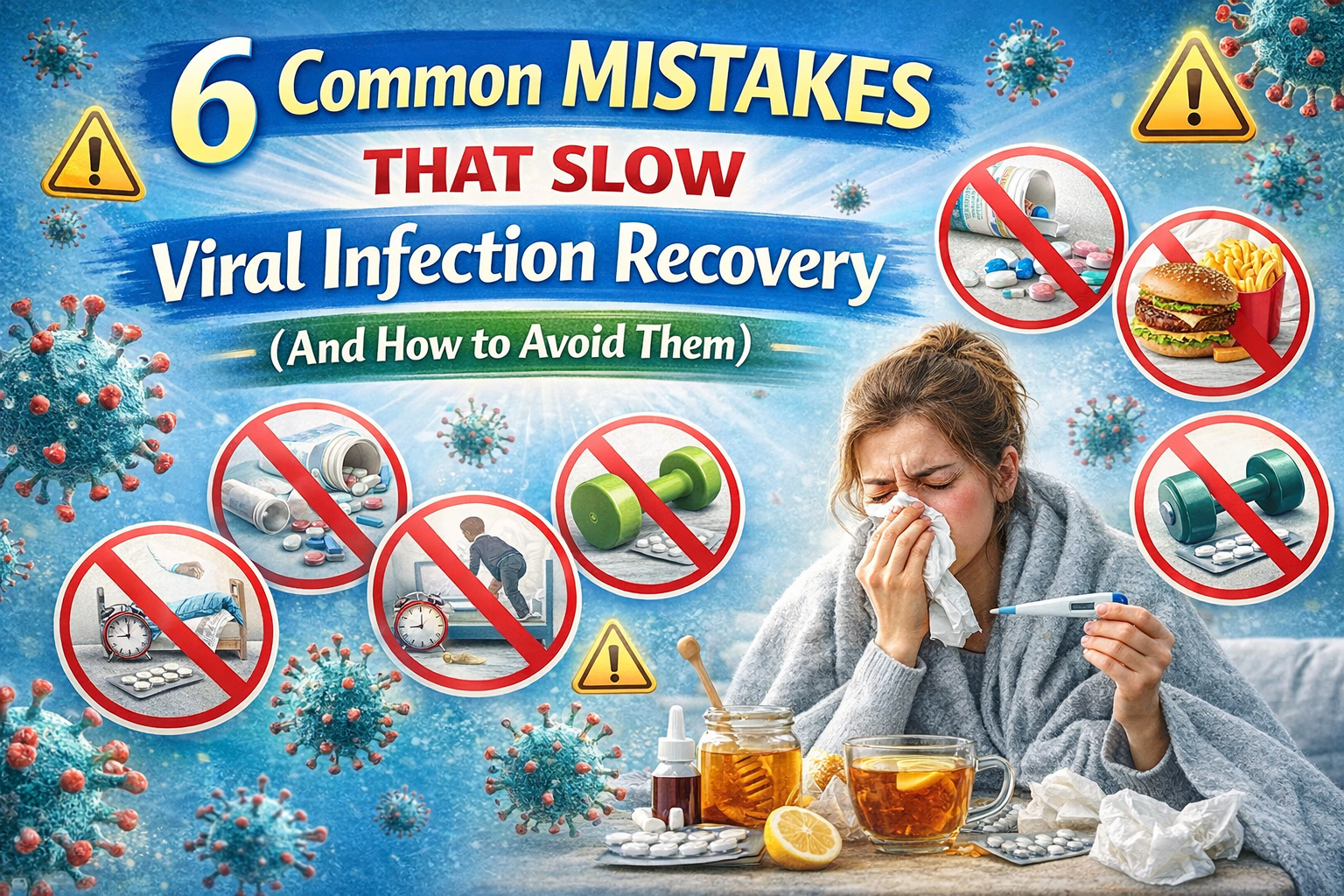
Toggle6 Common Mistakes That Slow Viral Infection Recovery (And How to Avoid Them)
Recovering from a viral infection isn’t just about waiting for time to do its work—it’s about giving your body the right conditions to heal. Many people unknowingly slow their recovery by making small yet significant mistakes. Whether it’s skipping rest, self-medicating, or jumping back into routine life too early, these habits can keep you feeling weak long after the fever breaks.
Understanding how your body fights viruses is essential. When you’re sick, your immune system wages a complex battle, using energy, hydration, and nutrients to defeat the invader. But recovery doesn’t end when symptoms ease—your body still needs support to rebuild strength. Let’s uncover the six most common mistakes that might be standing between you and a full, speedy recovery.
Introduction: Understanding Viral Infections and Recovery
What Happens When You Catch a Virus
When a virus enters your body, it hijacks healthy cells to reproduce, causing symptoms like fever, fatigue, and body aches. This triggers an immune response, sending white blood cells, antibodies, and inflammation to fight off the invader. During this period, your energy is redirected toward defense—meaning your body can’t perform at full capacity in other areas like digestion, focus, or physical stamina.
It’s crucial to recognize that every viral infection behaves differently. The common cold might resolve in a week, while something like influenza or COVID-19 can take much longer. The severity of symptoms often depends on your immune system’s strength, pre-existing conditions, and lifestyle choices.
Why Recovery Time Differs for Everyone
No two recoveries are the same. Some people bounce back in days; others take weeks. Factors like age, diet, hydration, sleep, and even mental health all influence recovery speed. Ignoring rest or stress management can stretch out healing far beyond what’s necessary. Understanding your body’s signals—like persistent fatigue or brain fog—can help you gauge when you’re ready to resume normal activity.
The Importance of Proper Recovery Habits
Recovery is not just about “not being sick.” It’s about restoring balance. That means rehydrating, eating nourishing foods, and pacing yourself. Small missteps—like skipping meals or forcing yourself to work—can easily lead to setbacks. The goal isn’t just to eliminate the virus but to rebuild your body’s defenses so it’s stronger for the next challenge.
Mistake #1: Ignoring Rest and Overexertion
Why Rest is the Foundation of Recovery
Rest is not laziness—it’s medicine. During sleep, your body releases growth hormones that repair tissues and strengthen immune cells. Ignoring rest means your body must divide limited energy between fighting the virus and maintaining daily tasks, slowing both processes. Think of it like trying to charge your phone while constantly using it—it never reaches 100%.
Quality rest includes both sleep and downtime. Even light activities, like scrolling your phone or watching TV, can prevent deep rest if done excessively. True recovery requires physical and mental stillness.
The Science Behind Fatigue During Viral Illness
Fatigue during infection isn’t weakness—it’s a biological signal. Your immune system is in overdrive, using up glucose and oxygen to fuel defense mechanisms. Pushing through fatigue disrupts this process, leading to prolonged symptoms. Studies show that people who rest adequately recover faster and report fewer relapses.
How Overexertion Can Delay Healing
Returning to work or exercise too soon can backfire. Overexertion increases cortisol levels, which suppress immune activity. Even if symptoms fade, your body still needs time to rebuild muscle strength and replenish nutrients. Rushing recovery can cause “post-viral fatigue syndrome,” where tiredness lingers for weeks or months.
The best approach? Listen to your body. Rest until you not only feel better but feel normal. Your body knows when it’s ready.
Mistake #2: Neglecting Proper Hydration and Nutrition
The Role of Water in Immune Response
Water does more than quench thirst—it flushes toxins, regulates temperature, and keeps mucous membranes moist. Dehydration thickens mucus, making it harder for your body to expel pathogens. Fevers and sweating also deplete fluids faster, increasing the need for rehydration.
Aim for clear fluids like water, coconut water, or herbal teas. Avoid sugary drinks or alcohol—they strain your liver, which is already working to filter out viral waste.
Essential Nutrients for Fighting Viral Infections
Your body needs a nutrient-rich diet to rebuild and repair. Vitamins C and D boost immune activity; zinc and iron help produce white blood cells; and protein aids tissue repair. Foods like citrus fruits, leafy greens, eggs, and legumes should dominate your plate.
Broths and soups are excellent choices—they’re easy to digest and provide hydration and electrolytes simultaneously. Skipping meals or eating junk food robs your body of the nutrients it desperately needs.
Foods and Drinks to Avoid When Sick
Certain foods slow recovery. Processed foods, excessive sugar, and caffeine can weaken immune function and cause inflammation. Dairy may thicken mucus in some individuals, making breathing harder. Instead, choose light, nutrient-dense meals that fuel rather than fatigue your body.
Mistake #3: Self-Medicating Without Medical Advice
The Dangers of Overusing Over-the-Counter Drugs
Reaching for painkillers or cold medicine might offer short-term relief, but overuse can harm your liver, kidneys, and gut. Medications like acetaminophen or ibuprofen are safe when used correctly—but mixing or exceeding doses is dangerous. Moreover, masking symptoms can trick you into thinking you’re well enough to resume activity prematurely.
Why Antibiotics Don’t Work on Viruses
This is a major misconception. Antibiotics target bacteria, not viruses. Using them unnecessarily disrupts gut flora, weakens immunity, and contributes to antibiotic resistance. Unfortunately, many people still self-prescribe or demand antibiotics for viral infections, delaying recovery instead of helping it.
When to Seek Professional Medical Help
Not every infection requires a doctor, but some symptoms do—high fever lasting over three days, chest pain, shortness of breath, or severe fatigue should never be ignored. A healthcare provider can identify complications or bacterial co-infections that require proper treatment. Self-diagnosis often overlooks these signs, leading to longer or more severe illness.
Mistake #4: Returning to Routine Too Soon
The Risk of Relapse After Early Activity
It’s tempting to jump back into your daily routine once you start feeling better, but this is one of the most common—and damaging—mistakes during recovery from a viral infection. When your fever drops or your sore throat eases, it might feel like you’re back to normal, but your immune system is still rebuilding. Think of it like finishing a marathon—just because you’ve crossed the finish line doesn’t mean your muscles aren’t sore or your energy reserves aren’t depleted.
Returning to work, exercise, or even social events too soon can easily cause a relapse. The virus might be mostly gone, but your body’s defenses are still fragile. Overexertion at this stage can lead to fatigue, lingering coughs, or even post-viral complications. Studies have shown that people who rest an additional two to three days after symptoms fade recover more completely and are less likely to experience chronic fatigue afterward.
It’s essential to be patient with your body. The extra rest might feel inconvenient, but it prevents weeks of lingering weakness and illness.
How to Know When You’re Truly Recovered
The question is—how do you know when you’re really ready? A good rule of thumb is to wait until you’ve had at least 48–72 hours without symptoms and feel genuinely energized, not just “not sick.” Your sleep should be restful, your appetite should be normal, and your energy levels should feel stable throughout the day.
If you’re unsure, try the “energy test.” Go about your normal routine for half a day—light chores, walking, maybe a bit of desk work. If you feel completely fine afterward, you’re likely ready to resume life. If you feel drained or your symptoms return, that’s your body saying, “Not yet.”
Smart Steps to Ease Back into Normal Life
Don’t rush—ease in. Start with light activities like stretching, short walks, or working half-days if possible. Avoid strenuous workouts for at least a few days post-recovery. Eat balanced meals, stay hydrated, and prioritize quality sleep. Gradually rebuild your strength instead of forcing it.
Most importantly, listen to your body’s whispers before they become screams. Rest is not wasted time—it’s your body’s investment in long-term wellness.
Mistake #5: Poor Hygiene and Reinfection Risks
Common Hygiene Habits That Prolong Illness
You might be surprised to learn that poor hygiene can keep you sick longer—or even make you sick again. Touching your face, not washing your hands frequently, or reusing tissues can reintroduce viral particles into your system. Viruses can live on surfaces like doorknobs, phones, or keyboards for hours, even days.
Many people overlook their bedding and personal items. Using the same pillowcase or towel during and after illness can lead to reinfection. Washing them in hot water and disinfecting common surfaces can drastically reduce these risks.
Cleaning and Sanitizing: What Really Matters
There’s a fine line between good hygiene and over-sanitizing. You don’t need industrial-grade disinfectants; simple soap and water work wonders. Focus on high-touch areas—light switches, remote controls, phones, and kitchen counters.
Use alcohol-based sanitizers when soap isn’t available, and remember to wash your hands before eating, after sneezing or coughing, and after using the restroom. These simple steps are your first line of defense against lingering or recurring infections.
Preventing Transmission to Others
If you live with family or roommates, protecting them protects you. Keep your distance while contagious, cover coughs and sneezes with tissues or your elbow, and wear a mask if necessary. Avoid sharing utensils, towels, or pillows until you’re fully recovered.
By being cautious, you’re not only preventing reinfection but also breaking the cycle of illness in your household. Remember: recovery is a team effort.
Mistake #6: Ignoring Mental and Emotional Health
The Mind-Body Connection During Illness
Your mental health plays a massive role in your physical recovery. When you’re stressed or anxious, your body releases cortisol—a hormone that suppresses immune function. That’s why people under chronic stress often catch colds more easily or take longer to recover.
Feeling down, restless, or frustrated during illness is normal. You’re forced to slow down, rest, and sometimes isolate yourself, which can impact mood. However, understanding that healing takes time—and allowing yourself that grace—can actually speed up recovery.
Managing Stress for a Faster Recovery
Simple relaxation techniques can make a world of difference. Deep breathing, meditation, or listening to calming music can help lower stress hormones and improve immune efficiency. Reading, journaling, or gentle stretches can also keep your mind engaged without exhausting your body.
Connecting with loved ones via phone or video call helps too. Emotional support isn’t just comforting—it’s biologically beneficial. Positive emotions stimulate healing hormones and strengthen immune resilience.
Building a Positive Recovery Environment
Your surroundings matter. Create a calm, clean, and cozy recovery space. Keep your room well-ventilated and clutter-free. Use soft lighting, stay hydrated, and surround yourself with uplifting sounds or scents.
Recovery isn’t just physical—it’s emotional, too. When your mind feels safe and relaxed, your body follows suit. Remember, a peaceful mindset is as healing as any medicine.
How to Support Your Immune System the Right Way
Daily Habits That Strengthen Immunity
Your immune system is your lifelong protector, and supporting it doesn’t stop once you recover. Consistent habits make the biggest difference—adequate sleep, balanced nutrition, and staying active keep your defenses strong.
Eat a colorful diet filled with fruits, vegetables, whole grains, and lean proteins. Each color on your plate represents different antioxidants and vitamins that help your body resist infection.
Sleep, Sunlight, and Stress Management
Sleep is when your immune cells regenerate, so aim for 7–9 hours nightly. Sunlight exposure provides vitamin D, which strengthens immune response. Even 15–20 minutes outside can do wonders.
Managing stress is equally vital. Chronic tension weakens your immune system, making you more susceptible to illness. Simple practices like mindfulness, yoga, or gratitude journaling help maintain internal balance.
Supplements and Natural Boosters That Work
Supplements like vitamin C, D3, zinc, and probiotics can give your immunity a natural edge—but they should complement, not replace, healthy habits. Herbal teas like ginger, turmeric, and echinacea also have immune-boosting properties.
Always consult your doctor before starting new supplements, especially if you’re on medication. A well-supported immune system is your best defense against future infections.
The Role of Professional Medical Guidance
When to Consult a Doctor
While most viral infections resolve naturally, some cases require medical intervention. If your symptoms worsen, persist beyond 10 days, or involve chest pain, high fever, or shortness of breath, seek professional help.
A doctor can determine if your illness has triggered secondary infections—like bacterial pneumonia or sinusitis—that may require treatment. Ignoring these warning signs can lead to complications that extend your recovery timeline.
Understanding Lab Tests and Diagnoses
Doctors use lab tests to confirm the type of virus and rule out bacterial infections. Blood tests, swabs, or imaging can help identify the cause of your symptoms. Accurate diagnosis ensures you receive the right treatment, whether it’s supportive care or medication to manage specific symptoms.
Following Medical Instructions Correctly
Once prescribed a treatment plan, follow it precisely. Many people stop taking medication once they “feel better,” but completing your doctor’s recommended course ensures full recovery. Skipping doses or stopping early can lead to relapse or resistance.
Good communication with your healthcare provider helps you recover efficiently and prevents unnecessary suffering.
Myths and Misconceptions About Viral Infections
Debunking Common Recovery Myths
When it comes to viral infections, misinformation spreads almost as fast as the virus itself. Many people rely on “home remedies” or myths passed down through generations that can do more harm than good. One of the most common misconceptions is that you can “sweat out” a virus by exercising or sitting in a sauna. In reality, overheating can lead to dehydration and make symptoms worse.
Another widespread myth is that antibiotics help cure viral infections. As mentioned earlier, antibiotics only target bacteria—not viruses. Taking them unnecessarily not only weakens your immune system but can also cause antibiotic resistance, making future bacterial infections harder to treat.
Then there’s the idea that eating less helps you “starve” the virus. Quite the opposite! Your immune system needs fuel to function, and skipping meals deprives your body of essential nutrients. Similarly, alcohol doesn’t “kill germs” inside your body—it stresses your liver and weakens immune function.
Believing in these myths often delays proper recovery. It’s better to rely on scientific evidence, rest, and doctor-approved remedies than social media hacks or old wives’ tales.
What Science Actually Says
Scientific studies emphasize three main factors that determine recovery speed: rest, hydration, and nutrition. Your immune system uses proteins, vitamins, and minerals to produce antibodies and repair tissues. Without these, recovery can stall.
Research also shows that mental well-being has a measurable effect on immune health. People who maintain a positive outlook and manage stress recover faster and experience fewer post-viral complications. It’s not “just in your head”—your mood genuinely influences your immune system.
Most importantly, science reminds us that viruses have no quick fixes. Recovery takes time, consistency, and care. Ignoring this natural process only prolongs discomfort.
How to Identify Reliable Health Information
In today’s digital age, misinformation is everywhere. When researching health advice, always verify your sources. Trust information from medical institutions, peer-reviewed studies, and licensed healthcare professionals.
Avoid taking advice from random social media posts, unverified blogs, or “miracle cure” advertisements. If something sounds too good to be true—like a drink that “instantly kills viruses”—it probably is. Reliable health information should be backed by data, not hype.
Prevention Is Better Than Cure
Healthy Lifestyle Habits
The easiest way to avoid viral infections—and recover faster when they strike—is through consistent, healthy living. Start by building a strong immune foundation: eat nutrient-rich meals, exercise moderately, and get enough sleep. Avoid smoking, limit alcohol intake, and manage stress through mindfulness or relaxation techniques.
Regular handwashing, good hygiene, and avoiding close contact with sick individuals can also minimize your exposure to viruses. Think of these habits as your daily “immune insurance policy”—small investments that protect you long-term.
Vaccinations and Immunizations
Vaccines are one of humanity’s most powerful tools against viral diseases. They train your immune system to recognize and fight specific viruses without causing illness. Staying up to date with vaccinations—like the flu shot or COVID-19 boosters—reduces the risk of severe infection and speeds up recovery if you do get sick.
Unfortunately, vaccine hesitancy and misinformation still prevent many people from benefiting from this protection. Always consult your healthcare provider to ensure you’re current with recommended immunizations for your age and region.
Building Long-Term Resilience
True health isn’t built overnight—it’s the result of daily choices. Building resilience means maintaining a strong body and mind capable of handling stress, infection, and fatigue. Regular exercise, proper sleep, hydration, and emotional balance create a foundation that helps you bounce back quickly from illness.
Your body is remarkably adaptive. When you treat it well, it learns to respond more efficiently to future challenges. Resilience is your lifelong defense strategy—so nurture it every day.
Conclusion: Listen to Your Body
Key Takeaways
Recovering from a viral infection is as much about patience as it is about treatment. Your body is an intelligent system that knows how to heal—but only if you give it the right support. Rest, hydration, nutrition, and mental well-being are the cornerstones of recovery. Skipping these essentials or rushing back into your routine only delays healing.
Avoiding common mistakes—like overexertion, poor hygiene, or self-medication—can make the difference between a quick recovery and lingering fatigue. Your body’s signals are there for a reason. Listen to them, respect them, and respond accordingly.
The Power of Patience and Consistency
Healing is not a race; it’s a process. Every day of rest, every healthy meal, every moment of calm brings your body closer to balance. Remember, doing “nothing” while recovering is actually doing something very important—it’s giving your immune system the energy and time it needs to win.
So, next time you’re hit by a virus, take a step back, slow down, and let nature do its work. The best recovery happens when you work with your body, not against it.
FAQs
1. Can rest alone cure a viral infection?
Rest is essential, but it’s not the only factor. While your immune system does most of the work during rest, hydration, nutrition, and stress management also play key roles in helping your body recover fully.
2. How long should I wait before resuming exercise after a virus?
Generally, wait at least 2–3 days after your symptoms completely disappear before resuming light physical activity. Start slowly, monitor your energy levels, and increase intensity gradually.
3. What are the warning signs of a post-viral complication?
Persistent fever, extreme fatigue, shortness of breath, chest pain, or dizziness after initial recovery may indicate complications. If these occur, seek medical attention immediately.
4. Is it normal to feel weak for weeks after recovery?
Yes, post-viral fatigue is common. Your immune system and energy reserves may take time to rebuild. Prioritize rest, nutrition, and hydration until your stamina returns.
5. How can I prevent frequent viral infections?
Maintain a balanced diet, stay hydrated, exercise regularly, manage stress, and get enough sleep. Regular handwashing and up-to-date vaccinations also reduce your risk significantly.
1 thought on “6 Common Mistakes That Slow Viral Infection Recovery (And How to Avoid Them)”