Table of Contents
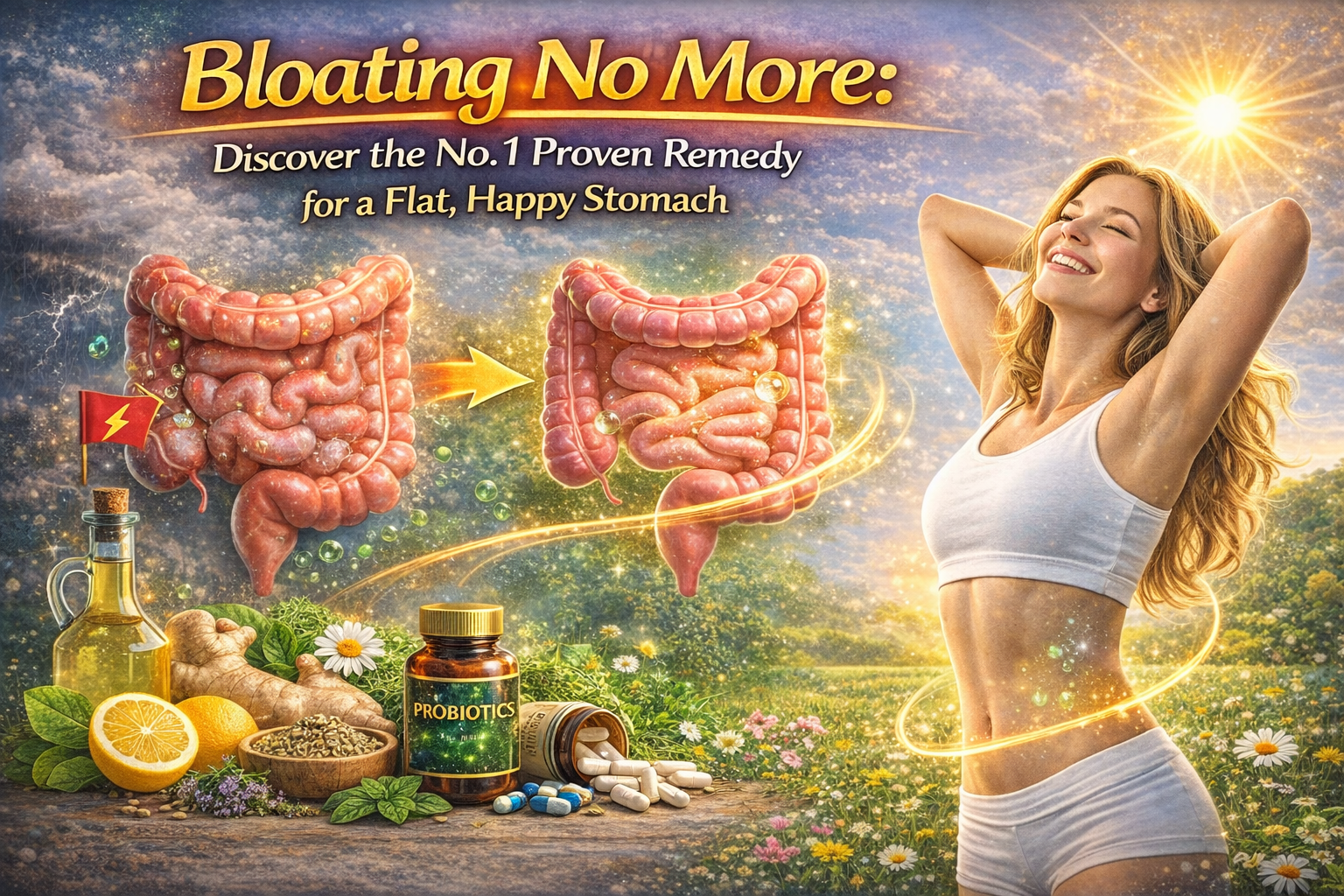
ToggleBloating No More: Discover the No.1 Proven Remedy for a Flat, Happy Stomach
Introduction: The Struggle with Bloating and Belly Discomfort
Let’s be real—nothing kills your confidence faster than waking up to a belly that feels like a balloon. Bloating isn’t just about appearance; it’s about discomfort, sluggishness, and that frustrating tightness that makes even your loosest jeans feel snug. Most people experience bloating from time to time, but when it becomes an everyday thing, it can really affect your mood, energy, and digestion.
You might think it’s just overeating or drinking too much soda, but bloating has far more sneaky causes than most realize. Whether it’s the way you eat, your gut health, stress levels, or even “healthy” foods you consume daily—bloating often stems from what’s going on deep within your digestive system.
The good news? You don’t have to live with it. With the right understanding, habits, and natural remedies, you can finally say goodbye to that puffy, uncomfortable feeling and enjoy a flatter, happier stomach. In this article, we’ll break down exactly why bloating happens, what you can do about it, and the No.1 best remedy that actually works—no gimmicks, no crash diets, just real science-backed solutions for lasting relief.
Understanding Bloating: What’s Really Going On Inside Your Body?
Bloating is more than just trapped gas—it’s a sign that your digestive system is struggling to process food efficiently. When you eat, your stomach breaks down food through acid and enzymes. If something interrupts this process—like eating too fast, consuming gas-producing foods, or having an imbalance in gut bacteria—your body produces excess gas and fluid, leading to that uncomfortable, distended feeling.
It’s important to know that bloating isn’t always caused by overeating. Many times, it’s due to the body’s reaction to certain foods, an overworked digestive system, or hormonal changes (especially in women). Sometimes, the cause is as simple as swallowing air while talking or drinking through a straw.
Common Misconceptions About Bloating
One major misconception is that bloating equals fat gain. That’s not true. Bloating is temporary and caused by internal pressure or water retention, not body fat. Another myth is that cutting carbs will fix it. While reducing refined carbs may help, many healthy carbs like fruits, vegetables, and whole grains contain fiber—vital for digestion but tricky to balance if your gut is sensitive.
Understanding what’s happening in your body is the first step to finding the right remedy. Once you identify the root cause, you can make targeted changes that truly make a difference.
Why Bloating Happens Even When You Eat Healthy
It’s frustrating, isn’t it? You’re eating salads, fruits, lean proteins—doing everything “right”—yet you still feel bloated. The truth is, even healthy foods can trigger bloating, especially if your digestive system isn’t used to certain types of fiber or if your gut microbiome is out of balance.
High-fiber foods like beans, lentils, and cruciferous vegetables (broccoli, cauliflower, Brussels sprouts) are incredibly nutritious but also known for producing gas. Your body needs time to adapt to digesting them efficiently. Similarly, dairy, gluten, and artificial sweeteners can also cause discomfort, even in people without full-blown intolerances.
The Role of Fiber and Digestion
Fiber is essential—it keeps your digestion smooth and supports healthy gut bacteria. But too much, too soon, can overwhelm your system, leading to gas and bloating. The key is balance: gradually increase your fiber intake and drink plenty of water to help move things along.
Food Intolerances You Might Overlook
Some foods that seem harmless—like onions, garlic, apples, and honey—contain FODMAPs, short-chain carbohydrates that can ferment in the gut and cause bloating in sensitive individuals. If you often feel bloated after eating, trying a low-FODMAP diet (temporarily) might help you identify your triggers.
The Connection Between Gut Health and a Flat Stomach
Here’s something that surprises most people: bloating isn’t just about what you eat—it’s about how your gut handles it. Your gut is home to trillions of microorganisms collectively known as the gut microbiome. When balanced, these tiny bacteria work in harmony to digest food, absorb nutrients, and eliminate waste efficiently. But when things go out of balance—known as gut dysbiosis—your digestion slows, gas builds up, and bloating becomes a regular visitor.
The Gut Microbiome Explained
Think of your gut like a bustling city. When the population of good and bad bacteria is in harmony, everything runs smoothly. But when harmful bacteria outnumber the beneficial ones, chaos ensues—leading to digestive distress, inflammation, and yes, bloating. Poor diet choices, stress, antibiotics, and lack of sleep can all throw your gut bacteria off balance.
How an Imbalanced Gut Leads to Persistent Bloating
An unhealthy gut can’t process food properly. This leads to fermentation in the intestines, producing excess gas and discomfort. Over time, your body may even develop sensitivities to certain foods, making bloating worse. The good news? You can repair your gut through natural means—starting with probiotics, prebiotics, and lifestyle changes that nurture your digestive ecosystem.
When your gut is happy, your belly follows. A balanced microbiome supports a flatter stomach, steadier energy, and even better mood.
Hidden Culprits: Foods That Secretly Cause Bloating
You might be surprised to learn that some of your favorite “healthy” foods are behind your bloating struggles. While everyone’s digestive system is unique, certain ingredients are notorious for causing discomfort—even when they seem harmless.
“Healthy” Foods That Can Make You Feel Bloated
-
Cruciferous vegetables: Broccoli, cabbage, and cauliflower contain raffinose, a complex sugar that produces gas when broken down.
-
Legumes: Beans and lentils are protein-rich but contain compounds that ferment in your gut.
-
Dairy: Many people have mild lactose intolerance without realizing it, leading to bloating and gas after consuming milk or cheese.
-
Carbonated drinks: Even sparkling water can introduce excess air into your stomach, making you feel puffed up.
-
Artificial sweeteners: Ingredients like sorbitol, xylitol, and mannitol can cause digestive distress, especially in large amounts.
Processed Foods and Sodium Overload
Sodium is another sneaky bloating culprit. High-salt foods cause your body to retain water, leaving you feeling swollen and heavy. Processed snacks, soups, and sauces often contain more sodium than you think. Opting for whole, minimally processed meals can make a noticeable difference in just days.
Lifestyle Factors That Contribute to Bloating
It’s not only about what you eat, but how you live. The way you eat, your stress levels, sleep habits, and daily activity all influence your digestion and how prone you are to bloating.
Eating Habits That Trigger Bloating
Eating too fast is one of the biggest culprits. When you rush meals, you swallow excess air, and your stomach struggles to keep up. Try slowing down—chew thoroughly, savor each bite, and avoid gulping drinks. Also, avoid eating large meals right before bed; digestion slows while you sleep, which can trap gas in your belly.
Stress and the Gut-Brain Connection
Your gut and brain are constantly communicating through the vagus nerve. When you’re stressed, your brain sends distress signals to your digestive system, disrupting motility and increasing gas production. Ever noticed your stomach feels uneasy before a big event? That’s your gut-brain axis at work. Managing stress through breathing exercises, meditation, or gentle movement can drastically reduce bloating episodes.
Small lifestyle tweaks—like mindful eating, staying active, and managing stress—often yield big results when it comes to bloating relief.
The No.1 Best Remedy for a Flat Stomach: Probiotic Power
If there’s one remedy that truly stands out for battling bloating and achieving a flatter stomach, it’s probiotics. These “good bacteria” restore harmony in your gut by balancing your microbiome and improving digestion.
How Probiotics Work to Beat Bloating
Probiotics aid in breaking down complex carbohydrates, reducing fermentation and gas buildup. They also strengthen your gut lining, reduce inflammation, and enhance nutrient absorption. Over time, probiotics retrain your digestive system to function efficiently, leaving you with less bloating and more comfort.
Choosing the Right Probiotic Strain for Your Gut
Not all probiotics are created equal. Strains like Lactobacillus acidophilus and Bifidobacterium bifidum are particularly effective for reducing gas and abdominal discomfort. Look for supplements with multiple strains and at least 10–20 billion CFUs (colony-forming units) per serving. Fermented foods such as yogurt, kefir, kimchi, and sauerkraut are also fantastic natural sources.
Consistency is key—probiotics take time to colonize and rebalance your gut flora. Stick with them daily for at least 4–6 weeks to notice significant improvements.
Top Natural Remedies to Support a Flat, Comfortable Stomach
While probiotics are the star of the show when it comes to beating bloating, several other natural remedies can work alongside them to create a healthy, balanced digestive system. These remedies aren’t about quick fixes or gimmicks—they support your gut health in ways your body can actually sustain long term.
Herbal Teas (Peppermint, Ginger, Fennel)
Nature has some of the best anti-bloat treatments in the form of herbal teas.
-
Peppermint tea relaxes the digestive tract muscles, allowing gas to pass more easily. It also has a soothing effect that reduces the feeling of fullness and abdominal pain.
-
Ginger tea acts as a natural anti-inflammatory and digestive aid. It helps food move more efficiently through the stomach and intestines, reducing the buildup of gas.
-
Fennel tea is a hidden gem. Its seeds have compounds that help relax intestinal muscles and prevent spasms, which can ease bloating almost instantly.
Make these teas part of your daily ritual—one in the morning and one after dinner—to calm your digestive system and keep your belly happy.
Digestive Enzymes and Their Role
Sometimes, your body just needs a little extra help breaking down food. Digestive enzyme supplements can do wonders if your system struggles to process proteins, fats, or carbs efficiently. Look for blends that contain amylase, lipase, and protease—they help digest starches, fats, and proteins, respectively.
If you prefer natural options, pineapple and papaya are rich in enzymes (bromelain and papain) that can aid digestion. Incorporating them into your diet as fresh fruit or smoothies after meals can make a big difference in how light you feel afterward.
Hydration: The Secret Weapon Against Bloating
Believe it or not, one of the simplest yet most powerful remedies for bloating is water. Many people mistake water retention for bloating, but dehydration is often the culprit behind that puffy feeling.
The Importance of Water for Digestion
Water helps your digestive system break down food and move it smoothly through your intestines. When you’re dehydrated, your body clings to every drop it can, leading to swelling and discomfort. Drinking enough water flushes out excess sodium and toxins, both of which can make you feel bloated.
Electrolyte Balance and Water Retention
Of course, drinking plain water alone isn’t always enough. You also need to maintain electrolyte balance—especially sodium, potassium, and magnesium. When these are out of sync, your body holds onto water. Add natural sources of electrolytes like coconut water, leafy greens, bananas, and avocados to your diet to help your body stay balanced and hydrated.
Aim for at least eight glasses of water a day, and start your morning with a warm glass of lemon water to gently stimulate digestion and reduce bloating from the get-go.
The Role of Exercise in Reducing Bloating
Here’s a little secret: you don’t need to run marathons or hit the gym for hours to beat bloating. Gentle, consistent movement can be one of your best allies for a flatter, more comfortable stomach.
How Movement Aids Digestion
Physical activity keeps your digestive system active. It promotes peristalsis—the wave-like motion that helps move food through your intestines. Even light exercises such as walking after meals can help release trapped gas and reduce that uncomfortable tightness in your belly.
Best Exercises for a Flat Stomach
-
Walking: A simple 20-minute post-meal walk can drastically reduce bloating.
-
Yoga: Poses like “Wind-Relieving Pose” (Pawanmuktasana) and “Child’s Pose” can physically help expel trapped gas.
-
Core exercises: Gentle core work—like planks, leg lifts, or Pilates—improves muscle tone and posture, supporting digestive organs.
The goal isn’t just aesthetics; it’s about helping your body function more efficiently. When digestion runs smoothly, you naturally look and feel less bloated.
Daily Habits to Prevent Bloating for Good
If you want lasting results, consistency matters more than perfection. By adjusting your daily habits, you can prevent bloating from ever becoming a regular issue again.
Mindful Eating Techniques
Mindful eating isn’t just a trend—it’s a science-backed way to support your digestion. Sit down for meals, avoid distractions, and take time to chew thoroughly. Digestion begins in the mouth, and rushing through food forces your stomach to work harder.
Portion Control and Chewing Properly
Large portions overwhelm the digestive system, especially when eaten quickly. Instead of three massive meals, try smaller, balanced meals throughout the day. Chew each bite 20–30 times before swallowing. It might sound tedious, but your gut will thank you.
Also, try not to talk too much while eating—this reduces the air you swallow, which in turn minimizes gas buildup. Over time, these small habits lead to noticeable changes in how light and energized you feel.
Sample One-Day Anti-Bloat Meal Plan
Creating an anti-bloat meal plan doesn’t mean depriving yourself—it means eating smart, balancing nutrients, and avoiding ingredients that cause discomfort. This one-day plan is designed to soothe your digestive system, keep your gut happy, and help you feel light and energized throughout the day.
Breakfast: Warm Lemon Water + Gut-Friendly Smoothie
Start your day with a glass of warm lemon water. It gently stimulates digestion and hydrates your system after a night’s rest. Follow it up with a gut-friendly smoothie made with:
-
1 cup unsweetened almond milk
-
½ cup pineapple (contains bromelain for digestion)
-
½ banana (rich in potassium to reduce water retention)
-
1 tbsp chia seeds (for fiber and omega-3s)
-
A small handful of spinach
-
1 probiotic yogurt or kefir
Blend everything until smooth. This breakfast is light yet filling, hydrating, and packed with gut-loving nutrients.
Mid-Morning Snack: Fresh Fennel Seeds or Herbal Tea
Instead of reaching for chips or biscuits, chew on a teaspoon of fennel seeds. They naturally reduce bloating and freshen your breath. Alternatively, sip on peppermint or ginger tea to keep digestion calm and active.
Lunch: Grilled Chicken with Quinoa and Steamed Veggies
For lunch, keep things balanced with lean protein, complex carbs, and fiber.
-
Protein: Grilled chicken or tofu helps stabilize blood sugar and keeps you satisfied.
-
Carbs: Quinoa is a gluten-free grain that’s easy to digest and full of essential amino acids.
-
Veggies: Steam zucchini, carrots, and spinach for added fiber without the bloat-causing gas found in raw cruciferous vegetables.
Drizzle with olive oil and a squeeze of lemon juice—simple, light, and nourishing.
Afternoon Snack: Pineapple and Papaya Mix
Both pineapple and papaya contain enzymes (bromelain and papain) that help break down proteins and reduce bloating. A small bowl of these tropical fruits can refresh your palate and support your digestion mid-day.
Dinner: Salmon with Roasted Sweet Potato and Greens
Dinner should be your lightest meal to prevent overnight bloating.
-
Salmon: Packed with omega-3 fatty acids that reduce inflammation and support a healthy gut lining.
-
Sweet potato: Provides complex carbs that digest slowly without spiking blood sugar.
-
Greens: Sautéed spinach or kale adds fiber and micronutrients.
Add a pinch of turmeric or ginger for an extra digestive boost.
Before Bed: Chamomile or Lemon Balm Tea
End your day with a warm cup of chamomile or lemon balm tea. Both help relax your digestive system, calm your mind, and promote better sleep—all of which are essential for reducing next-day bloating.
When to Seek Medical Help for Chronic Bloating
Occasional bloating is normal, but if you experience persistent or painful bloating that doesn’t improve with lifestyle changes, it may signal an underlying issue.
Signs That Warrant a Doctor’s Visit:
-
Bloating accompanied by severe pain or cramping
-
Unexplained weight loss or loss of appetite
-
Nausea, vomiting, or changes in bowel habits (diarrhea or constipation)
-
Blood in your stool or persistent fatigue
These symptoms could indicate digestive disorders like Irritable Bowel Syndrome (IBS), Celiac Disease, Lactose Intolerance, or even Small Intestinal Bacterial Overgrowth (SIBO). Consulting a gastroenterologist can help you get a clear diagnosis and personalized treatment plan.
Don’t ignore your body’s signals—chronic bloating is your gut’s way of saying something isn’t right. Early intervention can prevent bigger issues later on.
Myths About Quick Fixes for a Flat Stomach
With so many products claiming to “flatten your stomach overnight,” it’s easy to fall for marketing traps. But here’s the truth—no tea, pill, or detox will permanently fix bloating or belly fat.
Detox Teas and Laxatives
These products promise quick results but often work by dehydrating you or forcing bowel movements. The weight you lose is water—not fat—and once you rehydrate, the bloat comes back (sometimes worse). Overuse of laxatives can even harm your gut microbiome, making bloating a long-term issue.
Skipping Meals or Starving
Starving yourself slows metabolism and confuses your digestive system. When you finally eat again, your body clings to every bit of water and food, worsening bloating. Regular, balanced meals are the real secret to stable digestion and energy.
Ab Workouts Alone Don’t Flatten Your Stomach
While core exercises tone your muscles, they won’t fix bloating caused by digestion. The real work happens inside—through what you eat, how you hydrate, and how you care for your gut.
Remember: sustainable results come from understanding your body, not punishing it.
Conclusion: Embrace Gut Health, Not Just a Flat Belly
Bloating is your body’s way of communicating. It’s not your enemy—it’s a signal that something needs attention. Whether it’s your diet, stress levels, hydration, or gut health, addressing the root causes can transform how you feel every single day.
The No.1 remedy—a healthy gut supported by probiotics—offers a long-term, natural solution. Combine that with mindful eating, hydration, herbal teas, and daily movement, and you’ll not only enjoy a flatter stomach but also improved energy, mood, and confidence.
Your goal shouldn’t be perfection or restriction—it should be balance. When your gut is happy, your whole body thrives. So listen to your body, nourish it with care, and say goodbye to bloating for good.
FAQs
-
What’s the fastest way to reduce bloating?
Drinking warm water, walking for 10–15 minutes, and sipping peppermint tea can quickly ease mild bloating. For long-term results, focus on gut health and diet balance. -
Can bloating be a sign of a serious condition?
Yes, persistent bloating with pain or changes in bowel habits could indicate IBS, lactose intolerance, or other digestive issues. Always consult a doctor if symptoms continue. -
Are probiotics safe for everyone?
Generally, yes. However, those with immune system conditions should consult a healthcare provider before taking supplements. -
How long does it take to see results from probiotics?
Most people notice improvements within 2–4 weeks, but lasting changes occur after consistent use for 6–8 weeks. -
What foods help naturally reduce bloating?
Foods like ginger, cucumber, papaya, fennel seeds, and yogurt support digestion and reduce gas buildup naturally.
21 Red Flags Your Body Is Suffering from Nutrient Deficiencies: Signs You Should Never Ignore…….
FIRST AID Guides…..
1 thought on “Bloating No More: Discover the No.1 Proven Remedy for a Flat, Happy Stomach”