Table of Contents
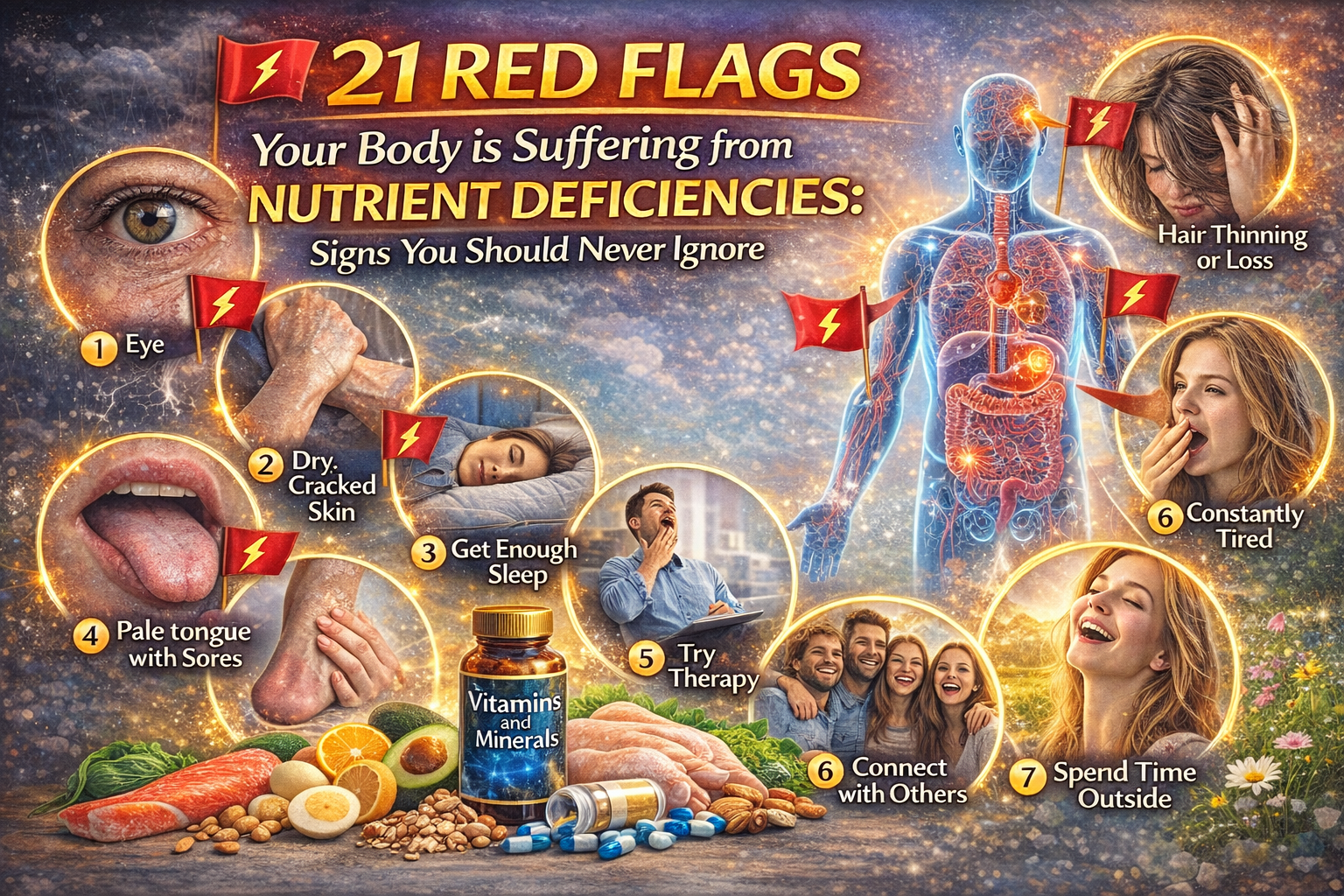
Toggle21 Red Flags Your Body Is Suffering from Nutrient Deficiencies: Signs You Should Never Ignore
Introduction: Why Nutrient Deficiencies Are Silent Threats
Your body is like a well-tuned machine—it needs the right fuel to function at its best. But what happens when it’s running low on essential nutrients? The truth is, many people walk around every day completely unaware that their fatigue, brittle nails, or mood swings could be a result of nutrient deficiencies. These deficiencies don’t usually scream for attention at first; instead, they whisper subtle warnings that many of us ignore until the symptoms become serious.
Modern diets filled with processed foods, stress, and poor lifestyle choices make it easy to miss out on vital vitamins and minerals. Your body, however, always finds a way to communicate when something’s off. From dry skin to brain fog, the signs are often written all over you—literally.
In this comprehensive guide, we’ll uncover 21 red flags that indicate your body might be missing essential nutrients. Understanding these warning signs could help you take early action, improve your energy, and even prevent long-term health issues. So, let’s decode what your body is trying to tell you.
Understanding Nutrient Deficiency and Its Impact on Health
Nutrient deficiency happens when your body doesn’t get enough vitamins or minerals to carry out normal physiological functions. These nutrients are crucial for everything—from repairing tissues to maintaining mental clarity. When even one is lacking, the ripple effect can impact multiple systems at once.
Take iron, for instance. It helps your blood carry oxygen. Without enough of it, you may experience fatigue, dizziness, or even heart palpitations. Likewise, low vitamin D levels can weaken your bones and immunity. And it’s not just physical symptoms—nutrient imbalances can mess with your emotions, causing irritability or depression.
Long-term deficiencies can increase your risk of chronic diseases like osteoporosis, anemia, or cardiovascular issues. That’s why recognizing these early signs is vital. Catching a deficiency before it spirals can make all the difference between a quick dietary fix and a prolonged health battle.
Now, let’s dive into the 21 warning signs your body might be sending you.
1. Constant Fatigue and Low Energy Levels
Feeling tired all the time, even after a full night’s sleep, is one of the most common red flags of nutrient deficiency. Chronic fatigue can be linked to a lack of iron, vitamin B12, or magnesium—three key nutrients responsible for energy production and oxygen transportation.
Iron deficiency, known as anemia, limits the amount of oxygen your red blood cells can carry. This means your muscles and brain don’t get the oxygen they need, leaving you feeling drained. Similarly, vitamin B12 is essential for converting food into usable energy. When levels drop, your metabolism slows down, and exhaustion sets in.
Magnesium, often called the “relaxation mineral,” plays a huge role in regulating muscle and nerve function. Low magnesium levels can make you feel weak, restless, and fatigued.
What to do:
-
Include iron-rich foods like spinach, lentils, and red meat.
-
Add vitamin B12 sources such as eggs, fish, and dairy.
-
Eat magnesium-packed foods like nuts, seeds, and leafy greens.
If your energy levels don’t bounce back despite proper rest and nutrition, it might be time for a blood test.
2. Brittle Hair and Nails
If your hair snaps easily or your nails chip faster than you can trim them, your body could be craving essential nutrients like biotin (vitamin B7), zinc, or iron. Biotin supports keratin production, the protein that forms your hair and nails. Without it, they become fragile and dull.
Iron deficiency also reduces blood flow to your hair follicles, slowing growth and making hair more prone to breakage. Zinc, on the other hand, helps in cell growth and tissue repair. Without enough zinc, nails may develop white spots, ridges, or even separate from the nail bed.
Fix it naturally:
-
Snack on nuts, seeds, and eggs (great for biotin).
-
Include seafood and poultry (rich in zinc).
-
Pair plant-based iron foods with vitamin C to improve absorption.
Remember, your hair and nails are like mirrors reflecting your inner health—they reveal what’s going on inside long before other symptoms appear.
3. Dry, Flaky, or Cracked Skin
If your skin constantly feels dry, itchy, or rough despite using moisturizers, the problem might not be external—it could be nutritional. Deficiencies in vitamin A, vitamin C, vitamin E, and omega-3 fatty acids often cause dryness and premature aging.
Vitamin A helps in skin cell turnover, keeping your skin smooth and hydrated. Without it, your skin becomes rough and prone to breakouts. Vitamin C is a powerful antioxidant that promotes collagen synthesis—low levels can lead to sagging, dry skin and slow healing.
Omega-3 fatty acids, found in fish oil and flaxseed, maintain the lipid barrier in your skin that locks in moisture. Without them, skin loses elasticity and feels rough or cracked.
What to add:
-
Eat colorful fruits and vegetables for vitamins A and C.
-
Include fatty fish, walnuts, and chia seeds for omega-3s.
-
Stay hydrated to support skin regeneration.
Your skin is your body’s largest organ—it reflects your nutritional balance more clearly than you might think.
4. Frequent Muscle Cramps and Weakness
Ever wake up in the middle of the night with a sudden leg cramp that feels like your muscle is being twisted? That painful spasm might be more than dehydration—it’s often a warning sign that your body is lacking magnesium, potassium, or calcium. These three minerals play vital roles in muscle contraction, relaxation, and nerve transmission.
Magnesium helps regulate muscle and nerve function, and when your levels drop, muscles can’t relax properly. Potassium, another electrolyte, maintains fluid balance and muscle coordination. Low potassium can cause muscle weakness, twitching, or even irregular heartbeats. Calcium deficiency, commonly associated with bone health, can also affect how your muscles contract, leading to cramps or tingling sensations.
How to fix it naturally:
-
Load up on leafy greens, avocados, and bananas for potassium.
-
Add almonds, pumpkin seeds, and spinach for magnesium.
-
Don’t skip dairy, tofu, and fortified plant milk for calcium.
You can also stay hydrated throughout the day and avoid excessive caffeine, which depletes minerals. If cramps persist, it’s a good idea to have your electrolyte balance checked.
5. Slow Wound Healing
Do your cuts and scrapes seem to take forever to heal? That’s a big red flag your body might be short on vitamin C, zinc, or protein. These nutrients are essential for collagen formation and tissue repair.
Vitamin C acts as a co-factor in collagen synthesis—the structural protein that keeps skin elastic and strong. Zinc helps in cell growth and inflammation control, making it vital for closing wounds faster. Protein, of course, provides the amino acids your body needs to rebuild damaged tissues.
Without these nutrients, even minor wounds can linger, leaving your skin vulnerable to infection.
Add this to your diet:
-
Citrus fruits, bell peppers, and strawberries for vitamin C.
-
Lean meats, shellfish, and seeds for zinc.
-
Eggs, beans, and tofu for protein.
Think of your body as a construction site—without enough raw materials, repair work slows down.
6. Frequent Illnesses or Weak Immunity
If you catch every cold that goes around, your immune system might be crying out for help. Poor immunity often signals a lack of vitamin D, vitamin C, zinc, or selenium. These nutrients are your body’s defense squad—they help create antibodies, repair tissues, and neutralize harmful pathogens.
Vitamin D, known as the “sunshine vitamin,” is crucial for immune regulation. Low levels can leave your body defenseless against infections. Zinc strengthens white blood cells, while selenium acts as an antioxidant that protects cells from damage.
Immune-boosting foods to eat:
-
Get 15–20 minutes of sun daily for vitamin D or try fortified milk.
-
Include citrus fruits, garlic, and broccoli for vitamin C.
-
Add nuts, seeds, and seafood for zinc and selenium.
A healthy immune system starts from within—no supplement can replace a nutrient-rich diet.
7. Unexplained Hair Loss
Losing 50–100 strands of hair a day is normal, but if you notice excessive shedding or thinning patches, it could signal nutrient imbalance. The common culprits? Iron, vitamin D, biotin, and zinc.
Iron helps carry oxygen to hair follicles, fueling growth. When iron is low, hair follicles “rest” instead of regenerating, causing more shedding. Vitamin D stimulates new hair follicles; without it, hair growth slows down. Biotin and zinc are essential for keratin production and scalp health.
What to do:
-
Eat eggs, salmon, and nuts for biotin and vitamin D.
-
Include lean red meat, lentils, and spinach for iron.
-
Try zinc-rich foods like pumpkin seeds and shellfish.
Your hair health mirrors your inner vitality—when nutrients are in balance, your locks shine.
8. Poor Night Vision or Eye Discomfort
Do you struggle to see clearly in dim light? Poor night vision, dryness, or eye irritation may indicate a vitamin A deficiency. Vitamin A forms rhodopsin, a pigment in your retina that helps you see in low light conditions.
When your body lacks vitamin A, the cornea becomes dry and your eyes more sensitive. Severe deficiency can lead to night blindness or even permanent damage.
Simple eye-saving foods:
-
Carrots, sweet potatoes, and spinach for beta-carotene (vitamin A precursor).
-
Eggs and dairy products for readily available vitamin A.
-
Omega-3s from fish help reduce dryness and irritation.
Your eyes are like windows to your nutrition—keep them bright by fueling them right.
9. Pale Skin and Dark Circles
If your complexion looks unusually pale or you’ve got dark circles that won’t budge, anemia or poor circulation could be at play. Iron, vitamin B12, and folate deficiencies often reduce red blood cell count, depriving your skin of oxygen and giving you that washed-out look.
You might also feel cold easily, dizzy, or short of breath.
To restore your glow:
-
Eat iron-rich foods like lentils, beef, and spinach.
-
Add vitamin C to enhance iron absorption.
-
Include eggs, dairy, and fortified cereals for vitamin B12.
Healthy blood equals healthy skin—treat your body like a canvas that thrives on nourishment.
10. Mood Swings, Anxiety, and Depression
Feeling anxious or down for no clear reason? Nutrient deficiencies, particularly in vitamin D, omega-3 fatty acids, vitamin B6, and magnesium, can influence your mood. These nutrients regulate brain chemicals like serotonin and dopamine—the “happy hormones.”
Vitamin D deficiency is often linked to seasonal affective disorder (SAD), while omega-3s support brain function and emotional balance. Magnesium and vitamin B6 help calm your nervous system and reduce stress.
Mood-boosting choices:
-
Enjoy sunlight exposure for natural vitamin D.
-
Eat fatty fish, walnuts, and chia seeds for omega-3s.
-
Include leafy greens, bananas, and chickpeas for magnesium and B6.
Your mind and body are deeply connected—feed one to heal the other.
11. Tingling or Numbness in Hands and Feet
That tingling or “pins and needles” feeling in your hands and feet isn’t something to ignore. It can be a red flag that your nervous system is under stress due to a vitamin B12, vitamin B6, or vitamin E deficiency. These vitamins are essential for maintaining healthy nerves and supporting signal transmission between your brain and body.
When vitamin B12 levels dip, the protective sheath around your nerves (myelin) begins to deteriorate, leading to numbness, burning sensations, or even balance issues. Vitamin B6 helps in neurotransmitter production, and low levels may cause nerve irritation. Vitamin E, being a potent antioxidant, protects nerve membranes from oxidative damage.
How to correct it naturally:
-
Include fish, eggs, dairy, and fortified cereals for vitamin B12.
-
Add chickpeas, bananas, and potatoes for vitamin B6.
-
Snack on almonds, sunflower seeds, and spinach for vitamin E.
If tingling persists despite dietary changes, consult a healthcare provider—long-term deficiencies can cause permanent nerve damage if untreated.
12. Cravings for Ice or Non-Food Substances
Ever feel an odd urge to chew ice, clay, or even paper? This unusual craving is known as pica, and it’s often a symptom of iron or zinc deficiency. Iron deficiency anemia reduces oxygen flow to tissues, which can trigger strange cravings as your body’s cry for nutrients.
Chewing ice may momentarily improve alertness or soothe inflammation in people with low iron, but it’s not a solution. Instead, it’s a warning sign that your blood may be low in oxygen-carrying capacity.
Natural ways to restore balance:
-
Eat lean meats, spinach, lentils, and fortified grains for iron.
-
Pair plant-based iron sources with vitamin C for better absorption.
-
Include pumpkin seeds, nuts, and shellfish for zinc.
If you notice such cravings regularly, it’s wise to get your iron levels checked—your body is clearly asking for help.
13. Bleeding Gums and Dental Problems
Bleeding gums during brushing or flossing might seem minor, but they’re often a red flag for vitamin C or vitamin K deficiency. Vitamin C strengthens capillaries and gums, while vitamin K helps blood clot properly. Lack of these vitamins weakens gum tissue, leading to inflammation and easy bleeding.
To fix it naturally:
-
Load up on oranges, bell peppers, and strawberries for vitamin C.
-
Include leafy greens like kale, spinach, and broccoli for vitamin K.
-
Maintain good oral hygiene and avoid excessive sugary foods.
Healthy gums are a reflection of your internal health. If the bleeding continues, it might be time to consider both a dental check-up and a nutritional boost.
14. Digestive Issues: Bloating, Constipation, and Poor Appetite
Your gut health mirrors your nutrient balance. Frequent bloating, constipation, or loss of appetite could indicate a deficiency in fiber, magnesium, B vitamins, or vitamin D. These nutrients help regulate digestion and promote a balanced gut microbiome.
Low magnesium slows down muscle contractions in the digestive tract, leading to constipation. B vitamins support the metabolism of carbohydrates, fats, and proteins—when they’re low, digestion becomes sluggish. Vitamin D also supports gut immune function and reduces inflammation.
Gut-friendly foods:
-
Eat whole grains, fruits, and vegetables for fiber.
-
Add nuts, seeds, and leafy greens for magnesium.
-
Include yogurt or fermented foods to boost healthy gut bacteria.
Your digestive system is like an engine—it needs the right fuel and maintenance to keep things running smoothly.
15. Irregular Heartbeat or Palpitations
If your heart skips a beat or feels like it’s fluttering, nutrient deficiencies might be to blame—particularly low magnesium, potassium, or calcium. These minerals help maintain normal heart rhythm and support muscle contractions.
Magnesium regulates electrical activity in the heart, while potassium keeps your heartbeat steady by controlling the flow of sodium in and out of cells. Calcium supports proper muscle contraction—including your heart muscle.
To support heart health naturally:
-
Eat bananas, avocados, and leafy greens for potassium.
-
Include almonds, tofu, and dairy for calcium.
-
Add dark chocolate, nuts, and seeds for magnesium.
Also, stay hydrated and limit caffeine and alcohol, as both can deplete electrolytes and worsen heart irregularities.
16. Poor Memory and Brain Fog
Do you ever feel like your brain is in a fog, or you forget things easily? This could be a sign of omega-3 fatty acid, iron, vitamin B12, or folate deficiency. These nutrients are essential for brain function, energy production, and neurotransmitter balance.
Omega-3s (especially DHA) form a major part of brain cell membranes, keeping them flexible and improving communication between neurons. Iron and B12 ensure oxygen delivery and energy to brain cells. Without them, mental clarity, concentration, and mood all suffer.
Brain-boosting foods:
-
Eat salmon, walnuts, and flaxseeds for omega-3s.
-
Include eggs, meat, and leafy greens for B12 and folate.
-
Add dark chocolate and blueberries for brain-protective antioxidants.
Your brain runs on nutrients just like your body—fuel it well to stay sharp and focused.
17. Bone Pain or Weakness
Persistent joint or bone pain isn’t just an aging issue—it often signals vitamin D, calcium, or magnesium deficiency. These nutrients work together to maintain strong bones and prevent conditions like osteoporosis.
Vitamin D enhances calcium absorption, while magnesium ensures calcium reaches bones instead of soft tissues. When levels dip, bones become fragile, increasing the risk of fractures and chronic pain.
Bone-strengthening foods:
-
Get sunlight exposure for vitamin D.
-
Include dairy, tofu, and leafy greens for calcium.
-
Add nuts, seeds, and whole grains for magnesium.
Think of your bones as the framework of your body—don’t let them weaken from lack of care.
18. Brittle or Peeling Lips (Cheilitis)
If your lips are constantly dry, cracked, or peeling—especially around the corners—your body may be lacking vitamin B2 (riboflavin), iron, or zinc. This painful condition, called angular cheilitis, often appears as splits at the corners of your mouth that don’t heal easily.
Riboflavin is essential for maintaining healthy skin and mucous membranes. When you don’t get enough, your lips lose moisture and resilience. Iron and zinc deficiencies reduce blood flow and repair capacity in skin tissue, making healing painfully slow.
To restore smooth lips:
-
Eat eggs, milk, almonds, and mushrooms for vitamin B2.
-
Add red meat, lentils, and spinach for iron.
-
Include pumpkin seeds, seafood, and beans for zinc.
-
Stay hydrated and apply a natural balm with shea butter or coconut oil.
Your lips can be an early indicator of nutrient imbalance—they show signs of deficiency long before other body parts do.
19. Changes in Tongue Texture or Color
Your tongue says more about your health than you think. If it’s smooth, swollen, pale, or has red patches, your body may be missing key nutrients like vitamin B12, iron, or folate.
A smooth, shiny tongue (known as atrophic glossitis) often indicates B12 or folate deficiency. Pale coloration suggests low iron levels, while red, inflamed patches can point to a lack of certain B vitamins. These nutrients are essential for producing red blood cells and maintaining healthy mucous membranes.
To nourish your tongue naturally:
-
Eat meat, fish, eggs, and dairy for vitamin B12.
-
Add spinach, lentils, and citrus fruits for folate and iron.
-
Stay hydrated and practice good oral hygiene.
Your tongue is like a dashboard indicator—it tells you when your nutrient engine is running low.
20. Irregular Menstrual Cycles
Women who experience irregular or unusually heavy menstrual cycles may be suffering from deficiencies in iron, vitamin B6, magnesium, or omega-3 fatty acids. Iron is lost during menstruation, and when levels drop, fatigue and hormonal imbalance often follow. Vitamin B6 and magnesium play vital roles in regulating hormones like estrogen and progesterone.
Omega-3s help reduce inflammation and balance prostaglandins—hormone-like substances that influence cramps and menstrual flow. Without these nutrients, your cycle can become erratic or more painful.
To support hormonal balance:
-
Eat salmon, walnuts, and flaxseed for omega-3s.
-
Add beans, chickpeas, and leafy greens for magnesium and B6.
-
Include red meat or fortified grains for iron.
Tracking your cycle can also help you notice patterns—if irregularities persist, a blood test can reveal which nutrients you’re lacking.
21. Slow Growth or Development (in Children and Teens)
For growing children and teens, nutrient deficiencies can have lasting effects. A lack of protein, vitamin D, calcium, zinc, or iodine can slow growth, weaken bones, and even impair brain development.
Protein builds tissues and muscles, while vitamin D and calcium ensure bone strength. Zinc supports cell growth and immune function, and iodine is vital for thyroid health and metabolism. Deficiencies in any of these can result in stunted growth, fatigue, or delayed puberty.
Growth-supporting nutrition tips:
-
Include eggs, milk, fish, and poultry daily.
-
Add nuts, whole grains, and legumes for zinc and protein.
-
Ensure regular outdoor play for vitamin D through sunlight exposure.
Childhood nutrition lays the foundation for lifelong health—early deficiencies can create future challenges.
How to Diagnose Nutrient Deficiencies
While recognizing symptoms is important, confirming a nutrient deficiency requires medical testing. A simple blood test can measure levels of vitamins, minerals, and other essential nutrients in your body.
Doctors may also review your diet, lifestyle, and medical history. In some cases, additional tests—like bone density scans (for calcium/vitamin D) or thyroid function tests (for iodine)—are needed.
Common diagnostic steps include:
-
Complete blood count (CBC): Detects anemia or iron deficiency.
-
Vitamin panel: Checks B12, D, folate, and other vitamin levels.
-
Electrolyte test: Measures magnesium, potassium, and calcium.
-
Liver and kidney tests: Determine how your body processes nutrients.
Once a deficiency is identified, your healthcare provider will recommend dietary changes, supplements, or both.
Top Tips to Replenish Nutrients Naturally
You don’t need a shelf full of supplements to fix deficiencies—most can be reversed through mindful eating. Here are some practical strategies:
-
Diversify your plate: Eat colorful fruits, vegetables, grains, and proteins daily.
-
Choose whole foods: Skip processed snacks—they’re usually stripped of nutrients.
-
Cook smart: Overcooking destroys vitamins like C and B. Steam or sauté instead.
-
Pair wisely: Combine iron-rich foods with vitamin C for better absorption.
-
Stay hydrated: Water helps your body transport nutrients efficiently.
Your body thrives on balance. By eating a variety of whole, nutrient-dense foods, you’ll naturally rebuild what’s missing.
Foods That Are Powerhouses of Essential Vitamins and Minerals
Here’s a quick look at some top foods for restoring your body’s nutritional balance:
| Nutrient | Food Sources |
|---|---|
| Iron | Spinach, beef, lentils, tofu |
| Vitamin D | Fatty fish, eggs, fortified milk |
| Vitamin B12 | Eggs, meat, dairy, fortified cereals |
| Vitamin C | Citrus fruits, peppers, strawberries |
| Magnesium | Nuts, seeds, dark chocolate, greens |
| Zinc | Shellfish, pumpkin seeds, beans |
| Omega-3 | Salmon, flaxseeds, walnuts |
| Calcium | Dairy, tofu, kale, almonds |
Make these foods regular staples in your diet to prevent future deficiencies and boost overall vitality.
The Role of Supplements: When and How to Use Them
While food should always be your first source of nutrients, sometimes supplements are necessary—especially for individuals with absorption issues, restricted diets, or chronic health conditions.
For instance, vegetarians may need vitamin B12 supplements, while those with limited sun exposure might require vitamin D. Iron and calcium supplements can help when dietary intake alone isn’t enough.
Supplement tips:
-
Always consult your doctor before starting new supplements.
-
Choose high-quality, third-party-tested brands.
-
Avoid overdosing—too much of a good thing can be harmful.
-
Take fat-soluble vitamins (A, D, E, K) with meals containing healthy fats.
Supplements are not magic pills—they work best alongside a balanced diet and healthy lifestyle.
When to See a Doctor
If you’ve been experiencing multiple symptoms for weeks or months—like chronic fatigue, dizziness, mood swings, or recurring infections—it’s time to seek professional advice. Persistent nutrient deficiencies can lead to serious long-term issues like anemia, bone loss, or neurological damage.
Your doctor can order the right tests and guide you through treatment, whether it’s through diet, supplementation, or lifestyle adjustments. Early diagnosis makes recovery faster and easier.
Conclusion: Listening to Your Body’s SOS Signals
Your body is incredibly intelligent—it constantly communicates through signs and symptoms. Fatigue, brittle nails, dry skin, or mood swings aren’t random; they’re subtle SOS messages that something’s missing inside. Recognizing these red flags early can save you from long-term health struggles.
Nutrient deficiencies are fixable with the right attention, food choices, and care. So, start tuning in to what your body’s telling you. Feed it whole foods, get enough rest, enjoy sunlight, and stay hydrated. The best version of you begins with balance—because health isn’t just the absence of disease, it’s the harmony of every cell in your body.
FAQs
1. What are the most common nutrient deficiencies?
Iron, vitamin D, vitamin B12, calcium, and magnesium deficiencies are the most common worldwide.
2. Can nutrient deficiencies cause anxiety or depression?
Yes. Low levels of vitamin D, B vitamins, and omega-3 fatty acids can impact mood and contribute to anxiety or depression.
3. How long does it take to correct a nutrient deficiency?
Depending on the severity, most deficiencies improve within a few weeks to a few months of consistent dietary changes and supplements.
4. Do vegetarians face a higher risk of deficiencies?
Yes, especially vitamin B12, iron, and zinc deficiencies, since these nutrients are abundant in animal products.
5. What’s the best way to prevent nutrient deficiencies?
Eat a balanced, varied diet rich in whole foods, get sunlight exposure, stay hydrated, and have regular health check-ups.
First Aid Guides
7 Effective Ways to Beat Depression
1 thought on “21 Red Flags Your Body Is Suffering from Nutrient Deficiencies: Signs You Should Never Ignore”