Table of Contents
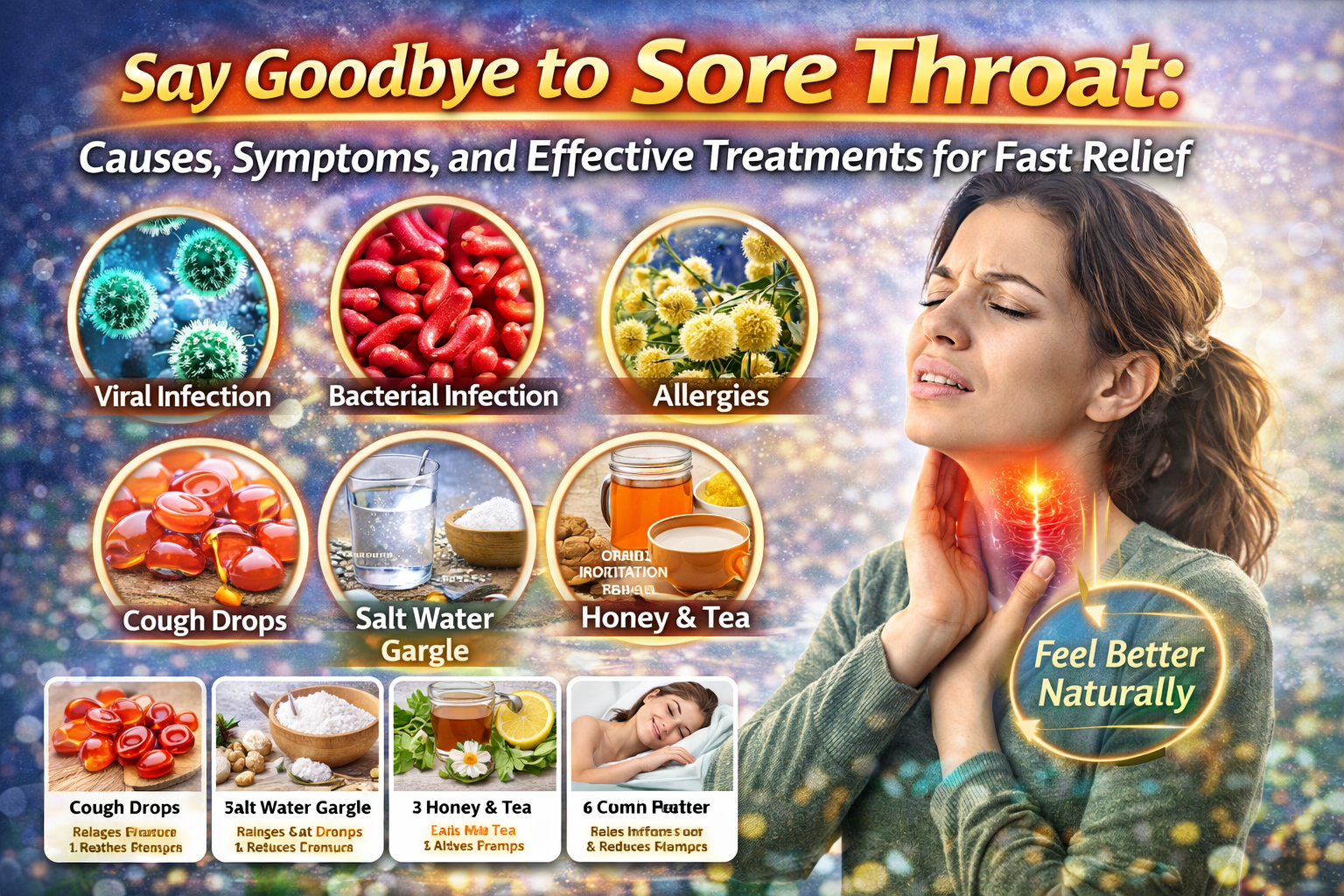
ToggleSay Goodbye to Sore Throat: Causes, Symptoms, and Effective Treatments for Fast Relief
Introduction
Few things can ruin your day faster than waking up with that dry, scratchy, painful feeling in your throat. A sore throat can make even swallowing water feel like a challenge, not to mention how it drains your energy and affects your mood. Whether it’s a mild irritation or a severe inflammation, understanding the root causes and learning the best treatments can help you bounce back faster. In this article, we’ll explore everything you need to know about sore throats—from what causes them to how to treat and prevent them effectively. By the end, you’ll be ready to say goodbye to sore throats for good.
What Is a Sore Throat?
A sore throat, medically known as pharyngitis, refers to pain, scratchiness, or irritation of the throat that often worsens when you swallow. It’s one of the most common reasons people visit the doctor or take time off work. Contrary to popular belief, sore throats aren’t always caused by infections. They can also result from dry air, allergies, pollution, or even overuse of your voice. Essentially, it’s your body’s way of signaling that something is irritating or inflaming the throat tissues.
Some people assume that every sore throat needs antibiotics—but that’s not true. In fact, most sore throats are caused by viruses, which don’t respond to antibiotics. Understanding this distinction is crucial to avoid unnecessary medication and resistance.
Types of Sore Throat
There’s no “one-size-fits-all” sore throat. Depending on the cause, symptoms can vary widely. Let’s look at the major types:
-
Viral Sore Throat: Caused by viruses such as the common cold, influenza, or mononucleosis. These usually go away on their own with rest and fluids.
-
Bacterial Sore Throat: The most well-known bacterial infection is strep throat, caused by Streptococcus pyogenes. It often requires antibiotics to prevent complications.
-
Allergic Sore Throat: Triggered by allergens like pollen, pet dander, or dust. It often comes with nasal congestion and postnasal drip.
-
Environmental/Irritant-Related Sore Throat: Smoke, pollution, chemical fumes, or even shouting can irritate your throat lining, leading to soreness.
Each type has its own characteristics and needs a different approach to treatment.
Common Causes of Sore Throat
Sore throats can appear out of nowhere, but there’s always an underlying cause. The most common ones include:
-
Viral Infections: About 90% of sore throats are viral. The usual culprits include cold and flu viruses, COVID-19, or mono.
-
Bacterial Infections: Strep throat is the main bacterial cause. It can lead to serious complications if untreated.
-
Allergies and Pollutants: When allergens enter your nasal passages, they cause inflammation and mucus buildup that drips down your throat, irritating it.
-
Smoking and Alcohol: Both can dry and irritate the throat lining, making it more prone to infection.
-
Acid Reflux (GERD): Stomach acid backing up into the throat can cause a burning sensation known as “heartburn throat.”
-
Dry Air: Especially during winter, low humidity can make your throat dry and sore.
Less Common Causes of Sore Throat
While most sore throats are due to viral or bacterial infections, sometimes the cause can be less obvious. Let’s explore a few that are often overlooked:
-
Tonsillitis: This occurs when the tonsils—two oval-shaped pads of tissue at the back of your throat—become inflamed. Tonsillitis can be viral or bacterial, and it often causes severe throat pain, difficulty swallowing, and sometimes white or yellow patches on the tonsils.
-
Postnasal Drip: When mucus from the nose drips down the back of your throat, it can cause constant irritation and coughing, especially at night.
-
Mouth Breathing and Dehydration: Breathing through your mouth, especially during sleep, can dry out the throat and cause soreness. Dehydration worsens this by reducing saliva production, which normally lubricates the throat.
-
Throat Cancer: Though rare, a persistent sore throat that doesn’t improve may indicate something serious like throat cancer. Symptoms might include difficulty swallowing, unexplained weight loss, or a lump in the neck. If your sore throat lasts more than two weeks, get checked by a healthcare provider.
These less common causes remind us that sore throats aren’t always “just a cold.” Paying attention to duration and associated symptoms helps in identifying the root problem early.
Recognizing the Symptoms of a Sore Throat
Every sore throat feels a little different. Some are scratchy and dry; others are painful and swollen. The symptoms can depend on the cause, but here are the most typical signs to look for:
-
Pain or Irritation: This is the hallmark symptom. It can range from mild discomfort to sharp pain that worsens when swallowing or speaking.
-
Dryness and Scratchiness: Many people describe a tickling or burning sensation that makes them want to clear their throat constantly.
-
Swollen Glands: You might feel tender lumps around your neck or jawline due to inflamed lymph nodes fighting off infection.
-
Redness and White Patches: The back of your throat may appear red, and in bacterial infections, you may notice white or yellow patches.
-
Fever and Body Aches: Viral and bacterial infections often cause a mild to moderate fever and fatigue.
-
Hoarseness or Loss of Voice: If your vocal cords are inflamed, your voice might sound raspy or weak.
Recognizing these symptoms early can help you determine whether you need simple home care or medical attention. Remember, a sore throat lasting more than 7–10 days or accompanied by high fever should always be checked by a doctor.
When to See a Doctor
Not every sore throat needs medical treatment, but certain red flags mean it’s time to book an appointment. You should see a doctor if you experience:
-
A sore throat lasting more than 10 days
-
High fever above 101°F (38.3°C)
-
Difficulty breathing or swallowing
-
Blood in saliva or phlegm
-
Ear pain or stiff neck
-
Rash or joint pain accompanying the sore throat
Doctors may perform a throat culture or rapid strep test to determine whether bacteria are responsible. If it’s bacterial, antibiotics will likely be prescribed. If it’s viral, you’ll be advised to rest, hydrate, and manage symptoms.
Remember, ignoring persistent throat pain can sometimes lead to complications like abscesses, rheumatic fever, or kidney inflammation (in cases of untreated strep). It’s always better to be safe than sorry.
How a Sore Throat Is Diagnosed
Diagnosing the cause of a sore throat is usually straightforward but may require a few steps:
-
Medical History: Your doctor will ask about your symptoms—duration, intensity, and any recent exposures (like someone sick around you).
-
Physical Examination: The doctor checks your throat, tonsils, ears, and lymph nodes. Redness, swelling, or pus on the tonsils can indicate infection.
-
Throat Swab Test: A sample is taken from your throat using a sterile swab and tested for Streptococcus bacteria.
-
Blood Tests: In some cases, blood tests may be used to rule out mono or other infections.
-
Laryngoscopy: For chronic sore throats, a small camera may be used to inspect your throat and vocal cords.
This process helps ensure accurate diagnosis and proper treatment—so you’re not taking unnecessary antibiotics or ignoring something more serious.
Effective Home Remedies for a Sore Throat
You don’t always need a prescription to find relief. Many home remedies can help ease discomfort and speed up recovery.
-
Warm Saltwater Gargle: Mix half a teaspoon of salt in a glass of warm water and gargle several times a day. It reduces swelling and kills bacteria.
-
Honey and Herbal Teas: Honey has antibacterial properties and coats the throat, soothing irritation. Combine it with chamomile or ginger tea for extra relief.
-
Steam Inhalation: Breathing in steam from a bowl of hot water or shower can ease throat dryness and loosen mucus.
-
Stay Hydrated: Drink warm fluids—water, broths, teas. Avoid alcohol and caffeine as they can dehydrate you.
-
Rest and Sleep: Your immune system heals fastest when you rest. Give your body the downtime it needs.
-
Use a Humidifier: Adding moisture to the air prevents your throat from drying out, especially in winter.
These remedies are simple, affordable, and effective when used consistently.
Over-the-Counter Treatments
When home remedies don’t offer enough relief, over-the-counter (OTC) medications can be a big help. These options are easily available at most pharmacies and can ease pain, reduce swelling, and help you recover faster.
-
Pain Relievers: Medications like ibuprofen (Advil, Motrin) or acetaminophen (Tylenol) can help relieve sore throat pain and reduce fever. Always follow the recommended dosage on the label.
-
Throat Lozenges: These little lifesavers coat your throat and provide temporary numbing effects. Look for ones containing ingredients like menthol or benzocaine for maximum relief.
-
Antiseptic Sprays: Sprays with mild anesthetics can numb the pain and reduce irritation almost instantly. They’re great for when swallowing feels particularly uncomfortable.
-
Decongestants: If your sore throat is caused by postnasal drip or nasal congestion, a decongestant (like pseudoephedrine or phenylephrine) can help clear your sinuses and reduce throat irritation.
-
Cough Syrups: Some cough medicines contain soothing agents that help lubricate the throat and prevent dry coughing that worsens soreness.
It’s important to read the labels carefully—some products contain multiple active ingredients, and doubling up accidentally can lead to side effects. If you’re unsure, ask your pharmacist for guidance.
Medical Treatments for Sore Throat
Sometimes, professional medical treatment is necessary—especially if the sore throat is bacterial or severe. Here’s how doctors typically approach it:
-
Antibiotics: These are prescribed only for bacterial infections like strep throat. Common options include amoxicillin or penicillin. Taking the full course is crucial, even if you start feeling better, to prevent recurrence or resistance.
-
Antivirals: For sore throats caused by viral infections like influenza or mononucleosis, antivirals may help shorten the illness duration if started early.
-
Corticosteroids: In severe cases, doctors might prescribe corticosteroids to reduce inflammation and swelling, providing fast relief from pain.
-
Allergy Medications: If allergies are the root cause, antihistamines or nasal sprays can help manage symptoms and prevent throat irritation.
-
Surgery (in rare cases): For recurrent tonsillitis or chronic infections, a tonsillectomy (removal of the tonsils) might be recommended.
Always remember that overusing antibiotics or taking them without proper diagnosis can lead to resistance and make future infections harder to treat. A doctor’s evaluation ensures you get the right treatment.
Lifestyle and Preventive Measures
Preventing sore throats starts with simple daily habits. You can significantly reduce your chances of getting one by making a few mindful changes:
-
Wash Your Hands Regularly: Germs spread through touch. Keep hand sanitizer handy, especially during cold and flu season.
-
Avoid Sharing Personal Items: Don’t share utensils, drinks, or toothbrushes—even with family members—when someone’s sick.
-
Stay Hydrated: Drinking plenty of fluids keeps the throat moist and flushes out bacteria.
-
Avoid Smoking and Secondhand Smoke: Tobacco smoke irritates the throat lining, making it more prone to infection.
-
Keep Your Home Air Moist: Use a humidifier to prevent dry air from irritating your throat, particularly in winter.
-
Eat a Balanced Diet: Foods rich in vitamin C, zinc, and antioxidants strengthen your immune system.
-
Rest and Manage Stress: Chronic stress weakens immunity, making you more vulnerable to infections.
These habits, when practiced consistently, don’t just prevent sore throats—they improve your overall respiratory and immune health.
Diet Tips for Soothing a Sore Throat
Food plays a surprisingly big role in both soothing and worsening sore throat pain. Here’s how you can eat smart while healing:
Foods to Eat:
-
Warm Broths and Soups: These provide hydration and are gentle on the throat. Chicken soup, in particular, has anti-inflammatory benefits.
-
Smoothies and Yogurt: Cool and creamy foods can coat your throat, offering relief from burning sensations.
-
Mashed Potatoes and Oatmeal: Soft foods reduce the effort of swallowing and ensure you’re still getting nutrients.
-
Honey and Herbal Teas: Honey’s antibacterial properties help heal tissues, while herbal teas reduce inflammation.
Foods to Avoid:
-
Spicy or Acidic Foods: These can further irritate the throat. Avoid citrus, tomato-based dishes, and hot spices.
-
Crunchy or Hard Foods: Chips, crackers, and nuts can scratch an already sore throat.
-
Caffeine and Alcohol: Both cause dehydration, which worsens dryness and irritation.
Nutrition helps speed up recovery by giving your body the tools it needs to fight off infection and heal faster.
Natural and Herbal Remedies
Mother Nature offers powerful solutions for sore throats. These remedies have been used for centuries and often work hand-in-hand with traditional treatments:
-
Ginger: Its anti-inflammatory and antibacterial properties make it perfect for soothing throat pain. Sip on ginger tea or chew fresh ginger slices with honey.
-
Turmeric: A natural antiseptic that helps reduce inflammation. Add a pinch to warm milk or gargle with turmeric water.
-
Licorice Root: Known for its soothing qualities, licorice tea can reduce swelling and irritation.
-
Chamomile Tea: This calming tea soothes the throat, promotes better sleep, and boosts healing.
-
Peppermint Oil: The menthol in peppermint helps numb the throat and open nasal passages. Add a few drops to hot water for steam inhalation.
-
Apple Cider Vinegar: Mix one tablespoon with warm water and honey. It kills bacteria and balances throat pH.
These remedies are natural, inexpensive, and highly effective when used consistently. However, if your sore throat worsens or lasts too long, consult a healthcare provider.
Sore Throat in Children vs. Adults
While sore throats can affect anyone, they often show up differently in children compared to adults. Understanding these differences helps ensure that both age groups get the right care.
In Children:
Kids are more prone to sore throats because their immune systems are still developing, making them easy targets for viruses and bacteria. Children in schools or daycare centers often catch infections quickly through close contact. Typical signs in kids include:
-
Sudden refusal to eat or drink due to throat pain
-
Irritability or excessive crying
-
Swollen glands and red tonsils
-
Fever and fatigue
Parents should be especially cautious if their child has a high fever, difficulty breathing, or white patches on the tonsils, as these could signal strep throat or tonsillitis. Pediatricians may perform a throat swab to confirm the cause and decide whether antibiotics are needed.
In Adults:
Adults may experience sore throats from stress, dehydration, smoking, or overuse of the voice in addition to infections. Unlike children, adults are less likely to develop strep throat but more prone to chronic irritations from allergies or acid reflux. Adults should watch out for persistent sore throats lasting longer than two weeks—this could indicate something more serious like GERD or, rarely, throat cancer.
Key Differences:
| Aspect | Children | Adults |
|---|---|---|
| Common Cause | Viral infections | Dry air, reflux, allergies |
| Severity | Often higher | Usually milder |
| Complications | Ear infections, fever | Chronic throat irritation |
| Treatment | Pediatric-safe antibiotics, soft foods | OTC meds, lifestyle changes |
Always seek professional advice before giving medications to children. Even natural remedies should be age-appropriate and approved by a doctor.
Myths About Sore Throat
Sore throats are so common that myths and old wives’ tales abound. Let’s bust a few of the most common ones:
-
Myth 1: All sore throats need antibiotics.
Truth: Most sore throats are viral, and antibiotics don’t work against viruses. Overusing antibiotics can make bacteria resistant, which is dangerous. -
Myth 2: Cold drinks cause sore throats.
Truth: Cold beverages might temporarily irritate an inflamed throat, but they don’t cause infection. In fact, ice water can sometimes soothe swelling. -
Myth 3: If there’s no fever, it’s not serious.
Truth: Some bacterial infections occur without fever. Persistent pain or swelling without fever still needs medical attention. -
Myth 4: Honey and lemon cure sore throat instantly.
Truth: While honey and lemon help relieve symptoms, they don’t “cure” the infection. They’re supportive remedies, not instant fixes. -
Myth 5: You can’t spread a sore throat if you feel fine.
Truth: You can still be contagious before symptoms appear or after they fade. Always cover your mouth when coughing or sneezing and wash your hands regularly.
Dispelling these myths helps you focus on what really works—proper rest, hydration, and medical care when needed.
Long-Term Care and Recovery Tips
Getting over a sore throat is great, but preventing the next one is even better. Here are proven tips to maintain throat health long-term:
-
Stay Hydrated Always: Drink at least eight glasses of water daily. Keeping your throat moist prevents dryness and irritation.
-
Avoid Smoking and Alcohol: Both are major irritants that can damage your throat’s protective lining.
-
Boost Your Immune System: A diet rich in fruits, vegetables, whole grains, and lean proteins strengthens immunity naturally.
-
Manage Allergies: Identify and minimize exposure to triggers like pollen or pet dander. Use air purifiers if necessary.
-
Maintain Good Oral Hygiene: Brush twice daily, floss, and replace your toothbrush regularly to prevent bacteria buildup.
-
Take Breaks from Talking or Singing: If you use your voice professionally, rest it regularly to prevent strain.
-
Monitor Indoor Air Quality: Dry or polluted air can irritate your throat. Use a humidifier or houseplants to improve air quality.
-
Address Reflux Promptly: If you suffer from GERD, follow a reflux-friendly diet—avoid spicy, acidic, or greasy foods.
-
Sleep Well: Your body repairs itself while you sleep, so 7–8 hours of rest is crucial for a healthy immune system.
Recovery doesn’t stop when the pain fades; consistent care keeps your throat healthy year-round and prevents future flare-ups.
Conclusion
A sore throat might seem like a minor inconvenience, but it can disrupt your daily life if not handled properly. From the tickle of a viral infection to the pain of strep throat, the causes are varied—but the good news is, so are the treatments. With the right care, you can ease the discomfort quickly and prevent it from coming back.
The key takeaway? Listen to your body. If your sore throat lingers, worsens, or comes with other serious symptoms, don’t ignore it—seek medical attention. A few preventive habits—like staying hydrated, eating healthy, and avoiding irritants—can make a world of difference. So, the next time your throat starts to feel scratchy, you’ll know exactly what to do. Say goodbye to sore throats and hello to better throat health!
FAQs
1. What is the fastest way to get rid of a sore throat?
The fastest relief comes from a mix of warm saltwater gargles, honey with herbal tea, and plenty of hydration. Rest and avoiding irritants like smoke can also speed up healing.
2. How can I tell if my sore throat is viral or bacterial?
Viral sore throats usually come with a runny nose or cough, while bacterial infections like strep throat cause white patches, severe pain, and fever without a cough. A doctor’s test is the best way to know for sure.
3. Can allergies cause a sore throat?
Yes. Allergies can trigger postnasal drip, where mucus drains into the throat, causing irritation and soreness. Managing allergies helps prevent this.
4. How long should a sore throat last?
Most sore throats improve within 5 to 7 days. If it lasts longer than 10 days or keeps coming back, you should see a doctor.
5. What drinks help soothe a sore throat?
Warm teas (like chamomile, ginger, or green tea), honey water, and warm soups are best. Avoid alcohol, caffeine, and acidic juices as they worsen irritation.
7 Effective Ways to Beat Depression: Proven Strategies……
1 thought on “Say Goodbye to Sore Throat: Causes, Symptoms, and Effective Treatments for Fast Relief”