Table of Contents
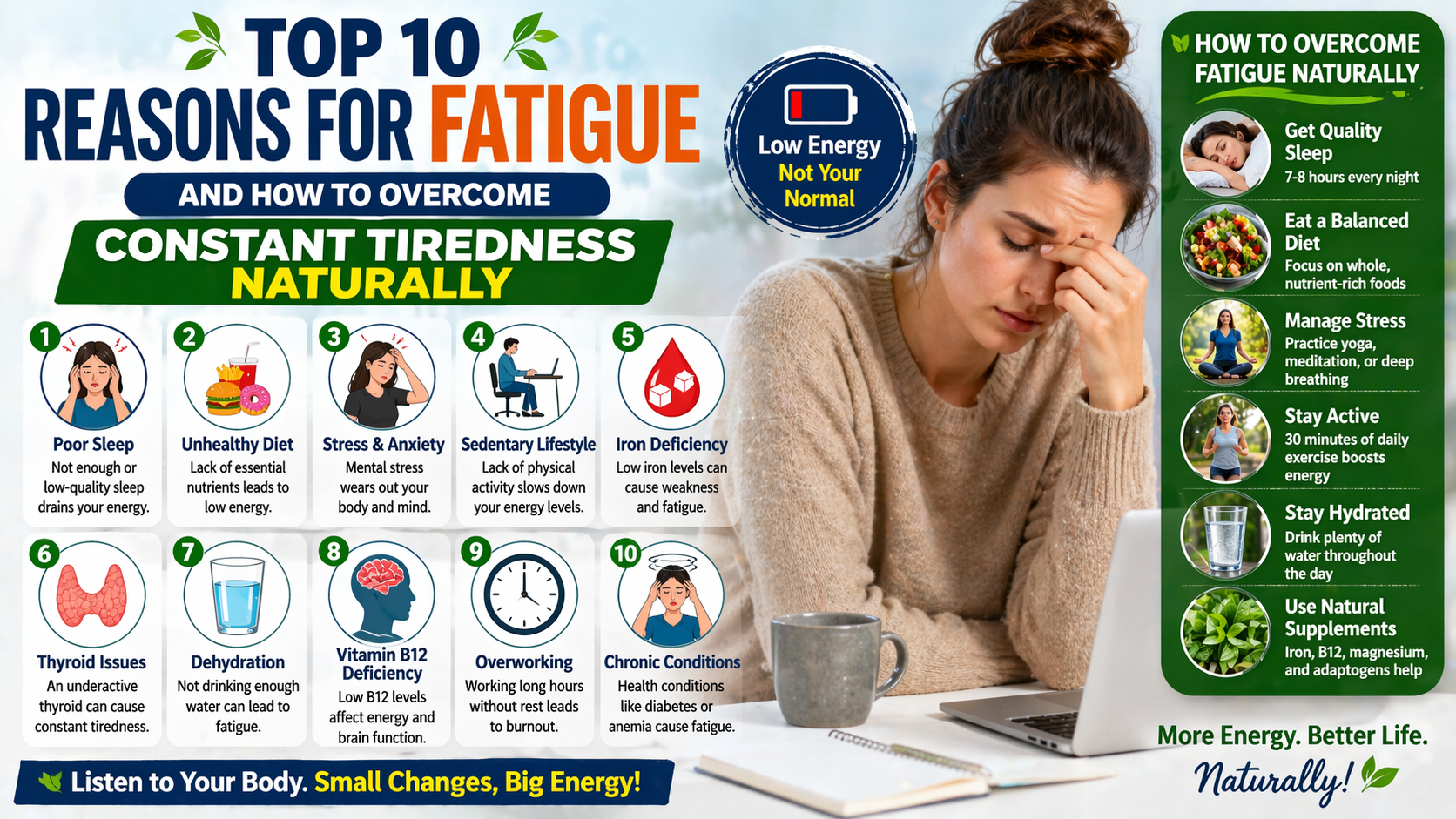
ToggleTop 10 Reasons for Fatigue and How to Overcome Constant Tiredness Naturally
Introduction: Understanding the True Nature of Fatigue
Fatigue isn’t just about feeling sleepy after a long day—it’s a deeper, more persistent lack of energy that affects every corner of your life. Think of fatigue as your body’s SOS signal, a message that something inside isn’t working as it should. It can be physical, mental, or even emotional. Many people confuse it with simple tiredness, but true fatigue doesn’t disappear after a nap or a cup of coffee. It lingers, drags your mood down, and makes even small tasks feel monumental.
Understanding fatigue is crucial because it’s not just about being “lazy” or “unmotivated.” It’s a symptom that your body is out of balance—maybe you’re not sleeping well, not eating right, or you’re under chronic stress. Sometimes, it’s even a warning sign of an underlying medical condition that deserves attention. Fatigue can sneak up on anyone, regardless of age or lifestyle, and it often signals that your energy systems are depleted.
In this article, we’ll explore the top 10 reasons for fatigue—from poor sleep and diet to hormonal imbalances and stress. You’ll not only discover the root causes but also learn how to reclaim your energy naturally. Let’s dive deep into why your body feels so drained and how to turn that exhaustion into renewed vitality.
Lack of Quality Sleep
If you’re feeling constantly drained, the first suspect should always be your sleep quality. Sleep is when your body recharges—your cells repair, your brain detoxifies, and your hormones rebalance. But here’s the catch: it’s not just about how long you sleep, but how well you sleep. You can spend eight hours in bed and still wake up feeling exhausted if your sleep is fragmented or restless.
Common culprits include late-night screen time, caffeine consumption close to bedtime, an inconsistent sleep schedule, or an uncomfortable sleep environment. Even stress and overthinking can rob you of deep, restorative sleep. Over time, poor sleep accumulates like unpaid debt—your body and brain keep operating on empty, leading to fatigue, brain fog, and irritability.
If you’re tossing and turning at night, consider setting a regular sleep routine, keeping your bedroom dark and cool, and avoiding screens at least an hour before bed. Try relaxation techniques like deep breathing or listening to calming sounds before you hit the pillow. Remember: quality sleep isn’t a luxury—it’s a biological necessity for sustaining energy, focus, and overall well-being.
Poor Nutrition and Dehydration
You’ve probably heard the saying, “You are what you eat,” and when it comes to fatigue, that couldn’t be more true. Food is fuel for your body. When you feed it junk, skip meals, or rely on sugar and caffeine for quick energy, your energy levels crash hard later. Fatigue often begins with nutritional imbalances—your body simply isn’t getting what it needs to function at its best.
One of the biggest culprits is a lack of key nutrients like iron, vitamin B12, magnesium, and vitamin D. These nutrients are essential for producing energy at the cellular level. Without them, your cells can’t convert food into fuel efficiently, leaving you feeling sluggish no matter how much sleep you get. Processed foods, sugary snacks, and refined carbs give you short bursts of energy but quickly lead to a crash, making you crave even more unhealthy options.
And let’s not forget hydration. Even mild dehydration can cause fatigue, headaches, poor concentration, and muscle weakness. Your body is made up of about 60% water, and every single cell depends on it. When you’re dehydrated, your blood thickens slightly, making your heart work harder to pump oxygen throughout your body. The result? You feel drained and heavy.
To fix this, focus on whole, nutrient-rich foods. Eat plenty of colorful fruits, leafy greens, lean proteins, and complex carbs like oats and quinoa. Limit processed snacks and sugary drinks, and replace them with water, herbal teas, or natural juices. Carry a reusable water bottle wherever you go and aim for at least 2 to 3 liters a day, depending on your activity level.
It’s amazing how quickly your energy can bounce back once you give your body the right fuel. You’ll notice not only more stamina but also clearer thinking, improved mood, and better sleep. Nutrition and hydration form the foundation of lasting energy—ignore them, and fatigue will always find its way back.
Sedentary Lifestyle
It sounds ironic, doesn’t it? You’re tired, so you rest. But the more you rest, the more tired you feel. That’s the trap of a sedentary lifestyle. Our bodies are designed to move. Movement stimulates blood flow, boosts oxygen to your brain, and releases endorphins—your body’s natural energy boosters. When you spend most of your day sitting at a desk or lounging on the couch, your circulation slows, your muscles weaken, and your energy levels plummet.
Physical inactivity also affects your metabolism. Without regular movement, your body becomes less efficient at converting food into energy. That’s why even light activity, like stretching or a short walk, can make a noticeable difference. You don’t have to hit the gym for hours—just 30 minutes of moderate activity five times a week can help regulate hormones, improve sleep quality, and enhance your overall mood.
Here’s a simple analogy: your body is like a car. If it sits unused for too long, it starts to rust. The same goes for your muscles and energy systems—they thrive on use. Regular exercise also helps manage stress, boosts mental clarity, and supports heart health, all of which contribute to fighting fatigue.
Try integrating movement into your daily routine: take the stairs instead of the elevator, stand while working, do light stretching during TV commercials, or take short walking breaks throughout the day. The goal isn’t to push yourself to exhaustion but to keep your body active enough to generate energy naturally.
Ironically, the more you move, the more energy you gain. Over time, your stamina builds, and fatigue becomes less of a daily struggle. Movement is medicine—and sometimes, it’s the simplest cure for feeling tired all the time.
Stress and Mental Exhaustion
Have you ever felt physically drained after a stressful day—even if you didn’t do much physically? That’s because stress consumes enormous amounts of energy. When you’re under pressure, your body goes into “fight-or-flight” mode, releasing hormones like cortisol and adrenaline. While these hormones are useful for short bursts of activity, chronic stress keeps them elevated, which exhausts your nervous system and drains your reserves over time.
Emotional and mental fatigue can be just as debilitating as physical tiredness. Constant overthinking, anxiety, or even prolonged sadness can sap your motivation and focus. You may find yourself lying awake at night replaying worries, unable to relax, which only deepens the cycle of exhaustion.
One major sign of mental exhaustion is burnout—that feeling of being completely tapped out, emotionally detached, and physically incapable of continuing at your usual pace. It often shows up as irritability, forgetfulness, loss of interest, and chronic fatigue.
To combat stress-related fatigue, start by identifying your main stressors. Are they work-related, emotional, or environmental? Once you recognize them, try incorporating relaxation techniques like deep breathing, meditation, journaling, or gentle yoga into your daily life. Even short breaks during work can make a difference. Prioritize rest, disconnect from screens before bed, and practice gratitude to refocus your energy on positive things.
Remember, mental rest is just as vital as physical rest. Giving yourself permission to slow down, say no, or simply take time for yourself isn’t selfish—it’s self-preservation. Managing stress effectively restores your mental clarity and helps your body rebuild its energy reserves naturally.
Medical Conditions Causing Fatigue
Sometimes, no matter how much sleep you get or how well you eat, fatigue just won’t go away. That’s a big red flag—it might not be lifestyle-related at all but instead a symptom of an underlying medical condition. Chronic fatigue can be your body’s way of whispering that something deeper is off balance.
There are many health conditions that can cause persistent tiredness. Diabetes, for example, affects how your body processes glucose, the main source of energy for your cells. When your blood sugar levels are unstable, your body struggles to produce consistent energy, leaving you exhausted. Heart disease can also make you feel drained because your heart isn’t pumping oxygen-rich blood efficiently. Even seemingly unrelated issues like infections, autoimmune disorders, or chronic inflammation can sap your energy.
Another major condition to consider is chronic fatigue syndrome (CFS), also known as myalgic encephalomyelitis (ME). It’s a complex disorder characterized by extreme tiredness that doesn’t improve with rest and worsens with physical or mental activity. People with CFS often experience muscle pain, concentration problems, and sleep disturbances.
If you’re experiencing persistent fatigue lasting more than a few weeks—especially when it’s accompanied by symptoms like unexplained weight changes, dizziness, mood swings, or muscle weakness—it’s essential to consult a healthcare professional. Fatigue might be your body’s early warning signal for conditions such as:
-
Thyroid disorders (hypothyroidism or hyperthyroidism)
-
Sleep apnea
-
Liver or kidney disease
-
Hormonal imbalances
-
Vitamin and mineral deficiencies
-
Infections (like mononucleosis or Lyme disease)
Getting a proper medical evaluation can help pinpoint the cause and guide you toward the right treatment plan. Ignoring ongoing fatigue only delays healing. Once you address the root cause—be it a thyroid problem, anemia, or blood sugar imbalance—your energy levels often rebound dramatically.
Anemia and Iron Deficiency
Anemia is one of the most common yet overlooked causes of fatigue. It happens when your body doesn’t have enough red blood cells to carry oxygen to your tissues. Think of oxygen as your body’s fuel—without it, every cell slows down, and your entire system struggles to perform even basic functions.
The main culprit behind anemia is usually iron deficiency. Iron is crucial for producing hemoglobin, the protein in red blood cells that binds oxygen. When your iron stores run low, your blood can’t deliver enough oxygen to your muscles and brain, resulting in tiredness, weakness, pale skin, and shortness of breath. Women, especially those with heavy menstrual cycles or who are pregnant, are at higher risk.
Other forms of anemia can stem from vitamin B12 or folate deficiencies, chronic diseases, or blood loss. The fatigue caused by anemia is unique—it’s deep and unrelenting. You might wake up tired even after a full night’s sleep, struggle to focus, or feel dizzy when standing up too quickly.
The good news? Anemia is manageable once diagnosed. A simple blood test can measure your hemoglobin and ferritin (iron storage) levels. Treatment usually involves iron-rich foods like spinach, lentils, red meat, eggs, and fortified cereals, or iron supplements prescribed by your doctor. Pairing iron-rich foods with vitamin C sources like oranges or tomatoes helps with absorption, while avoiding coffee or tea right after meals can prevent iron loss.
Addressing anemia doesn’t just restore your energy—it improves your mood, mental clarity, and overall health. The moment your blood gets enough oxygen, you’ll feel a noticeable difference. Your steps feel lighter, your mind sharper, and that constant heaviness finally lifts.
Thyroid Imbalances
Your thyroid gland, a small butterfly-shaped organ in your neck, might be tiny, but it controls some of the biggest processes in your body—especially your metabolism and energy production. When it’s not working properly, fatigue becomes one of the first and most persistent symptoms.
There are two main thyroid disorders: hypothyroidism (an underactive thyroid) and hyperthyroidism (an overactive thyroid). In hypothyroidism, your body doesn’t produce enough thyroid hormones, slowing down everything—from your digestion to your heart rate. The result? Constant tiredness, weight gain, cold intolerance, and even depression. On the flip side, hyperthyroidism speeds up your metabolism, which can initially make you feel restless and anxious but later leads to burnout and exhaustion.
The tricky part is that thyroid-related fatigue can be easily mistaken for normal tiredness. People often ignore symptoms like dry skin, hair loss, muscle aches, or brain fog, thinking it’s just stress. However, if you’re always tired despite adequate rest and nutrition, it’s worth asking your doctor for a thyroid function test (TSH, T3, and T4 levels).
Treatment depends on the cause. Hypothyroidism is typically managed with synthetic thyroid hormones, while hyperthyroidism may require medication, radioactive iodine, or in rare cases, surgery. Lifestyle changes such as eating iodine-rich foods (like seaweed, fish, and eggs), managing stress, and ensuring adequate sleep can support thyroid health.
Your thyroid is like the thermostat of your energy system—if it’s set too low or too high, your body just can’t perform efficiently. Balancing it properly can transform your life, lifting the fog of fatigue and restoring that spark of vitality you’ve been missing.
Poor Mental Health (Depression and Anxiety)
When you think of fatigue, you probably imagine physical tiredness—but mental health can be an equally powerful drain on your energy. Depression, anxiety, and other mood disorders don’t just affect emotions; they physically manifest as exhaustion, lethargy, and lack of motivation. The connection between your mind and body is deep—when one suffers, the other follows.
Depression, for instance, often makes even small tasks feel impossible. You might sleep too much or too little, lose interest in activities you once enjoyed, and feel constantly weighed down. It’s not “just in your head.” Depression alters brain chemistry, reducing levels of serotonin and dopamine—neurotransmitters that regulate energy and pleasure. As a result, your body’s energy production dips, leading to persistent fatigue no matter how much rest you get.
Anxiety, on the other hand, can make you feel wired yet tired. When you’re constantly in a state of worry or panic, your body releases stress hormones like adrenaline and cortisol to prepare for “fight or flight.” Over time, these hormones stay elevated, burning through your energy reserves and leaving you completely drained once the anxiety fades. It’s like your mind is stuck in overdrive while your body struggles to keep up.
If you suspect your fatigue stems from poor mental health, pay attention to additional symptoms like irritability, hopelessness, appetite changes, or difficulty concentrating. Talking to a mental health professional can make a world of difference. Therapy, counseling, or even medication can help rebalance your emotional and physical energy.
Self-care is also key. Try mindfulness practices like meditation, journaling, or deep breathing exercises, and surround yourself with supportive people. Physical activity—especially gentle exercise like walking or yoga—can release endorphins that naturally improve mood and energy levels. And most importantly, remind yourself that mental fatigue isn’t a weakness; it’s a sign your mind needs rest, care, and attention just like your body does.
Caffeine Dependence and Energy Crashes
It’s the modern world’s favorite pick-me-up: coffee. A morning cup (or three) is often seen as the secret to productivity. But while caffeine gives you a temporary energy surge, too much of it can actually cause the opposite effect—energy crashes and chronic fatigue.
Caffeine works by blocking adenosine, a brain chemical responsible for making you feel sleepy. This gives you a quick burst of alertness, but as your body processes the caffeine, adenosine builds up again—leading to that sudden “crash” where you feel even more tired than before. Over time, your body adapts to caffeine, and you need more of it to feel the same effect, creating a cycle of dependence.
The problem worsens if you rely on caffeine instead of addressing the root cause of your fatigue. You might skip proper meals, reduce water intake, or ignore your body’s natural signals for rest. Drinking coffee late in the day can also disrupt sleep, compounding tiredness even further. Energy drinks, sodas, and even some teas can sneak in extra caffeine that adds to the problem.
If you can’t function without caffeine, it’s worth reassessing your routine. Try gradually cutting down your intake rather than quitting cold turkey to avoid withdrawal symptoms like headaches or irritability. Replace your afternoon coffee with green tea, matcha, or herbal alternatives like chamomile or peppermint. Focus on stabilizing your energy naturally through hydration, balanced meals, and movement.
Here’s the truth: caffeine is a tool, not a solution. When used mindfully—say, one cup in the morning—it can boost focus and mood. But when abused, it drains your body’s natural energy rhythms. Restoring balance means letting your body’s internal energy system do the work, not outsourcing it to a stimulant.
Dehydration: The Overlooked Cause
Believe it or not, one of the simplest reasons for fatigue might be something as basic as not drinking enough water. Dehydration often flies under the radar because its symptoms mimic other causes of tiredness—headaches, lack of focus, muscle weakness, and brain fog. But since water makes up more than half your body weight, even a small drop in hydration levels can have a big impact on your energy.
When you’re dehydrated, your blood volume decreases, which means less oxygen and nutrients are delivered to your cells. Your heart has to pump harder to keep things moving, and that extra effort leads to—you guessed it—fatigue. In fact, studies show that even a 1-2% drop in hydration can affect energy, alertness, and mood.
Many people confuse thirst with hunger and reach for snacks instead of water. Others lose fluids through sweating, exercise, or caffeine without realizing they need to replenish. The easiest way to tell if you’re hydrated is by checking your urine color—it should be light yellow. Darker shades indicate dehydration.
The solution? Drink steadily throughout the day, not just when you feel thirsty. Carry a water bottle with you, and aim for 8 to 10 glasses daily. Add slices of lemon, cucumber, or mint if plain water feels boring. You can also boost hydration through foods like watermelon, oranges, cucumbers, and soups.
Proper hydration improves energy, focus, and even digestion. It keeps your joints lubricated, supports muscle performance, and helps flush toxins. Think of water as your body’s internal charger—without enough of it, every system starts to slow down. Staying hydrated is one of the simplest yet most powerful ways to combat fatigue naturally.
Sleep Disorders (Sleep Apnea, Insomnia, Narcolepsy)
Sometimes fatigue isn’t just about poor sleep habits—it’s about an underlying sleep disorder that disrupts your ability to rest, no matter how hard you try. Millions of people suffer from conditions like sleep apnea, insomnia, or narcolepsy, often without realizing it’s the main reason behind their constant exhaustion.
Let’s start with sleep apnea, a condition where your breathing repeatedly stops and starts during sleep. This forces your brain to jolt awake multiple times throughout the night to restart breathing—often without you even realizing it. As a result, you never reach the deep, restorative sleep stages your body desperately needs. Symptoms include loud snoring, morning headaches, daytime sleepiness, and even irritability. Left untreated, it can lead to serious health problems like high blood pressure and heart disease.
Insomnia is another major cause of fatigue. It’s not just about lying awake all night; it’s also about having poor-quality sleep that leaves you feeling unrefreshed. Stress, anxiety, caffeine, irregular schedules, or even excessive screen time can all contribute to insomnia. People with chronic insomnia often experience a vicious cycle—worrying about not sleeping makes it even harder to fall asleep.
Then there’s narcolepsy, a neurological disorder that affects the brain’s ability to regulate sleep and wakefulness. People with narcolepsy may suddenly fall asleep during the day, even in the middle of conversations or activities. It’s often accompanied by sudden muscle weakness (cataplexy), vivid dreams, and fragmented nighttime sleep.
If you suspect a sleep disorder, it’s essential to seek medical advice. A sleep study can monitor your brain waves, breathing, and heart rate while you rest to identify the cause. Treatments vary—CPAP machines for sleep apnea, behavioral therapy for insomnia, and medication or lifestyle adjustments for narcolepsy.
Improving sleep hygiene can also make a world of difference: maintain a consistent sleep schedule, limit caffeine and alcohol, create a dark and quiet sleep environment, and disconnect from electronics an hour before bed. Remember—true rest isn’t about how long you stay in bed but how well your body cycles through restorative sleep stages. Without them, fatigue becomes a daily companion.
Hormonal Changes and Fatigue
Your hormones act as the body’s messengers, coordinating everything from mood and metabolism to energy and sleep. When these delicate chemical signals fall out of balance, fatigue can hit hard—often without any obvious cause. Hormonal fluctuations can affect anyone, but they’re especially common during life transitions such as menopause, pregnancy, puberty, and andropause (the male equivalent of menopause).
For women, menstrual cycle changes can cause dips in estrogen and progesterone levels, leading to tiredness, mood swings, and brain fog. During menopause, declining estrogen levels can disrupt sleep by causing hot flashes, night sweats, and anxiety—all of which sap your energy. Pregnant women often experience fatigue in the first and third trimesters due to hormonal shifts, increased blood production, and physical strain on the body.
Men aren’t immune, either. As testosterone levels naturally decline with age, men can experience chronic fatigue, decreased motivation, and poor concentration. Thyroid hormones also play a key role—too much or too little (as discussed earlier) can drastically impact energy levels.
To manage hormone-related fatigue, the first step is identifying the imbalance through medical testing. Simple blood work can check levels of estrogen, testosterone, cortisol, and thyroid hormones. Depending on the cause, your doctor might recommend hormone replacement therapy (HRT), dietary adjustments, or natural remedies like phytoestrogen-rich foods (soy, flaxseed) for women, and zinc- or vitamin D-rich foods for men.
Lifestyle choices also make a significant difference. Regular exercise helps regulate hormones naturally, while stress management techniques—like meditation and adequate sleep—keep cortisol (the stress hormone) under control. A balanced diet, rich in whole foods and healthy fats, supports overall hormonal health.
Think of your hormones as the body’s symphony—when one instrument is out of tune, the entire melody falters. Restoring hormonal balance can reignite your vitality, stabilize your mood, and bring back that steady rhythm of energy your body’s been missing.
Medication Side Effects
You might be surprised to learn that the source of your fatigue could be sitting right in your medicine cabinet. Many common medications—while essential for managing health conditions—can cause fatigue or drowsiness as a side effect.
Drugs such as antihistamines, antidepressants, beta-blockers, muscle relaxants, and pain medications often interfere with your body’s natural energy regulation. For example, antihistamines, used for allergies, suppress the nervous system to reduce inflammation but can also make you feel groggy. Beta-blockers, prescribed for heart disease or anxiety, slow down heart rate and blood pressure, sometimes making you feel sluggish.
Even medications that seem harmless, like sleep aids or anti-anxiety drugs, can disrupt your natural sleep cycles, leading to morning drowsiness and “hangover” fatigue. Chemotherapy, blood pressure medications, and some diabetes drugs can also alter energy metabolism or nutrient absorption, contributing to chronic tiredness.
The tricky part is that fatigue from medication can build gradually, so you may not connect the dots right away. If you’ve noticed your energy levels dip after starting a new medication, it’s worth discussing it with your doctor. Never stop taking prescribed drugs on your own, but ask if dosage adjustments, timing changes, or alternative options are available.
Sometimes, even supplements can cause tiredness if taken in excess—iron, magnesium, or herbal sleep remedies can all impact your alertness. Keeping a medication journal can help track your energy patterns and pinpoint triggers.
The bottom line: not all fatigue is lifestyle-related. Some of it is chemically induced by substances meant to help you. Working closely with a healthcare provider ensures you’re treating one problem without accidentally creating another. Small adjustments can make a big difference in restoring your natural vitality.
Conclusion: Taking Charge of Your Energy
Fatigue isn’t just about being tired—it’s a message from your body saying, something needs attention. Whether it’s poor sleep, stress, diet, dehydration, or a deeper medical issue, understanding the root cause is the first step toward reclaiming your energy and vitality.
Start small. Improve your sleep hygiene, hydrate more, eat real food, and move your body daily. Listen to your mind, too—mental exhaustion is just as real as physical tiredness. If your fatigue feels persistent or unexplained, don’t ignore it. Seek professional advice and get the right tests done. You deserve to feel energized, clear-headed, and alive.
The truth is, fatigue isn’t inevitable. It’s reversible. With awareness, consistent self-care, and the right medical guidance, you can restore your natural rhythm and feel like yourself again.
FAQs
1. What is the main difference between tiredness and fatigue?
Tiredness usually improves after rest or sleep, while fatigue is a persistent lack of energy that doesn’t go away even after adequate rest. It’s often a symptom of underlying lifestyle or medical issues.
2. Can dehydration alone cause severe fatigue?
Yes. Even mild dehydration can slow circulation, reduce oxygen delivery to cells, and cause headaches, dizziness, and fatigue. Proper hydration is essential for maintaining energy levels.
3. How can I naturally boost my energy levels?
Focus on balanced nutrition, consistent sleep, regular exercise, hydration, and stress management. Avoid overreliance on caffeine or sugar, as they provide temporary energy but lead to crashes later.
4. When should I see a doctor about fatigue?
If fatigue lasts more than two weeks, affects daily life, or is accompanied by symptoms like unexplained weight loss, fever, depression, or sleep issues, consult a healthcare professional.
5. Can emotional stress really cause physical tiredness?
Absolutely. Chronic stress depletes energy reserves, increases cortisol levels, and can lead to emotional burnout and physical fatigue. Relaxation techniques and mindfulness can help restore balance.
The No.1 Top Warning Sign You Have a Fatty Liver (And How to Reverse It Naturally)…
BEST site For Parrot Health….