Sexual and Reproductive Health of Women: A Complete Guide
Sexual and reproductive health of women is not just a medical topic tucked away in textbooks or clinics. It is a living, breathing part of everyday life that shapes how women grow, love, work, plan families, and age with dignity. At its heart, sexual and reproductive health is about well-being, choice, safety, and respect. It covers a wide range of experiences, from the first menstrual cycle to menopause, from understanding one’s body to making informed decisions about sex, pregnancy, and healthcare. Think of it as the foundation of a house. If the foundation is strong, everything built on top feels stable. When it is ignored or damaged, cracks begin to show in physical health, mental well-being, relationships, and even economic security.
For women, sexual and reproductive health carries unique importance because their bodies undergo complex biological changes throughout life. Hormones fluctuate, reproductive organs mature and age, and social expectations often place extra pressure on women to conform to certain roles. Add cultural taboos, lack of education, and unequal access to healthcare, and the picture becomes even more complicated. Understanding sexual and reproductive health is therefore not only about biology. It is also about rights, empowerment, education, and equality. In this guide, we will walk through every major aspect of women’s sexual and reproductive health in a clear, honest, and human way, without medical jargon overload and without judgment.
—
Understanding Sexual and Reproductive Health
Sexual and reproductive health is a broad term that often gets misunderstood or oversimplified. Many people think it only refers to pregnancy or sexually transmitted infections, but that is just one small piece of the puzzle. In reality, sexual and reproductive health refers to a state of complete physical, emotional, mental, and social well-being related to sexuality and reproduction. It is not merely the absence of disease or dysfunction. This definition emphasizes that health is about feeling well, informed, respected, and safe in one’s sexual and reproductive life.
For women, this means having accurate information about their bodies, access to quality healthcare services, and the freedom to make decisions without coercion or fear. It also means being able to enjoy a satisfying and safe sexual life, whether that includes having children or choosing not to. Sexual and reproductive health recognizes that women’s needs change over time. A teenage girl navigating puberty has very different concerns from a woman planning a pregnancy or someone transitioning through menopause. Yet all these stages are connected by the same core principle: women deserve care, respect, and autonomy over their bodies.
Looking at sexual and reproductive health through a lifelong lens helps us see the bigger picture. Early education about menstruation and consent can prevent fear and misinformation. Access to contraception and safe maternity care can save lives. Support during menopause can improve quality of life. When these elements are missing, the consequences ripple outward, affecting families, communities, and entire societies. In short, sexual and reproductive health is not a “women’s issue” alone. It is a human issue with far-reaching impact.
—
The Biological Foundations of Women’s Reproductive Health
To truly understand sexual and reproductive health of women, it helps to start with the basics: the body itself. The female reproductive system is a finely tuned network of organs and hormones working together like an orchestra. When everything is in harmony, the system supports menstruation, fertility, pregnancy, and hormonal balance. When something goes out of tune, it can affect not just reproductive health but overall well-being.
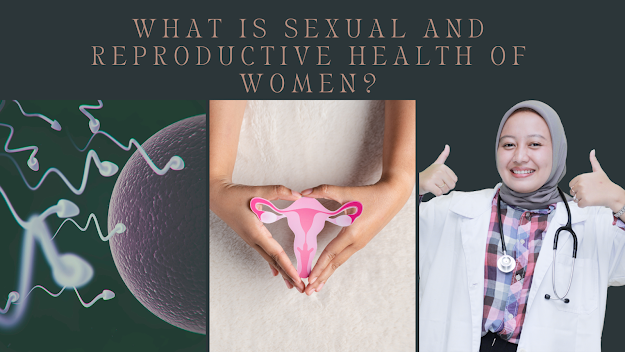
The key organs involved include the ovaries, fallopian tubes, uterus, cervix, and vagina. The ovaries produce eggs and hormones such as estrogen and progesterone, which regulate the menstrual cycle and influence many aspects of health, including bone strength, mood, and skin. The uterus provides a space where a fertilized egg can grow into a fetus, while the cervix and vagina play essential roles in menstruation, sexual intercourse, and childbirth. Each part has a specific function, yet they are deeply interconnected.
Hormones act as chemical messengers, telling the body when to ovulate, when to menstruate, and how to respond to stress, intimacy, and pregnancy. Changes in hormonal levels are normal at different life stages, such as puberty, pregnancy, and menopause. However, imbalances can lead to issues like irregular periods, infertility, mood swings, or chronic conditions such as polycystic ovary syndrome. Understanding these biological foundations helps women recognize what is normal for their bodies and when something might need medical attention. Knowledge, in this sense, becomes a powerful tool for self-care and early intervention.
—
Menstrual Health and Hygiene
Menstrual health is often the first introduction many girls have to reproductive health, yet it remains surrounded by silence and stigma in many parts of the world. Menstruation is a natural biological process, not a disease or a weakness. A healthy menstrual cycle is usually a sign that the reproductive system is functioning as it should. Despite this, countless women grow up feeling shame, fear, or confusion about their periods, largely due to lack of education and open conversation.
The menstrual cycle typically lasts between 21 and 35 days and involves a complex interplay of hormones preparing the body for a possible pregnancy. When pregnancy does not occur, the uterus sheds its lining, resulting in menstrual bleeding. While some discomfort is normal, severe pain, excessively heavy bleeding, or very irregular cycles may signal underlying health issues that should not be ignored. Conditions such as endometriosis, fibroids, or hormonal disorders can significantly affect a woman’s quality of life if left untreated.
Menstrual hygiene management is equally important. Access to clean, affordable menstrual products, safe sanitation facilities, and accurate information can make a huge difference in physical health and self-esteem. Poor menstrual hygiene can increase the risk of infections and cause girls to miss school or women to miss work. Beyond the physical aspects, addressing menstrual health openly helps break down harmful myths and empowers women to see their bodies as normal and worthy of care. When menstruation is understood and managed with dignity, it becomes just another part of life rather than a monthly burden.
—
Sexual Health in Women
Sexual health is about much more than avoiding disease. It encompasses physical comfort, emotional safety, mutual respect, and pleasure. For women, sexual health is deeply influenced by both biological and social factors. Hormones, mental health, past experiences, and relationship dynamics all play a role in how women experience their sexuality. Yet many women are taught to prioritize others’ needs over their own or to feel guilt about their desires, which can negatively impact sexual well-being.
A key aspect of sexual health is protection from sexually transmitted infections. STIs can affect anyone who is sexually active, but women often face more severe health consequences, including infertility and complications during pregnancy. Regular screening, honest communication with partners, and safe sex practices such as condom use are essential tools for prevention. Knowledge about symptoms, transmission, and treatment empowers women to take control of their sexual health rather than relying on assumptions or fear.
Equally important is consent and comfort. Healthy sexual relationships are built on clear, enthusiastic consent and mutual respect. Women have the right to say yes, no, or change their minds at any time. Sexual health also includes the ability to seek help for issues such as pain during intercourse, low libido, or trauma-related concerns without shame. When sexual health is approached as a normal and valuable part of overall well-being, women are better equipped to build fulfilling and safe intimate lives.
—
Reproductive Rights and Autonomy
Reproductive rights are the backbone of women’s sexual and reproductive health. At their core, these rights affirm that women have the authority to make decisions about their own bodies. This includes the right to decide if, when, and how many children to have, as well as the right to access accurate information and quality healthcare services. Without these rights, sexual and reproductive health becomes a privilege rather than a basic human right.
Autonomy in reproductive health means freedom from coercion, discrimination, and violence. In many parts of the world, women still face barriers such as restrictive laws, social pressure, or lack of healthcare facilities that limit their choices. These barriers can force women into unsafe situations, including unintended pregnancies or unsafe abortions. When women cannot control their reproductive lives, their education, careers, and overall health often suffer as a result.
Protecting reproductive rights benefits not only individual women but also families and communities. Women who can plan their pregnancies are more likely to complete their education, participate in the workforce, and provide better opportunities for their children. Reproductive autonomy supports dignity, equality, and long-term social development. It sends a clear message that women’s lives and choices matter.
—
Contraception and Family Planning
Contraception is a cornerstone of sexual and reproductive health for women. It allows women to plan if and when they want to become pregnant, giving them greater control over their bodies and their futures. There is no one-size-fits-all method of contraception. Options range from short-term methods like condoms and oral pills to long-acting solutions such as intrauterine devices and implants. Each method has its own benefits, side effects, and level of effectiveness.
Choosing the right contraceptive method depends on many factors, including health conditions, lifestyle, reproductive goals, and personal comfort. Unfortunately, myths and misinformation often cloud these decisions. Some women fear long-term infertility or severe side effects based on rumors rather than evidence. Access to accurate counseling from healthcare providers is essential to help women make informed choices that suit their needs.
Family planning goes beyond preventing pregnancy. It also includes support for those who want to conceive. Understanding fertility cycles, addressing health issues, and receiving preconception care can improve pregnancy outcomes. When family planning services are accessible and respectful, they empower women to align their reproductive lives with their personal goals and circumstances.
—
Pregnancy and Maternal Health
Pregnancy is one of the most significant experiences in a woman’s reproductive life, and maternal health plays a crucial role in determining outcomes for both mother and child. Sexual and reproductive health of women includes not only the ability to become pregnant but also the right to experience pregnancy safely and with proper medical support. Good maternal health begins even before conception. Preconception care, such as managing chronic conditions, improving nutrition, and avoiding harmful substances, helps prepare the body for pregnancy and reduces the risk of complications.
During pregnancy, regular antenatal care is essential. These check-ups monitor the health of the mother and the developing baby, detect potential risks early, and provide guidance on nutrition, physical activity, and emotional well-being. Pregnancy is not just a physical journey; it can be emotionally intense as well. Hormonal changes, body image concerns, and anxiety about childbirth or parenting are common. Supportive healthcare providers and informed family members can make a world of difference during this time.
Postnatal care is often overlooked, yet it is just as important as prenatal care. After childbirth, women need time and support to recover physically and emotionally. Issues such as postpartum depression, breastfeeding challenges, and physical discomfort require attention and understanding. When maternal health is prioritized throughout pregnancy and beyond, women are more likely to thrive, and children are more likely to have a healthy start in life. Maternal health is not a luxury; it is a fundamental part of women’s sexual and reproductive health.
—
Infertility and Reproductive Challenges
Infertility is a deeply personal and often misunderstood aspect of sexual and reproductive health of women. It is generally defined as the inability to conceive after a year of regular, unprotected intercourse, but behind this definition lie complex emotions and diverse medical causes. Female infertility can result from hormonal imbalances, ovulation disorders, blocked fallopian tubes, uterine conditions, or age-related factors. Sometimes, no clear cause is found, which can be especially frustrating for those seeking answers.
The emotional impact of infertility can be profound. Many women experience feelings of guilt, inadequacy, or isolation, particularly in societies where motherhood is closely tied to a woman’s identity. Social pressure and insensitive comments can deepen emotional wounds, making it harder to cope. Addressing infertility therefore requires not only medical treatment but also emotional support and open conversation.
Advances in reproductive medicine have expanded treatment options, including fertility medications, assisted reproductive technologies, and lifestyle interventions. However, access to these treatments is not equal everywhere, and costs can be prohibitive. Recognizing infertility as a legitimate health issue rather than a personal failure is a critical step toward more compassionate care. Sexual and reproductive health frameworks must include support for women facing reproductive challenges, regardless of whether they eventually conceive.
—
Sexual and Reproductive Health Across Life Stages
Women’s sexual and reproductive health needs evolve throughout their lives, shaped by biological changes and life experiences. Adolescence is a time of rapid physical and emotional development. Girls experience puberty, menstruation, and often their first questions about sexuality and relationships. Comprehensive education during this stage can help build confidence, reduce fear, and promote healthy decision-making.
During the reproductive years, women may focus on contraception, sexual relationships, pregnancy, or balancing health with work and family responsibilities. This stage often brings both opportunities and challenges. Regular health screenings, such as cervical exams and breast checks, become important tools for prevention and early detection of disease. Sexual and reproductive health during this phase is closely tied to empowerment, as women make choices that shape their futures.
Later in life, menopause marks another major transition. Hormonal changes can lead to symptoms such as hot flashes, sleep disturbances, and changes in sexual desire. While menopause is a natural process, it can still affect quality of life. Supportive healthcare and accurate information help women navigate this stage with confidence. Recognizing that sexual and reproductive health continues beyond childbearing years reinforces the idea that women’s health matters at every age.
—
Mental Health and Sexual Well-being
Mental health and sexual well-being are deeply interconnected, forming a two-way street where each influences the other. Stress, anxiety, depression, and trauma can significantly affect sexual desire, comfort, and satisfaction. Likewise, unresolved sexual health issues can contribute to emotional distress. For women, this connection is often intensified by social expectations, caregiving responsibilities, and experiences of discrimination or violence.
Healthy sexual well-being involves feeling safe, respected, and emotionally connected. Open communication with partners, self-awareness, and access to mental health support are key elements. Unfortunately, many women hesitate to seek help for sexual or emotional concerns due to shame or fear of being judged. Normalizing conversations about mental health within the context of sexual and reproductive health can reduce stigma and encourage early support.
Therapy, counseling, and supportive healthcare environments play a vital role in addressing these issues. When mental health is treated as an integral part of sexual and reproductive health, women are better equipped to build fulfilling relationships and maintain overall well-being. A healthy mind and a healthy body are not separate goals; they are partners in the journey toward a balanced life.
—
Gender-Based Violence and Its Impact
Gender-based violence is one of the most serious threats to women’s sexual and reproductive health. It includes physical, sexual, and emotional abuse, as well as harmful practices such as forced marriage or reproductive coercion. The consequences of such violence extend far beyond immediate injuries. Survivors may face long-term physical health problems, mental health challenges, unintended pregnancies, and increased risk of sexually transmitted infections.
Violence strips women of autonomy and undermines their ability to make choices about their bodies and relationships. Fear and trauma can prevent survivors from seeking healthcare or disclosing abuse. This silence often allows violence to continue unchecked, affecting not only individuals but entire communities. Addressing gender-based violence therefore requires a coordinated response involving healthcare providers, legal systems, and social support networks.
Healthcare settings can play a crucial role by offering safe spaces for disclosure, providing compassionate care, and connecting women to resources. Recognizing the link between violence and sexual and reproductive health helps shift the focus from treating symptoms to addressing root causes. Ending gender-based violence is essential for protecting women’s health, dignity, and human rights.
—
Cultural, Social, and Economic Influences
Sexual and reproductive health of women does not exist in a vacuum. It is shaped by cultural beliefs, social norms, and economic conditions. In some cultures, topics like menstruation, contraception, or sexual pleasure are considered taboo, limiting open discussion and access to information. These silences can lead to harmful myths and prevent women from seeking care when they need it.
Economic factors also play a major role. Poverty can restrict access to healthcare services, nutritious food, and education, all of which are critical for reproductive health. Women in marginalized communities often face multiple barriers at once, compounding health risks. Education, especially for girls, has been shown to improve sexual and reproductive health outcomes by increasing knowledge, confidence, and opportunities.
Challenging harmful norms and investing in education and healthcare systems can create environments where women’s health is valued. When societies support women’s sexual and reproductive health, they also promote gender equality and social progress. Cultural change may take time, but its impact can be transformative.
—
The Role of Healthcare Systems
Healthcare systems are central to protecting and promoting women’s sexual and reproductive health. Quality care involves more than medical expertise; it requires respect, confidentiality, and cultural sensitivity. Women should feel comfortable discussing their concerns without fear of judgment or discrimination. Preventive services such as screenings, vaccinations, and regular check-ups help detect issues early and reduce long-term risks.
Unfortunately, gaps in healthcare access remain widespread. Rural areas, low-income communities, and marginalized groups often face shortages of trained providers and essential services. Strengthening healthcare systems means investing in infrastructure, training, and policies that prioritize women’s needs across all life stages.
Patient-centered care recognizes women as active participants in their health decisions. When women are informed, listened to, and supported, healthcare becomes a partnership rather than a transaction. This approach improves outcomes and builds trust, making healthcare systems more effective and equitable.
—
Empowerment Through Education and Awareness
Education is one of the most powerful tools for improving sexual and reproductive health of women. Comprehensive sexual education equips women with accurate information about their bodies, relationships, and rights. It helps dispel myths, reduce fear, and encourage responsible decision-making. Education also fosters confidence, enabling women to advocate for themselves in healthcare settings and personal relationships.
Community and family support amplify the benefits of education. When parents, teachers, and community leaders engage in open conversations, they create safe environments for learning and growth. Awareness campaigns and advocacy efforts further strengthen these efforts by addressing stigma and promoting policy change.
Empowered women are more likely to seek healthcare, use contraception effectively, and protect themselves from harm. Education does not just inform; it transforms lives. By investing in awareness and empowerment, societies lay the groundwork for healthier generations.
—
Future Directions in Women’s Sexual and Reproductive Health
The future of women’s sexual and reproductive health holds both promise and responsibility. Advances in medical technology, such as improved contraceptives and fertility treatments, continue to expand options for women. Digital health tools and telemedicine are making information and services more accessible, especially for those in remote areas.
At the same time, ongoing challenges such as inequality, misinformation, and political debates threaten progress. Protecting gains in women’s health requires sustained commitment from governments, healthcare providers, and communities. Innovation must go hand in hand with equity to ensure no one is left behind.
A vision for the future includes universal access to quality care, comprehensive education, and respect for women’s autonomy. When these elements come together, sexual and reproductive health becomes a foundation for healthier, more equitable societies.
—
Conclusion
Sexual and reproductive health of women is a lifelong journey that touches every aspect of well-being. It is about understanding the body, making informed choices, accessing respectful healthcare, and living free from fear and coercion. When women’s sexual and reproductive health is supported, the benefits extend beyond individuals to families, communities, and future generations. Prioritizing this area of health is not just a medical necessity; it is a moral and social imperative.
—
Frequently Asked Questions
1. What does sexual and reproductive health include for women?
It includes physical, emotional, and social well-being related to sexuality, menstruation, contraception, pregnancy, and reproductive rights.
2. Why is sexual and reproductive health important for women?
It affects overall health, autonomy, quality of life, and the ability to make informed decisions about relationships and family planning.
3. How does mental health affect sexual health?
Stress, anxiety, and depression can influence desire, comfort, and satisfaction, making mental well-being essential for sexual health.
4. What role does education play in reproductive health?
Education provides accurate information, reduces stigma, and empowers women to make healthy and confident choices.
5. Does sexual and reproductive health matter after menopause?
Yes, women’s sexual and reproductive health remains important throughout life, including during and after menopause.
Common Symptoms of PCOS in Female….
Good site for First Aid Info
1 thought on “Sexual and Reproductive Health of Women: Meaning, Importance, and Key Aspects”