Table of Contents
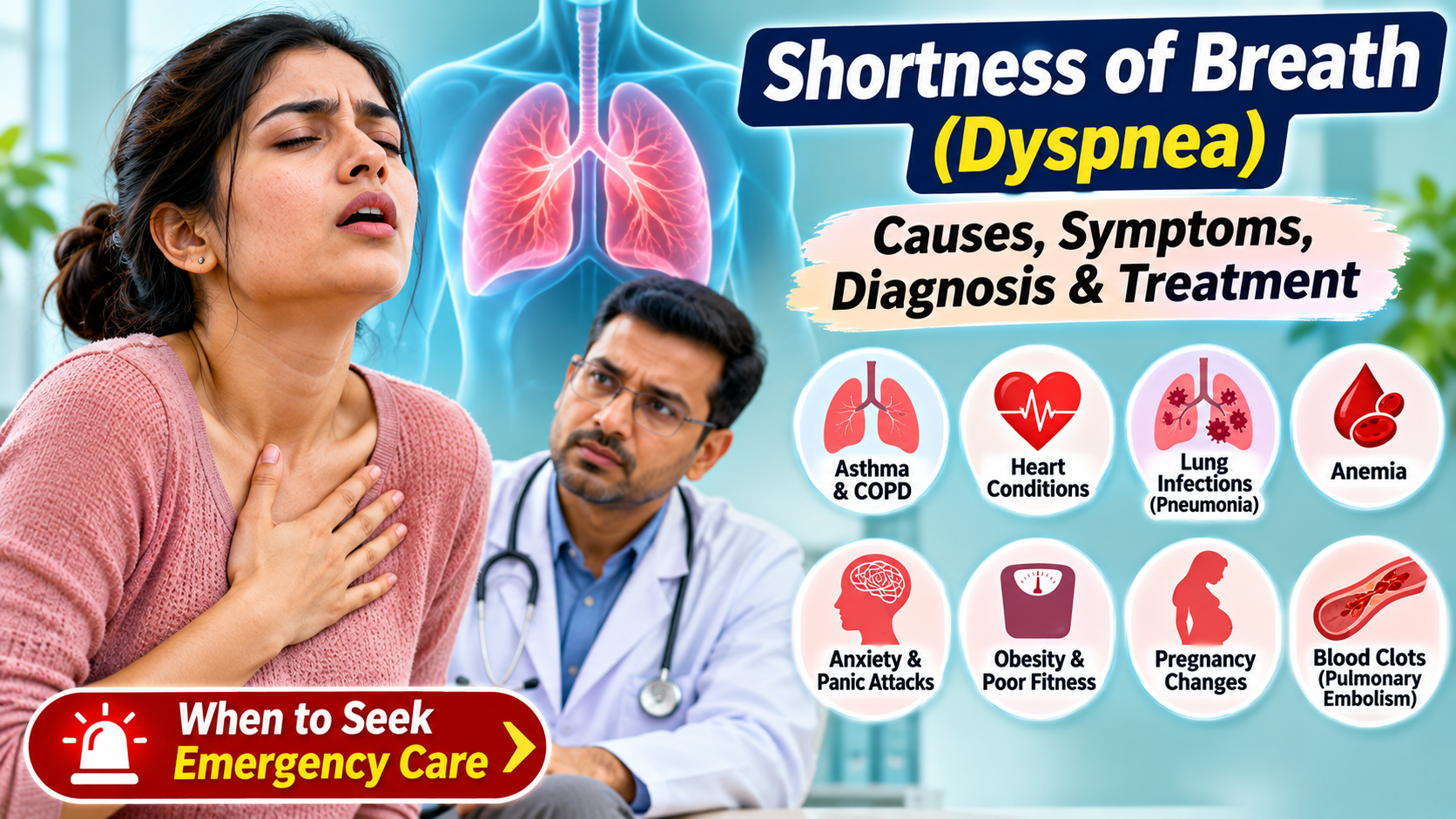
ToggleShortness of Breath (Dyspnea): Causes, Symptoms, Diagnosis and Treatment
Have you ever felt that you cannot take a deep enough breath, even when you are not exercising? Does walking a short distance, climbing stairs, or lying down sometimes leave you struggling to breathe?
This uncomfortable sensation is known medically as dyspnea, commonly called shortness of breath or breathlessness.
Occasional breathlessness after intense physical activity can be normal. However, difficulty breathing that develops suddenly, occurs during ordinary activities, or persists even while resting may indicate an underlying health problem.
Shortness of breath can be associated with several conditions, including asthma, respiratory infections, chronic obstructive pulmonary disease (COPD), heart disease, anemia, and anxiety. Some causes are relatively manageable, while others require immediate medical attention.
Understanding the possible causes of dyspnea, recognizing its warning signs, and knowing when to seek medical help can make an important difference.
In this comprehensive guide, we explain 12 common causes of shortness of breath, associated symptoms, diagnostic tests, treatment options, and practical steps that may help protect your respiratory health.
What Is Dyspnea?
Dyspnea is the medical term for the uncomfortable sensation of difficult or insufficient breathing.
People experiencing dyspnea may describe it in different ways:
- Feeling unable to get enough air
- Experiencing tightness in the chest
- Feeling as though breathing requires extra effort
- Being unable to take a satisfying deep breath
- Feeling breathless while walking or performing everyday activities
- Waking up at night feeling unable to breathe comfortably
Dyspnea is a symptom rather than a disease. It can occur when the lungs, heart, blood circulation, breathing muscles, or nervous system are not functioning as they should.
It can also occur in situations such as strenuous exercise, high altitude, or intense emotional distress.
The duration and severity of breathlessness are important. Sudden breathlessness may indicate an acute medical problem, whereas gradually worsening symptoms can be associated with chronic respiratory or cardiovascular conditions.
When Is Shortness of Breath a Medical Emergency?
Before exploring the causes, it is important to understand when breathing difficulties require immediate medical attention.
Call emergency services immediately if you or someone nearby experiences:
- Severe difficulty breathing, gasping, or choking
- Inability to speak complete sentences because of breathlessness
- Chest pain, pressure, or heaviness
- Blue or grey lips, tongue, or skin
- Sudden confusion, collapse, or fainting
- Sudden breathlessness accompanied by coughing up blood
- Swelling of the tongue or throat with difficulty breathing following an allergic reaction
These symptoms may indicate a heart attack, pulmonary embolism, severe asthma attack, anaphylaxis, or another life-threatening condition.
In India, call 112 for emergency assistance.
Do not wait to see whether severe breathing difficulties improve on their own. Do not attempt to drive yourself to the hospital.
New or worsening breathlessness, even when it is not severe, should be assessed promptly by a healthcare professional.
How Does the Breathing Process Work?
To understand why dyspnea develops, it helps to know how normal breathing works.
Breathing involves several organs and systems working together.
1. The diaphragm contracts
The diaphragm is a large muscle located beneath the lungs. When it contracts, it moves downward and creates space for the lungs to expand.
2. Air enters the lungs
Air travels through the nose or mouth, passes through the windpipe (trachea), and enters the lungs through branching airways called bronchi.
3. Oxygen enters the bloodstream
Inside the lungs are millions of tiny air sacs called alveoli. Oxygen moves from these air sacs into the surrounding blood vessels.
4. The blood transports oxygen
Red blood cells carry oxygen to the body’s tissues and organs.
5. Carbon dioxide is removed
Carbon dioxide, a waste product of normal metabolism, moves from the blood into the lungs and leaves the body when you exhale.
The brain and nervous system regulate breathing by responding to the body’s oxygen requirements and carbon dioxide levels.
If any part of this process is disrupted, breathing can become uncomfortable or difficult.
For example, asthma narrows the airways, pneumonia can interfere with gas exchange, anemia reduces the blood’s oxygen-carrying capacity, and certain heart conditions can cause fluid to accumulate in the lungs.
12 Common Causes of Shortness of Breath (Dyspnea)
Shortness of breath can develop for several reasons. The most common possibilities involve the respiratory system and cardiovascular system, although other medical and non-medical factors can also contribute.
1. Asthma
Asthma is a chronic condition in which the airways become inflamed and sensitive to certain triggers.
During an asthma flare-up, the muscles surrounding the airways tighten, the airway lining becomes swollen, and additional mucus may be produced. This makes it harder for air to move in and out of the lungs.
Common symptoms include:
- Shortness of breath
- Wheezing, especially when breathing out
- Chest tightness
- Persistent coughing
- Symptoms that worsen at night or early in the morning
Common asthma triggers include dust, pollen, smoke, air pollution, respiratory infections, exercise, and cold air.
Treatment:
Asthma is generally managed using prescribed inhaled medicines. These may include reliever medicines that open narrowed airways and controller medicines that reduce airway inflammation.
The treatment plan depends on the severity and pattern of asthma symptoms.
People with asthma should follow their prescribed action plan and seek urgent medical attention if severe symptoms do not improve with their recommended reliever treatment.
2. Chronic Obstructive Pulmonary Disease (COPD)
COPD is a group of progressive lung diseases that restrict airflow and make breathing increasingly difficult.
The two main conditions associated with COPD are chronic bronchitis and emphysema.
Chronic bronchitis involves long-term inflammation of the airways and excessive mucus production. Emphysema damages the walls of the air sacs, reducing the lungs’ ability to exchange gases efficiently.
Long-term tobacco smoking is a major risk factor. Exposure to biomass cooking smoke, occupational dust, chemical fumes, and air pollution can also contribute.
Common symptoms include:
- Persistent cough
- Excess mucus production
- Wheezing
- Chest tightness
- Shortness of breath during physical activity
- Frequent respiratory infections
Symptoms may develop gradually, and people sometimes mistake them for normal ageing or poor fitness.
Treatment:
Although COPD-related lung damage cannot generally be reversed, appropriate treatment can reduce symptoms and help improve quality of life.
Treatment may include:
- Prescribed bronchodilator inhalers
- Other inhaled medicines when appropriate
- Pulmonary rehabilitation
- Vaccinations against relevant respiratory infections
- Smoking cessation
- Oxygen therapy for people with qualifying low oxygen levels
Early diagnosis and appropriate management are important.
3. Pneumonia and Other Respiratory Infections
Pneumonia is an infection that causes inflammation in one or both lungs. The tiny air sacs may fill with fluid or inflammatory material, making it more difficult for oxygen to enter the bloodstream.
Pneumonia can be caused by bacteria, viruses, and certain fungi.
Common symptoms include:
- Cough, sometimes with mucus
- Fever and chills
- Shortness of breath
- Chest pain when breathing or coughing
- Fatigue
- Rapid breathing
Older adults and people with chronic illnesses or weakened immune systems may be at greater risk of serious complications.
Other respiratory infections, including bronchitis and severe viral infections, can also contribute to breathlessness.
Treatment:
Treatment depends on the cause and severity of the infection.
Bacterial pneumonia may require antibiotics, while viral infections generally require supportive care and, in selected cases, specific antiviral treatment.
Severe pneumonia may require hospital admission, oxygen support, and other medical treatment.
Seek medical assessment if a respiratory infection is accompanied by new or worsening breathing difficulties.
4. Heart Failure
Heart failure is a condition in which the heart cannot pump blood effectively enough to meet the body’s needs.
It does not mean that the heart has completely stopped working.
When the heart’s pumping function is impaired, pressure can increase in the blood vessels around the lungs, causing fluid to accumulate. This can make breathing difficult.
Common warning signs include:
- Breathlessness during activity
- Difficulty breathing when lying flat
- Waking up suddenly at night gasping for air
- Swelling in the ankles, legs, or feet
- Persistent fatigue
- Rapid weight gain due to fluid retention
One characteristic symptom is orthopnea, which refers to difficulty breathing when lying flat. Some people need extra pillows to sleep comfortably.
Treatment:
Treatment depends on the type and severity of heart failure.
It may include prescribed medicines, monitoring fluid retention, managing blood pressure, treating underlying heart conditions, and making appropriate lifestyle changes.
New or worsening breathlessness, particularly with leg swelling or difficulty lying flat, requires medical evaluation.
5. Coronary Artery Disease and Heart Attack
Coronary artery disease occurs when the blood vessels supplying the heart become narrowed or blocked, usually due to the buildup of fatty deposits.
This can reduce oxygen supply to the heart muscle.
Some people experience chest discomfort or pressure, while others may develop breathlessness, particularly during physical activity.
A heart attack occurs when blood flow to part of the heart muscle becomes severely reduced or blocked.
Possible heart attack symptoms include:
- Chest pressure, tightness, or discomfort
- Shortness of breath
- Pain spreading to the arm, back, neck, jaw, or shoulder
- Sweating
- Nausea
- Dizziness or faintness
Not everyone experiences the same symptoms. Some people, particularly older adults and people with diabetes, may have less typical symptoms.
Treatment:
A heart attack is a medical emergency. Treatment may involve emergency medicines, procedures to restore blood flow, and other hospital-based care.
Never dismiss sudden unexplained breathlessness accompanied by chest discomfort.
6. Pulmonary Embolism (Blood Clot in the Lungs)
A pulmonary embolism occurs when a blood clot blocks an artery in the lungs.
In many cases, the clot develops in a deep vein, usually in the leg, and travels through the bloodstream to the lungs.
This condition can become life-threatening because it interferes with blood circulation through the lungs.
Possible symptoms include:
- Sudden shortness of breath
- Sharp chest pain, sometimes worse when taking a deep breath
- Rapid heartbeat
- Dizziness or fainting
- Coughing up blood
- Pain or swelling in one leg
Risk factors include prolonged immobility, recent major surgery, certain cancers, previous blood clots, pregnancy and the postpartum period, and some hormonal medications.
Treatment:
Pulmonary embolism requires urgent medical evaluation.
Treatment commonly involves anticoagulant medicines that prevent the clot from growing and reduce the risk of additional clots. Severe cases may require specialist procedures or clot-dissolving treatment.
Sudden unexplained breathlessness, particularly with chest pain or one-sided leg swelling, should never be ignored.
7. Anemia
Anemia occurs when the blood does not have enough healthy red blood cells or hemoglobin to carry adequate oxygen to body tissues.
Iron deficiency is a common cause, although vitamin B12 deficiency, folate deficiency, blood loss, chronic diseases, and inherited conditions can also cause anemia.
When oxygen delivery is reduced, the heart and breathing system may work harder, resulting in breathlessness.
Common symptoms include:
- Unusual tiredness
- Weakness
- Pale skin
- Dizziness
- Rapid heartbeat
- Headaches
- Shortness of breath during activity
Treatment:
Treatment depends on the type and cause of anemia.
Iron supplements may be appropriate for confirmed iron deficiency, while vitamin B12 or folate treatment may be required for other deficiencies.
Anemia caused by blood loss or chronic disease requires treatment of the underlying problem.
A complete blood count (CBC), along with other appropriate investigations, can help identify anemia.
Do not start iron supplements simply because you feel tired or breathless. The underlying cause should be established first.
8. Interstitial Lung Disease (ILD)
Interstitial lung disease refers to a large group of conditions that cause inflammation or scarring in the tissue surrounding the air sacs of the lungs.
As the lung tissue becomes stiff, the lungs may have difficulty expanding normally, and oxygen transfer can become impaired.
Some forms of ILD develop gradually, while others may progress more quickly.
Common symptoms include:
- Progressive shortness of breath, especially during activity
- Persistent dry cough
- Fatigue
- Reduced exercise tolerance
- Unexplained weight loss in some cases
Possible causes include autoimmune diseases, certain medications, occupational exposures, environmental exposures, and other lung disorders. In some cases, the cause remains unknown.
Treatment:
Treatment depends on the specific type of interstitial lung disease.
It may include medicines to reduce inflammation or slow lung scarring, oxygen therapy when necessary, pulmonary rehabilitation, and specialist monitoring.
A respiratory specialist may recommend lung function testing and high-resolution CT imaging to help establish the diagnosis.
9. Pulmonary Hypertension
Pulmonary hypertension refers to abnormally high blood pressure in the arteries carrying blood from the heart to the lungs.
This condition makes the right side of the heart work harder to move blood through the lungs.
Over time, this extra workload can affect heart function.
Possible symptoms include:
- Shortness of breath during physical activity
- Fatigue
- Chest discomfort
- Dizziness
- Fainting
- Swelling in the legs or ankles
Pulmonary hypertension can occur because of underlying heart or lung conditions, blood clots, or other medical disorders.
Treatment:
Management depends on the type and underlying cause.
Treatment may involve specialist-prescribed medicines, oxygen when appropriate, management of associated heart or lung conditions, and regular follow-up.
An echocardiogram can help assess the likelihood of pulmonary hypertension, while further testing may be necessary to confirm the diagnosis.
10. Anxiety and Panic Attacks
Not all breathlessness originates from a physical disease affecting the lungs or heart.
Anxiety and panic attacks can change breathing patterns, sometimes causing rapid or shallow breathing known as hyperventilation.
During a panic attack, a person may experience a frightening sensation of not getting enough air, even without an underlying reduction in oxygen levels.
Common symptoms include:
- Rapid breathing
- Chest tightness
- Racing heartbeat
- Dizziness
- Sweating
- Trembling
- Tingling around the fingers or mouth
- A feeling of intense fear
These symptoms can be extremely uncomfortable and may resemble those of other medical conditions.
Treatment:
Depending on the individual, management may include psychotherapy, particularly cognitive behavioural therapy (CBT), appropriate medication, and techniques to manage anxiety.
Breathing-control exercises may also be helpful when recommended by a healthcare professional.
Importantly, new or severe breathlessness should not automatically be labelled as anxiety. Physical causes must be considered and assessed appropriately.
11. Obesity and Physical Deconditioning
Excess body weight can contribute to breathing difficulties, particularly during physical activity.
Abdominal fat can restrict the movement of the diaphragm, while increased body mass raises the energy demands of everyday activities.
Obesity is also associated with obstructive sleep apnea, a condition in which the upper airway repeatedly narrows or closes during sleep.
Physical deconditioning can also make ordinary activities feel more demanding. When a person is inactive for long periods, their cardiovascular fitness and muscle endurance may decrease.
Possible symptoms include:
- Getting breathless when climbing stairs
- Reduced exercise tolerance
- Feeling tired during ordinary activities
- Loud snoring or interrupted breathing during sleep
- Excessive daytime sleepiness
Management:
Depending on the underlying cause, management may include gradual physical activity, appropriate weight management, treatment of sleep apnea, and evaluation for associated medical conditions.
Do not assume that breathlessness is caused by body weight alone. New, persistent, or worsening breathing difficulties should be medically assessed.
12. Pregnancy and Other Physiological Changes
Some pregnant women experience breathlessness, even without an underlying respiratory disease.
Hormonal changes during pregnancy can affect the sensation of breathing, while the growing uterus can alter the movement of the diaphragm, particularly in later pregnancy.
Mild breathlessness may occur, but new, sudden, severe, or worsening symptoms should never automatically be considered normal pregnancy-related changes.
Other possible causes during pregnancy include anemia, asthma, respiratory infections, heart conditions, and blood clots.
When to seek medical help:
Pregnant women should seek urgent medical assessment for sudden breathlessness, chest pain, fainting, coughing up blood, or one-sided leg swelling.
A healthcare professional can determine whether symptoms are related to normal pregnancy changes or require further investigation.
Other Factors That Can Trigger Breathing Difficulties
In addition to the medical conditions described above, certain environmental and lifestyle factors can temporarily affect breathing.
Air Pollution and Smoke Exposure
Air pollution, dust, smoke, and chemical fumes can irritate the respiratory system.
People with asthma or other lung conditions may experience worsening symptoms when exposed to polluted air.
High Altitude
At higher elevations, atmospheric pressure is lower, meaning less oxygen is available with each breath.
People who travel to high-altitude locations may experience breathlessness while their bodies adjust.
Severe altitude-related symptoms require medical attention.
Allergic Reactions
Some allergic reactions can cause swelling of the airways, making breathing difficult.
A severe allergic reaction, known as anaphylaxis, can involve swelling of the tongue or throat, wheezing, dizziness, and a sudden drop in blood pressure.
Anaphylaxis is a medical emergency.
Smoking and Vaping
Tobacco smoke and other inhaled substances can irritate and damage the respiratory system.
Long-term smoking is strongly associated with COPD and lung cancer, while secondhand smoke can also worsen respiratory symptoms.
Avoiding smoking and exposure to harmful inhaled substances is an important part of protecting lung health.
What Are the Symptoms Associated With Dyspnea?
Dyspnea itself is a sensation of difficult breathing, but other symptoms may appear depending on the underlying cause.
Common associated symptoms include:
- Chest tightness or discomfort
- Wheezing
- Persistent cough
- Rapid breathing
- Rapid or irregular heartbeat
- Fatigue
- Dizziness
- Fever
- Sweating
- Swelling in the legs or ankles
- Difficulty breathing while lying flat
The combination of symptoms, their onset, and their severity can help doctors determine which conditions need to be investigated.
For example, breathlessness with fever and cough may suggest a respiratory infection, while breathlessness with leg swelling and difficulty lying flat may raise concern about a heart-related problem.
These patterns provide clues, not a diagnosis.
How Is Shortness of Breath Diagnosed?
Diagnosing dyspnea involves identifying the underlying cause rather than simply treating the sensation of breathlessness.
Your healthcare professional will consider your symptoms, medical history, physical examination, and appropriate diagnostic tests.
1. Medical History and Physical Examination
Your doctor may ask:
- When did the breathing difficulty begin?
- Did it start suddenly or gradually?
- Does it occur during activity or while resting?
- Does lying down make it worse?
- Do you have a cough, fever, or chest pain?
- Do you experience wheezing?
- Have you noticed swelling in your legs?
- Do you have a history of asthma, heart disease, or other medical conditions?
- Do you smoke or have exposure to dust and chemical fumes?
The examination may include listening to your lungs and heart, checking your breathing rate, measuring blood pressure, and assessing oxygen saturation.
2. Blood Tests
Blood tests may help identify certain conditions associated with breathlessness.
Common investigations include:
- Complete Blood Count (CBC): Helps detect anemia and certain signs of infection.
- Iron studies: May help identify iron deficiency.
- Kidney function tests: Assess kidney health and relevant electrolyte levels.
- Thyroid tests: May be recommended when a thyroid disorder is suspected.
- BNP or NT-proBNP: May help evaluate possible heart failure in appropriate clinical settings.
- Arterial blood gas (ABG): Measures oxygen, carbon dioxide, and acid-base balance in the blood.
Not every patient needs all these tests.
3. Chest X-Ray
A chest X-ray provides images of the lungs, heart, and surrounding structures.
It can help identify:
- Pneumonia
- Fluid around the lungs
- Some signs of heart enlargement
- Lung collapse
- Certain lung abnormalities
A normal chest X-ray does not rule out every possible cause of breathlessness.
4. Electrocardiogram (ECG)
An ECG records the electrical activity of the heart.
It may help identify irregular heart rhythms and signs that suggest reduced blood supply to the heart or other cardiac problems.
5. Echocardiogram
An echocardiogram uses ultrasound to examine the heart.
It helps assess heart structure, pumping function, and certain valve problems. It may also help evaluate suspected pulmonary hypertension.
6. Pulmonary Function Tests
Pulmonary function tests measure how well the lungs work.
Spirometry is one of the most common tests. It measures how much air you can breathe out and how quickly you can exhale.
These tests are useful when asthma, COPD, or another lung condition is suspected.
7. CT Scan and Other Imaging
A CT scan provides more detailed images than a standard chest X-ray.
Depending on the suspected condition, doctors may use:
- CT chest imaging
- CT pulmonary angiography to investigate pulmonary embolism
- High-resolution CT to evaluate interstitial lung disease
The appropriate imaging test depends on the clinical situation.
Treatment Options for Dyspnea
There is no single treatment for all cases of dyspnea because breathlessness is a symptom rather than a disease.
The treatment approach depends on the underlying cause, severity, and overall health of the patient.
Treatment for Respiratory Conditions
People with asthma may need prescribed inhalers that reduce airway inflammation or open narrowed airways.
COPD management may involve long-acting inhalers, pulmonary rehabilitation, vaccinations, and smoking cessation.
Respiratory infections may require supportive treatment or specific medicines depending on whether the infection is bacterial, viral, or caused by another organism.
Treatment for Heart-Related Conditions
Heart failure and coronary artery disease require condition-specific treatment.
Depending on the diagnosis, treatment may include prescription medicines, procedures, cardiac rehabilitation, and lifestyle changes.
Treatment for Anemia
Anemia treatment depends on the underlying cause.
Iron, vitamin B12, or folate replacement may be appropriate when a corresponding deficiency is confirmed. Blood loss and other medical conditions may also require treatment.
Treatment for Anxiety-Related Breathlessness
When anxiety is contributing to breathing difficulties, treatment may include psychotherapy, stress management, and medication when appropriate.
However, a physical cause should not be overlooked, especially when breathlessness is new or unexplained.
Oxygen Therapy
Supplemental oxygen may be prescribed for people whose blood oxygen levels are too low.
It is not a universal treatment for every person experiencing breathlessness.
Oxygen should be used under appropriate medical guidance, especially in people with certain chronic lung conditions.
What Can You Do at Home When You Experience Mild Breathlessness?
If you have a known condition and your healthcare professional has provided a management plan, follow those instructions.
Some general supportive measures may help people with mild, stable breathlessness:
1. Stop strenuous activity
Sit down and avoid pushing yourself when you become breathless.
2. Choose a comfortable position
Some people find it easier to breathe while sitting upright or leaning slightly forward with their arms supported.
3. Follow your prescribed treatment plan
If you have asthma or another diagnosed respiratory condition, use your medicines exactly as prescribed.
4. Avoid smoke and respiratory irritants
Stay away from tobacco smoke, strong chemical fumes, and known environmental triggers.
5. Keep track of symptoms
Note when breathlessness occurs, what triggers it, how long it lasts, and whether it is getting worse.
Important: These measures are not a substitute for medical evaluation. If breathing difficulty is sudden, severe, or accompanied by emergency warning signs, seek immediate medical help rather than trying home remedies.
How to Reduce the Risk of Breathing Problems
Not all causes of dyspnea can be prevented. However, several healthy habits may help protect your lungs and cardiovascular system.
Stop Smoking
Avoiding tobacco smoke is one of the most important steps in reducing the risk of COPD and other smoking-related diseases.
People who smoke can benefit from professional support and evidence-based smoking cessation treatments.
Maintain Regular Physical Activity
Appropriate physical activity helps improve cardiovascular fitness and muscle endurance.
Walking, cycling, and other suitable activities may be beneficial, provided they are safe for your health condition.
People who already experience unexplained breathlessness should obtain medical advice before starting a strenuous exercise programme.
Manage Existing Health Conditions
Follow the treatment plans for asthma, COPD, heart disease, diabetes, and other chronic illnesses.
Regular medical reviews can help identify changes that require treatment adjustments.
Improve Indoor Air Quality
Reduce exposure to indoor smoke, dust, mould, and harmful fumes.
Use suitable ventilation and take precautions when working around dust or chemicals.
Maintain a Balanced Diet
A nutritious diet supports overall health and can help prevent certain deficiencies that may contribute to conditions such as anemia.
Include appropriate sources of iron, vitamin B12, folate, and protein.
Maintain a Healthy Weight
If excess weight is contributing to breathing difficulties, a gradual and medically appropriate weight-management plan may help.
Avoid extreme diets or excessive exercise, particularly if you have unexplained breathlessness.
Keep Vaccinations Up to Date
Ask your healthcare professional about recommended respiratory vaccinations, particularly if you are older or have a chronic lung or heart condition.
Frequently Asked Questions About Dyspnea and Shortness of Breath
1. What is the most common cause of shortness of breath?
Shortness of breath has many possible causes. Asthma, respiratory infections, COPD, heart conditions, anemia, anxiety, and physical deconditioning are among the common possibilities. The most likely cause depends on the person’s age, medical history, symptoms, and examination findings.
2. Can anxiety cause difficulty breathing?
Yes. Anxiety and panic attacks can alter breathing patterns and cause a sensation of not getting enough air. However, new or severe breathlessness should not automatically be attributed to anxiety. Medical causes should be considered.
3. Why do I feel short of breath when walking or climbing stairs?
Breathlessness during physical activity may occur because of reduced fitness, excess body weight, anemia, asthma, COPD, or heart-related conditions. If an activity that previously felt comfortable now causes breathlessness, seek medical evaluation.
4. Why do I experience shortness of breath while lying down?
Difficulty breathing when lying flat is called orthopnea. It can occur in people with heart failure and certain other heart or lung conditions. Persistent or new difficulty breathing when lying down deserves medical assessment.
5. Can anemia cause shortness of breath?
Yes. Anemia reduces the blood’s ability to carry oxygen effectively. This can cause fatigue, weakness, rapid heartbeat, and breathlessness, particularly during physical activity.
6. Is shortness of breath always related to lung disease?
No. Although many cases involve the respiratory system, heart disease, anemia, pulmonary blood clots, neuromuscular disorders, anxiety, and other conditions can also cause breathlessness.
7. Can obesity cause breathlessness?
Yes. Excess body weight can increase the effort required for breathing and reduce exercise tolerance. Obesity is also associated with sleep apnea and other conditions that may contribute to breathlessness. However, other medical causes should not be overlooked.
8. What tests are used to diagnose dyspnea?
Depending on the suspected cause, doctors may recommend a CBC, chest X-ray, ECG, echocardiogram, spirometry, oxygen saturation measurement, blood gas testing, or CT imaging. Not everyone needs every test.
9. Can shortness of breath occur without low oxygen levels?
Yes. Dyspnea is a subjective sensation of breathing discomfort. It can occur even when a pulse oximeter shows a normal oxygen saturation reading. A normal reading does not rule out every serious cause of breathlessness.
10. When should I go to the hospital for breathing difficulties?
Seek emergency care for severe or sudden breathing difficulty, chest pain or pressure, blue or grey lips, fainting, confusion, or an inability to speak because of breathlessness. In India, call 112 for emergency assistance.
11. Can shortness of breath be treated permanently?
That depends on the underlying cause. Some temporary conditions can resolve completely with appropriate treatment. Chronic conditions such as COPD or certain forms of heart disease may require long-term management.
12. Is shortness of breath during pregnancy normal?
Mild breathlessness can occur during pregnancy because of hormonal and physical changes. However, sudden, severe, or worsening breathlessness, particularly with chest pain, fainting, or leg swelling, requires urgent medical assessment.
Final Thoughts: Never Ignore Persistent Difficulty Breathing
Shortness of breath, or dyspnea, is a symptom that can arise from many different conditions. It may be related to asthma, respiratory infections, COPD, heart failure, anemia, pulmonary embolism, anxiety, or other medical problems.
While mild breathlessness after strenuous activity can be normal, difficulty breathing during everyday activities, while resting, or when lying down should not be ignored.
The most important step is to identify the underlying cause rather than simply trying to relieve the sensation of breathlessness.
Pay attention to changes in your breathing, follow appropriate medical advice, and seek emergency assistance when serious warning signs appear.
Breathing is essential to every function of the body. If your breathing suddenly changes or becomes persistently difficult, take it seriously and get the right medical attention.
Medical Disclaimer
This article is intended for general educational purposes only. It is not a substitute for professional medical advice, diagnosis, or treatment. Shortness of breath can be a sign of a serious medical condition. Seek emergency medical assistance for sudden or severe breathing difficulties or breathlessness accompanied by chest pain, fainting, confusion, or bluish lips. Never delay medical care to try a home remedy.
Medical References and Further Reading
- NHS – Shortness of Breath: Causes and When to Get Help
- American Lung Association – Shortness of Breath
- MedlinePlus – Breathing Difficulty
- Mayo Clinic – Shortness of Breath: Causes and Symptoms
- National Library of Medicine – Dyspnea
- NHS – Adult Breathlessness Pathway
What is the relationship between prolactin and AMH levels in women?…….
2 thoughts on “Shortness of Breath (Dyspnea): 12 Causes, Symptoms & Treatment”