Table of Contents
ToggleEarly Warning Signs of Thyroid Problems: Symptoms You Shouldn’t Ignore
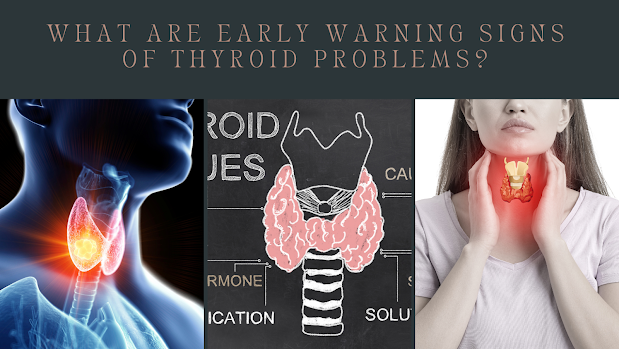
The thyroid may be small—about the size of a butterfly—but don’t let its delicate appearance fool you. This tiny gland sits quietly at the base of your neck, yet it plays a massive role in how your entire body functions. From controlling metabolism and energy levels to influencing mood, digestion, heart rate, and even body temperature, the thyroid acts like your body’s internal thermostat. When it’s working well, you barely notice it. When it’s not, your whole system can feel off-kilter.
The tricky part? Early warning signs of thyroid problems often sneak in quietly. They masquerade as everyday stress, aging, poor sleep, or “just life.” You might feel more tired than usual, gain or lose weight without trying, or notice changes in your mood and skin. Because these symptoms develop gradually, many people brush them off for months—or even years—before realizing something deeper is going on.
Thyroid disorders are surprisingly common. Millions of people worldwide are living with undiagnosed thyroid conditions, especially hypothyroidism and hyperthyroidism. Women are particularly at risk, but men and children are not immune. The good news is that when caught early, thyroid problems are highly manageable. Treatment can dramatically improve quality of life—sometimes in a matter of weeks.
In this article, we’ll walk through the early warning signs of thyroid problems in a clear, human, and practical way. No medical jargon overload. No scare tactics. Just real explanations you can relate to. Think of this as a friendly conversation—one that might help you connect the dots between how you’ve been feeling and what your body may be trying to tell you. Ready? Let’s start by understanding what the thyroid actually does and why it’s so easy to overlook.
Understanding the Thyroid Gland
Before diving into symptoms, it helps to know what the thyroid gland actually does—because once you understand its role, the warning signs start to make a lot more sense. The thyroid is part of your endocrine system, which is basically your body’s hormone command center. Hormones are chemical messengers, and the thyroid produces some of the most influential ones.
Located at the front of your neck, just below the Adam’s apple, the thyroid releases two key hormones: T3 (triiodothyronine) and T4 (thyroxine). These hormones travel through your bloodstream and tell your cells how fast to work. Too much hormone, and everything speeds up. Too little, and everything slows down. It’s that simple—and that powerful.
What makes thyroid issues so confusing is that this gland affects nearly every organ system. Your heart, brain, muscles, skin, and digestive tract all listen to thyroid signals. So when something goes wrong, the symptoms can show up anywhere. That’s why thyroid problems are often misdiagnosed as anxiety, depression, menopause, chronic fatigue, or digestive disorders.
Another reason the thyroid is overlooked is that its dysfunction often develops slowly. There’s no sudden alarm bell. Instead, it’s more like a dimmer switch gradually turning the lights down—or cranking them up too bright. You adapt without realizing it. You drink more coffee. You blame stress. You push through. Meanwhile, your body is quietly asking for help.
Understanding the thyroid is the first step toward recognizing its distress signals. Once you know how deeply it influences your daily well-being, those “random” symptoms start to feel a lot more connected.
Why Early Detection of Thyroid Problems Matters
Catching thyroid problems early can make a world of difference—not just for treatment outcomes, but for your overall quality of life. Think of it like spotting a small leak in your roof. Fix it early, and life goes on as usual. Ignore it, and suddenly you’re dealing with water damage, mold, and costly repairs. Thyroid dysfunction works much the same way.
In the early stages, thyroid imbalances are often mild and easier to manage. Medication doses are typically lower, lifestyle adjustments are more effective, and symptoms can reverse quickly. Many people feel dramatically better once treatment begins—more energy, clearer thinking, stable moods, and healthier weight patterns.
On the flip side, untreated thyroid problems can snowball. Hypothyroidism can increase the risk of high cholesterol, heart disease, infertility, and depression. Hyperthyroidism, if ignored, can strain the heart, weaken bones, and trigger serious rhythm disturbances. In extreme cases, both conditions can become life-threatening.
Early detection also helps prevent misdiagnosis. Because thyroid symptoms overlap with so many other conditions, people often end up treating the wrong problem—antidepressants for low mood, sleep aids for fatigue, or restrictive diets for weight changes—without addressing the root cause. This can lead to frustration, wasted time, and unnecessary side effects.
Perhaps most importantly, early awareness empowers you. When you know what signs to watch for, you’re more likely to advocate for yourself, ask the right questions, and request simple blood tests that can provide clear answers. Your body is constantly communicating with you. Learning to recognize early thyroid warning signs is like learning a new language—one that helps you respond before small issues become big ones.
General Early Warning Signs of Thyroid Problems
One of the most challenging aspects of thyroid disorders is that early symptoms are often vague and easy to dismiss. They don’t scream “thyroid problem” right away. Instead, they whisper. And in a busy, stress-filled world, whispers are easy to ignore.
Some of the most common early warning signs include ongoing fatigue, unexplained changes in weight, shifts in mood, and changes in how your body handles temperature. You might notice that your energy levels aren’t what they used to be, even after a full night’s sleep. Or maybe your weight creeps up—or drops—despite no real changes in diet or exercise. These changes can feel subtle at first, but over time, they become harder to overlook.
Another red flag is when multiple systems feel “off” at the same time. For example, you might experience dry skin, constipation, and low mood together—or anxiety, heart palpitations, and sleep problems in combination. On their own, these symptoms might not raise concern. Together, they paint a clearer picture.
It’s also common to feel like your body just isn’t responding the way it used to. Workouts feel harder. Recovery takes longer. Your mental sharpness fades. You might say things like, “I just don’t feel like myself anymore.” That sentence alone is something many people with undiagnosed thyroid issues have said.
What’s important to remember is that early warning signs don’t look the same for everyone. Age, gender, genetics, and lifestyle all influence how thyroid problems show up. That’s why listening to patterns—rather than isolated symptoms—is key.
Subtle Symptoms Many People Ignore
Some of the earliest thyroid warning signs are so subtle that they blend seamlessly into everyday life. These are the symptoms people tend to normalize, rationalize, or joke about—until they realize they’ve been living with them for far too long.
Take fatigue, for example. Not the “I stayed up too late” kind, but a deep, persistent tiredness that coffee barely touches. You may still function, but everything feels like it takes more effort. Then there’s brain fog—that fuzzy, slowed-down thinking that makes it hard to focus, remember words, or stay sharp in conversations. Many people chalk this up to stress or aging, but it’s often an early thyroid clue.
Changes in hair and skin are another commonly ignored sign. Hair may become dry, brittle, or start shedding more than usual. Skin can feel rough, pale, or unusually dry despite good hydration. Nails might break easily or grow more slowly. These changes happen gradually, so they’re easy to miss—until you look back and realize how different things used to be.
Mood changes also tend to fly under the radar. Mild depression, irritability, anxiety, or emotional numbness can all be linked to thyroid imbalance. Because mental health is influenced by so many factors, thyroid function often isn’t considered right away.
The danger in ignoring subtle symptoms isn’t just discomfort—it’s delay. These small signals are your body’s early warning system. Paying attention to them doesn’t mean assuming the worst. It simply means staying curious and informed. And sometimes, that curiosity leads to answers that change everything.
Early Signs of Hypothyroidism (Underactive Thyroid)
Hypothyroidism happens when the thyroid gland doesn’t produce enough hormones to meet the body’s needs. Imagine your body running on low battery mode—everything slows down, from metabolism to mental processing. This condition is far more common than many people realize, and its early warning signs often creep in quietly, making them easy to overlook or misattribute to lifestyle factors.
One of the earliest and most telling signs is persistent fatigue. This isn’t ordinary tiredness that improves with rest. It’s a bone-deep exhaustion that lingers even after a full night’s sleep. People often describe feeling drained from the moment they wake up, as if their energy never fully recharges. Daily tasks feel heavier, motivation drops, and productivity suffers. Over time, this constant fatigue can affect work performance, relationships, and overall well-being.
Another early sign is unexplained weight gain. Despite eating the same foods and maintaining the same activity level, the scale starts creeping upward. This happens because a sluggish thyroid slows metabolism, meaning your body burns fewer calories at rest. What’s frustrating is that traditional weight-loss strategies—dieting harder or exercising more—often don’t work, leaving people feeling defeated and confused.
Sensitivity to cold is another classic but underappreciated symptom. You might find yourself reaching for sweaters when everyone else feels comfortable, or struggling to warm up even in mild temperatures. This happens because thyroid hormones help regulate body heat, and when levels drop, so does your internal furnace.
Physical changes often accompany these symptoms. Dry, rough skin, hair thinning, and brittle nails can develop slowly over time. Hair may fall out more than usual when brushing or showering, and eyebrows—especially the outer edges—may thin. These signs are subtle at first, but together they form a pattern that shouldn’t be ignored.
Hypothyroidism can also affect digestion, leading to constipation, bloating, and slower gut movement. Mentally, people may experience brain fog, memory issues, and mild depression. It’s common to feel emotionally flat or less engaged with things that once brought joy. These emotional shifts are often mistaken for burnout or mood disorders, delaying proper diagnosis.
The key takeaway? Hypothyroidism doesn’t arrive overnight. It unfolds gradually, layer by layer. Recognizing these early signs allows for timely testing and treatment—often bringing remarkable improvement once thyroid hormone levels are restored.
Early Signs of Hyperthyroidism (Overactive Thyroid)
If hypothyroidism feels like life in slow motion, hyperthyroidism is the opposite—everything speeds up, sometimes uncomfortably so. Hyperthyroidism occurs when the thyroid produces too much hormone, pushing the body into overdrive. While it may sound like having extra energy could be a good thing, the reality is often exhausting and distressing.
One of the earliest warning signs is unexplained weight loss. People may lose weight rapidly despite eating more than usual. Clothes fit looser, and others may comment on the change. While this might seem appealing at first, it’s actually a red flag. The body is burning calories too quickly, placing stress on muscles, organs, and bones.
Another hallmark symptom is a rapid or irregular heartbeat. You may notice your heart racing even when you’re resting, or feel palpitations—sensations of fluttering, pounding, or skipped beats. This can be alarming and is often mistaken for anxiety or panic attacks. Over time, untreated hyperthyroidism can strain the heart, increasing the risk of serious complications.
Heat intolerance is also common. People with hyperthyroidism often feel uncomfortably warm, sweat excessively, and struggle in hot environments. Even mild temperatures can feel overwhelming. Sleep may be disrupted by night sweats, contributing to ongoing fatigue.
Emotionally and mentally, hyperthyroidism can trigger anxiety, irritability, restlessness, and difficulty concentrating. You might feel constantly “on edge,” unable to relax, or overly reactive to small stressors. Hands may tremble, especially when holding objects or extending fingers. These symptoms can mimic anxiety disorders, leading many people down the wrong diagnostic path.
Digestive changes may include frequent bowel movements or diarrhea, while muscles may feel weak, especially in the arms and thighs. Over time, muscle mass can decrease despite normal or increased activity.
Hyperthyroidism often announces itself more loudly than hypothyroidism, but that doesn’t mean it’s always recognized early. Understanding these signs helps ensure that treatment begins before complications develop—and before the body pays a higher price for running too fast, too long.
Thyroid Problems and Mental Health
One of the most misunderstood aspects of thyroid disorders is their powerful impact on mental and emotional health. The thyroid and brain are deeply connected, and when thyroid hormone levels shift, mood and cognition often shift with them. Unfortunately, these changes are frequently misdiagnosed as primary mental health conditions.
With hypothyroidism, people often experience symptoms similar to depression. This can include low mood, lack of motivation, emotional numbness, and withdrawal from social activities. It’s not uncommon to feel disconnected from yourself or the world around you. Thoughts may feel slower, decision-making becomes harder, and confidence can quietly erode. Because these changes develop gradually, many people assume they’re just dealing with stress, aging, or life circumstances.
In contrast, hyperthyroidism tends to amplify anxiety-related symptoms. Racing thoughts, restlessness, irritability, and a constant sense of urgency are common. Sleep becomes difficult, which only worsens emotional regulation. Over time, this can lead to burnout, panic attacks, or emotional exhaustion.
What makes thyroid-related mental health symptoms particularly challenging is that they often coexist with physical symptoms, yet the connection isn’t always made. People may receive antidepressants or anti-anxiety medications without ever having their thyroid checked. While these treatments may help temporarily, they don’t address the underlying hormonal imbalance.
Brain fog is another shared symptom across thyroid disorders. This can look like forgetfulness, trouble focusing, difficulty finding words, or feeling mentally “cloudy.” Tasks that once felt easy suddenly require more effort, leading to frustration and self-doubt.
The encouraging news is that when thyroid function is properly treated, mental health symptoms often improve significantly. Many people report feeling like themselves again—clearer, calmer, and more emotionally balanced. Recognizing the thyroid’s role in mental health is a crucial step toward holistic healing.
Hormonal Imbalances and Menstrual Changes
The thyroid doesn’t work in isolation—it’s part of a complex hormonal orchestra. When thyroid hormones fall out of balance, reproductive hormones often follow. This is especially noticeable in women, where menstrual and fertility-related changes can serve as early warning signs of thyroid problems.
With hypothyroidism, menstrual cycles may become heavier, longer, or more irregular. Some women experience increased cramping or clotting, while others notice cycles becoming less frequent. Over time, untreated hypothyroidism can interfere with ovulation, making it harder to conceive. Fatigue and low libido may further affect reproductive health and relationships.
In hyperthyroidism, the opposite often occurs. Periods may become lighter, shorter, or even stop altogether. Hormonal fluctuations can lead to mood swings, irritability, and changes in sexual desire. Fertility can also be impacted, as ovulation becomes unpredictable.
Pregnancy places extra demands on the thyroid, making early detection especially important for those trying to conceive or who are already pregnant. Undiagnosed thyroid problems during pregnancy can increase the risk of complications for both mother and baby, including miscarriage, preterm birth, and developmental issues.
Men are not immune to hormonal effects either. Thyroid imbalance can affect testosterone levels, leading to changes in libido, energy, and muscle mass.
Because menstrual and hormonal changes are often attributed to stress, aging, or normal life transitions, thyroid testing may be overlooked. Paying attention to patterns—and advocating for thorough evaluation—can uncover thyroid issues early and protect long-term reproductive health.
Digestive Issues Linked to Thyroid Dysfunction
If your digestion feels off and you can’t pinpoint why, your thyroid might be part of the puzzle. Thyroid hormones play a key role in regulating how quickly food moves through the digestive tract. When hormone levels are out of balance, digestion often suffers.
In hypothyroidism, digestion slows down. This commonly leads to constipation, bloating, and a feeling of heaviness after meals. Some people experience reduced appetite, while others feel full quickly. Over time, slowed digestion can affect nutrient absorption, contributing to deficiencies that worsen fatigue and weakness.
In hyperthyroidism, digestion speeds up. Frequent bowel movements, loose stools, or diarrhea are common early signs. This rapid transit time can interfere with nutrient absorption, leading to unintended weight loss and nutritional imbalances. Increased appetite is also common, as the body tries to keep up with its accelerated metabolism.
Digestive symptoms are often treated in isolation—with laxatives, antacids, or dietary changes—without addressing the thyroid. While these approaches may provide temporary relief, they don’t resolve the underlying issue.
Listening to your gut—literally—can provide valuable clues about thyroid health. When digestive changes appear alongside fatigue, weight shifts, or temperature sensitivity, it’s worth looking beyond the stomach and considering hormonal causes.
Thyroid Problems in Men vs Women
Thyroid disorders affect both men and women, but they don’t always show up the same way. Women are significantly more likely to develop thyroid problems, particularly autoimmune conditions like Hashimoto’s thyroiditis and Graves’ disease. Hormonal fluctuations during puberty, pregnancy, and menopause increase vulnerability.
In women, symptoms often include fatigue, weight changes, menstrual irregularities, hair loss, and mood shifts. Because many of these overlap with common female health issues, thyroid problems may be dismissed or normalized.
Men, on the other hand, are more likely to experience delayed diagnosis. Symptoms such as low energy, weight changes, depression, or reduced libido are often attributed to stress or aging. Men may be less likely to seek medical evaluation until symptoms become severe.
Children and teens can also develop thyroid disorders, with symptoms affecting growth, development, and academic performance. Early recognition is especially important in younger populations to support healthy physical and cognitive development.
Understanding how thyroid problems present across genders and ages helps reduce missed diagnoses and ensures timely care for everyone.
Physical Changes You Can See and Feel
Some thyroid warning signs are visible or physically noticeable—if you know what to look for. One of the most direct signs is neck swelling, often referred to as a goiter. This occurs when the thyroid gland enlarges, sometimes visibly, sometimes only noticeable when swallowing or touching the neck.
Other physical changes include puffy face, especially around the eyes, in hypothyroidism, or bulging eyes in certain forms of hyperthyroidism. Muscle weakness, joint stiffness, and changes in posture may also develop over time.
Skin temperature can change—cool and dry with hypothyroidism, warm and moist with hyperthyroidism. Hands may tremble, reflexes may slow or become exaggerated, and overall physical coordination can shift subtly.
These outward signs often appear later, but noticing even mild changes can prompt earlier evaluation and treatment.
When Symptoms Mimic Other Conditions
One reason thyroid problems are so often missed is because they imitate other conditions. Fatigue looks like burnout. Anxiety looks like a panic disorder. Weight changes look like lifestyle issues. Depression looks like emotional stress.
This overlap leads to misdiagnosis, delayed treatment, and unnecessary suffering. The thyroid is rarely the first thing tested, even though a simple blood test can provide clear answers.
Recognizing symptom patterns—and questioning when treatments don’t fully work—can help uncover thyroid dysfunction hiding in plain sight.
Risk Factors That Increase Thyroid Problems
Certain factors increase the likelihood of developing thyroid issues, including:
-
Family history of thyroid disease
-
Autoimmune conditions
-
Pregnancy or postpartum period
-
Chronic stress
-
Iodine imbalance
-
Exposure to environmental toxins
Knowing your risk factors helps you stay proactive and informed.
When to See a Doctor
If you experience persistent symptoms affecting energy, weight, mood, or temperature regulation—especially in combination—it’s time to consult a healthcare professional. Trust your instincts. You know your body better than anyone.
How Thyroid Problems Are Diagnosed
Diagnosis typically involves blood tests measuring TSH, T3, and T4 levels. In some cases, antibody tests or imaging studies are used. Proper diagnosis is the foundation of effective treatment.
Lifestyle Habits That Support Thyroid Health
While medication is often necessary, lifestyle choices also matter. Balanced nutrition, stress management, quality sleep, regular movement, and avoiding unnecessary toxins all support thyroid function and overall hormonal balance.
Conclusion
Early warning signs of thyroid problems are often subtle, scattered, and easy to ignore—but they matter. Your body is constantly communicating, and symptoms are its language. By paying attention to changes in energy, mood, weight, digestion, and temperature sensitivity, you give yourself the chance to catch thyroid issues early.
Thyroid disorders are common, manageable, and treatable. Awareness is the first step. Listening is the second. Action is the third. When those steps come together, healing becomes not just possible—but likely.
Frequently Asked Questions
1. Can thyroid problems develop suddenly?
They usually develop gradually, but symptoms can worsen quickly once hormone levels shift significantly.
2. Are thyroid problems permanent?
Some are lifelong, while others are temporary. Many are well-managed with treatment.
3. Can stress cause thyroid issues?
Chronic stress doesn’t directly cause thyroid disease but can worsen symptoms and trigger flare-ups.
4. Do thyroid problems affect sleep?
Yes. Hypothyroidism can cause excessive sleepiness, while hyperthyroidism often causes insomnia.
5. Should I get tested even if symptoms are mild?
Yes. Mild symptoms are often early signs, and early testing can prevent complications.
How to Flush Toxins Out of Your Kidneys ( kidney detox ) Naturally (Safe & Effective Ways)…..
Good source for First Aid info…..
2 thoughts on “Early Warning Signs of Thyroid Problems: Symptoms You Shouldn’t Ignore”