Table of Contents
ToggleSymptoms of Jaundice During Pregnancy and Recovery Timeline
Pregnancy is already a rollercoaster of physical and emotional changes, and when jaundice enters the picture, it can feel overwhelming. Jaundice during pregnancy isn’t extremely common, but when it happens, it deserves serious attention. The condition is usually linked to liver function changes, hormonal shifts, or underlying medical issues that become more noticeable during pregnancy. Understanding the symptoms early—and knowing how long recovery typically takes—can make a world of difference for both mother and baby.
Understanding Jaundice in Pregnancy
What Is Jaundice?
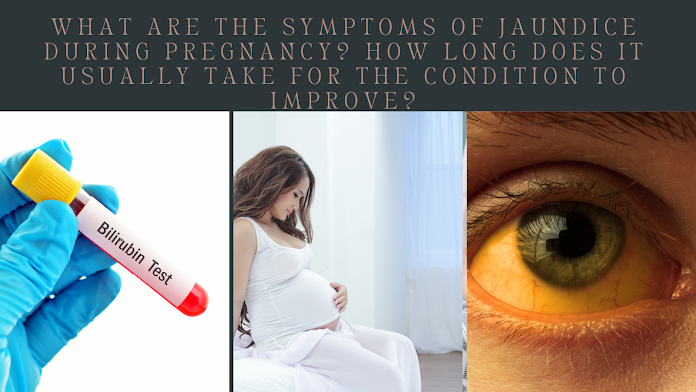
Jaundice is a medical condition characterized by yellowing of the skin, eyes, and mucous membranes. This happens when there is an excess of bilirubin in the blood. Bilirubin is a yellow pigment produced when red blood cells break down. Under normal circumstances, the liver processes bilirubin and removes it from the body through bile. During pregnancy, however, this process can sometimes slow down or become disrupted.
Think of your liver as a waste-processing plant. During pregnancy, that plant is suddenly handling double shifts—supporting both you and your growing baby. When it can’t keep up, bilirubin starts to pile up, and jaundice appears. While mild jaundice may resolve on its own, more serious cases can signal underlying conditions that require immediate medical care.
Why Jaundice Can Occur During Pregnancy
Hormonal Changes and Liver Function
Pregnancy hormones, particularly estrogen and progesterone, can interfere with how bile flows from the liver. This can cause bile acids to build up in the bloodstream, leading to jaundice. This is especially common in conditions like intrahepatic cholestasis of pregnancy (ICP).
Increased Workload on the Liver
During pregnancy, the liver works harder to filter toxins, metabolize nutrients, and support fetal development. Any pre-existing liver condition—no matter how mild—can become more pronounced during this time.
Types of Jaundice Seen During Pregnancy
Intrahepatic Cholestasis of Pregnancy (ICP)
ICP is one of the most common pregnancy-specific liver disorders. It usually appears in the third trimester and is marked by intense itching and elevated bile acids. Jaundice may or may not be present, but when it is, it often develops gradually.
Viral Hepatitis-Related Jaundice
Infections such as hepatitis A, B, C, or E can cause jaundice during pregnancy. Hepatitis E, in particular, is associated with severe outcomes in pregnant women and requires urgent care.
(Entity reference: World Health Organization – Hepatitis in Pregnancy)
Gallstone-Related Jaundice
Gallstones can block bile ducts, causing bilirubin to back up into the bloodstream. Pregnancy increases the risk of gallstones due to hormonal changes that slow gallbladder emptying.
HELLP Syndrome and Acute Fatty Liver of Pregnancy
These are rare but life-threatening conditions that usually occur in the third trimester. Jaundice is often accompanied by high blood pressure, abdominal pain, nausea, and abnormal blood tests.
Early Warning Signs of Jaundice in Pregnancy
Subtle Symptoms That Are Easy to Miss
Early jaundice doesn’t always announce itself loudly. You might feel unusually tired, mildly nauseous, or just “off.” These symptoms are often brushed aside as normal pregnancy discomforts, which is why jaundice can sometimes go unnoticed until it progresses.
Skin and Eye Color Changes
The whites of the eyes often turn yellow before the skin does. Checking your eyes in natural light can help spot early changes. Skin yellowing may start on the face and spread downward.
Common Physical Symptoms of Jaundice During Pregnancy
Yellowing of Skin and Eyes
This is the hallmark symptom of jaundice. The yellow tint may be subtle at first and become more noticeable over time. In pregnant women, it may be mistaken for changes in skin tone or pigmentation.
Intense Itching (Pruritus)
Itching, especially on the palms and soles, is a classic symptom of pregnancy-related jaundice. Unlike allergic itching, there’s usually no rash. It can be severe enough to disrupt sleep and daily activities.
Fatigue and Weakness
Extreme tiredness that doesn’t improve with rest can be a sign that your liver is struggling. This fatigue often feels deeper than typical pregnancy exhaustion.
Digestive and Gastrointestinal Symptoms
Nausea and Vomiting
While morning sickness is common, jaundice-related nausea tends to persist beyond the first trimester and may worsen over time.
Loss of Appetite
A reduced desire to eat, especially fatty foods, can occur because bile is essential for fat digestion. When bile flow is impaired, eating can feel uncomfortable.
Abdominal Pain and Discomfort
Pain is often felt in the upper right side of the abdomen, where the liver is located. It may be dull, aching, or sharp, depending on the cause.
Urinary and Stool Changes
Dark-Colored Urine
Urine may appear dark yellow, amber, or even brown. This happens when excess bilirubin is excreted through the kidneys.
Pale or Clay-Colored Stools
A lack of bile reaching the intestines can cause stools to become unusually light in color. This is a key sign of bile flow obstruction.
Emotional and Mental Health Symptoms
Anxiety and Mood Changes
Dealing with a pregnancy complication can trigger anxiety, irritability, or mood swings. Concerns about the baby’s health often amplify emotional stress.
Sleep Disturbances Due to Itching
Persistent itching can make restful sleep nearly impossible, leading to daytime fatigue and emotional strain.
Symptoms That Require Immediate Medical Attention
Severe Abdominal Pain
Sudden or intense pain may signal gallstones, liver inflammation, or HELLP syndrome.
Confusion or Altered Consciousness
These symptoms can indicate severe liver dysfunction and require emergency care.
Excessive Bleeding or Swelling
Liver problems can affect blood clotting, increasing the risk of bleeding complications.
How Jaundice Is Diagnosed During Pregnancy
Blood Tests and Liver Function Tests
Doctors measure bilirubin levels, liver enzymes, and bile acids to confirm jaundice and identify its cause.
Ultrasound and Imaging
Ultrasound helps detect gallstones, bile duct obstruction, or liver abnormalities without exposing the fetus to radiation.
Monitoring Fetal Health
Non-stress tests and ultrasounds ensure the baby is growing well and not under distress.
How Long Does Jaundice Take to Improve During Pregnancy?
Mild Pregnancy-Related Jaundice
In mild cases, symptoms may stabilize or improve within a few weeks with proper monitoring, diet changes, and rest.
Jaundice Caused by ICP
ICP symptoms often persist until delivery. However, itching and bilirubin levels usually improve within 48–72 hours after childbirth.
Recovery Timeline After Delivery
For most pregnancy-related jaundice cases, liver function returns to normal within 2–6 weeks postpartum. Regular follow-up tests confirm recovery.
Treatment Options for Jaundice During Pregnancy
Medications and Supplements
Medications like ursodeoxycholic acid (UDCA) are commonly prescribed to reduce bile acids and relieve itching.
(Entity reference: Mayo Clinic – Cholestasis of Pregnancy)
Dietary and Lifestyle Changes
-
Eat small, frequent meals
-
Reduce fatty and fried foods
-
Stay well-hydrated
-
Avoid alcohol completely
Hospital Monitoring in Severe Cases
Severe jaundice may require hospitalization for close monitoring of both mother and baby, and sometimes early delivery.
Impact of Jaundice on the Baby
Potential Risks to the Fetus
Untreated jaundice conditions like ICP can increase the risk of preterm birth, fetal distress, or stillbirth. Early diagnosis greatly reduces these risks.
Importance of Early Detection
Regular prenatal visits and prompt reporting of symptoms are critical for protecting fetal health.
Preventive Measures and Self-Care Tips
Nutrition and Hydration
A balanced diet rich in fruits, vegetables, lean proteins, and whole grains supports liver health.
Regular Prenatal Checkups
Routine blood tests help catch liver abnormalities before symptoms worsen.
Living With Jaundice During Pregnancy
Coping Strategies for Daily Life
Wearing loose clothing, using cool baths, and avoiding heat can help manage itching.
Emotional Support and Counseling
Talking to healthcare providers, family, or support groups can ease emotional stress.
When to Expect Full Recovery After Pregnancy
Postpartum Liver Recovery
Most women experience complete symptom resolution within weeks after delivery.
Follow-Up Tests and Long-Term Outlook
Follow-up liver tests ensure there’s no underlying chronic condition. Most women go on to have healthy future pregnancies with proper monitoring.
Conclusion
Jaundice during pregnancy can be frightening, but understanding the symptoms and recovery timeline makes it far more manageable. From subtle early signs like fatigue and itching to more obvious symptoms such as yellowing of the skin and eyes, early awareness is key. In most pregnancy-related cases, jaundice improves rapidly after delivery, with full recovery occurring within a few weeks. With timely medical care, close monitoring, and healthy lifestyle choices, both mother and baby can safely navigate this condition.
Frequently Asked Questions (FAQs)
1. Is jaundice during pregnancy dangerous?
It can be, depending on the cause. Early diagnosis and treatment greatly reduce risks.
2. Can jaundice harm my baby?
Some forms, like ICP, can pose risks if untreated, but proper care minimizes complications.
3. Does jaundice always require early delivery?
Not always. Early delivery is considered only in severe cases.
4. Will jaundice go away after childbirth?
Yes, most pregnancy-related jaundice resolves within days to weeks postpartum.
5. Can jaundice return in future pregnancies?
Certain conditions like ICP can recur, so early monitoring is essential.
Importance of Postnatal Care……….
Best First Aid Website….
3 thoughts on “Jaundice During Pregnancy: Symptoms, Causes, Treatment, and Recovery Time”