Table of Contents
ToggleTop Remedies for Dental Plaque, Cavities, White Teeth and Gingivitis
Introduction
Dental problems usually creep in slowly—so slowly that most people don’t even notice until there’s pain, sensitivity, or embarrassment about how their smile looks. Plaque begins as a sticky film you barely pay attention to, cavities start with microscopic decay, and gingivitis shows up with slight gum redness or bleeding. Before you know it, small problems pile up into bigger issues. The good news? You can prevent most dental problems with consistent habits and natural remedies that actually work. In this guide, we’ll explore powerful—and safe—solutions for dental plaque, cavities, whitening teeth, and treating gingivitis. Whether you’re dealing with stubborn yellow stains, early gum irritation, or plaque buildup, this article walks you through everything step by step in a simple, human first tone that’s easy to follow.
The remedies included here aren’t just “internet hacks.” They’re backed by dental research, long-standing natural practices, and expert recommendations. You’ll learn why certain ingredients work, how to use them the right way, and when professional treatment becomes necessary. There’s a huge difference between temporary fixes and long-term prevention, so this guide covers both. By the end, you’ll have a full roadmap for stronger, whiter teeth and healthier gums—using tools you probably already have at home.
If you’ve ever wondered, “What’s the best way to stop plaque?”, “How do I treat cavities naturally?”, or “How do I get whiter teeth without damaging enamel?”, then you’re in the right place. Let’s dive into each problem one by one and uncover remedies that genuinely make a difference.
Understanding Common Dental Problems
Understanding what’s happening inside your mouth is the first step to fixing it. Most people assume dental problems appear suddenly, but the truth is, they develop slowly and silently. Plaque, for example, begins as a soft film that forms after every meal. Cavities don’t just pop up; they evolve as bacteria feed on leftover sugars. Gingivitis begins as mild inflammation, but without action, it can spiral into gum recession and even tooth loss. And tooth discoloration isn’t simply about “staining”—it’s connected to enamel wear, accumulated residues, and sometimes lifestyle habits. When you understand how these issues begin and grow, you gain control over how to stop them.
Another thing most people don’t realize is how connected oral health is to the rest of your body. Chronic plaque buildup increases inflammation and has been linked to heart problems. Gum disease can make blood sugar harder to control in people with diabetes. Even tooth discoloration can be a sign of enamel erosion or mineral imbalance. Your mouth is the gateway to your body, and when something is off, it often shows up here first. That’s why taking your oral care seriously isn’t optional—it’s essential.
This section sets the foundation before we dive into the remedies. By understanding the root causes, you’ll be able to apply the right solutions instead of trial-and-error guesswork. So let’s break down each oral issue in a simple, human way, starting with the most common culprit of all: dental plaque.
What Is Dental Plaque?
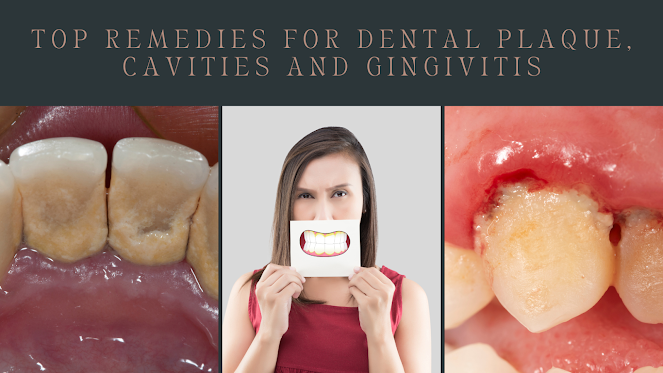
Dental plaque is a sticky, colorless (or pale yellow) film that forms on your teeth every single day. It develops when bacteria in your mouth mix with food particles, especially sugars and starches. If you’ve ever run your tongue across your teeth at night and felt that fuzzy layer—that’s plaque. While it might seem harmless at first, plaque is actually the root cause of most oral health problems, including cavities, gingivitis, and bad breath. The bacteria living in plaque produce acids that attack your enamel. Over time, this acid weakens the tooth structure, allowing decay to start.
The real problem begins when plaque hardens into tartar, also called calculus. Unlike plaque, which you can brush off, tartar is rock-hard and strongly attaches to your teeth. No matter how good your toothbrush is, it won’t remove tartar. Only a dental professional can scrape it away. This is why daily plaque control is essential. Once tartar forms, it becomes a breeding ground for more bacteria, accelerating decay and gum inflammation.
The trick to managing plaque is consistency. Proper brushing technique, flossing daily, and using the right mouthwash can drastically reduce plaque formation. Natural remedies like oil pulling or baking soda help as well, but nothing replaces good hygiene. Think of plaque like dust in your home—you can never stop it from forming completely, but with regular cleaning, you prevent the buildup. Your goal should be to interrupt plaque before it hardens, and the remedies you’ll read later in this article will help you do exactly that.
What Causes Cavities?
Cavities—also known as dental caries—form when tooth decay progresses to the point where small holes develop in your enamel. While many people think cavities appear due to poor brushing alone, the truth is more complex. Cavities are caused by a combination of bacteria, sugar, acids, and time. Every time you eat sugary or starchy foods, bacteria in your mouth feast on them and produce acid. This acid weakens the enamel by pulling out minerals, leading to a process called demineralization. If the enamel doesn’t get a chance to recover, the weakened area eventually collapses into a cavity.
Diet plays a huge role in cavity formation. Frequent snacking, sipping sugary drinks throughout the day, or eating sticky foods like caramel or dried fruits can dramatically increase decay risk. Even fruit juices, which many people assume are healthy, contain enough acid and sugar to erode enamel over time. Genetics also plays a role: some people naturally have softer enamel or deeper grooves in their teeth, making them more vulnerable.
The early stages of cavities can actually be reversed. With fluoride, proper remineralization, and dietary changes, you can stop decay before it breaks into a full-blown cavity. That’s why early detection is key. Once the decay reaches the dentin layer under the enamel, the damage becomes irreversible without dental treatment. Understanding what causes cavities helps you tailor your habits to prevent them, and the remedies later in this article will show you how to protect your teeth at home.
Why Teeth Lose Their Natural Whiteness
Have you ever looked in the mirror and thought, “My teeth used to be whiter—what happened?” You’re not alone. Tooth discoloration happens gradually, and most people don’t notice until the contrast between old photos and their current smile becomes obvious. The main reason teeth lose their whiteness is because enamel wears down over time, exposing the naturally yellowish dentin underneath. Enamel is like a protective glass coating; once it thins, you can’t restore it fully, but you can protect what’s left and brighten the appearance of your teeth.
The second major cause of discoloration is staining from foods and drinks. Coffee, tea, red wine, curry, berries, and even tomato sauces can deeply stain enamel. Smoking and vaping are also major culprits. Nicotine and tar settle into the pores of your enamel, leaving behind yellow or brown stains. And if you think brushing harder will fix the problem, it won’t—it can actually make discoloration worse by eroding enamel.
A lesser-known cause of discoloration is plaque buildup. Plaque holds pigments from foods and beverages, making teeth look more yellow. When plaque hardens into tartar, it becomes even harder to remove and appears darker. Aging, medications, and even excessive fluoride during childhood can also affect tooth color.
The good news is there are safe whitening remedies—both natural and professional—that can bring back your smile’s brightness without damaging enamel. You’ll learn about them shortly, but first, let’s dive into one of the biggest contributors to gum disease: gingivitis.
What Is Gingivitis?
Gingivitis is the earliest stage of gum disease and is completely reversible—but only if you take action early. It begins when plaque builds up around the gumline, irritating the soft tissues. The gums respond by becoming red, swollen, and prone to bleeding during brushing or flossing. Many people ignore these early signs, thinking it’s normal for gums to bleed, but bleeding is your body’s way of shouting, “Something is wrong!”
The inflammation caused by gingivitis isn’t just a surface problem. If left untreated, it can progress into periodontitis, a more serious form of gum disease that destroys the tissues and bone supporting your teeth. This can lead to gum recession, loose teeth, and ultimately tooth loss. On top of that, chronic gum inflammation has been linked to heart disease, diabetes complications, and even pregnancy issues.
Poor oral hygiene is the number one cause of gingivitis. But smoking, dry mouth, hormonal changes, stress, and certain medications can also contribute. Your gums need proper care just as much as your teeth do. When treated early—with natural remedies or professional cleaning—gingivitis can be completely reversed within weeks. You’ll learn how in the sections ahead.
Most Effective Natural Remedies for Dental Plaque
Natural remedies for dental plaque are incredibly powerful when used consistently, and what makes them so effective is that they work with your body rather than against it. Plaque forms every single day, so the trick isn’t to find a miracle cure—it’s to use simple, proven methods that interrupt plaque before it hardens into tartar. Many people underestimate how well natural ingredients such as coconut oil, baking soda, aloe vera, and herbal rinses work, yet these remedies have been used for centuries and even acknowledged in scientific research for their antibacterial and anti-inflammatory properties. The best part? They’re affordable, gentle, and safe for long-term use.
One of the biggest advantages of natural plaque remedies is that they break down the sticky biofilm on teeth without damaging enamel. Commercial whitening pastes and harsh scrubs often erode enamel over time, leaving teeth more vulnerable to staining and sensitivity. Natural alternatives support the mouth’s ecosystem, lowering harmful bacteria while protecting beneficial ones. Think of it like balancing a garden: if the environment is healthy, harmful bacteria can’t take over. And when bacteria levels stay controlled, plaque has no chance to build into something serious.
Another important factor is routine. People often try remedies once or twice, then give up when they don’t see instant results. But plaque prevention is like skincare—you need daily habits. When you incorporate natural remedies consistently, you’ll notice smoother teeth, fewer stains, better breath, and less gum sensitivity. Many users report visible improvement within just a week.
This section explores four of the most effective natural plaque-fighting methods: oil pulling, baking soda, aloe vera & glycerin scrub, and green tea rinse. Each remedy works differently, so combining them gives you maximum protection. Whether you’re trying to avoid tartar buildup, reduce bad breath, or stop early gingivitis, these natural solutions offer a gentle yet powerful approach to oral health. Let’s start with one of the oldest and most trusted remedies of all—oil pulling.
Oil Pulling
Oil pulling is an ancient oral detoxifying technique that traces back thousands of years to Ayurvedic medicine. While the idea of swishing oil in your mouth might sound strange at first, it’s one of the most effective and gentle ways to reduce plaque, whiten teeth naturally, and support gum health. The concept is simple: oil binds to the toxins and bacteria in your mouth, pulling them out as you swish. Coconut oil is the most popular choice because it contains lauric acid—an antimicrobial compound that specifically targets plaque-causing bacteria.
When you swish coconut oil for 10–15 minutes, something incredible happens. The oil emulsifies and reaches deep into the tiny crevices between teeth and gums, where toothbrushes and floss sometimes fail. This helps remove bacteria, loosen sticky plaque, and reduce inflammation. People who practice oil pulling regularly often report fresher breath, less gum bleeding, and noticeably cleaner-feeling teeth. Unlike strong chemical mouthwashes, which can dry out your mouth, oil pulling supports moisture and pH balance—two crucial factors in preventing bacterial overgrowth.
To try oil pulling, simply place one tablespoon of coconut oil in your mouth. Start with five minutes if you’re new to it, then gradually work up to 15–20 minutes as you get comfortable. Gentle swishing is key—no need to strain your jaw. Once you’re done, spit the oil into a trash bin (never the sink, as oil can clog pipes), then rinse with warm water and brush your teeth as usual. Doing this daily or even 3–4 times per week can dramatically reduce plaque and gum inflammation.
The beauty of oil pulling is that it supports holistic oral health rather than masking symptoms. It’s a soothing, natural remedy that works in harmony with your body’s systems. If you’re serious about reducing plaque long-term, this is one method you’ll want to keep in your routine.
Baking Soda Paste
Baking soda is one of the most reliable and scientifically backed natural remedies for reducing plaque, whitening teeth, and neutralizing acids in the mouth. Many people underestimate its effectiveness because it’s such a simple household ingredient—but that simplicity is exactly what makes it safe, gentle, and incredibly powerful. Baking soda, or sodium bicarbonate, works as a mild abrasive that lifts plaque from tooth surfaces without scratching or weakening enamel. Unlike many commercial whitening products, which can be too harsh for daily use, baking soda supports a healthy pH balance in the mouth and reduces harmful bacteria by creating an environment where they cannot thrive.
One of the biggest reasons baking soda is so effective for plaque removal is its alkalinity. The mouth often becomes acidic after meals—especially sugary or starchy foods—creating the perfect breeding ground for bacteria that produce plaque. When you brush with baking soda, the alkalinity quickly neutralizes these acids, slowing plaque formation and helping enamel remineralization. That’s why many toothpaste brands actually include baking soda as a star ingredient but at a much lower concentration than what you can apply at home. When used correctly, baking soda becomes a powerful plaque-fighting tool.
To create a simple baking soda paste, mix one teaspoon of baking soda with a few drops of water until you achieve a thick, spreadable consistency. Gently brush your teeth with this mixture for about one minute. Avoid brushing too aggressively—let the baking soda do the work. You can use this method two to three times per week for best results. Some people prefer mixing baking soda with coconut oil, which enhances antibacterial benefits and creates a smoother brushing texture.
Beyond plaque removal, baking soda is also a natural teeth whitener. It removes surface stains from coffee, tea, wine, and smoking, giving your teeth a brighter appearance over time. Its odor-neutralizing properties also help reduce bad breath caused by bacterial buildup. When combined with regular brushing and flossing, baking soda becomes an essential part of a holistic oral care routine.
Using this simple remedy consistently can lead to smoother, cleaner teeth, reduced plaque formation, and a naturally brighter smile—without spending a fortune on commercial whitening or harsh chemical treatments.
Aloe Vera & Glycerin Scrub
The combination of aloe vera and glycerin may sound like something you’d find in a skincare routine, but it’s surprisingly one of the most gentle and effective natural remedies for fighting plaque and improving gum health. Aloe vera is well known for its soothing, anti-inflammatory, and antibacterial properties. When applied to the mouth, it helps reduce swelling, redness, and irritation caused by plaque buildup and early gingivitis. Meanwhile, glycerin acts as a natural cleaning agent that softens plaque and helps remove debris from the teeth.
What makes this remedy so unique is its ability to target both plaque and gum inflammation at the same time. Aloe vera contains compounds like anthraquinones and acemannan, which help inhibit the growth of harmful bacteria responsible for plaque formation. It also promotes tissue healing, which is extremely beneficial for people who struggle with sensitive or bleeding gums. On the other hand, glycerin works as a humectant that helps retain moisture while gently lifting plaque particles off the enamel surface. Together, they create a soothing scrub that’s perfect for sensitive mouths.
To create this remedy, mix one tablespoon of aloe vera gel with one teaspoon of vegetable glycerin and a pinch of baking soda. You can also add a drop of peppermint oil for freshness. Use this mixture to gently brush your teeth for about one to two minutes. The scrub feels smooth and refreshing, making it ideal for those who dislike abrasive pastes. You can use it daily or every other day depending on your sensitivity.
This aloe-glycerin scrub is especially helpful for people who suffer from gum irritation. If your gums bleed when brushing or flossing, this soothing gel helps calm the tissue and reduce inflammation over time. Many users notice improvement within a week, especially when combining this remedy with better brushing habits and regular rinsing.
As a natural alternative to harsh chemical toothpaste, the aloe vera and glycerin scrub provides a spa-like oral care experience while genuinely improving dental health. It’s gentle, effective, and perfect for anyone looking to keep plaque under control without irritation.
Green Tea Rinse
Green tea isn’t just a soothing drink—it’s a powerful natural mouth rinse that can significantly reduce plaque formation, strengthen teeth, and improve gum health. Rich in antioxidants called catechins, green tea fights inflammation and harmful bacteria in the mouth. One of its strongest catechins, epigallocatechin gallate (EGCG), has been shown in studies to reduce bacterial colonies responsible for plaque and bad breath. This makes green tea one of the best herbal remedies for oral hygiene.
Using green tea as a rinse provides multiple benefits at once. First, it helps suppress the growth of Streptococcus mutans, the primary bacteria behind cavities. Second, green tea naturally reduces inflammation, making it incredibly effective for people with gingivitis or sensitive gums. Third, the fluoride present in green tea—yes, natural fluoride—helps strengthen enamel and protect against decay. Few natural remedies offer such a powerful combination of antibacterial, anti-inflammatory, and remineralizing benefits.
To create a green tea mouth rinse, simply brew one cup of green tea (preferably loose-leaf or high-quality bags) and let it cool. Use it as a mouthwash by swishing for 30–60 seconds, then spit. You can use this rinse once or twice daily. Some people prefer keeping chilled green tea in the refrigerator for refreshing use throughout the day.
The beauty of this remedy is its gentleness. Unlike alcohol-based mouthwashes that dry out the mouth and destroy beneficial bacteria, green tea supports a healthy microbiome. Dry mouth is one of the major causes of plaque, cavities, and bad breath—so a moisturizing, antioxidant-rich rinse like green tea can help dramatically.
Whether you drink it, rinse with it, or both, adding green tea to your daily routine is one of the easiest ways to support long-term dental health. It’s simple, affordable, and scientifically backed—making it a must-try for anyone looking to reduce plaque naturally.
Powerful Remedies for Preventing & Healing Cavities
Cavities are one of the most frustrating dental issues because they often develop long before you feel any pain. By the time a tooth aches, the decay has already reached deeper layers. But here’s the part most people don’t know: early-stage cavities can be reversed with the right remineralization techniques. Once decay passes the enamel and enters the dentin, it requires professional treatment, but until that point, smart oral care and targeted natural remedies can stop and even reverse the damage.
When we talk about cavity remedies, we’re not talking about magic formulas or unrealistic “cure-your-cavity-overnight” tricks. This section focuses on scientifically supported, dentist-approved methods like fluoride strengthening, clove oil for pain and bacteria, licorice root for bacterial control, and targeted nutrition like Vitamin D and calcium. These remedies work because they strengthen enamel, reduce acid attacks, and restore minerals to weakened tooth areas.
What surprises most people is how much nutrition and lifestyle contribute to cavity formation. A person with good brushing habits but poor diet can still develop cavities regularly, while someone with average brushing but strong nutrition may rarely get them. Sugar frequency—not quantity—is one of the biggest predictors of decay. Every sugary sip or bite restarts an acid attack that lasts 20–30 minutes. Understanding these patterns helps you build habits that protect your teeth all day, not just when brushing.
Below, you’ll find the most effective and practical remedies for preventing and healing cavities at home. These methods won’t replace severe decay treatment, but they can stop early lesions in their tracks and dramatically reduce your risk over time. Let’s start with the most proven method in dentistry: fluoride-based strengthening.
Fluoride-Based Strengthening
Fluoride remains one of the most studied and trusted minerals for preventing and reversing early tooth decay. Despite myths floating around online, fluoride—when used properly—is incredibly safe and extremely effective. It works by remineralizing weakened enamel and making the tooth structure more resistant to acid attacks. When acids dissolve minerals from your enamel, fluoride helps rebuild those areas stronger and smoother. This is why dentists call fluoride a “tooth armor.”
There are several ways to incorporate fluoride into your routine. The most common is using a fluoride toothpaste. Many people brush too quickly, rinsing immediately after, not realizing they’re washing away the fluoride before it has time to work. Dentists recommend brushing for two full minutes and spitting without rinsing, allowing fluoride to stay on your teeth longer. This small change alone can significantly reduce cavity formation.
Another effective method is fluoride mouthwash. Unlike alcohol-based mouthwashes—which dry the mouth and worsen decay risk—fluoride rinses help strengthen enamel while maintaining moisture. Using this rinse once a day, especially before bedtime, gives your teeth hours of uninterrupted protection.
For people with early-stage enamel demineralization (those white chalky spots on teeth), fluoride varnishes applied by a dentist can stop decay and rebuild minerals quickly. These varnishes contain higher fluoride concentrations and stay on the teeth much longer than toothpaste.
Fluoride doesn’t work alone, though. It works best when combined with a low-sugar diet, proper brushing technique, and good oral hygiene. Think of fluoride like a security guard—it protects your teeth, but it can’t fight every battle without support.
Clove Oil
Clove oil is one of the most powerful remedies for dental pain and cavity bacteria—and it has been used for centuries in traditional medicine. The active compound in clove oil, eugenol, acts as a natural anesthetic, antibacterial, and anti-inflammatory agent. This makes it incredibly effective for toothaches, early decay, gum irritation, and even mouth ulcers. Dentists used to use clove oil as a standard ingredient in fillings before modern materials were developed, which shows just how powerful and respected this natural remedy is.
When applied correctly, clove oil reduces inflammation and kills bacteria living inside cavities, helping slow or halt decay progression. While clove oil cannot “fill” a cavity, it can make the environment inside the tooth unfavorable for bacteria, reducing pain and preventing the cavity from worsening.
To use clove oil safely, dilute one drop of clove essential oil in a teaspoon of carrier oil such as coconut or olive oil. Never apply pure clove oil directly—it’s too strong and may irritate gums or cause burns. Dip a cotton ball into the diluted mixture and gently place it on the affected tooth for 5–10 minutes. You can repeat this twice daily for pain relief and antibacterial support.
Clove oil also helps with gum infections and bad breath caused by bacterial buildup. You can add one drop to warm water and use it as a gentle rinse. Over time, many people notice reduced sensitivity, improved gum comfort, and fewer episodes of dental pain.
While clove oil won’t replace professional treatment for deep cavities, it’s one of the best natural emergency remedies and a long-term support tool for oral health.
Licorice Root
Licorice root might not be the first thing that comes to mind when you think about cavity prevention, but it’s actually one of the most powerful natural antibacterial agents ever studied for oral health. In fact, several modern dental products are beginning to incorporate licorice extract because research shows it can significantly reduce the bacteria responsible for tooth decay and gum disease. The two main compounds that make licorice root so effective are glycyrrhizin and licoricidin, both of which target the types of bacteria that form plaque biofilms and trigger dental caries.
What makes licorice unique is that it doesn’t just kill harmful bacteria—it also interferes with their ability to stick to tooth surfaces. Cavities begin when bacteria attach themselves to enamel and create acid through sugar fermentation. By preventing this attachment, licorice root disrupts the earliest stage of cavity formation. This means fewer bacterial colonies, less acid production, and stronger protection for your enamel. In many ways, licorice acts like a natural shield for your teeth.
There are several ways to incorporate licorice root into your cavity-prevention routine. One of the most effective is chewing on licorice root sticks, which have been used traditionally as natural toothbrushes. These sticks gently massage the gums while releasing antibacterial compounds. You can also drink licorice tea, use powdered licorice as a gentle tooth polish, or apply licorice-infused mouth rinses. Some holistic dentists even recommend licorice-based lollipops (sugar-free, of course) specifically designed to reduce harmful bacteria in children.
But like anything powerful, licorice root should be used mindfully. Large amounts can influence blood pressure in sensitive individuals, so moderate use is key. A few minutes of chewing daily or a cup of licorice tea is more than enough to gain oral health benefits without overdoing it.
When paired with fluoride, good brushing habits, and dietary changes, licorice root becomes a potent ally in reversing early decay and preventing new cavities from forming. It’s a simple, natural remedy with centuries of history—and modern science now backs what traditional medicine has known all along.
Vitamin D & Calcium Boost
If there is one internal factor that influences cavity formation more than anything else, it’s your body’s mineral balance—especially Vitamin D and calcium. Teeth are not just passive structures; they are living tissues that constantly undergo mineral loss and mineral repair. Without enough vitamin D, the body cannot absorb calcium properly, and without calcium, enamel cannot remineralize. This means even if you brush perfectly, your teeth can still weaken from the inside out.
Vitamin D acts like a “gatekeeper” for oral health. It regulates the minerals that strengthen bone and enamel while improving your immune response to oral bacteria. Studies show that people with low vitamin D levels experience significantly higher rates of cavities, gum inflammation, and enamel erosion. Children with deficiencies are especially vulnerable because their teeth are still forming.
Calcium, on the other hand, is the building block of enamel. Every acidic food or drink pulls calcium out of the enamel in a process called demineralization. But with proper nutrition, the body replaces those minerals and repairs microscopic enamel damage before cavities develop.
The best way to boost Vitamin D is through sunlight exposure—about 10–20 minutes of morning sun for most skin types. Dietary sources such as eggs, salmon, fortified milk, and mushrooms also help. Supplements can be used when levels are extremely low, but natural sources are always ideal when possible.
Calcium-rich foods include dairy products, leafy greens, almonds, seeds, chickpeas, and sardines. For people who avoid dairy, options like almond milk, tofu, and fortified cereals offer excellent alternatives.
The real magic happens when Vitamin D and calcium are consumed together. Vitamin D helps your intestines absorb calcium more efficiently, allowing your teeth and bones to remineralize. When paired with good oral hygiene and cavity-prevention remedies like fluoride or licorice root, this nutritional boost can reverse early decay and dramatically strengthen enamel.
If you frequently struggle with cavities despite brushing well, it may be your diet—not your toothbrush—that’s to blame. Strengthening your teeth from the inside out is the foundation of long-term oral health.
Safe and Effective Ways to Whiten Teeth Naturally
Most people want whiter teeth, but not everyone wants to expose their enamel to harsh chemical whiteners or expensive dental treatments. The good news is that nature provides powerful alternatives that can brighten your smile safely—as long as you use them correctly. Natural whitening isn’t about instant dramatic results; it’s about consistent, gentle improvements that protect your enamel while reducing stains. Before trying any whitening remedy, it’s important to understand the difference between extrinsic stains (on the outside of the teeth, caused by food, drinks, and smoking) and intrinsic stains (inside the tooth, usually caused by aging, genetics, or medication).
Natural whiteners mostly target external stains, which is ideal because these are the majority of discoloration concerns. The main goal when whitening naturally is to avoid damaging the enamel. Many DIY methods online recommend overly abrasive techniques or high concentrations of certain ingredients, which can actually make teeth more yellow in the long run by thinning enamel and exposing dentin. The remedies discussed below—hydrogen peroxide, activated charcoal, strawberry-baking soda paste, and banana peel—are safe when used responsibly and offer noticeable whitening without harming the tooth structure.
What makes these natural whitening methods effective is their unique ability to either break down stains, gently polish enamel, or deliver minerals that combat discoloration. When paired with a low-staining diet, good oral hygiene, and plaque control, these remedies can gradually give you a significantly brighter smile.
Let’s take a closer look at each whitening method, starting with the most scientifically supported natural whitener: hydrogen peroxide.
Hydrogen Peroxide (Proper Use)
Hydrogen peroxide is one of the most effective natural whitening agents because it breaks down stains at a molecular level. Many over-the-counter whitening strips and gels use hydrogen peroxide as their primary ingredient—but the key is using the right concentration. Most dentists recommend a maximum of 3% hydrogen peroxide for at-home use. Anything stronger may irritate gums or weaken enamel over time.
The whitening power of hydrogen peroxide comes from its ability to release oxygen molecules that lift stains from the enamel surface. When used in moderation, it brightens teeth safely. The trick is not to overuse it or apply it directly in high concentrations. A safe method is to dilute 3% hydrogen peroxide with an equal amount of water and use it as a gentle mouth rinse for 20–30 seconds. Do not swallow the mixture. After rinsing, follow with water.
For a more targeted whitening approach, you can mix a small amount of hydrogen peroxide with baking soda to create a mild paste. Use this paste no more than once a week to avoid enamel erosion. Many people see a visible improvement within two to three weeks of consistent use.
Hydrogen peroxide is also effective at reducing oral bacteria, improving gum health, and supporting overall oral hygiene. However, overuse can cause tooth sensitivity, so moderation is essential. If you experience burning, irritation, or discomfort, stop immediately and reduce usage.
Used the right way, hydrogen peroxide is a safe, proven, and highly effective natural whitening remedy.
Activated Charcoal
Activated charcoal has exploded in popularity as a natural teeth whitening remedy—and for good reason. Its highly porous structure allows it to absorb plaque, bacteria, toxins, and surface stains. Many users report that activated charcoal gives their teeth a noticeably cleaner and smoother feel after just a few uses. However, despite its effectiveness, it must be used gently to avoid enamel abrasion.
Activated charcoal doesn’t whiten teeth by bleaching; it works by binding to stain-causing particles. Coffee, tea, red wine, spices, and tobacco can leave deep pigments on the enamel surface. Charcoal pulls these pigments away, revealing a brighter smile. The key is using a fine, cosmetic-grade charcoal powder and brushing with a soft touch—never scrubbing aggressively.
To use activated charcoal safely, wet your toothbrush, dip it lightly into the charcoal powder, and brush gently for 1–2 minutes. Rinse thoroughly afterward. Use it only 2–3 times per week to prevent excessive abrasion. Avoid charcoal if you already have thin enamel or tooth sensitivity unless approved by your dentist.
One underrated benefit of activated charcoal is its ability to reduce bad breath by absorbing odor-causing bacteria. It can also help balance oral pH, reducing acidity that leads to enamel erosion.
While charcoal won’t whiten intrinsic stains, it is one of the best natural remedies for removing external discoloration and maintaining a bright smile naturally.
Strawberry & Baking Soda Formula
This remedy may sound like a social media gimmick, but there is actual science behind it. Strawberries contain malic acid, a gentle natural exfoliant that helps dissolve surface stains. When combined with baking soda, which neutralizes acids and removes plaque, the mixture becomes an effective natural whitening paste.
To make the formula, mash one ripe strawberry and mix it with half a teaspoon of baking soda. Apply the paste to your teeth using a toothbrush or your finger, and let it sit for 3–5 minutes. Afterward, brush with your regular toothpaste to remove any remaining residue.
This method works well for people with mild staining from foods or drinks. However, it’s important not to use it too often—once a week is enough. Strawberries contain natural sugars and acids that, when overused, can soften enamel. But when used occasionally and followed with proper brushing, the strawberry paste can add noticeable brightness to your smile.
Many people love this remedy because it feels natural, refreshing, and gentle—like giving your teeth a fruit-based facial. The malic acid polishes the surface, while the baking soda neutralizes acidity and lifts plaque. When used consistently but sparingly, this method can contribute significantly to a whiter smile.
Banana Peel Rub
This is one of the simplest natural whitening remedies and one that surprisingly works for many people. Banana peels contain minerals such as potassium, magnesium, and manganese, which can help support enamel health. When rubbed on teeth, these minerals may help reduce surface stains and promote a smoother, cleaner appearance.
To try this remedy, simply take a fresh banana peel and rub the inside surface across your teeth for one to two minutes. Allow it to sit for 5–10 minutes before brushing as usual. While results may not be as dramatic as peroxide or charcoal, banana peels are extremely gentle, making this a great option for people with sensitive teeth.
Banana peel whitening works best when combined with other natural methods like green tea rinses or baking soda brushing. It’s safe, easy, and completely non-abrasive. Think of it as a mild brightening method rather than a deep whitening treatment. It may give your teeth a subtle glow and help maintain whiteness between stronger whitening sessions.
Best Remedies to Treat Gingivitis at Home
Gingivitis may start quietly—slight gum swelling, mild bleeding during brushing, or a little redness around the gumline—but ignoring these early signs is where people get into trouble. The good news is that gingivitis is 100% reversible when treated early, and you don’t need complicated tools or expensive products to fix it. The remedies in this section are gentle, natural, and backed by science. They target the three causes of gingivitis: plaque buildup, bacterial infection, and gum inflammation. The best part is that most of these remedies work within days when used consistently.
Gums are incredibly responsive to healing. Even if they bleed now, they can become firm, pink, and healthy again with the right approach. What matters most is reducing bacteria, calming inflammation, and improving circulation in the gum tissues. Natural remedies like saltwater, turmeric paste, tea tree oil, and coconut oil massage do exactly that. These remedies cleanse the mouth, strengthen gum fibers, and help create an environment where harmful bacteria cannot thrive.
This section walks you through the four most powerful home treatments for gingivitis. Use them individually or combine two or three to accelerate healing. With consistent use and good brushing habits, you can reverse gingivitis completely and prevent it from progressing to periodontitis—a more advanced stage of gum disease that can result in bone loss and loose teeth.
Let’s begin with the simplest and most universally effective remedy of all: saltwater rinse.
Saltwater Rinse
A warm saltwater rinse is one of the oldest and most trusted remedies for gum inflammation—and there’s real science behind its effectiveness. Salt is a natural disinfectant that helps reduce swelling, kill bacteria, and promote healing in gum tissues. When salt mixes with warm water, it creates a solution that draws out infection, reduces irritation, and increases blood circulation to the gums. This makes saltwater one of the fastest and safest ways to treat gingivitis at home.
To use this remedy, dissolve half a teaspoon of salt in a cup of warm (never hot) water. Swish it gently around your mouth for 30 seconds, focusing on the gumline. Repeat two or three times per day. Warm saltwater not only soothes the gums but also loosens trapped food particles and reduces plaque formation. If your gums bleed when brushing, using a saltwater rinse daily can significantly lessen bleeding within just a few days.
The healing effect comes from a process known as “osmotic action.” Saltwater naturally pulls fluids out of swollen gum tissue, reducing puffiness and discomfort. At the same time, it neutralizes the acidic environment in the mouth, making it harder for harmful bacteria to survive.
Many dentists recommend saltwater rinses after dental procedures because of their ability to promote tissue healing—and the same benefits apply for everyday gingivitis relief. The best part is that this remedy is safe, affordable, and easy to prepare anytime. Unlike harsh mouthwashes that often contain alcohol, saltwater doesn’t irritate the mouth or disrupt healthy bacteria. Use it consistently and you will quickly feel your gums getting firmer, cleaner, and more comfortable.
Turmeric Paste
Turmeric isn’t just a flavorful spice—it’s a powerful medicinal herb with strong antibacterial, anti-inflammatory, and antioxidant properties. The active compound in turmeric, curcumin, has been extensively studied for its ability to fight infection and reduce inflammation. When applied to the gums, turmeric helps kill harmful bacteria, reduce redness, and ease gum tenderness. This makes it one of the best natural treatments for gingivitis.
Turmeric paste is simple to make. Mix one teaspoon of turmeric powder with a few drops of water or coconut oil until you form a smooth paste. Apply it directly to your gums and let it sit for 10 minutes before rinsing. You can use this treatment once daily or every other day depending on sensitivity.
One of the biggest benefits of turmeric is its ability to heal soft tissues. If you struggle with chronic gum bleeding, turmeric can help strengthen the gum fibers and reduce bacterial colonies that irritate the gumline. Its soothing effect provides relief almost immediately, and many people report noticeable improvement after just one week of daily use.
Turmeric also works as a gentle natural cleanser. Its antimicrobial properties reduce the bacterial load in the mouth, which directly helps prevent plaque buildup—the primary cause of gingivitis. Unlike chemical-based antiseptic gels, turmeric doesn’t dry out your mouth or cause burning sensations. Instead, it calms the gums while supporting their natural healing processes.
If you’re looking for a natural, science-backed way to treat gingivitis without harsh chemicals, turmeric paste is a remedy you should absolutely incorporate into your routine.
Tea Tree Oil
Tea tree oil is one of the most potent natural antimicrobial agents available—and it’s incredibly effective for treating gingivitis. Its ability to kill bacteria, fungi, and viruses makes it useful for reducing plaque, calming gum inflammation, and eliminating bad breath. Studies show that tea tree oil mouth rinses significantly reduce bleeding gums and gingival swelling in just a few weeks.
To use tea tree oil safely, never apply it directly to the gums, as it is too strong and may cause irritation. Instead, dilute one drop of tea tree essential oil in a cup of warm water and use it as a gentle mouth rinse once or twice per day. You can also add a drop to coconut oil during oil pulling for enhanced antibacterial power.
One of the biggest benefits of tea tree oil is its ability to break down plaque biofilm. Plaque is sticky and hard to remove once it begins layering on the gumline. Tea tree oil helps dissolve this film, making brushing more effective.
People with chronic bad breath often benefit from tea tree oil because it kills sulfur-producing bacteria—the main cause of persistent mouth odor. With continued use, many users notice fresher breath, healthier gums, and reduced bleeding.
Coconut Oil Massage
Coconut oil massage is one of the gentlest yet most effective ways to nourish and strengthen the gums. Coconut oil contains lauric acid, which has powerful antimicrobial and anti-inflammatory properties. Massaging the gums with coconut oil improves blood flow, reduces bacteria, and helps soothe irritated tissues.
To try this remedy, place a small amount of coconut oil on your fingertip and gently massage along the gumline for one to two minutes. You can do this daily, preferably before brushing. It’s a relaxing treatment that instantly eases gum soreness and promotes healthier gums over time.
Coconut oil massage is especially helpful for people with sensitive or receding gums. It reduces friction during brushing, moisturizes the tissues, and provides a protective barrier that prevents bacteria from attaching to the gums.
When combined with oil pulling, this remedy creates a powerful natural defense against plaque and gingivitis. Over time, you’ll notice firmer gums, less redness, and a noticeable reduction in bleeding when brushing or flossing.
Professional Dental Treatments to Consider
Even though natural remedies are incredibly effective for preventing and reversing early oral issues, there comes a point when professional care becomes not just helpful—but necessary. Dentists use specialized tools and advanced treatments that go beyond what’s possible at home. Think of dental treatments as a deeper reset: they remove buildup you can’t reach, repair damage you can’t see, and strengthen your teeth in ways that even the best natural remedies cannot match. When natural care and professional treatment work together, your oral health reaches its highest level.
Professional treatments also help detect issues early. Many dental problems, such as tiny cavities, early gum disease, enamel erosion, or hairline cracks, are painless at first. Without a dentist’s eye, these problems often go unnoticed until they become serious. Regular checkups allow you to catch issues before they grow—and often prevent the need for more expensive procedures later.
In this section, we’ll cover four essential treatments: scaling and polishing, deep cleaning, fluoride treatments, and professional whitening. Each plays a unique role in restoring and maintaining oral health, especially when home remedies aren’t enough.
Scaling & Polishing
Scaling and polishing is the most common and essential professional dental cleaning procedure. Even if you brush and floss perfectly, plaque eventually hardens into tartar—a rock-like substance that can’t be removed at home. Once tartar forms, it becomes a magnet for bacteria, contributing to cavities, gum inflammation, and bad breath. Scaling removes this hardened buildup using ultrasonic tools and manual scraping instruments. The process is painless for most people and delivers instant results: teeth feel smoother, gums look healthier, and your breath becomes noticeably fresher.
Polishing follows scaling. This step uses a rotating brush and a mildly abrasive paste to smooth the enamel surface. Smoother enamel means plaque has a harder time sticking to your teeth, delaying buildup between visits. Think of it like waxing a car after washing it—it creates a protective shine while making future cleaning easier.
Regular scaling and polishing every 6 months is recommended for most people, but if you struggle with tartar buildup, smoke, drink coffee frequently, or have early signs of gingivitis, you may need cleanings every 3–4 months.
What surprises many people is how quickly gums respond to professional cleaning. If your gums bleed during brushing, scaling often reduces bleeding immediately because the irritants at the gumline are removed. It’s one of the fastest, safest, and most effective ways to reset your oral health and prevent problems from escalating.
Deep Cleaning (Scaling & Root Planing)
Deep cleaning—also known as scaling and root planing—is needed when gingivitis progresses into early or moderate periodontitis. At this point, plaque and tartar have slipped below the gumline, creating pockets that home brushing cannot reach. These pockets trap bacteria, causing chronic inflammation, recession, and bone loss. A deep cleaning removes the buildup under the gums and smooths the root surfaces so the gums can reattach.
Unlike regular cleanings, deep cleaning is done in sections (usually one side of the mouth at a time). Local anesthetic is typically used, ensuring comfort. Dentists use specialized instruments to scrape off tartar beneath the gums, then plane (smooth) the root surfaces to make bacterial attachment more difficult.
Deep cleaning is often a turning point for people with gum disease. Within weeks, swelling decreases, bleeding improves, and bad breath lessens. Most importantly, deep cleaning helps stop gum recession and bone loss—protecting your teeth from loosening over time.
While natural remedies help manage gum inflammation, they cannot remove tartar under the gums, which is why deep cleaning is essential when gum pockets form. Following a deep cleaning with daily plaque control, oil pulling, saltwater rinses, and gentle gum massage can help maintain your results for years.
Fluoride Treatment
Professional fluoride treatments offer far stronger enamel protection than what you get from toothpaste alone. Dentists use concentrated fluoride gels, varnishes, or foams that bond directly to enamel, helping remineralize weakened tooth surfaces and stopping early cavities. These treatments are painless and take only a few minutes. They are especially beneficial for:
-
Children (whose enamel is still developing)
-
Adults with early decay or enamel erosion
-
People with tooth sensitivity
-
Those who consume acidic foods or beverages frequently
Fluoride works by strengthening enamel crystals, making them more resistant to acid attacks. It also reduces bacterial activity and helps reverse early-stage cavities before drilling becomes necessary.
A fluoride varnish applied twice a year can dramatically reduce cavity risk, especially when paired with dietary improvements and daily fluoride toothpaste. It’s one of the simplest yet most effective professional treatments available.
Whitening Procedures
Professional whitening is ideal for people who want fast, dramatic, and safe results. Unlike natural whiteners or store-bought kits, dental whitening uses controlled peroxide concentrations supervised by a professional—ensuring effectiveness without damaging enamel. Treatments usually involve applying a whitening gel and activating it with a special light. Results can be seen in a single visit, often whitening teeth by 6–8 shades.
Dentists also offer take-home whitening trays customized to your teeth, which prevent gum irritation and provide more even results than store-bought strips. These trays allow gradual whitening over 1–2 weeks.
Professional whitening is especially beneficial for:
-
Deep stains from coffee, tea, or tobacco
-
Yellowing from age
-
Special occasions (weddings, events, photography)
While natural whitening methods are great for maintenance, professional whitening is the best option when you want both safety and fast results.
Daily Habits That Prevent All Oral Issues
Daily habits are the core foundation of strong oral health. You can use the best natural remedies, visit the dentist regularly, and still struggle with plaque, cavities, or gum irritation if your everyday routine isn’t supporting your teeth. Oral hygiene is not just about brushing twice a day—it’s about how you brush, what you eat, how often you clean between teeth, and even how hydrated your mouth stays. Many people unknowingly follow habits that harm their enamel or inflame gums without realizing the long-term consequences.
The truth is, most dental issues are preventable when your daily routine is aligned with tooth-friendly habits. Plaque forms every single day, so your routine must consistently disrupt it. Cavities begin silently, so your habits must strengthen enamel before decay begins. Stains accumulate gradually, so whitening habits must be part of your lifestyle—not just occasional fixes. And gum disease often starts from neglecting small areas—meaning your routine must be thorough rather than rushed.
In this section, you’ll learn the daily practices that protect oral health better than anything else: proper brushing, regular flossing, antibacterial mouthwash, and a tooth-friendly diet. Master these habits and you’ll reduce 90% of oral problems before they even begin.
Proper Brushing Technique
Brushing is the foundation of oral hygiene, but here’s the surprising truth: most people brush incorrectly. They brush too hard, too fast, or miss the areas that matter most—the gumline and the back molars. Effective brushing is not about pressure; it’s about technique, consistency, and time. Brushing too hard can actually erode enamel and irritate gums, leading to recession, sensitivity, and increased plaque buildup.
To brush correctly, angle the toothbrush at 45 degrees toward the gumline, using small circular motions. This allows the bristles to reach under the gum edge, where plaque tends to hide. Brush for a full two minutes, spending 30 seconds on each quadrant of your mouth. Electric toothbrushes are excellent because they ensure consistent motion and timing—many even alert you when you’ve brushed long enough.
Use a soft-bristled brush to protect enamel. Replace it every 3 months or sooner if the bristles fray. For toothpaste, choose one with fluoride, especially if you’re prone to cavities. Natural options like baking soda can supplement your routine, but fluoride provides the essential remineralization your teeth need daily.
Brushing twice a day is the minimum, but brushing after consuming sugary or acidic foods is a bonus—just wait 20 minutes after acidic drinks to let enamel stabilize. And don’t forget your tongue. Bacteria on the tongue contribute to bad breath and plaque formation. A tongue scraper or gentle brushing can dramatically improve breath freshness and reduce bacterial load.
Mastering brushing technique sets the tone for your entire oral health journey. It’s not about brushing harder—it’s about brushing smarter.
Importance of Flossing
If brushing cleans the surfaces of your teeth, flossing cleans the spaces between—the areas most likely to cause gum disease and cavities. About 35% of tooth surfaces cannot be reached by a toothbrush alone, which is why people who don’t floss almost always develop gum inflammation eventually. Flossing removes plaque and trapped food from tight spaces, preventing bacterial growth that leads to gingivitis, bad breath, and interproximal cavities.
The biggest misconception is that flossing should be aggressive or cause bleeding. In reality, bleeding is a sign that your gums need flossing, not a reason to stop. When plaque irritates the gums, they swell and bleed easily. Within one week of consistent flossing, bleeding often decreases dramatically because inflammation begins to heal.
To floss correctly, gently guide the floss between your teeth and curve it into a C-shape against each tooth. Slide it under the gumline slightly and move up and down. Never snap the floss, as this can damage gum tissue. If traditional floss is difficult for you, alternatives like water flossers, interdental brushes, or floss picks work well too.
Flossing once daily—preferably at night—gives your mouth a clean slate before sleep, when bacteria become most active. Consistent flossing not only protects gums but also enhances whitening results and prolongs freshness after brushing. If you want healthier gums, fresher breath, and fewer cavities, flossing is simply non-negotiable.
Using an Antibacterial Mouthwash
An antibacterial mouthwash is an excellent addition to your routine because it reaches areas brushing and flossing miss. It helps kill bacteria, freshen breath, and reduce plaque formation. However, not all mouthwashes are equal. Many commercial brands contain alcohol, which dries your mouth and can worsen bad breath or increase cavity risk by reducing saliva flow.
Instead, choose alcohol-free mouthwashes containing ingredients like fluoride, chlorhexidine (prescribed), cetylpyridinium chloride, or natural extracts like tea tree oil and aloe vera. These offer antibacterial benefits without drying the mouth.
Using mouthwash after brushing may wash away fluoride, so most dentists recommend using it at a separate time, such as after lunch or before bed. Mouthwash is especially beneficial for people with gingivitis, braces, or a history of plaque buildup.
If you prefer natural options, green tea rinse, saltwater rinse, or diluted tea tree oil rinse work beautifully. These support gum health, reduce bacteria, and improve breath without harsh chemicals.
Mouthwash isn’t a replacement for brushing or flossing, but it’s a powerful reinforcement to prevent bacteria from multiplying.
Diet for Perfect Oral Health
Your diet plays a huge role in dental health—sometimes even more than brushing. The foods you eat throughout the day determine whether your mouth stays acidic or neutral, whether your enamel stays strong or weak, and whether plaque bacteria thrive or starve.
Sugary and starchy foods feed cavity-causing bacteria. Every time you eat them, your mouth turns acidic for 20–30 minutes. Frequent snacking means your teeth stay under constant acid attack, increasing cavity risk dramatically.
To support oral health, focus on foods that strengthen enamel and reduce acidity:
-
Calcium-rich foods: milk, yogurt, cheese, almonds, tofu
-
Vitamin D sources: eggs, salmon, sunlight
-
Crunchy fruits and vegetables: apples, carrots, celery (clean teeth naturally)
-
Leafy greens: high in minerals that remineralize enamel
-
Green tea: reduces bacteria and freshens breath
Avoid frequent sipping of sodas, juices, sports drinks, and flavored waters—they bathe teeth in sugar and acid. If you must drink them, use a straw and rinse afterward.
A great rule: Eat tooth-friendly, not just tummy-friendly.
Your teeth will thank you every single day.
When to See a Dentist Immediately
Even with excellent oral care, natural remedies, and the healthiest habits, there are times when home treatment simply isn’t enough. Dental problems can escalate quickly, often silently, and waiting too long can make a small issue turn into something complicated and expensive. Knowing when to seek professional help is just as important as knowing how to care for your teeth at home.
You should see a dentist immediately if you notice persistent toothache, because pain usually signals that decay has reached the dentin or even the nerve. Natural remedies can soothe discomfort temporarily, but they cannot heal deep decay. Likewise, bleeding gums that don’t improve within a week of better oral care can indicate progressing gum disease. Early gingivitis is reversible, but advanced periodontitis requires professional intervention to prevent bone loss.
Another red flag is swelling—whether in the gums, around a tooth, or near the jawline. Swelling often indicates infection, and dental infections can spread quickly, sometimes even becoming dangerous if ignored. Bad breath that doesn’t go away, especially when accompanied by a bad taste, may also signal gum disease or trapped plaque under the gums. These issues need professional cleaning and evaluation.
You should also see a dentist right away if you notice loose teeth, gum recession, or sensitivity that worsens over time, as these can indicate enamel erosion or bone loss. Additionally, if your teeth suddenly look longer, or your gums pull away from the tooth, early treatment can stop recession from progressing.
Cosmetic issues also deserve attention. Severe staining, cracks, chipping, or sudden changes in tooth color should be checked immediately to rule out internal damage. Finally, routine dental check-ups every six months remain essential—even for those with perfect habits. They help catch problems early, keep tartar under control, and ensure your smile stays healthy for life.
Conclusion
Maintaining strong, healthy, and beautiful teeth isn’t about expensive treatments or complicated routines—it’s about consistency, knowledge, and simple, powerful habits. Dental plaque, cavities, tooth discoloration, and gingivitis are incredibly common, but they are also highly preventable and, in early stages, completely reversible. With the right combination of natural remedies, daily habits, and occasional professional care, anyone can achieve a healthier smile.
This guide walked you through everything—from understanding how these issues form to treating them effectively with natural ingredients like coconut oil, baking soda, turmeric, licorice root, and more. You also learned essential daily habits like proper brushing, flossing, using mouthwash, and eating a tooth-friendly diet—all of which create a powerful foundation for lifelong oral health.
Remember, your mouth is the gateway to your body. Caring for it means caring for your overall well-being. Use these remedies consistently, pay attention to warning signs, and never hesitate to seek professional help when needed. With patience and dedication, your teeth can become brighter, your gums healthier, and your smile more confident than ever.
FAQs
1. Can natural remedies completely cure cavities?
Natural remedies can reverse early-stage decay (demineralization), but once a cavity breaks through enamel into dentin, professional treatment is required. You can stop progression, but not replace lost tooth structure at home.
2. How long does it take to see results from plaque-removal remedies?
Most people notice smoother teeth and less gum irritation within 3–7 days, especially with oil pulling, baking soda, and improved brushing habits.
3. Are natural whitening remedies safe for sensitive teeth?
Yes—most natural whiteners are safe when used correctly. Avoid overusing abrasive agents like charcoal or baking soda. Hydrogen peroxide should be diluted to prevent sensitivity.
4. Can gingivitis really be reversed at home?
Absolutely. With daily flossing, saltwater rinses, turmeric paste, and proper brushing, early gingivitis often reverses within 1–2 weeks. Advanced gum disease requires professional treatment.
5. What foods should I avoid to protect my teeth?
Limit sugary drinks, sticky sweets, acidic beverages (sodas, juices), and frequent snacking. These habits create an acidic environment that weakens enamel and feeds cavity-causing bacteria.
2 thoughts on “Top remedies for Dental plaque, Cavities, White Tooth and Gingivitis”