Table of Contents
ToggleWhat Causes Bloating in Women? 10 Common Culprits
Introduction to Bloating in Women
Bloating is one of the most uncomfortable and frustrating issues women deal with. It’s that heavy, swollen feeling in the stomach that makes your clothes feel tighter and sometimes even makes you look like you’ve gained weight overnight. For many women, bloating can be an occasional nuisance, but for others, it’s a recurring problem that interferes with daily life.
The tricky part about bloating is that it doesn’t always have just one cause. Sometimes it’s linked to hormonal changes, sometimes it’s the food you eat, and other times it may be a sign of an underlying condition. Understanding why bloating happens is the first step toward finding relief.
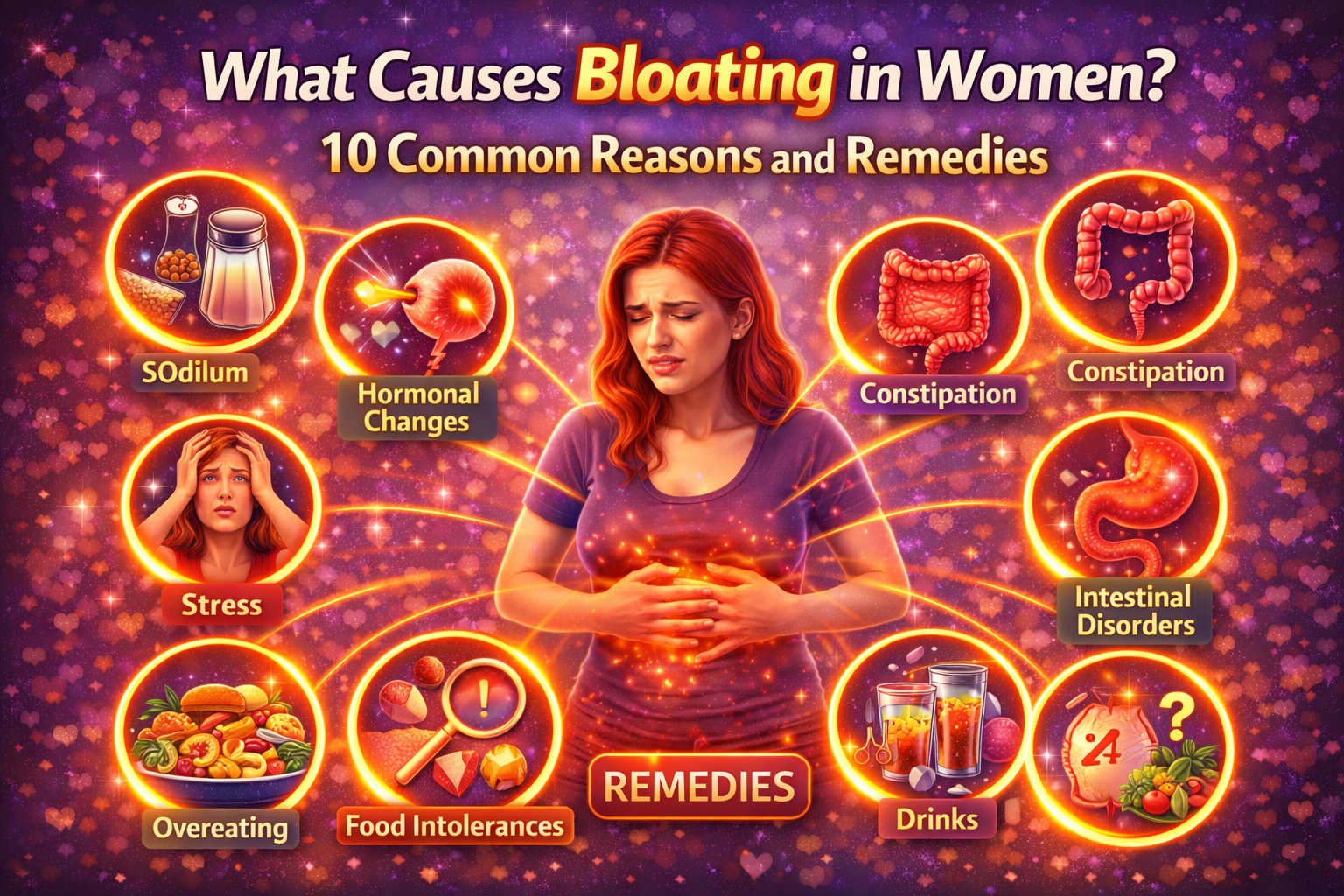
Occasional bloating is completely normal and usually goes away on its own, but chronic or severe bloating should never be ignored. While some women only experience bloating before their period, others may find it happens after meals, during stressful periods, or even out of the blue. In this article, we’ll explore the 10 most common culprits of bloating in women and what you can do to manage it naturally.
1. Hormonal Changes During Menstrual Cycle
For many women, bloating is a predictable part of their monthly cycle. Right before and during menstruation, hormone levels shift dramatically. Estrogen and progesterone—two key female hormones—fluctuate in ways that can cause the body to retain more water and salt. This leads to puffiness, swelling, and that dreaded belly bloat.
Another factor is that these hormonal changes slow down digestion. When the digestive process slows, gas builds up more easily, leading to even more discomfort. That’s why bloating during PMS feels so intense—it’s not just water retention, but also digestive sluggishness.
Thankfully, there are ways to manage menstrual bloating. Staying hydrated is key, as water actually helps flush out excess sodium. Reducing salty foods and processed snacks before your period can also make a big difference. Light exercise, such as walking or yoga, helps stimulate digestion and reduces water retention. Some women even find that herbal teas like peppermint or ginger can calm cramps and ease bloat naturally.
2. Digestive Issues and Food Intolerances
Food intolerances are one of the most common reasons women feel bloated after eating. Unlike food allergies, which trigger an immune response, intolerances affect the digestive system and make it harder for your body to process certain foods.
For example, lactose intolerance means your body struggles to break down lactose, the sugar found in milk and dairy products. This leads to gas, cramping, and bloating shortly after eating cheese, milk, or ice cream. Similarly, gluten sensitivity or celiac disease causes bloating when you eat wheat, barley, or rye.
Identifying trigger foods can take time, but keeping a food diary often helps. Writing down what you eat and when bloating occurs can reveal patterns you may not have noticed before. Elimination diets—where you temporarily cut out suspected foods and reintroduce them one by one—are another effective method.
In addition, high-FODMAP foods (like onions, beans, and certain fruits) are notorious for causing gas and bloating in sensitive individuals. Reducing or moderating these foods may provide relief. If bloating is persistent and linked to meals, consulting a doctor or dietitian is a smart step to pinpoint exact intolerances.
3. Eating Habits and Overeating
Sometimes bloating has nothing to do with medical issues—it’s simply the way you eat. Many people eat too quickly, barely chewing their food before swallowing. This causes you to take in excess air, which leads to gas and bloating. Chewing gum and drinking carbonated beverages have the same effect—they fill your stomach with air bubbles that expand and cause discomfort.
Portion sizes also play a huge role. Eating large, heavy meals overwhelms your digestive system, slowing down the process and producing more gas. Instead of eating three oversized meals, try smaller, balanced meals throughout the day. This keeps your digestive system moving without overloading it.
Additionally, certain eating habits like eating late at night or lying down right after meals can worsen bloating. Your stomach works best when you’re upright and moving, so giving your body time to digest before lying down is essential.
Being mindful while eating—slowing down, chewing thoroughly, and avoiding distractions like phones or TV—can drastically reduce bloating. Think of it as giving your stomach a chance to “breathe” instead of overwhelming it all at once.
4. Constipation and Poor Gut Health
Constipation is a major culprit behind bloating. When stool sits in the colon too long, it produces gas and creates a heavy, swollen feeling. Many women don’t realize just how much their bathroom habits affect bloating. Ideally, you should have regular, comfortable bowel movements, but if you’re going days without one, bloating is almost inevitable.
A lack of fiber in the diet is one of the biggest contributors. Fiber helps keep stool soft and moving through the intestines. Without enough fiber, waste builds up, digestion slows, and gas accumulates. Drinking too little water only makes constipation worse, since hydration is essential for smooth digestion.
Gut bacteria also play a key role. An imbalance in gut flora, known as dysbiosis, can cause excess gas and bloating. Eating more probiotics, such as yogurt, kefir, or fermented foods like kimchi and sauerkraut, can help restore balance.
Small lifestyle changes like increasing fiber intake gradually, staying hydrated, and exercising regularly can go a long way in improving gut health and preventing bloating caused by constipation.
5. Stress and Its Impact on Digestion
Believe it or not, your mind and gut are closely connected. Stress doesn’t just affect your mood—it directly impacts digestion. When you’re anxious or overwhelmed, your body releases stress hormones like cortisol, which can slow digestion and make your stomach more sensitive to gas and bloating.
Many women notice that during stressful periods, their bloating gets worse, even if their diet hasn’t changed. This is because stress also alters gut motility, meaning food moves through your digestive system too quickly or too slowly. Both scenarios can result in bloating and discomfort.
Techniques like deep breathing, meditation, yoga, and even simple walks in nature can help manage stress levels and, in turn, reduce bloating. Prioritizing sleep is also essential, as poor rest makes the gut more sensitive to stress.
If you’ve ever had “butterflies in your stomach” before a big event, you’ve experienced how stress affects digestion firsthand. Imagine that sensation on a larger scale—that’s what ongoing stress can do to your gut, often leading to chronic bloating.
6. Polycystic Ovary Syndrome (PCOS) and Hormonal Disorders
Polycystic Ovary Syndrome, commonly known as PCOS, is a hormonal condition that affects millions of women worldwide. While its most well-known symptoms include irregular periods, acne, and weight gain, bloating is another frustrating issue many women with PCOS face. The hormonal imbalances—particularly high levels of androgens and insulin resistance—can slow down digestion and lead to excess water retention, which contributes to that swollen belly feeling.
Women with PCOS often struggle with fluctuations in estrogen and progesterone, and this imbalance can impact how the body processes food and fluids. For instance, elevated insulin levels can make the body store more fat and sodium, which directly triggers bloating. On top of that, women with PCOS are more likely to experience constipation or irregular bowel movements, which further worsens the problem.
Managing PCOS-related bloating often requires a holistic approach. A balanced diet with low-glycemic foods helps regulate blood sugar and reduces insulin spikes. Strength training and regular physical activity also improve insulin sensitivity and digestion. For some women, medications prescribed by doctors can help balance hormones and reduce bloating episodes.
Other hormonal disorders, such as thyroid imbalances, can mimic similar symptoms. Both hypothyroidism and hyperthyroidism affect metabolism and digestion, leading to persistent bloating. That’s why it’s important to get medical advice if bloating is ongoing and tied to other symptoms like fatigue, hair loss, or unexplained weight changes.
7. Irritable Bowel Syndrome (IBS)
IBS is one of the most common digestive disorders in women, and bloating is one of its hallmark symptoms. This condition affects the large intestine and causes a mix of issues like abdominal pain, cramping, gas, diarrhea, and constipation. Women are more likely than men to develop IBS, especially during their 20s to 40s, which makes it an important factor in understanding chronic bloating.
What makes IBS particularly challenging is that symptoms often fluctuate. One day you may feel fine, and the next, you’re dealing with severe bloating and discomfort. Triggers vary widely, but common culprits include stress, hormonal changes, caffeine, fatty foods, and high-FODMAP foods (such as beans, onions, and certain fruits).
Managing IBS-related bloating often involves lifestyle and dietary adjustments. Many women benefit from following a low-FODMAP diet, which helps identify and limit foods that contribute to bloating. Stress management is also crucial since IBS symptoms are strongly tied to the gut-brain connection.
Since IBS doesn’t have a clear cure, it’s about finding a management strategy that works for your body. That might include probiotics, fiber supplements, or prescribed medications that regulate bowel movements. Working with a doctor or dietitian can help tailor a plan that keeps bloating under control while improving overall gut health.
8. Dehydration and Water Retention
It may sound contradictory, but not drinking enough water is one of the fastest ways to feel bloated. When you’re dehydrated, your body holds on to every drop of fluid it can, leading to water retention and puffiness. This is especially common in women, who may already experience hormonal water retention before their periods.
Another sneaky culprit is sodium. Processed foods, fast food, and salty snacks are packed with sodium, which forces your body to retain water. Combine this with dehydration, and bloating is almost guaranteed.
The solution seems simple—drink more water—but it’s also about consistency. Sipping water throughout the day is better than chugging large amounts at once. Eating water-rich foods like cucumbers, watermelon, and oranges can also help keep hydration levels balanced.
Electrolytes play a role too. Too much sodium without enough potassium (found in bananas, spinach, and avocados) throws off fluid balance. Restoring this balance helps your body flush out excess water naturally.
A good rule of thumb: if you only drink water when you’re already thirsty, you’re probably already mildly dehydrated. Staying hydrated not only prevents bloating but also supports digestion and overall energy levels.
9. Medical Conditions That Mimic Bloating
While bloating is usually harmless, sometimes it’s a warning sign of an underlying medical condition. For example, ovarian cysts can cause persistent bloating, especially when they grow large or rupture. Many women mistake this bloating for digestive issues, when in reality, it’s related to reproductive health.
Another condition is endometriosis, where tissue similar to the lining of the uterus grows outside of it. This condition is notorious for causing painful periods, but it can also lead to bloating, often referred to as “endo belly.” Unlike typical PMS bloating, endo belly can appear suddenly and feel extremely uncomfortable, sometimes lasting for days.
Other medical concerns include gastrointestinal disorders like Crohn’s disease, ulcerative colitis, or even more serious conditions like ovarian cancer. While these are less common, they highlight the importance of paying attention to chronic or severe bloating, especially if it comes with other symptoms like unexplained weight loss, severe pain, or changes in bowel habits.
If bloating is new, severe, or progressively worse, seeking medical evaluation is crucial. Doctors may recommend ultrasounds, blood work, or endoscopies to rule out serious conditions. Early detection is always better than waiting and hoping the bloating goes away on its own.
10. Lifestyle Factors and Lack of Exercise
A sedentary lifestyle is another overlooked cause of bloating. When you spend most of your day sitting, digestion slows down, and gas builds up more easily in the intestines. This is why many people feel bloated after sitting at a desk for hours without moving.
Exercise, even light movement, stimulates digestion and helps reduce bloating. Walking after meals, stretching, or practicing yoga poses like “wind-relieving pose” can make a noticeable difference. Consistent physical activity also improves circulation and reduces water retention, which helps keep the belly flat.
Another factor is poor posture. Slouching compresses the stomach and intestines, slowing down digestion. Sitting upright and engaging core muscles not only improves posture but also reduces unnecessary bloating.
Lifestyle habits like smoking, excessive alcohol intake, and lack of sleep can also worsen bloating. Smoking introduces excess air into the stomach, alcohol irritates the gut lining, and poor sleep disrupts hormonal balance—all contributing to that uncomfortable swollen feeling.
The good news? Small lifestyle tweaks can have big results. Prioritizing daily movement, staying hydrated, eating mindfully, and improving sleep quality all work together to prevent bloating naturally.
How to Relieve and Prevent Bloating Naturally
While bloating can feel overwhelming, the good news is that simple changes often make a big difference. Relief doesn’t always require medication—sometimes, natural remedies and lifestyle tweaks are enough to keep bloating under control.
One of the most effective strategies is adjusting your diet. Cutting down on processed foods, refined carbs, and excess salt reduces water retention. Instead, focus on whole foods rich in fiber, like oats, lentils, fruits, and leafy greens. But remember—too much fiber too quickly can worsen bloating, so it’s best to increase intake gradually while staying hydrated.
Certain foods are known to soothe digestion and reduce gas buildup. For example:
-
Ginger tea helps relax the digestive tract.
-
Peppermint tea reduces bloating by calming intestinal muscles.
-
Fennel seeds act as a natural gas reliever.
-
Bananas and avocados balance electrolytes and reduce water retention.
Exercise is another powerful tool. Even a 15-minute walk after meals helps food move through the digestive system more efficiently. Yoga poses, such as child’s pose, seated twist, and bridge pose, are particularly helpful for easing pressure in the stomach.
Mindful eating also plays a role. Eating slowly, chewing food thoroughly, and avoiding distractions while eating all reduce swallowed air and help your body digest better. Pairing this with adequate hydration ensures that your digestive system runs smoothly.
For women who experience hormonal bloating, keeping track of your cycle can be a game-changer. Preparing ahead with light meals, less salt, and more hydration during PMS can prevent that dreaded monthly swell.
When to See a Doctor About Bloating
Most of the time, bloating is harmless and goes away with diet and lifestyle adjustments. But sometimes, it’s a signal that something more serious is going on. Knowing when to seek medical advice can make all the difference.
You should consider seeing a doctor if:
-
Bloating is persistent and severe, lasting more than a few days a week.
-
You notice unexplained weight loss alongside bloating.
-
Bloating is accompanied by severe abdominal pain or cramps.
-
Your bowel habits suddenly change (constipation, diarrhea, or both).
-
You feel full very quickly after small meals (early satiety).
These could be signs of conditions like ovarian cysts, endometriosis, IBS, or even more serious issues like ovarian or gastrointestinal cancers. While rare, it’s always better to get checked early rather than ignore ongoing bloating.
Doctors may run simple tests such as ultrasounds, blood work, or endoscopies to rule out underlying conditions. For many women, getting a proper diagnosis brings relief, as it provides clarity and opens doors for effective treatment.
Remember, bloating is common—but it’s not something you should silently suffer through if it’s interfering with your daily life. Listening to your body and seeking help when needed is the best way to stay healthy.
Conclusion
Bloating in women is incredibly common, but it’s not always caused by the same thing. From hormonal fluctuations and digestive issues to lifestyle factors and underlying medical conditions, there are many potential culprits behind that uncomfortable swollen belly.
The good news is that bloating is often manageable. Simple habits like staying hydrated, eating mindfully, exercising regularly, and reducing stress can drastically improve how you feel. For some women, identifying and avoiding specific food triggers is the key, while others may need medical evaluation for underlying conditions.
The bottom line? Don’t ignore bloating—your body is trying to tell you something. By paying attention to patterns, making lifestyle adjustments, and seeking medical advice when necessary, you can reduce discomfort and feel more in control of your health.
FAQs
1. Can bloating be a sign of pregnancy?
Yes, bloating can occur early in pregnancy due to rising progesterone levels, which slow digestion. However, it should not be relied on as the only sign—other symptoms like missed periods and nausea are also important indicators.
2. Does bloating always mean something is wrong?
Not always. Occasional bloating after a big meal or around your period is normal. But if bloating is persistent, painful, or comes with other symptoms, it’s worth checking with a doctor.
3. How long should bloating last before worrying?
Bloating that lasts a few hours or up to a day is usually harmless. If it continues for several days a week, becomes more frequent, or worsens over time, it’s a good idea to seek medical advice.
4. What foods help reduce bloating?
Foods like ginger, peppermint, fennel, bananas, cucumbers, and yogurt with probiotics can naturally ease bloating. Staying hydrated and limiting processed foods also helps.
5. Is bloating more common in women than men?
Yes. Women are more prone to bloating because of hormonal fluctuations, menstrual cycles, and conditions like PCOS or endometriosis that men don’t experience.