Table of Contents
ToggleSymptoms of Liver Disease in Women: Early Signs, Causes, and When to Act
The liver is one of those organs that quietly works behind the scenes, asking for nothing and giving you everything. It filters toxins, balances hormones, helps digest food, stores nutrients, and even supports your immune system. Yet when something goes wrong, especially in women, the symptoms can be subtle, confusing, and easy to dismiss as “just stress” or “hormones acting up.” That’s where the danger lies.
Liver disease in women often looks different than it does in men. Hormonal fluctuations, pregnancy, birth control, menopause, and autoimmune conditions all influence how liver problems show up. Many women live with symptoms for years without realizing their liver is struggling. By the time obvious signs appear, the condition may already be advanced.
This guide breaks down the symptoms of liver disease in women in a clear, relatable, and practical way. Think of it as a conversation with a friend who wants you to listen to your body before it starts shouting.
Understanding the Liver and Why It Matters for Women
The liver is like your body’s ultimate multitasker. It performs over 500 essential functions, from detoxifying chemicals to regulating blood sugar. For women, the liver plays an even more delicate role because it helps process estrogen and other hormones that fluctuate throughout life.
When the liver is healthy, hormones stay balanced. When it’s not, those hormones can build up in the bloodstream, triggering symptoms that feel more gynecological or emotional than physical. That’s why liver disease in women often hides behind menstrual issues, mood changes, or chronic fatigue.
Another key factor is medication use. Women are statistically more likely to use hormonal birth control, fertility treatments, antidepressants, and autoimmune medications. All of these are processed by the liver. Over time, this extra workload can increase vulnerability to liver stress, especially if combined with alcohol, poor diet, or metabolic conditions.
In simple terms, when your liver struggles, your whole system feels off. And for women, that imbalance can ripple into nearly every aspect of health, from skin and digestion to fertility and mental clarity.
Why Liver Disease Symptoms Differ in Women
Women’s bodies are beautifully complex, but that complexity means disease doesn’t always follow textbook patterns. Liver disease symptoms differ in women primarily because of hormonal biology and immune response.
Estrogen affects how bile flows through the liver. When bile doesn’t move properly, it can back up and cause itching, nausea, and fat digestion problems. This is one reason women are more prone to conditions like cholestasis, especially during pregnancy.
Autoimmune liver diseases are another major factor. Conditions like autoimmune hepatitis and primary biliary cholangitis occur far more often in women than men. These diseases can cause vague symptoms such as fatigue, joint pain, and brain fog long before abnormal lab results appear.
Pregnancy and menopause also place unique stress on the liver. During pregnancy, the liver works overtime to support both mother and baby. During menopause, shifting hormones can worsen fatty liver disease and insulin resistance.
All of this means one thing: women often experience liver disease as a slow-burning fire rather than a sudden explosion. And slow burns are easy to ignore until damage has already been done.
Early Warning Signs of Liver Disease in Women
Early symptoms of liver disease can feel frustratingly ordinary. That’s what makes them so dangerous. Fatigue is usually the first red flag. Not the “I stayed up too late” kind, but a bone-deep exhaustion that doesn’t improve with rest.
Many women describe it as feeling drained from the moment they wake up. Simple tasks feel overwhelming. Coffee stops helping. This fatigue happens because the liver can’t efficiently convert nutrients into energy or clear toxins from the blood.
Digestive issues often come next. You may notice bloating after meals, a reduced appetite, or sensitivity to fatty foods. Nausea can appear without an obvious cause, especially in the morning. Some women mistake this for anxiety or hormonal changes.
Unexplained weight changes are also common. You might lose weight without trying or gain weight around the abdomen due to fluid retention. Because these changes happen gradually, they’re easy to dismiss.
The key takeaway? If your body feels persistently “off” and you can’t pinpoint why, your liver may be quietly asking for attention.
Skin, Hair, and Nail Changes Linked to Liver Problems
Your skin is one of the most honest storytellers of liver health. When the liver struggles, toxins that should be filtered out begin circulating in the blood, often showing up on the skin.
Jaundice is the most well-known sign. It causes yellowing of the skin and the whites of the eyes due to bilirubin buildup. But before jaundice appears, many women experience persistent itching without a rash. This itching can be intense, especially at night, and is often brushed off as allergies or dry skin.
Easy bruising is another clue. If you notice bruises appearing from minor bumps or without any memory of injury, it could signal reduced production of clotting proteins.
Hair thinning and brittle nails may also appear. The liver stores nutrients like iron, vitamin A, and B vitamins. When it’s compromised, nutrient deficiencies can affect hair growth and nail strength.
These outward changes aren’t cosmetic issues. They’re signals. Your body is waving a flag, asking you to look deeper.
Hormonal and Menstrual Symptoms
One of the most overlooked aspects of liver disease in women is its impact on hormones. Since the liver helps break down estrogen, impaired liver function can lead to estrogen dominance.
This imbalance may cause irregular periods, heavier bleeding, worsening PMS, or increased menstrual cramps. Some women notice their cycles become unpredictable or stop altogether.
Fertility challenges can also emerge. Hormonal imbalance affects ovulation and egg quality. Libido may drop, not because of emotional factors, but because hormones are out of sync.
These symptoms are often misdiagnosed as purely reproductive issues. But when hormonal treatments don’t help, the liver should be part of the conversation.
Emotional and Cognitive Symptoms
The liver doesn’t just affect the body. It affects the mind. When toxins build up in the bloodstream, they can interfere with brain function, leading to mood and cognitive changes.
Many women with liver disease report anxiety, irritability, or depression without a clear trigger. Mood swings may feel sudden and intense. Brain fog is another common complaint. You may struggle to concentrate, forget words, or feel mentally slow.
These symptoms can be deeply frustrating, especially when they’re dismissed as stress or mental health issues alone. While emotional support is important, it’s equally important to consider the physical root of these changes.
Your brain and liver are in constant conversation. When one suffers, the other often follows.
Digestive and Abdominal Symptoms
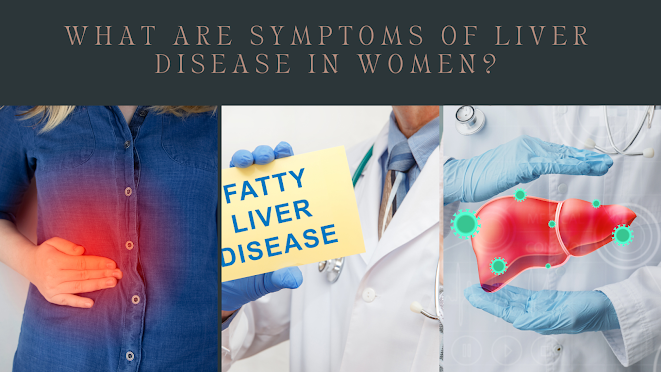
Pain in the upper right side of the abdomen is a classic liver symptom, but it doesn’t always feel sharp. Many women describe it as a dull ache, pressure, or fullness that comes and goes.
Bloating and gas can become chronic. The liver produces bile, which helps digest fats. When bile flow is disrupted, digestion suffers, leading to discomfort after meals.
Fluid retention may cause abdominal swelling, even if your diet hasn’t changed. This can feel alarming and uncomfortable, especially when clothes suddenly don’t fit the same way.
These symptoms often worsen after eating and may improve slightly with rest, which is why they’re easy to rationalize away.
Weight and Metabolic Changes
Liver disease often disrupts metabolism. Some women experience unexplained weight loss due to poor nutrient absorption. Others gain weight, particularly around the abdomen, due to insulin resistance and fatty liver changes.
Blood sugar levels may become unstable, increasing the risk of type 2 diabetes. Cholesterol levels can also rise or fall unpredictably.
These changes can occur even in women who eat well and exercise regularly, making them especially confusing and frustrating.
Advanced Symptoms of Liver Disease
As liver disease progresses, symptoms become more severe and harder to ignore. Ascites, which is fluid buildup in the abdomen, causes noticeable swelling and discomfort.
Dark stools or vomiting blood may indicate internal bleeding due to increased pressure in the veins. This is a medical emergency.
Confusion, disorientation, or personality changes can occur in advanced stages due to hepatic encephalopathy. This happens when toxins like ammonia affect brain function.
At this stage, immediate medical care is essential.
Liver Disease Symptoms During Pregnancy
Pregnancy places unique demands on the liver. Conditions like cholestasis of pregnancy cause severe itching, dark urine, and pale stools. HELLP syndrome and preeclampsia also involve liver dysfunction and can be life-threatening.
Any unusual symptoms during pregnancy should be evaluated promptly, especially itching or abdominal pain.
Common Liver Diseases Affecting Women
Women are more prone to autoimmune liver diseases, fatty liver disease, and certain viral hepatitis complications. Each condition presents differently, but all benefit from early detection.
When to See a Doctor
Persistent fatigue, jaundice, abdominal pain, itching, or unexplained hormonal changes should never be ignored. Blood tests, imaging, and sometimes biopsy can provide clarity.
Prevention and Lifestyle Tips for Women
-
Eat a balanced, whole-food diet
-
Limit alcohol intake
-
Be cautious with medications and supplements
-
Manage stress and prioritize sleep
-
Get regular health screenings
Small changes can protect your liver in big ways.
Living With Liver Disease as a Woman
Living with liver disease requires adjustments, but it doesn’t mean giving up joy or purpose. With proper care, many women live full, vibrant lives.
Support, education, and self-compassion are key.
Conclusion
Liver disease in women often whispers before it screams. The symptoms may seem unrelated, subtle, or easy to dismiss, but together they tell a story. Listening early can make all the difference. Your body is not betraying you; it’s communicating. The sooner you listen, the better your chances of healing and long-term health.
FAQs
1. Can liver disease cause hormonal imbalance in women?
Yes, impaired liver function can disrupt estrogen metabolism, leading to hormonal symptoms.
2. Is fatigue always the first sign of liver disease?
Often, but not always. Fatigue is common but can appear alongside digestive or skin symptoms.
3. Can young women get liver disease?
Absolutely. Autoimmune and fatty liver diseases can affect women of all ages.
4. Are liver symptoms different during menopause?
Yes, hormonal shifts can worsen metabolic and liver-related symptoms.
5. Can liver disease be reversed?
Some forms, especially early-stage fatty liver disease, can improve with lifestyle changes and medical care.
1 thought on “Symptoms of Liver Disease in Women: Early Signs, Causes, and When to Act”